
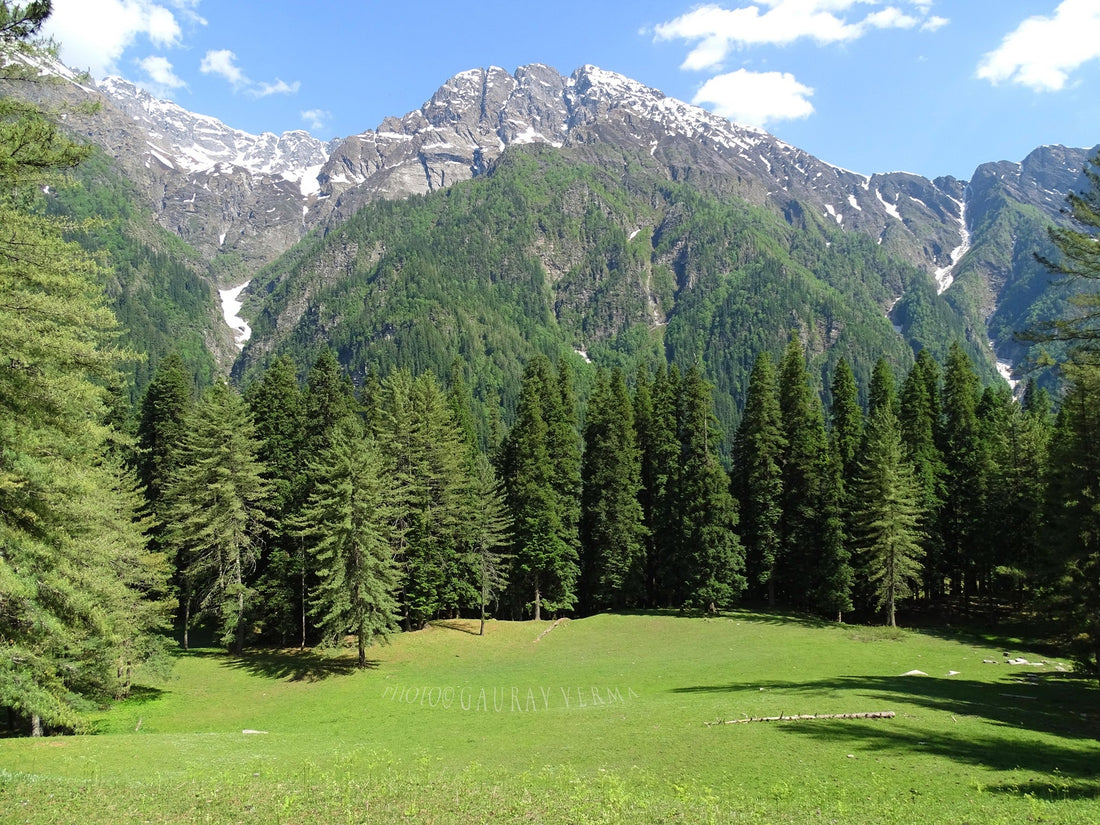
The Himalayan Fir Tree (Abies pindrow) stands as nature's towering testament to resilience and beauty, reaching heights of up to 50 meters in the pristine mountain ranges of the Himalayas. This magnificent evergreen species, also known as the West Hi Read more
Trending Tree Plantations - Most Popular Environmental Programs
-
Trees for Mother
Regular price ₹ 299Regular priceUnit price per -
Trees to Honor the Memory of your Loved Ones
Regular price ₹ 299Regular priceUnit price per -
Trees for Women's Day (8th Mar)
Regular price ₹ 299Regular priceUnit price per -
Trees for Wedding Anniversary Celebration
Regular price ₹ 299Regular priceUnit price per -
Trees for Grandmother
Regular price ₹ 299Regular priceUnit price per




Trees for Corporates - Achieve Net Zero Targets Through Strategic Tree Planting
-
 Project Closed
Trees by LIFT Team for Green Diwali: Transform Your Festival
Regular price ₹ 299Regular priceUnit price per -
Trees for a Greener Tomorrow - by Mahindra Lifespaces
Regular price ₹ 299Regular priceUnit price per -
Trees for Environment Day: Plant Your Impact on June 5th
Regular price ₹ 299Regular priceUnit price per -
Trees for Employees: Transform Your Corporate Culture in 2026
Regular price ₹ 299Regular priceUnit price per -
 Project Closed
Trees for Bangalore: Plant Native Trees in Garden City ₹299
Regular price ₹ 799Regular priceUnit price per

Himalayan Fir Tree: Majestic Evergreen for Landscape & Biodiversity
The Himalayan Fir Tree (Abies pindrow) stands as nature's towering testament to resilience and beauty, reaching heights of up to 50 meters in the pristine mountain ranges of the Himalayas. This magnificent evergreen species, also known as the West Himalayan Fir, offers extraordinary potential for transforming landscapes while serving as a cornerstone for biodiversity conservation. Our experience with these majestic trees reveals their unparalleled ability to create thriving ecosystems that support countless species while providing sustainable environmental solutions.
✅ Scientific Characteristics of the Himalayan Fir Tree
The Himalayan Fir Tree showcases remarkable scientific adaptations that make it a true marvel of nature. These coniferous giants can grow up to 50 meters tall with trunk diameters reaching 1.5 meters, creating an impressive presence in any landscape.
The tree's needle-like leaves are dark green, measuring 2 to 4 centimeters in length, arranged spirally around branches to create a lush, full appearance. The cylindrical cones measure 10 to 20 centimeters long, initially green before turning brown as they mature.
According to the United Nations Environment Programme's forest conservation initiatives, high-altitude species like the Himalayan Fir demonstrate exceptional adaptability to various soil types, though they prefer well-drained, acidic soils rich in organic matter.
These trees thrive at altitudes between 2,500 and 3,600 meters, where cool, moist climates provide optimal growing conditions. Their remarkable ability to withstand harsh weather conditions, including heavy snowfall and strong winds, makes them incredibly resilient in their native habitat.
⭐ Fun Facts About Himalayan Fir Trees
- ✅ The Himalayan Fir can live for several hundred years, with some specimens estimated to be over 500 years old
- ✅ Known as the "Queen of the Himalayas" due to its majestic stature and beauty
- ✅ The wood is highly valued for durability and decay resistance, making it popular for construction and furniture
- ✅ These trees release significant amounts of oxygen, contributing to cleaner air quality
- ✅ A single mature Himalayan Fir can sequester up to 48 pounds of CO2 annually
🏛️ Historical Significance and Cultural Heritage
The Himalayan Fir has been an integral part of Himalayan culture and economy for centuries. Local communities have historically utilized these trees for building homes, crafting furniture, and creating musical instruments, showcasing the tree's versatility and economic importance.
The resin of the Himalayan Fir has been utilized in traditional medicine and spiritual rituals, demonstrating the tree's multifaceted importance to local populations. Many Himalayan tribes regard these trees as sacred, associating them with deities and reflecting the deep spiritual connection between nature and culture in this region.
We found that communities have developed sustainable harvesting practices that ensure the long-term survival of these magnificent trees while meeting their economic needs. This traditional knowledge represents centuries of wisdom about forest management and conservation.
🌍 Environmental Impact and Biodiversity Benefits
The Himalayan Fir plays a pivotal role in maintaining ecological balance and promoting biodiversity in its native habitat. These environmental champions provide numerous benefits that align with the United Nations Sustainable Development Goals for environmental conservation.
💨 Carbon Sequestration
Like all trees, the Himalayan Fir absorbs carbon dioxide from the atmosphere, helping mitigate climate change by sequestering carbon in its biomass. A mature tree can store approximately 2.6 tons of carbon over its lifetime, making it a powerful ally in our fight against climate change.
🦅 Wildlife Habitat Creation
The dense foliage and complex structure of the Himalayan Fir provide essential habitat for various wildlife species, including birds, insects, and mammals. These trees support diverse ecosystems, contributing significantly to overall forest health and biodiversity preservation.
🏔️ Soil Erosion Prevention
The extensive root system of the Himalayan Fir helps anchor soil, preventing erosion and maintaining soil health. This is particularly crucial in steep, mountainous terrain where soil erosion can lead to landslides and habitat degradation.
🌡️ Microclimate Regulation
The presence of Himalayan Fir trees influences local microclimates, helping regulate temperature and humidity levels. This microclimate regulation supports the growth of various understory plants and contributes to regional biodiversity.
🌱 Planting and Care Guidelines
Successfully growing Himalayan Fir trees requires understanding their specific needs and optimal growing conditions. These guidelines will help you establish thriving trees that contribute to landscape transformation and biodiversity enhancement.
➡️ Site Selection
Choose locations with well-drained, acidic soil rich in organic matter. Ensure adequate space for the tree's mature size, considering its potential 50-meter height and substantial spread. Areas with partial shade to full sun exposure work best.
➡️ Planting Process
Plant during early spring or fall when temperatures are moderate. Dig holes twice the width of the root ball and slightly shallower than its height. Backfill with amended soil, ensuring proper drainage to prevent root rot.
➡️ Maintenance Requirements
Water regularly during the first two years to establish strong root systems. Apply organic mulch around the base to retain moisture and suppress weeds. Prune only dead or damaged branches to maintain the tree's natural shape.
🏢 Corporate Environmental Programs and Net Zero Targets
Organizations seeking to achieve Net Zero Targets through environmental restoration find Himalayan Fir trees particularly valuable for their carbon sequestration capabilities. The United Nations Climate Change initiatives emphasize the importance of forest restoration in global climate action.
Our corporate partnerships demonstrate how businesses can integrate Himalayan Fir planting into their sustainability strategies. Companies can sponsor tree planting initiatives that provide measurable environmental impact while supporting local communities and biodiversity conservation.
Through our 4ft Tree Planting + 3 Years Care + GeoTag program, corporations can track their environmental contributions with verified, technology-enabled monitoring. This approach ensures transparency and accountability in corporate environmental commitments.
🎁 Special Occasion Tree Planting
The majestic nature of Himalayan Fir trees makes them perfect for commemorating special occasions. Plant a tree in your Name for birthdays, memorials, anniversaries, or corporate milestones, creating lasting legacies that contribute to environmental restoration.
Our personalized tree certificates provide meaningful gifts that support the larger mission of planting 100 crore trees across India. Each tree planted represents a commitment to future generations and environmental stewardship.
The symbolic significance of these long-lived trees makes them particularly appropriate for memorials and celebrations, as they will stand for centuries as living monuments to important life events.
🌿 Integration with Agroforestry and Sustainable Agriculture
Himalayan Fir trees can be integrated into agroforestry systems in suitable climates, providing multiple benefits including windbreaks, soil stabilization, and microclimate improvement for agricultural crops. This integration supports sustainable farming practices while enhancing biodiversity.
Farmers in appropriate altitude zones can benefit from the tree's ability to improve soil quality through leaf litter decomposition and nitrogen fixation. The trees also provide habitat for beneficial insects that support agricultural productivity.
Our agroforestry programs demonstrate how Himalayan Fir trees can be incorporated into farming systems to create more resilient and productive agricultural landscapes while supporting environmental conservation goals.
Frequently Asked Questions
How fast do Himalayan Fir trees grow?
Himalayan Fir trees are moderate to slow growers, typically adding 12-24 inches in height per year under optimal conditions. Young trees may grow faster initially, with growth slowing as they mature. Factors like soil quality, moisture, and climate significantly influence growth rates.
What climate conditions do Himalayan Fir trees need?
These trees thrive in cool, moist climates at altitudes between 2,500-3,600 meters. They require well-drained, acidic soils and can tolerate heavy snowfall and strong winds. They prefer areas with consistent moisture but not waterlogged conditions.
Can Himalayan Fir trees survive in lower altitudes?
While naturally adapted to high altitudes, Himalayan Fir trees can survive in lower elevations with proper care and suitable microclimates. Success depends on providing cool, moist conditions that mimic their natural habitat, though growth may be slower.
How much space does a Himalayan Fir tree need?
Mature Himalayan Fir trees require substantial space, with canopy spreads reaching 10-15 meters. Plant trees at least 20-25 feet apart to allow for full development. Consider the tree's potential 50-meter height when selecting planting locations.
What wildlife benefits from Himalayan Fir trees?
These trees provide habitat for numerous species including Himalayan birds, small mammals, and various insects. The dense foliage offers nesting sites, while the seeds provide food sources. The trees support entire ecosystems in their native ranges.
How do Himalayan Fir trees help with climate change?
Himalayan Fir trees are excellent carbon sequesters, absorbing CO2 from the atmosphere and storing it in their biomass. A mature tree can sequester approximately 48 pounds of CO2 annually and store 2.6 tons of carbon over its lifetime.
What makes Himalayan Fir wood valuable?
The wood is prized for its durability, resistance to decay, and attractive grain patterns. It's used in construction, furniture making, and traditional crafts. The wood's natural resistance to pests and moisture makes it particularly valuable for outdoor applications.
How long do Himalayan Fir trees live?
These remarkable trees can live for several hundred years, with some specimens estimated to be over 500 years old. Their longevity makes them excellent investments for long-term environmental benefits and landscape enhancement.
Can I grow a Himalayan Fir tree from seed?
Yes, Himalayan Fir trees can be grown from seed, though it requires patience and proper conditions. Seeds need cold stratification and consistent moisture. Germination rates vary, and seedlings require careful nurturing for the first several years.
What maintenance do Himalayan Fir trees require?
These trees are relatively low-maintenance once established. They require regular watering during the first few years, organic mulching, and occasional pruning of dead or damaged branches. Avoid over-fertilizing, as they prefer naturally nutrient-rich soils.
🌟 Supporting Global Reforestation Through Himalayan Fir Trees
The Himalayan Fir Tree represents more than just a beautiful landscape addition – it embodies our commitment to Combating Climate Change Through Collective Action. These majestic evergreens serve as powerful symbols of environmental restoration and biodiversity conservation.
Through our comprehensive tree planting programs, we're working toward our ambitious goal of planting 100 crore trees by June 2030. Each Himalayan Fir tree planted contributes to this larger mission while providing immediate and long-term environmental benefits.
Our technology-enabled approach ensures that every tree planted receives proper care and monitoring. The GeoTag system allows supporters to track their tree's growth and impact, creating meaningful connections between individuals and their environmental contributions.
Ready to transform your landscape while supporting biodiversity conservation? Discover how you can plant a Himalayan Fir tree in your name for just ₹299, complete with 3 years of professional care and GeoTag tracking. Join thousands of environmentally conscious individuals and organizations in creating a greener, more sustainable future through the majestic beauty of Himalayan Fir trees.
You may also like
-
Gift a Tree - Meaningful Environmental Gifts That Make a Difference
Transform your gift-giving with meaningful environmental gifts that create lasting impact for...
-
Trees For Shiv Ji - Sacred Tree Planting to Honor Lord Shiva
Honor Lord Shiva through sacred tree planting with Trees For Shiv Ji,...
-

Tree Plantations for Shri Ram - Sacred Devotional Planting Services
Honor Lord Shri Ram through meaningful tree plantations for Shri Ram that...
-
Tree Plantation on Navratri - Celebrate Divine Festivals with Environmental Devotion
Tree plantation on Navratri transforms the sacred nine-day festival into a powerful...
-
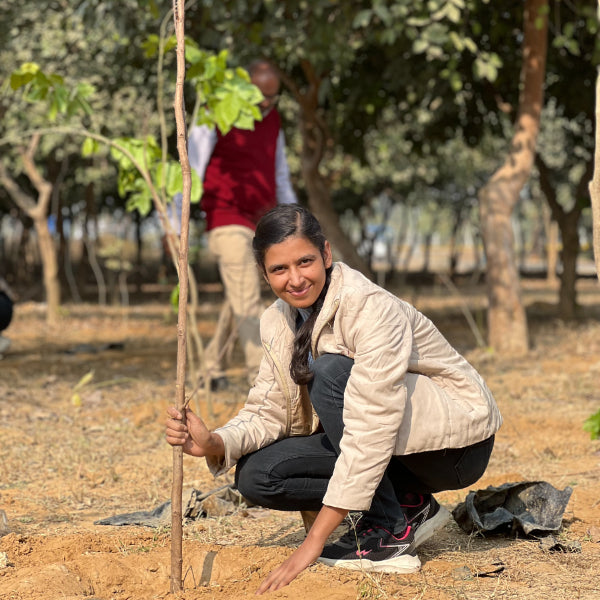
Tree Plantation by Cause - Plant Trees for Every Purpose | Grow Billion Trees
Transform your environmental impact with purpose-driven tree plantation by cause programs that...
Corporate Plantations
-
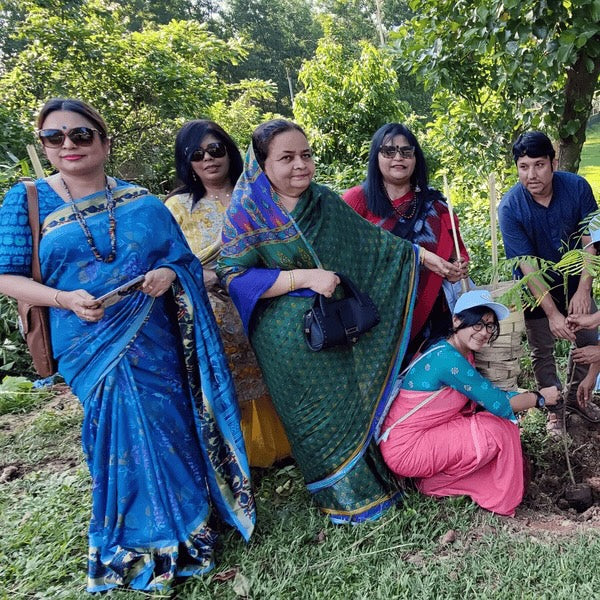
Trees for Corporates - Achieve Net Zero Targets Through Strategic Tree Planting
Trees for Corporates - Strategic Environmental SolutionsTransform your corporate environmental impact with...
-
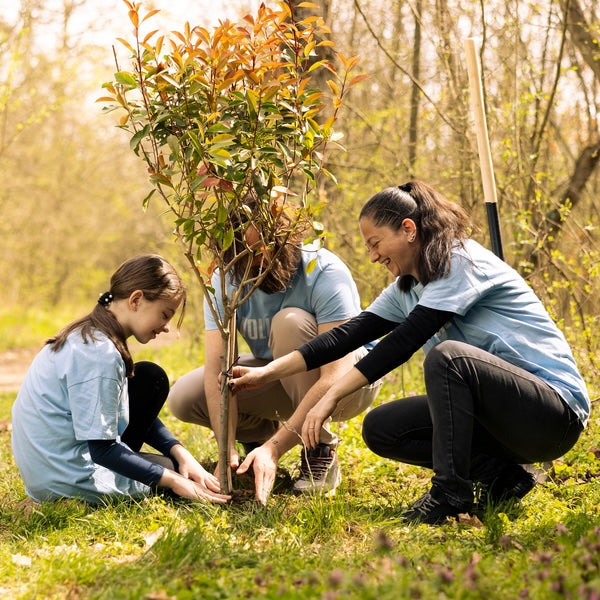
Tree Plantation for CSR - Corporate Environmental Programs | Grow Billion Trees
Tree Plantation for CSR - Transform Your Corporate Environmental ImpactTree plantation for...
-
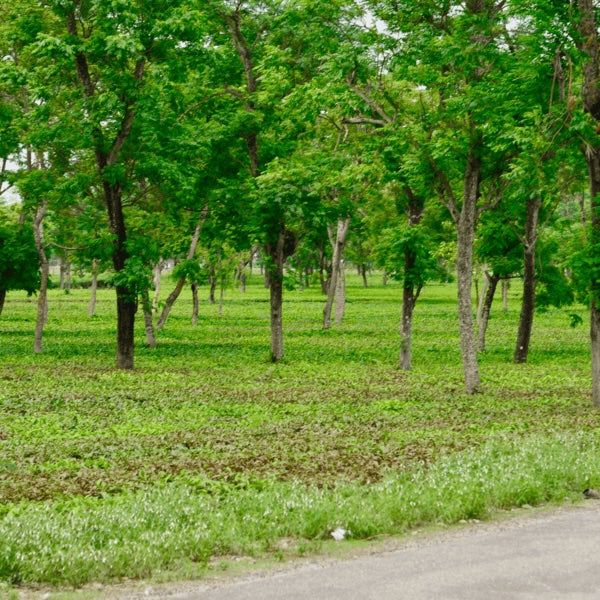
Tree Plantation for SDG - Support Sustainable Development Goals
Tree plantation for SDG initiatives represents a powerful pathway to achieving multiple...
-
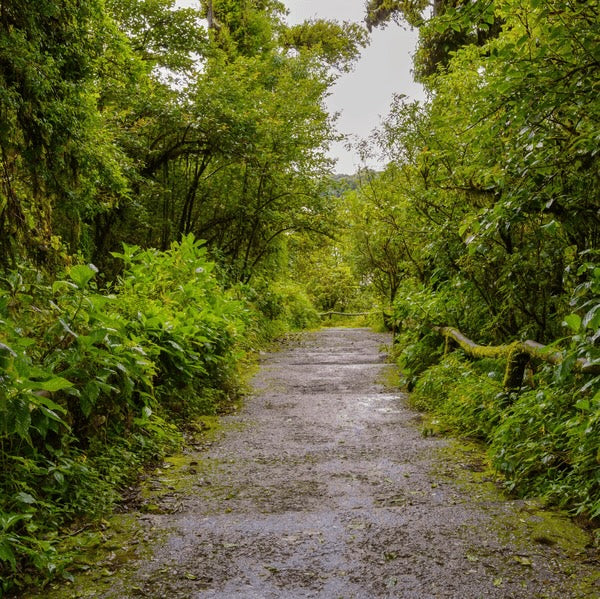
Corporate Tree Plantation Programs - Sustainable ESG Environmental Solutions for Net Zero Targets
Transform your organization's environmental impact with our comprehensive Corporate Tree Plantation Programs...
-
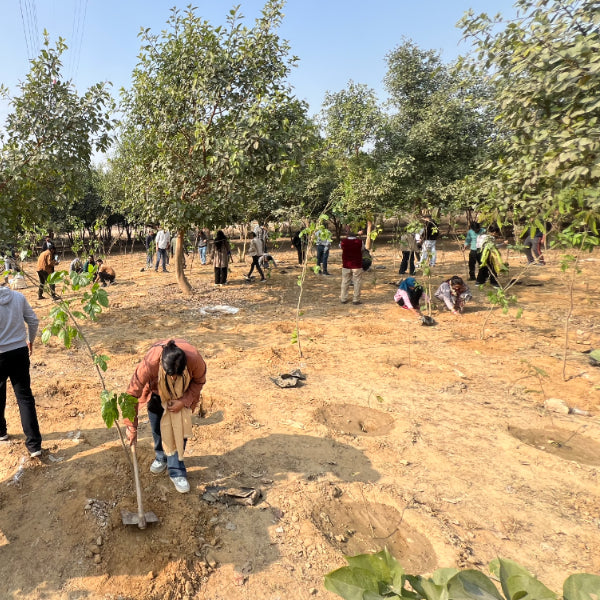
Tree Plantation by Location - Plant Trees Across India
Transform landscapes nationwide through our comprehensive tree plantation by location program. When...
Most Popular Tree Plantations - Top Choices for Environmental Impact
-
Trees for Mother
Regular price ₹ 299Regular priceUnit price per -
Trees to Honor the Memory of your Loved Ones
Regular price ₹ 299Regular priceUnit price per -
Trees for Wedding Anniversary Celebration
Regular price ₹ 299Regular priceUnit price per -
Trees for Grandmother
Regular price ₹ 299Regular priceUnit price per -
Trees for Grandfather
Regular price ₹ 299Regular priceUnit price per

Connect with us
-
👥 Corporates
If you are looking for:
- 🌲 Tree Plantation Events
- 📊 CSR Projects
📧 corporate@growbilliontrees.com
📞 +91 9699723523
💬 +91 9325931304 WhatsApp (Only)
🕒 Mon - Sat | 10am - 7pm IST
-
🧩 Tree Plantation NGOs
If you are looking for:
- 💰 Financial Assistance
- 🤝 Operational Support
📧 support@growbilliontrees.com
📞 +91 9699723523
💬 +91 9325931304 WhatsApp (Only)
🕒 Mon - Sat | 10am - 7pm IST
-
🌼 Individuals
If you are looking for:
- 👥 Group Tree Plantation Drive
- 🌳 Bulk Tree Plantation
📞 +91 9699723523
💬 +91 9325931304 WhatsApp (Only)
🕒 Mon - Sat | 10am - 7pm IST
