
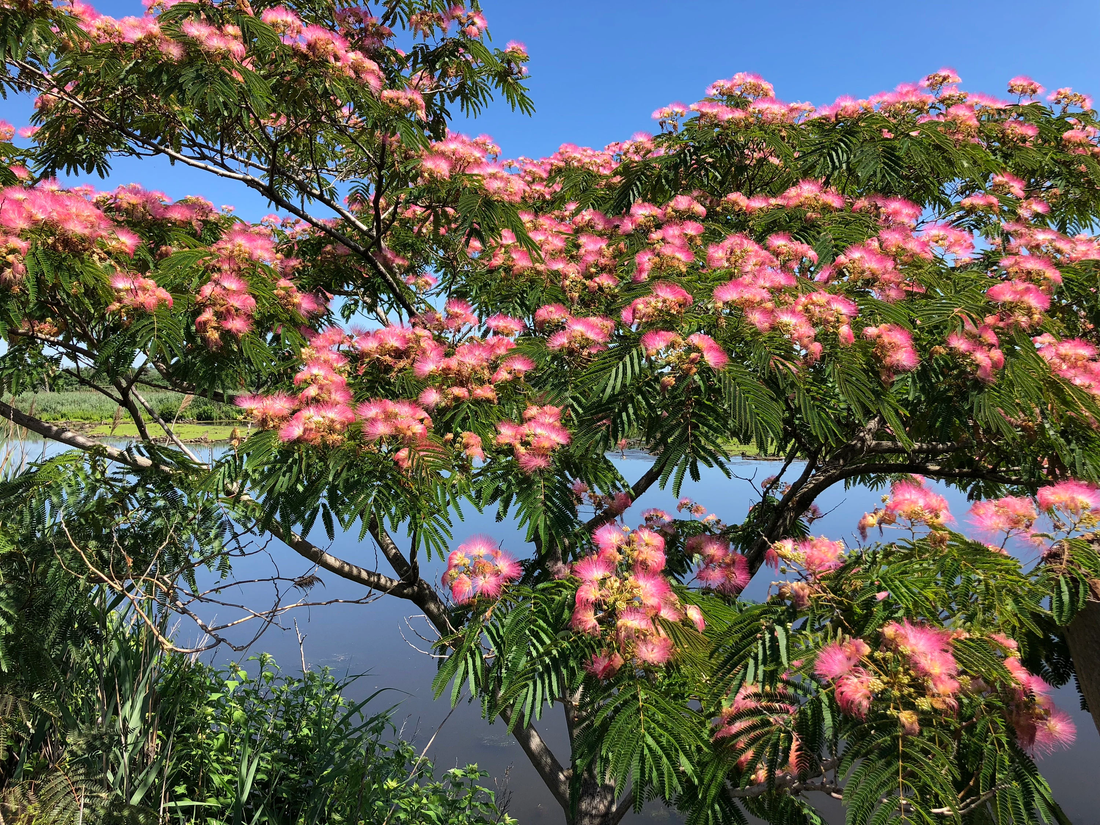
The Persian Silk Tree (Albizia julibrissin) stands as one of nature's most captivating ornamental trees, featuring magnificent pink, fluffy flowers and delicate fern-like foliage. This deciduous beauty transforms any landscape into a stunning showcas Read more
Trending Tree Plantations - Most Popular Environmental Programs
-
Trees for Mother
Regular price ₹ 299Regular priceUnit price per -
Trees to Honor the Memory of your Loved Ones
Regular price ₹ 299Regular priceUnit price per -
Trees for Women's Day (8th Mar)
Regular price ₹ 299Regular priceUnit price per -
Trees for Wedding Anniversary Celebration
Regular price ₹ 299Regular priceUnit price per -
Trees for Grandmother
Regular price ₹ 299Regular priceUnit price per

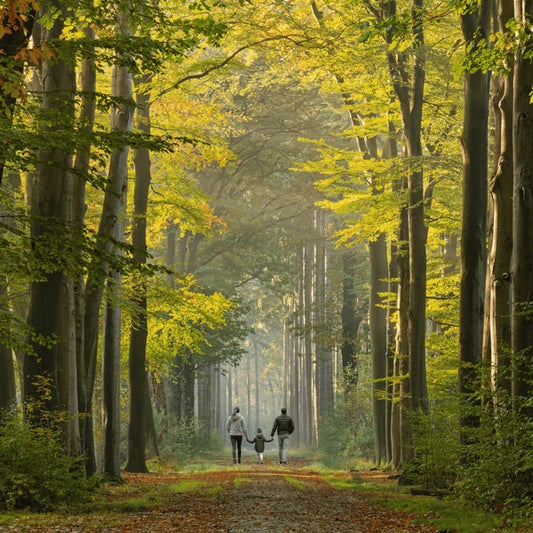



Trees for Corporates - Achieve Net Zero Targets Through Strategic Tree Planting
-
 Project Closed
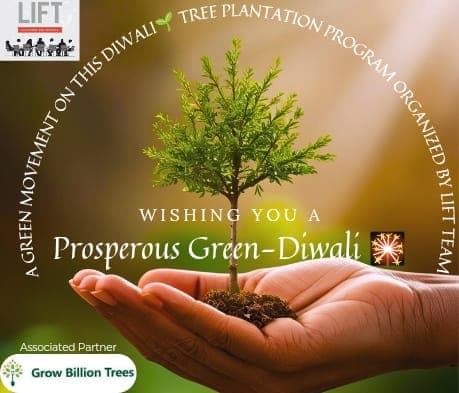
Trees by LIFT Team for Green Diwali: Transform Your Festival
Regular price ₹ 299Regular priceUnit price per -
Trees for a Greener Tomorrow - by Mahindra Lifespaces
Regular price ₹ 299Regular priceUnit price per -
Trees for Environment Day: Plant Your Impact on June 5th
Regular price ₹ 299Regular priceUnit price per -
Trees for Employees: Transform Your Corporate Culture in 2026
Regular price ₹ 299Regular priceUnit price per -
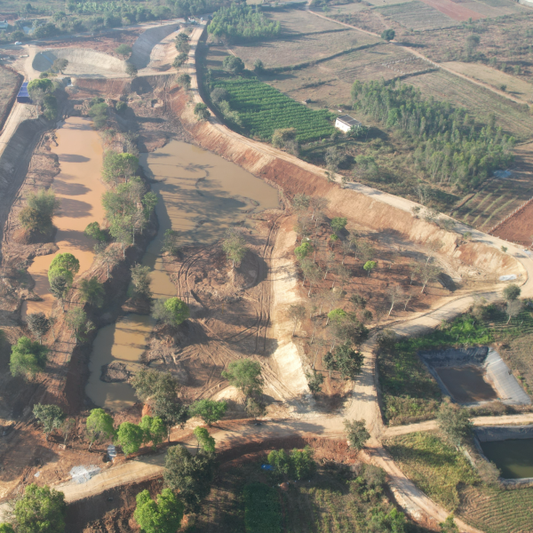 Project Closed
Trees for Bangalore: Plant Native Trees in Garden City ₹299
Regular price ₹ 799Regular priceUnit price per
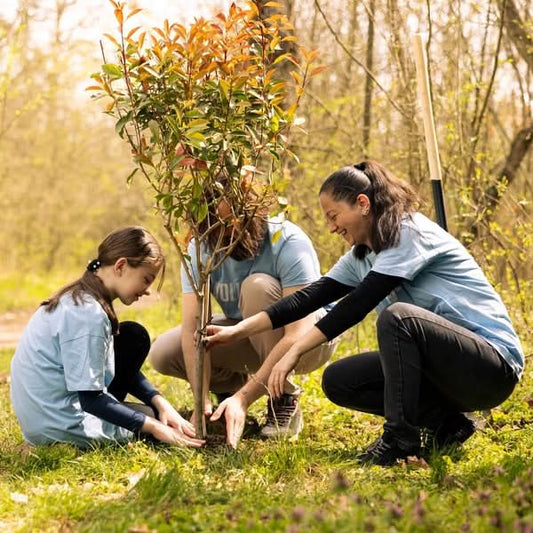
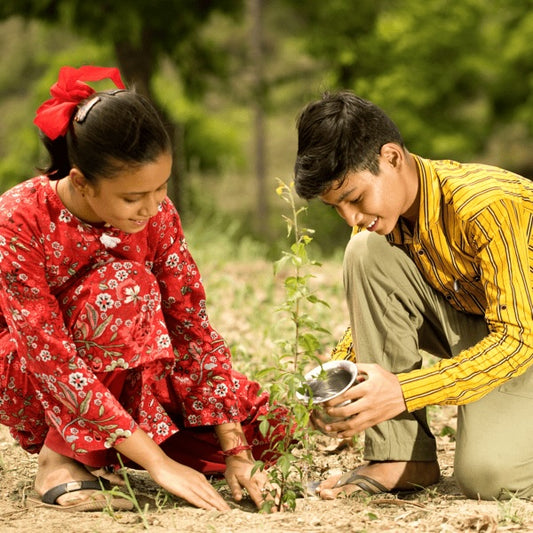

Persian Silk Tree Guide: How to Grow Nature's Pink Showstopper
The Persian Silk Tree (Albizia julibrissin) stands as one of nature's most captivating ornamental trees, featuring magnificent pink, fluffy flowers and delicate fern-like foliage. This deciduous beauty transforms any landscape into a stunning showcase while supporting local ecosystems through its nitrogen-fixing abilities and pollinator-friendly blooms.
✅ Historical Background and Cultural Significance
Native to regions across Asia including Iran, Japan, and China, the Persian Silk Tree carries centuries of cultural heritage. First introduced to Europe in the 18th century, it quickly gained popularity for its ornamental value and symbolic meaning.
In traditional Persian literature, this remarkable tree represents resilience and grace, frequently appearing in poetry and artistic works. The tree arrived in the United States during the early 19th century, becoming a beloved staple in southern and eastern gardens due to its adaptability and low maintenance requirements.
🌳 Botanical Characteristics of the Persian Silk Tree
The Persian Silk Tree showcases impressive growth characteristics that make it a standout choice for landscaping:
- Height: Reaches 20-40 feet tall with a spread of 30-50 feet
- Foliage: Compound, feathery leaves up to 12 inches long
- Flowers: Large, pink pom-pom-like blooms appearing in summer
- Root system: Nitrogen-fixing capabilities through bacterial symbiosis
The tree's most distinctive feature remains its spectacular flowers that attract essential pollinators including bees and butterflies. According to the World Wildlife Fund's forest conservation initiatives, trees like the Persian Silk Tree play crucial roles in supporting biodiversity.
💡 Optimal Growing Conditions
Successfully cultivating a Persian Silk Tree requires understanding its preferred environmental conditions:
Sunlight Requirements
The Persian Silk Tree thrives in full sun exposure, requiring at least 6 hours of direct sunlight daily for optimal flowering and growth.
Soil Preferences
Well-drained soil proves crucial for healthy development. While tolerant of poor soil conditions, the tree flourishes in sandy or loamy soils enriched with organic matter.
Watering Needs
Once established, this drought-tolerant tree requires minimal watering. However, consistent moisture during the first year promotes healthy root development.
Climate Zones
The Persian Silk Tree prefers USDA hardiness zones 6-9, thriving in warm, temperate climates with mild winters.
🌱 Step-by-Step Planting Guide
Follow these detailed steps to ensure successful Persian Silk Tree establishment:
→ Site Selection
Choose a location receiving ample sunlight with excellent drainage. Consider mature size when selecting the planting spot to avoid future conflicts with structures or utilities.
→ Soil Preparation
Amend existing soil with compost or well-rotted manure to improve fertility and drainage. Test soil pH, aiming for slightly acidic to neutral conditions (6.0-7.0).
→ Planting Process
Dig a hole twice the width of the root ball and equal depth. Position the tree ensuring the root flare sits above soil level, then backfill with amended soil.
→ Initial Care
Water thoroughly after planting and maintain weekly watering schedules during the first growing season. Apply 2-3 inches of mulch around the base.
⭐ Maintenance and Care Tips
Maintaining a Persian Silk Tree requires minimal effort with these essential practices:
Pruning Guidelines
Prune during late winter or early spring before new growth begins. Remove dead, diseased, or crossing branches while maintaining the tree's natural shape.
Pest Management
While generally pest-resistant, monitor for aphids and scale insects. Treat infestations with neem oil or insecticidal soap for effective, eco-friendly control.
Fertilization Schedule
Apply balanced fertilizer in early spring to promote vigorous growth and abundant flowering. The tree's nitrogen-fixing ability reduces fertilizer requirements compared to other ornamental trees.
🌍 Ecological Impact and Environmental Benefits
The Persian Silk Tree provides significant ecological value through multiple pathways. Its flowers serve as vital nectar sources for pollinators, while the foliage hosts various beneficial insects.
The tree's nitrogen-fixing capabilities improve soil fertility, benefiting surrounding vegetation. This aligns with United Nations Sustainable Development Goals promoting environmental sustainability and ecosystem restoration.
However, gardeners must remain aware that Persian Silk Trees can become invasive in certain regions, potentially outcompeting native species. Responsible cultivation includes monitoring growth and managing spread appropriately.
⚠️ Important Considerations
While beautiful and beneficial, Persian Silk Trees require thoughtful placement and management:
- Monitor for invasive tendencies in your region
- Consider proximity to native plant communities
- Plan for mature size when selecting planting locations
- Research local regulations regarding ornamental tree planting
🎯 Supporting Climate Action Through Tree Planting
Organizations like Grow Billion Trees are leading efforts to combat climate change through strategic tree planting initiatives. Our mission focuses on Combating Climate Change Through Collective Action by planting 100 crore trees across India.
When you Plant a tree in your Name for just ₹299, you receive comprehensive care including 4ft Tree Planting + 3 Years Care + GeoTag technology for tracking your environmental impact. This approach helps individuals and corporations achieve their Net Zero Targets while supporting biodiversity conservation.
The United Nations climate change initiatives emphasize the critical role of reforestation in addressing global environmental challenges.
🌟 Fun Facts About Persian Silk Trees
- Also known as the "Mimosa Tree" due to its silk-like flowers
- Leaves exhibit seismonastic movement, folding when touched
- Traditional medicine utilizes various tree parts for treating anxiety and inflammation
- Flowers remain fragrant throughout the blooming season
- Can live 50-100 years with proper care
Frequently Asked Questions
How fast does a Persian Silk Tree grow?
Persian Silk Trees are fast-growing, typically adding 2-3 feet per year under optimal conditions. Young trees may grow even more rapidly during their first few years.
When do Persian Silk Trees bloom?
Blooming occurs during summer months, typically from June through August, depending on your climate zone. The spectacular pink flowers last for several weeks.
Are Persian Silk Trees drought tolerant?
Yes, established Persian Silk Trees demonstrate excellent drought tolerance. However, consistent watering during the first year ensures proper root development and long-term resilience.
Do Persian Silk Trees attract wildlife?
Absolutely! The flowers attract bees, butterflies, and hummingbirds, while the seeds provide food for various bird species. The tree supports beneficial insects throughout the growing season.
Can Persian Silk Trees grow in containers?
Young Persian Silk Trees can grow in large containers temporarily, but they eventually require ground planting due to their mature size and extensive root system.
Are Persian Silk Trees invasive?
In some regions, particularly the southeastern United States, Persian Silk Trees can become invasive. Check local regulations and monitor growth to prevent unwanted spread.
What companion plants work well with Persian Silk Trees?
Native understory plants, ornamental grasses, and flowering perennials complement Persian Silk Trees beautifully while supporting local ecosystems.
How do I propagate Persian Silk Trees?
Propagation occurs through seeds or root cuttings. Seeds require scarification for better germination rates, while cuttings should be taken from healthy, mature trees.
🌿 Creating Sustainable Landscapes
The Persian Silk Tree exemplifies how ornamental landscaping can support environmental goals. By choosing trees that provide ecological benefits while enhancing aesthetic appeal, gardeners contribute to broader conservation efforts.
According to United Nations Environment Programme forest research, strategic tree planting in urban and suburban areas significantly impacts local climate regulation and air quality improvement.
When planning your landscape, consider the Persian Silk Tree's mature size, ecological benefits, and maintenance requirements. Proper planning ensures decades of beauty while supporting local wildlife populations.
Ready to transform your landscape with nature's stunning showstopper? The Persian Silk Tree offers unmatched beauty, ecological benefits, and relatively simple care requirements. Discover how Grow Billion Trees can help you create sustainable, beautiful landscapes that support both your aesthetic goals and environmental stewardship.
You may also like
-
Gift a Tree - Meaningful Environmental Gifts That Make a Difference
Transform your gift-giving with meaningful environmental gifts that create lasting impact for...
-
Trees For Shiv Ji - Sacred Tree Planting to Honor Lord Shiva
Honor Lord Shiva through sacred tree planting with Trees For Shiv Ji,...
-

Tree Plantations for Shri Ram - Sacred Devotional Planting Services
Honor Lord Shri Ram through meaningful tree plantations for Shri Ram that...
-
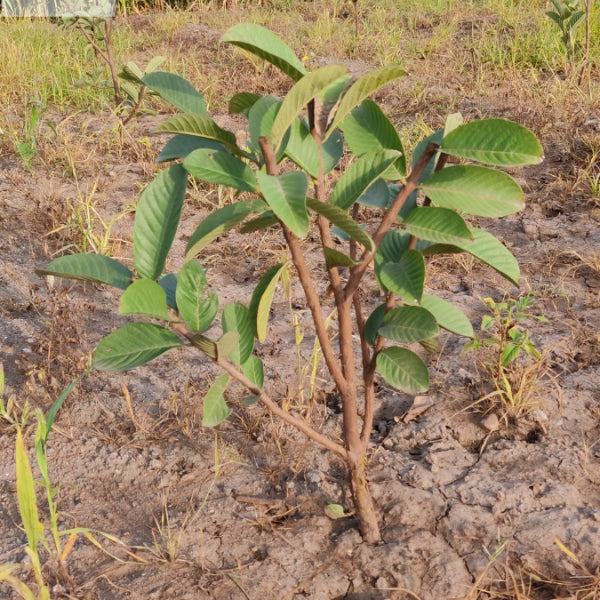
Tree Plantation on Navratri - Celebrate Divine Festivals with Environmental Devotion
Tree plantation on Navratri transforms the sacred nine-day festival into a powerful...
-
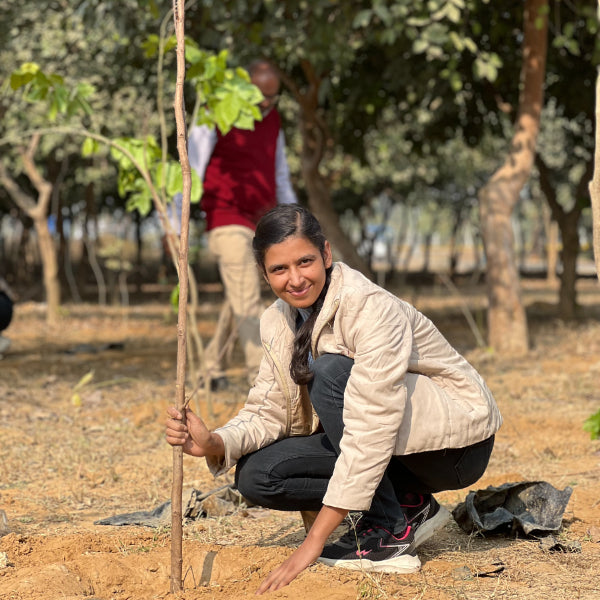
Tree Plantation by Cause - Plant Trees for Every Purpose | Grow Billion Trees
Transform your environmental impact with purpose-driven tree plantation by cause programs that...
Corporate Plantations
-
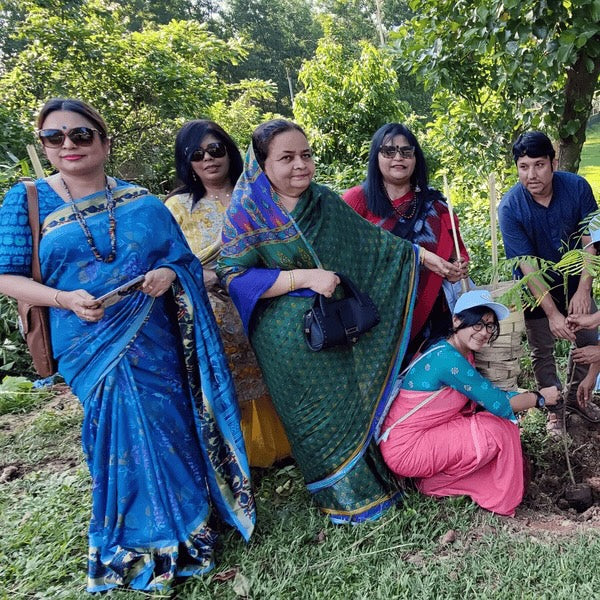
Trees for Corporates - Achieve Net Zero Targets Through Strategic Tree Planting
Trees for Corporates - Strategic Environmental SolutionsTransform your corporate environmental impact with...
-
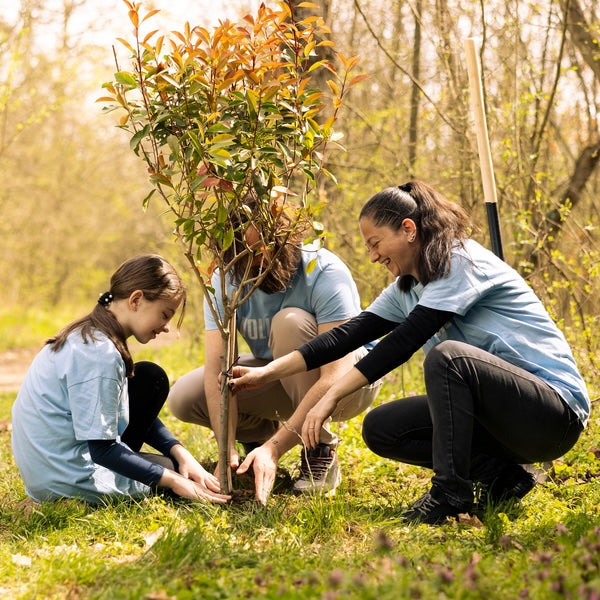
Tree Plantation for CSR - Corporate Environmental Programs | Grow Billion Trees
Tree Plantation for CSR - Transform Your Corporate Environmental ImpactTree plantation for...
-
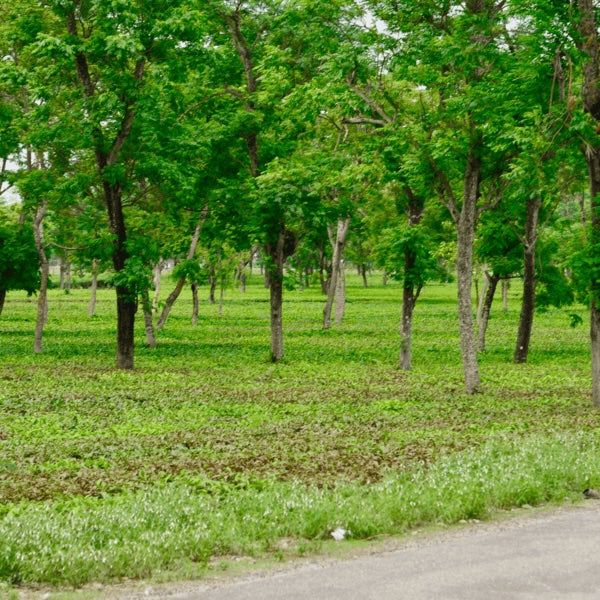
Tree Plantation for SDG - Support Sustainable Development Goals
Tree plantation for SDG initiatives represents a powerful pathway to achieving multiple...
-
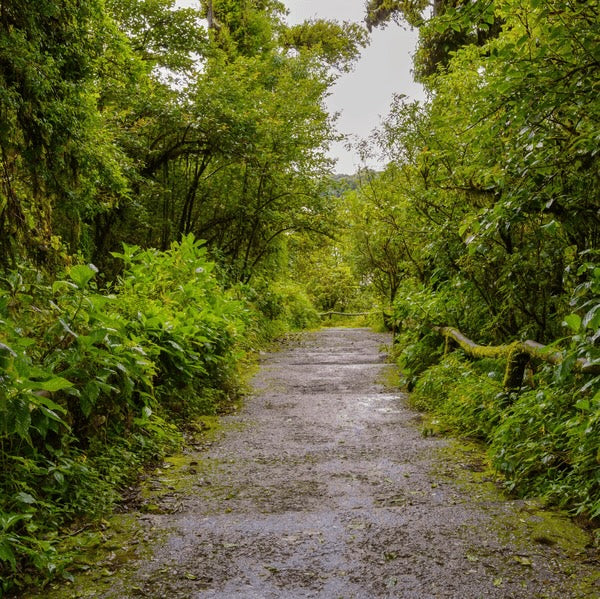
Corporate Tree Plantation Programs - Sustainable ESG Environmental Solutions for Net Zero Targets
Transform your organization's environmental impact with our comprehensive Corporate Tree Plantation Programs...
-
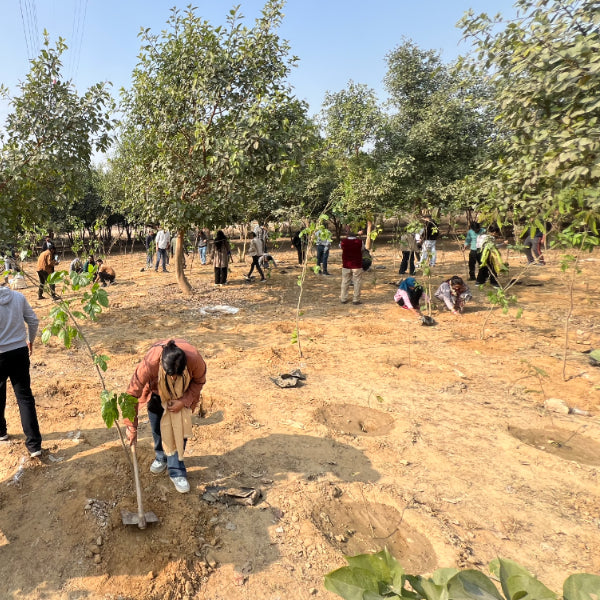
Tree Plantation by Location - Plant Trees Across India
Transform landscapes nationwide through our comprehensive tree plantation by location program. When...
Most Popular Tree Plantations - Top Choices for Environmental Impact
-
Trees for Mother
Regular price ₹ 299Regular priceUnit price per -
Trees to Honor the Memory of your Loved Ones
Regular price ₹ 299Regular priceUnit price per -
Trees for Wedding Anniversary Celebration
Regular price ₹ 299Regular priceUnit price per -
Trees for Grandmother
Regular price ₹ 299Regular priceUnit price per -
Trees for Grandfather
Regular price ₹ 299Regular priceUnit price per

Connect with us
-
👥 Corporates
If you are looking for:
- 🌲 Tree Plantation Events
- 📊 CSR Projects
📧 corporate@growbilliontrees.com
📞 +91 9699723523
💬 +91 9325931304 WhatsApp (Only)
🕒 Mon - Sat | 10am - 7pm IST
-
🧩 Tree Plantation NGOs
If you are looking for:
- 💰 Financial Assistance
- 🤝 Operational Support
📧 support@growbilliontrees.com
📞 +91 9699723523
💬 +91 9325931304 WhatsApp (Only)
🕒 Mon - Sat | 10am - 7pm IST
-
🌼 Individuals
If you are looking for:
- 👥 Group Tree Plantation Drive
- 🌳 Bulk Tree Plantation
📞 +91 9699723523
💬 +91 9325931304 WhatsApp (Only)
🕒 Mon - Sat | 10am - 7pm IST
