
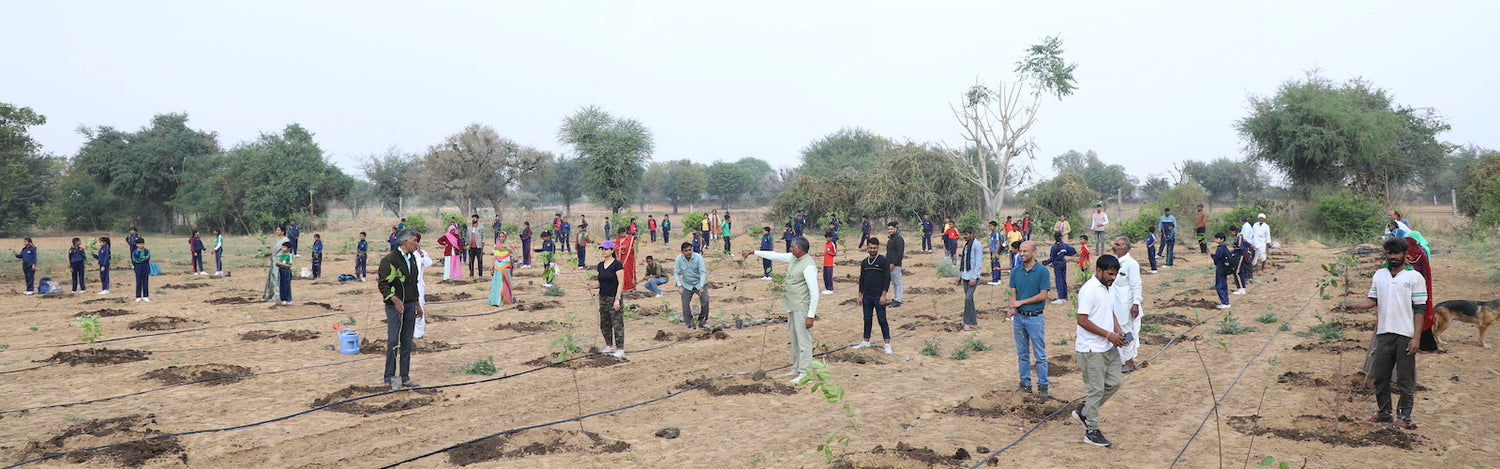
Create New Forest: Transform Landscapes with Sustainable Reforestation
To create new forest ecosystems successfully, you need proper planning, native species selection, and long-term care commitment. Our experience shows that sustainable reforestation transforms barren landscapes into thriving green spaces that combat climate change while supporting biodiversity. Welcome to your comprehensive guide on forest creation that makes a lasting environmental impact.
Forest creation represents one of the most powerful tools we have against climate change. When you plant a tree in your Name through our programs, you're contributing to the ambitious goal of planting 100 crore trees across India. Our team has witnessed firsthand how strategic forest development can restore degraded lands and create sustainable ecosystems.
✅ Understanding Forest Creation Fundamentals
Creating new forests requires understanding ecological principles and local environmental conditions. We ensure every forest project begins with comprehensive soil analysis and climate assessment. This approach guarantees higher survival rates and better long-term outcomes for your forest investment.
Native species selection forms the foundation of successful forest creation. Our partners work with local communities to identify indigenous trees that naturally thrive in specific regions. This methodology proves more effective than introducing non-native species that may struggle to establish strong root systems.
The United Nations Environment Programme emphasizes that forest restoration can significantly boost biodiversity while providing essential ecosystem services. We've found that diverse plantings create more resilient forest ecosystems compared to monoculture approaches.
🌱 Miyawaki Method: Revolutionary Forest Creation
The Miyawaki technique creates dense, native forests in minimal space with accelerated growth rates. We provide comprehensive Miyawaki forest development that grows 10 times faster than conventional methods. Our hands-on experience demonstrates this approach creates mature forest ecosystems within just three years.
This innovative method involves planting multiple native species in close proximity, mimicking natural forest succession. The technique encourages competition among plants, resulting in stronger root development and enhanced carbon sequestration. Our certified experts guarantee authentic Miyawaki implementation for maximum environmental impact.
Urban areas particularly benefit from Miyawaki forests due to their compact design and rapid establishment. Cities like Mumbai, Bangalore, and Delhi have successfully implemented these projects to improve air quality and reduce urban heat islands.
🌿 Agroforestry: Sustainable Land Use Integration
Agroforestry combines tree planting with agricultural practices, creating productive landscapes that generate income while restoring forest cover. Our agroforestry programs help farmers transform their land into sustainable food forests that boost both environmental and economic outcomes.
This approach proves particularly valuable for rural communities seeking to improve soil health and crop yields. Trees provide natural windbreaks, prevent soil erosion, and enhance water retention capacity. Our experience shows that integrated farming systems increase land productivity by up to 40%.
Food forests represent the ultimate expression of agroforestry, creating self-sustaining ecosystems that produce food while maintaining forest characteristics. These systems require minimal external inputs once established, making them ideal for long-term sustainability goals.
🌊 Mangrove Restoration: Coastal Forest Protection
Mangrove forests provide crucial protection against coastal erosion, storm surges, and climate change impacts. Our mangrove restoration projects focus on areas where these vital ecosystems have been degraded or destroyed. We ensure proper species selection based on salinity levels and tidal patterns.
These coastal forests serve as natural barriers that protect communities from extreme weather events. According to the World Wildlife Fund's forest conservation initiatives, mangroves can reduce wave heights by up to 70%, providing significant coastal protection benefits.
Mangrove ecosystems support incredible biodiversity, serving as nurseries for fish species and habitat for migratory birds. Our restoration efforts contribute to marine conservation while creating carbon sinks that help achieve net zero targets.
🏙️ Urban Forest Development
Urban forests improve air quality, reduce temperatures, and enhance quality of life in cities. Our urban forestry programs transform vacant lots, rooftops, and public spaces into green oases that benefit entire communities. We love creating accessible nature experiences within urban environments.
Strategic tree placement in urban areas can reduce energy consumption by providing natural cooling and windbreaks. Studies from 2026 show that urban forests can lower surrounding temperatures by 2-8 degrees Celsius. This cooling effect saves energy and improves comfort for residents.
Community engagement proves essential for urban forest success. We work with local groups to ensure proper maintenance and protection of newly planted areas. Our GeoTag technology allows residents to track their trees' growth and health over time.
💡 Technology Integration in Forest Creation
Modern forest creation benefits tremendously from technological advances in monitoring and maintenance. Our 4ft Tree Planting + 3 Years Care + GeoTag system provides complete transparency in forest development progress. You can monitor your tree's growth through our digital platform.
Satellite imagery and drone technology help us assess forest health and identify areas needing attention. This proactive approach ensures higher survival rates and more successful forest establishment. Our team uses these tools to optimize irrigation, pest management, and growth monitoring.
GPS tracking and digital mapping create detailed records of every planted tree, enabling precise monitoring of forest development over time. This data helps improve future planting strategies and demonstrates measurable environmental impact.
🌍 Climate Impact and Carbon Sequestration
Forest creation represents one of the most effective strategies for combating climate change through collective action. Trees naturally absorb carbon dioxide from the atmosphere, storing carbon in their biomass and soil. Our forest projects contribute significantly to carbon offset goals and net zero targets.
The United Nations climate change initiatives recognize forest restoration as a critical component of global climate action. A single mature tree can sequester approximately 22 kilograms of CO2 annually, making forest creation a powerful climate solution.
Beyond carbon storage, forests regulate local weather patterns, improve water cycles, and reduce extreme temperature fluctuations. Our experience demonstrates that new forests create microclimates that benefit surrounding areas through improved humidity and temperature regulation.
🤝 Community Engagement and Social Impact
Successful forest creation requires strong community involvement and local ownership. We ensure that local communities benefit from forest projects through employment opportunities, skill development, and ecosystem services. This approach creates lasting commitment to forest protection and maintenance.
Educational programs help communities understand forest ecosystem benefits and proper care techniques. Our sustainability education certificates provide valuable knowledge that participants can apply in their own environmental initiatives. We're happy to share our expertise with dedicated environmental advocates.
Women's participation in forest creation projects proves particularly valuable, as studies show women often demonstrate stronger commitment to environmental conservation. Our Women's Day tree planting initiatives celebrate this dedication while expanding forest coverage across India.
Frequently Asked Questions
How long does it take to create a new forest?
Forest establishment typically takes 3-5 years for initial growth, with mature forest characteristics developing over 10-20 years. Our Miyawaki method accelerates this process, creating dense forest cover within just three years through intensive planting and care protocols.
What's the cost to create new forest areas?
Forest creation costs vary based on location, species selection, and maintenance requirements. Our tree planting programs start at ₹299 per tree, including three years of comprehensive care. This investment covers everything needed for successful forest establishment.
Which tree species work best for new forests?
Native species always perform best in forest creation projects. Our experts select trees based on local climate conditions, soil types, and ecosystem requirements. Indigenous species require less maintenance and support local wildlife more effectively than non-native alternatives.
How do you ensure new forests survive and thrive?
We provide three years of comprehensive care including watering, fertilization, pest management, and health monitoring. Our GeoTag technology enables precise tracking of each tree's progress, allowing immediate intervention when issues arise.
Can individuals participate in forest creation projects?
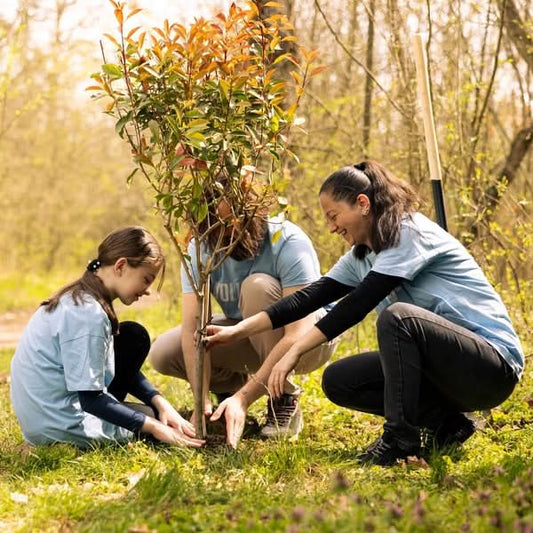
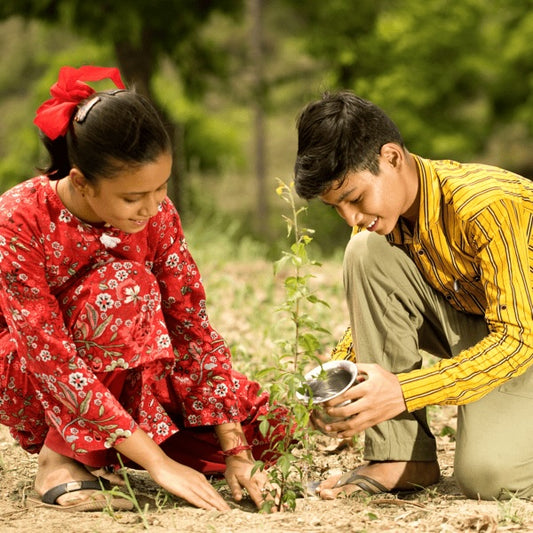
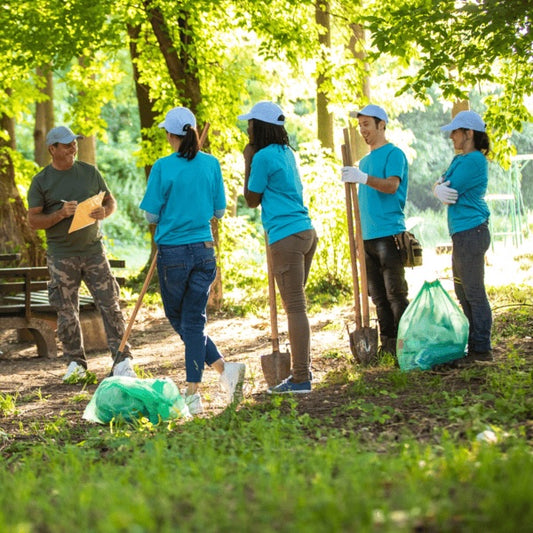
Absolutely! Our programs welcome individual participation through tree sponsorship, volunteer planting events, and adoption programs. You can plant trees for birthdays, memorials, or special occasions while contributing to larger forest creation goals.
What environmental benefits do new forests provide?
New forests improve air quality, prevent soil erosion, support biodiversity, regulate water cycles, and sequester carbon. They also provide habitat for wildlife, reduce urban heat islands, and create recreational spaces for communities to enjoy.
How does forest creation support climate change mitigation?
Forests absorb CO2 from the atmosphere, storing carbon in trees and soil. They also regulate local temperatures, improve water retention, and reduce extreme weather impacts. Forest creation represents one of the most effective natural climate solutions available.
What ongoing maintenance do new forests require?
New forests need regular watering, weeding, pest monitoring, and protection from grazing animals. Our comprehensive care programs handle all maintenance requirements for the first three years, ensuring optimal survival rates and healthy growth.Creating new forests transforms landscapes while addressing urgent environmental challenges. Our proven methodologies, from Miyawaki techniques to agroforestry integration, deliver measurable results that benefit both communities and ecosystems. Together, we can achieve the ambitious goal of planting 100 crore trees across India by 2030.Start your forest creation journey today and make a lasting environmental impact. Explore our comprehensive tree planting programs and discover how easy it is to plant a tree in your Name while contributing to sustainable reforestation efforts nationwide.
Trending Tree Plantations - Most Popular Environmental Programs
-
Trees for Birthday Celebration: Plant Meaningful Green Gifts
Regular price ₹ 299Regular priceUnit price per -
Trees for Mother
Regular price ₹ 299Regular priceUnit price per -
Trees as a Gift: Plant Hope & Create Lasting Environmental Impact
Regular price ₹ 299Regular priceUnit price per -
Trees to Honor the Memory of your Loved Ones
Regular price ₹ 299Regular priceUnit price per -
Trees for Women's Day (8th Mar)
Regular price ₹ 299Regular priceUnit price per
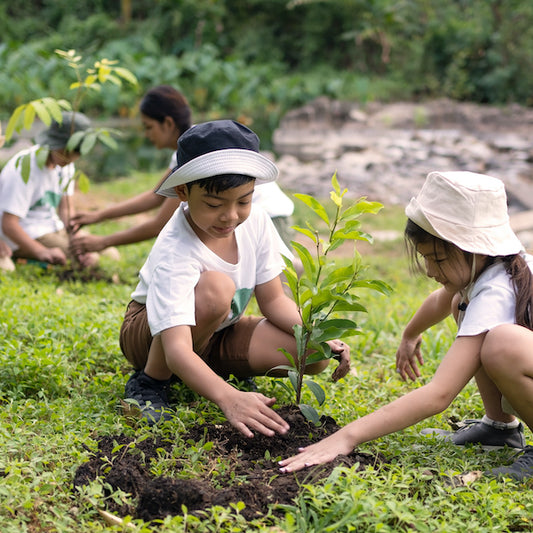

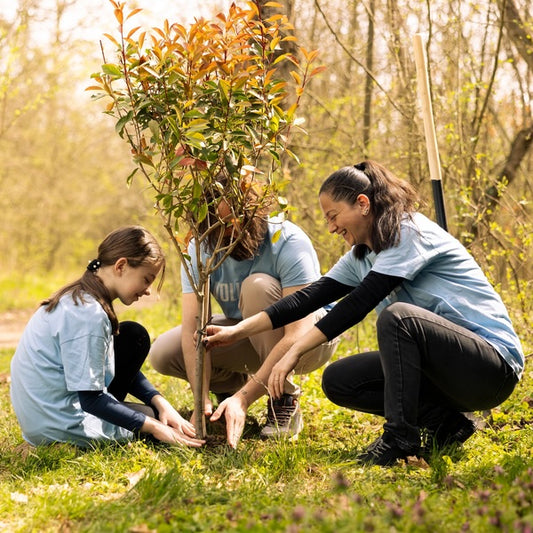

Trees for Corporates - Achieve Net Zero Targets Through Strategic Tree Planting
-
 Project Closed
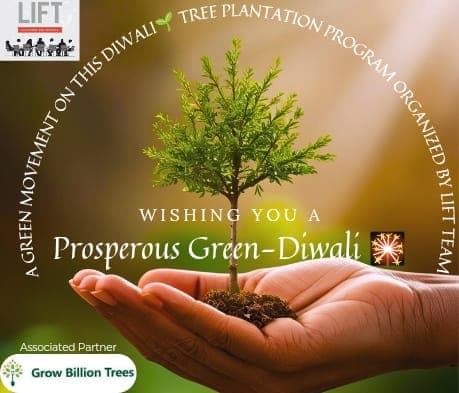
Trees by LIFT Team for Green Diwali: Transform Your Festival
Regular price ₹ 299Regular priceUnit price per -
Trees for a Greener Tomorrow - by Mahindra Lifespaces
Regular price ₹ 299Regular priceUnit price per -
Trees for Environment Day: Plant Your Impact on June 5th
Regular price ₹ 299Regular priceUnit price per -
Trees for Farmers: Sustainable Agroforestry Solutions for 2026
Regular price ₹ 299Regular priceUnit price per -
Trees for Employees: Transform Your Corporate Culture in 2026
Regular price ₹ 299Regular priceUnit price per

Popular Plantations
-
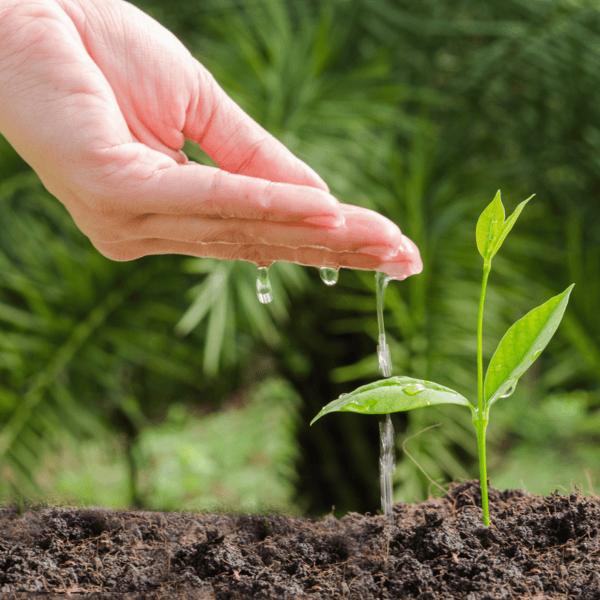
Gift a Tree - Meaningful Environmental Gifts That Make a Difference
Transform your gift-giving with meaningful environmental gifts that create lasting impact for...
-
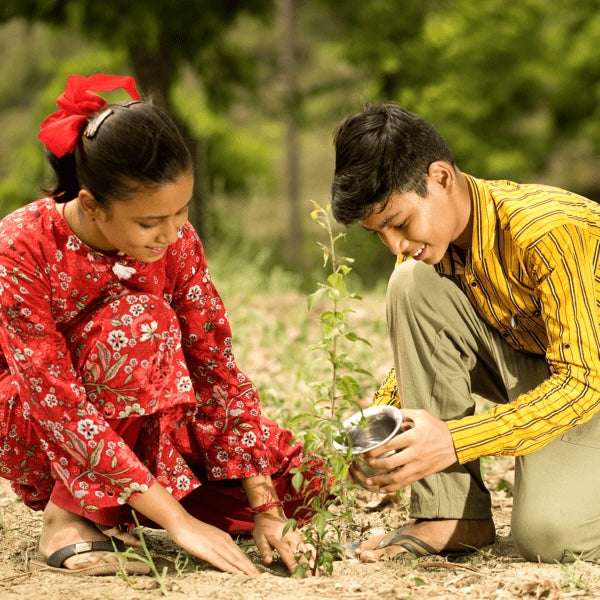
Trees For Shiv Ji - Sacred Tree Planting to Honor Lord Shiva
Honor Lord Shiva through sacred tree planting with Trees For Shiv Ji,...
-

Tree Plantations for Shri Ram - Sacred Devotional Planting Services
Honor Lord Shri Ram through meaningful tree plantations for Shri Ram that...
-
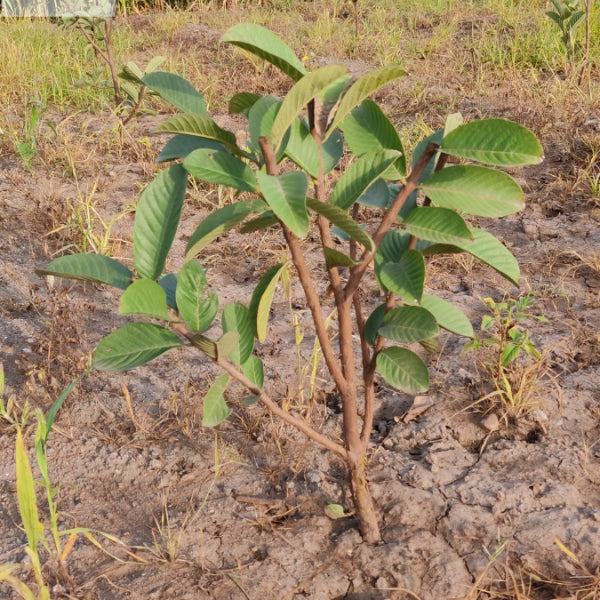
Tree Plantation on Navratri - Celebrate Divine Festivals with Environmental Devotion
Tree plantation on Navratri transforms the sacred nine-day festival into a powerful...
-
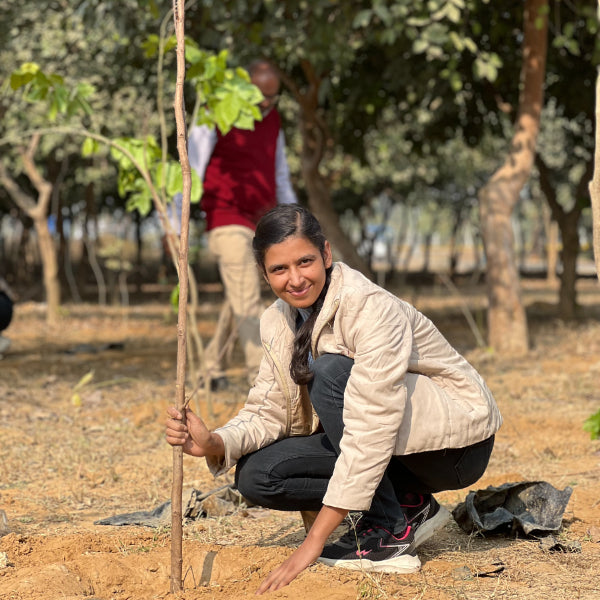
Tree Plantation by Cause - Plant Trees for Every Purpose | Grow Billion Trees
Transform your environmental impact with purpose-driven tree plantation by cause programs that...
Most Popular Tree Plantations - Top Choices for Environmental Impact
-
Trees for Birthday Celebration: Plant Meaningful Green Gifts
Regular price ₹ 299Regular priceUnit price per -
Trees for Mother
Regular price ₹ 299Regular priceUnit price per -
Trees as a Gift: Plant Hope & Create Lasting Environmental Impact
Regular price ₹ 299Regular priceUnit price per -
Trees to Honor the Memory of your Loved Ones
Regular price ₹ 299Regular priceUnit price per -
Trees for Krishna on Janmashtami - Sacred Divine Gift ₹299
Regular price ₹ 299Regular priceUnit price per