






Agroforestry
Trees that earn for farmers

Plant a tree · ₹299
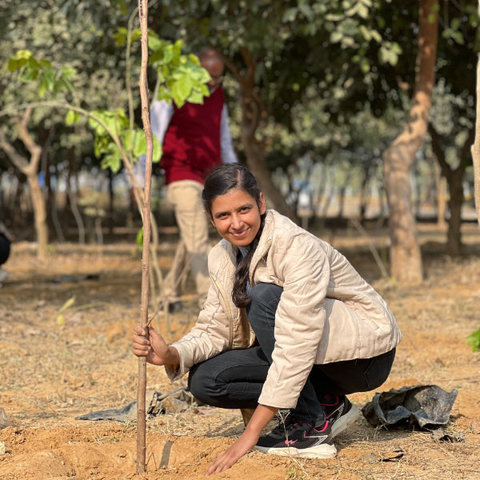
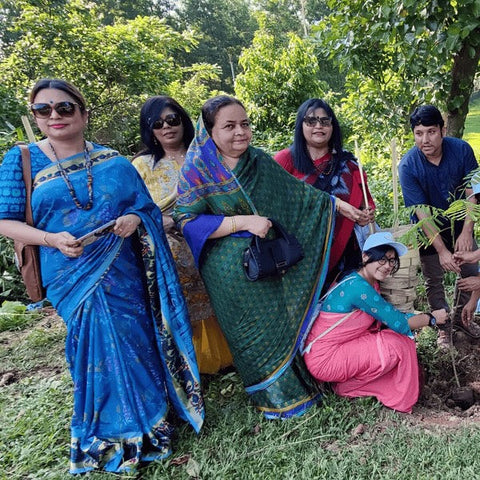
Birthdays, weddings, anniversaries, new beginnings and national days: plant a tree to mark the moment, with a certificate for the person you're celebrating.
3 years of care · Geo-tagged · Certificate for every tree · 85% survival
Occasions in the next few weeks.
Each tree is planted in their name; the certificate carries your message.
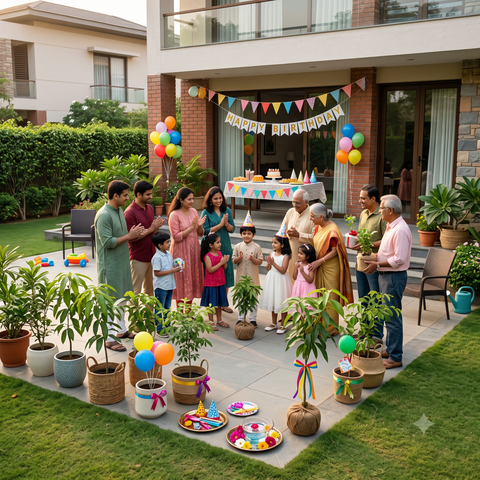 Trees forBirthday Celebration 4.6 (454)Trees for birthday celebration offer the most meaningful way to mark another year of life while nurturing our planet's future. Instead of traditional gifts that fade, planting a tree creates...₹ 299Plant now
 Trees forFather's Day 4.5 (257)Trees for Father's Day offer a wonderful way to honour your dad with a living legacy that lasts far beyond a single celebration. At Grow Billion Trees, you can Plant...₹ 299Plant now
 Trees forMother's Day 4.4 (138)Description:On this Mother's Day, take a moment to celebrate and honor the Nurturing Mothers in your life who have guided, encouraged, and loved you unconditionally. Show your appreciation and affection...₹ 299Plant now
 Trees forValentine's day 4.5 (167)Description:Make Valentine's Day special by giving the gift of a tree. Not only does it represent your love, but it also has practical benefits. Planting a tree together and sharing...₹ 299Plant now
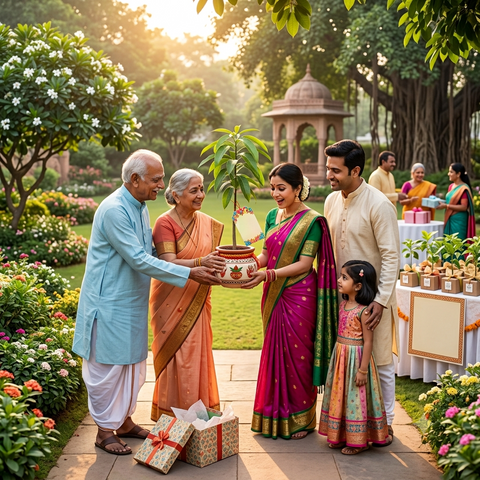 Trees as a Gift 4.6 (329)Trees as a gift represent the most meaningful way to celebrate special occasions while combating climate change through collective action. Unlike traditional presents that fade or break, gifting a tree...₹ 299Plant now
 Trees forNavratri 2026 4.7 (89)Navratri is nine nights of devotion to Maa Durga, the Goddess who is worshipped as Shakti and as Prakriti, nature itself. Planting a tree is one of the simplest ways...₹ 299Plant now
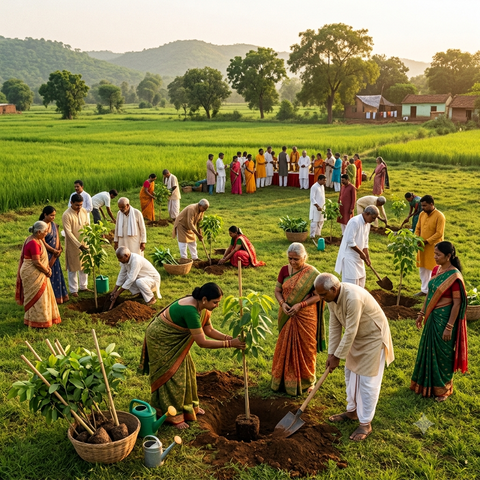 Trees to Honor the Memory of your Loved Ones 4.5 (275)Description:Honoring the memory of a loved one with a tree planting can be a powerful and enduring way to pay tribute to their life. Trees offer comfort and connection and...₹ 299Plant now
 Trees forWomen's Day 4.6 (161)Description:Let's take a moment on this Women's Day to appreciate and honor the exceptional women in our lives who have inspired, encouraged, and supported us. Reach out to these inspiring...₹ 299Plant now
 Trees forGudi Padwa 4.6 (95)Description:Tree plantation is a great way to celebrate Gudi Padwa, the Hindu New Year celebrated in Maharashtra and other parts of India. Planting trees not only helps to make the...₹ 299Plant now
 Trees forWedding Anniversary Celebration 4.6 (262)Description:"Celebrating your wedding anniversary by planting trees can be a meaningful and environmentally friendly way to honor your commitment to each other and make a positive impact on the planet.Trees...₹ 299Plant now
 Trees forFriendship 4.7 (121)Trees for friendship create lasting memories while nurturing our planet. When you plant a tree with friends, you're not just growing roots in the earth—you're cultivating bonds that thrive for...₹ 299Plant now
 Trees forNew Beginnings 4.6 (96)Description:Planting trees for new beginnings promotes community engagement, beautification, and environmental education. It improves air quality, enhances aesthetics, and fosters a sense of pride. Trees contribute to a healthier environment,...₹ 299Plant now
 Trees forPitru Paksha 4.9 (164)Trees for Pitru Paksha offer a wonderful way to honor your ancestors while nurturing our planet. This sacred Hindu tradition, observed in September-October 2026, connects spiritual reverence with environmental restoration....₹ 299Plant now
 Trees forUgadi 4.6 (85)Description:Planting trees during Ugadi also has a special spiritual significance. It is believed that planting trees during this festival helps to appease the gods and goddesses, who in turn bless...₹ 299Plant now
 Trees forEnvironment Day 4.7 (13)Welcome to the most wonderful opportunity to make a lasting difference for our planet! Trees for Environment Day on June 5th represents the perfect moment to transform your environmental consciousness...₹ 299Plant now
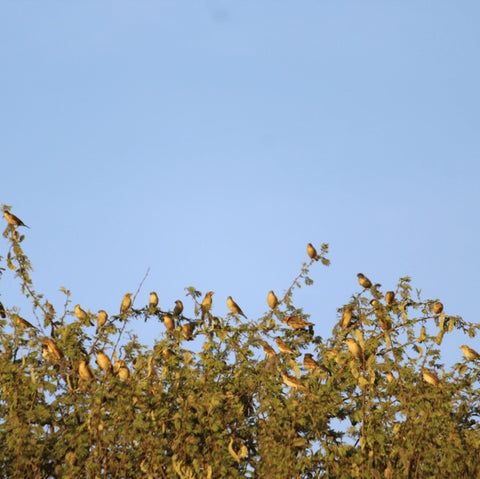 Trees forSparrows 4.9 (8)Description:Planting trees on Sparrow is a meaningful way to honor the natural world and benefit sparrows. By planting trees, we can show our gratitude for the abundance and blessings of...₹ 299Plant now
 Trees forWedding 4.6 (52)Trees for wedding ceremonies create a wonderful symbol of enduring love that grows stronger with time. This eco-friendly alternative to traditional wedding favors offers couples a meaningful way to celebrate...₹ 299Plant now
 Trees forPets 4.6 (54)Trees for Pets offers a beautiful way to honor your beloved companion's memory while contributing to environmental restoration. Our memorial tree planting service for just ₹299 creates a living tribute...₹ 299Plant now
 Trees forNew Year 2026 4.5 (58)Welcome to a wonderful new beginning! Trees for New Year 2026 offer the perfect way to start fresh while creating lasting impact. Plant a tree in your Name for just...₹ 299Plant now
 Trees forBaby Shower 4.5 (234)Trees for baby shower celebrations are the most meaningful, sustainable gifts you can give a newborn and their family. Instead of plastic toys or disposable items, a living tree connects...₹ 299Plant now
 Trees forEarth Day 4.8 (8)Trees for Earth Day represent our planet's greatest hope for combating climate change and creating a sustainable future. This year, join millions worldwide in planting trees that will grow for...₹ 299Plant now
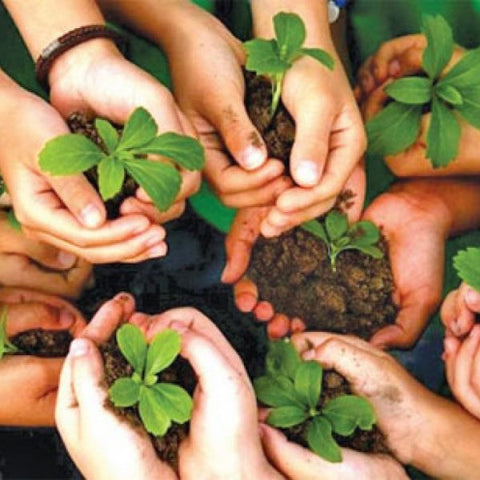 Trees forIndependence Day 4.5 (67)This Independence Day, welcome a wonderful new tradition that combines patriotic celebration with environmental action. Plant a tree in your Name for ₹299 and join the movement to plant 100...₹ 299Plant now
 Trees forDoctor's Day 4.4 (68)Celebrate Doctor's Day on July 1st with a meaningful gift that grows forever. Plant a tree in your Name for ₹299 and honor the healers who dedicate their lives to...₹ 299Plant now
 Trees forVan Mahotsav 4.6 (76)Description:Planting trees on Van Mahotsav is a great way to celebrate and take action to protect the planet. Trees play a crucial role in mitigating the impacts of climate change...₹ 299Plant now
From your order to a tree in the ground.
Add the name to go on the certificate.
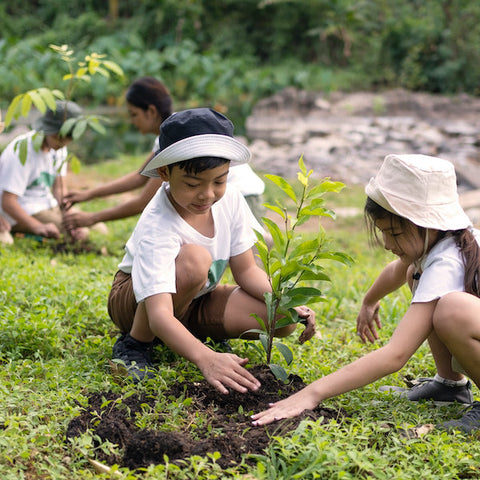
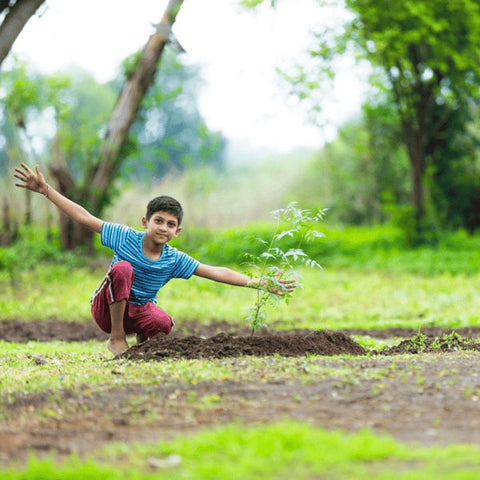
Our teams and local partners plant a 2-3 ft sapling on a project site.
The tree is recorded with its location, so you can find it.
A certificate by email, and three years of care you can follow on Track my trees.
₹299 per tree. That covers a 2-3 ft sapling, planting, three years of care and a geo-tag.
On one of our active project sites in India, chosen for the soil and climate. Your certificate shows the site, and you can see it with Track my trees.
Every tree is geo-tagged. Enter your certificate number on Track my trees to see the site and its digital forest.
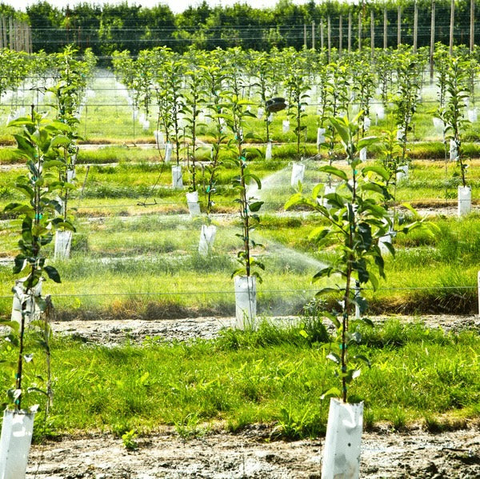
Native and useful species chosen for each site: fruit and timber trees on farms, native forest species for Miyawaki and community plantations, and mangroves on the coast.
Yes. Pick an occasion, add the name, and the person receives a tree certificate they can keep and share.
Three years: watering, weeding, protection and monitoring, so the tree is established.
Yes. For employees, clients, events or CSR, plan a programme with our team.
Saplings that fail during the three years of care are replaced. Survival across our programmes is 85%.
Transform every celebration into a lasting legacy with our certified tree plantation on occasion services. Whether you're celebrating birthdays, anniversaries, memorials, or corporate milestones, planting a tree creates a meaningful impact that grows stronger with time.
Choosing the right environmental gift can make all the difference in creating memories that last generations. Our verified tree plantation on occasion programs allow you to Plant a tree in your Name while contributing to our goal of 100 crore trees by 2030.
Every special moment deserves a gift that keeps giving back to our planet. Tree plantation on occasion services offer the perfect blend of personal meaning and environmental care that creates lasting memories.
According to the United Nations Sustainable Development Goals, sustainable forest management plays a key role in fighting climate change. When you choose tree plantation on occasion, you're not just giving a gift - you're making a statement about your values.
Each planted tree represents hope, growth, and renewal, making it the ideal way to mark life's most important moments. Your celebration becomes part of our mission of Combating Climate Change Through Collective Action.
Celebrate another year of life with a gift that will last longer than any material present. Our birthday tree plantation on occasion packages include personalized certificates and secure GeoTag tracking technology.
They come with guaranteed 3 years of professional care that ensures your birthday tree thrives. Make birthdays truly memorable by contributing to environmental restoration efforts across India.
Honor the memory of loved ones with a living tribute that grows stronger each year. Memorial tree plantation on occasion services provide comfort and create a lasting legacy that families can visit and cherish.
The United Nations Environment Programme shows how forests serve as vital carbon storage areas. Memorial plantations are both meaningful and environmentally important for our planet's future.
Mark relationship milestones with tree plantation on occasion gifts that symbolize growing love and commitment. Anniversary tree plantations create shared memories while supporting tree planting efforts across India.
Each tree represents the strength and lasting power of your bond. Your love grows alongside your planted tree, creating a beautiful parallel journey that strengthens over time.
Celebrate business achievements while advancing your company's Net Zero Targets. Our strategic tree plantation on occasion programs help organizations show environmental leadership while creating positive community impact.
Corporate tree plantation gifts demonstrate your company's commitment to sustainability. They also provide meaningful recognition for employees and business partners who value environmental responsibility.
Our tree plantation on occasion collection features diverse planting methods tailored to different environmental needs and celebration types:
Every tree plantation purchase includes our innovative 2-3ft Tree Planting + 3 Years Care + GeoTag technology package. This complete approach ensures your celebratory tree receives professional care with real-time updates on its growth and health.
Our secure GeoTag system allows you to track your tree's location and monitor its progress. You can share updates with friends and family, transforming tree plantation gifts into ongoing experiences.
Recipients can watch their trees grow through our user-friendly tracking platform. This technology connects people with their environmental impact in meaningful ways that traditional gifts cannot match.
The World Wildlife Fund reports that forests are disappearing at an alarming rate. Every tree plantation contribution is vital for restoring ecosystems and protecting our planet's future.
When you choose our verified services, you're directly supporting:
Starting your tree plantation journey is remarkably simple and affordable. For just ₹299, you can plant a tree that will grow for decades with guaranteed three years of professional care.
Our streamlined process ensures that celebrating with tree plantation on occasion is accessible to everyone. We handle all the technical aspects while you focus on creating meaningful memories with your loved ones.
Each tree plantation gift comes with a beautiful certificate that recipients can treasure forever. The combination of immediate gratification and long-term impact makes these gifts truly special for any occasion.
Ready to make your next celebration truly meaningful? Our tree plantation on occasion services are available across India, from Mumbai to Bangalore, Delhi to Chennai.
Plant a tree in your Name today and create a lasting legacy while supporting our goal of 100 crore trees by 2030. Every celebration becomes an opportunity to nurture our planet's future.
Shop now and transform your special moments into environmental action that will benefit generations to come.
About Grow Billion Trees
We plant, geo-tag and look after every tree for three years, for companies, NGOs and families.


Pick the programme that fits your land, goal and budget.
Every pin is a project with its own digital forest. Filter by programme or state, or search for a company.
Pins show the approximate area of each project, not exact plot locations. Updated 2026-10-25.
Trees for birthday celebration offer the most meaningful way to mark another year of life while nurturing our planet's future. Instead of tradition...
View full detailsDescription: Every day is Mother's Day, take a moment to celebrate and honor the Nurturing Mothers in your life who have guided, encouraged, and lo...
View full detailsTrees as a gift represent the most meaningful way to celebrate special occasions while combating climate change through collective action. Unlike t...
View full detailsDescription: Honoring the memory of a loved one with a tree planting can be a powerful and enduring way to pay tribute to their life. Trees offer c...
View full detailsWelcome to a wonderful way of celebrating Janmashtami by planting trees for Krishna! Our sacred tree planting service offers a divine gift for just...
View full detailsDescription: Let's take a moment on this Women's Day to appreciate and honor the exceptional women in our lives who have inspired, encouraged, and ...
View full detailsDescription: "Celebrating your wedding anniversary by planting trees can be a meaningful and environmentally friendly way to honor your commitment ...
View full detailsTrees for friendship create lasting memories while nurturing our planet. When you plant a tree with friends, you're not just growing roots in the e...
View full detailsDescription: Let's take a moment to honor and celebrate the wise and nurturing grandmothers in your life who have shared their love, experience, an...
View full detailsDescription: Take a moment to celebrate and honor your Grandfather who has supported, inspired, and loved you unconditionally. Show your appreciati...
View full details


