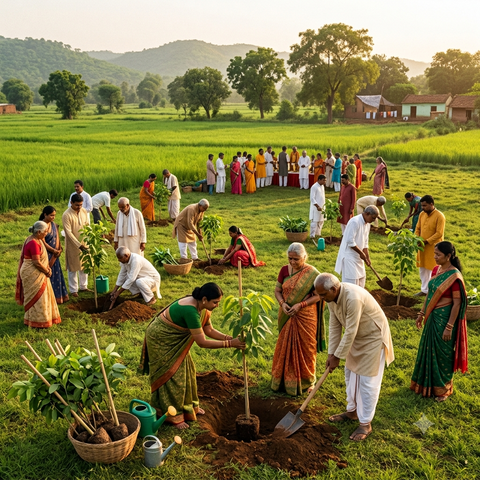
India's vibrant NGO sector stands as a beacon of hope, with thousands of organizations working tirelessly to create positive change. These top 50 NGOs in India represent the finest examples of grassroots activism, environmental conservation, and community empowerment. Our team has witnessed firsthand how these organizations transform lives and protect our planet through innovative programs and dedicated service.
From reforestation initiatives to education reform, these NGOs tackle India's most pressing challenges. They welcome volunteers, donors, and partners who share their vision of a sustainable future. We're happy to highlight organizations that have proven their impact through measurable results and transparent operations.
Leading Environmental NGOs Making a Difference
Environmental conservation tops the priority list for many of India's most impactful NGOs. These organizations combat climate change through forest restoration, wildlife protection, and sustainable development.
Grow Billion Trees leads the charge in reforestation efforts across India. The organization offers a unique approach where you can Plant a tree in your Name for just ₹299. Their comprehensive program includes 2-3ft Tree Planting + 3 Years Care + GeoTag technology to track your planted tree's growth.
The organization's ambitious goal to plant 100 crore trees by June 2030 demonstrates their commitment to Combating Climate Change Through Collective Action. They specialize in Miyawaki forests, mangrove restoration, and agroforestry programs that boost local ecosystems and farmer incomes.
According to the United Nations Environment Programme, forest restoration plays a crucial role in achieving global climate targets. Grow Billion Trees helps corporations achieve their Net Zero Targets through verified tree planting programs.
Top Education and Child Welfare Organizations
Education remains a cornerstone of India's development, with numerous NGOs working to improve access and quality. These organizations have transformed millions of lives through innovative teaching methods and community engagement.
Teach for India mobilizes young professionals to teach in low-income schools. Their two-year fellowship program has impacted over 10 million students since 2009. The organization focuses on leadership development and systemic change in education.
CRY (Child Rights and You) champions child rights across India. Founded in 1979, they work with over 400 partner organizations to ensure children's access to education, healthcare, and protection from exploitation.
Pratham stands as India's largest education NGO, serving over 60 million children. Their innovative teaching methods have proven effective in improving literacy and numeracy skills among disadvantaged children.
Healthcare and Medical NGOs Transforming Lives
Healthcare accessibility remains a significant challenge in rural India. These medical NGOs bridge the gap through innovative service delivery and community health programs.
Akshaya Patra Foundation operates the world's largest school meal program, serving over 1.8 million children daily. Their nutritious meals improve school attendance and combat malnutrition effectively.
Aravind Eye Care System combines quality care with affordability, making eye care accessible to different income levels.
Smile Foundation focuses on education, healthcare, and women empowerment. They operate in 25 states, reaching over 1.5 million beneficiaries annually through their comprehensive programs.
Women Empowerment and Social Justice Organizations
Gender equality and social justice form the foundation of sustainable development. These NGOs work tirelessly to create opportunities for marginalized communities and ensure equal rights for all.
Self Employed Women's Association (SEWA) organizes women workers in the informal economy. With over 2 million members, SEWA provides financial services, skill training, and advocacy for women's rights.
Breakthrough uses multimedia campaigns to address gender-based violence and discrimination. Their innovative approach combines technology with grassroots activism to change social norms and behaviors.
The United Nations Sustainable Development Goals emphasize the importance of gender equality in achieving global development targets. These organizations contribute significantly to SDG 5 through their dedicated work.
Rural Development and Poverty Alleviation NGOs
Rural development remains crucial for India's overall progress. These NGOs focus on sustainable livelihoods, water conservation, and agricultural innovation to improve rural communities' quality of life.
Gram Vikas works in Odisha to improve rural living conditions through water and sanitation programs.
BAIF Development Research Foundation promotes sustainable rural development through livestock development, watershed management, and organic farming. They've impacted over 6 million rural families across 15 states.
Swami Vivekananda Youth Movement operates in Karnataka's tribal areas, providing healthcare, education, and livelihood programs. Their holistic approach addresses multiple development challenges simultaneously.
✅ Criteria for Selecting Top NGOs
Our evaluation process considers several key factors when identifying the top 50 NGOs in India. We ensure these organizations meet strict standards for transparency, impact, and sustainability.
- Financial Transparency: Organizations must publish annual reports and maintain clear financial records
- Measurable Impact: NGOs should demonstrate concrete results through data and beneficiary testimonials
- Innovation: Programs should showcase creative solutions to social and environmental challenges
- Sustainability: Organizations must have long-term strategies for continued operation and growth
- Community Engagement: Effective NGOs involve local communities in program design and implementation
Technology and Innovation in NGO Operations
Modern NGOs leverage technology to improve their reach and effectiveness. Digital platforms enable better donor engagement, program monitoring, and impact measurement.
GiveIndia operates as a donation platform, connecting donors with verified NGOs, supporting organizations across India.
Many environmental NGOs now use satellite imagery and GIS mapping to monitor forest cover and track restoration progress. This technological integration ensures accountability and transparency in environmental programs.
💡 Pro Tip: When choosing an NGO to support, look for organizations that use technology to track and report their impact. This transparency indicates professional management and commitment to results.
Corporate Partnerships and CSR Collaborations
Corporate Social Responsibility (CSR) mandates have created new opportunities for NGO partnerships. Companies seeking to fulfill their CSR obligations often collaborate with established NGOs for maximum impact.
The United Nations Framework Convention on Climate Change emphasizes the role of private sector partnerships in achieving climate goals. Many top NGOs now work closely with corporations to implement sustainable development programs.
Grow Billion Trees partners with companies to help them achieve their environmental goals. Their corporate tree planting programs provide verified carbon offset opportunities while supporting local communities through employment generation.
Partnerships allow corporations to meet sustainability targets while NGOs secure funding for their programs.
Regional Focus and Specialized Programs
Many top NGOs focus on specific regions or specialized interventions. This targeted approach allows for deeper community engagement and more effective program implementation.
Coastal areas receive attention from organizations like Mangroves for the Future, which works on mangrove restoration and coastal community development. These programs address both environmental and livelihood concerns.
Urban forests and green spaces are priorities for organizations working in cities like Mumbai, Bangalore, Delhi, Chennai, and Hyderabad. These programs improve air quality and provide recreational spaces for urban populations.
Agroforestry programs combine environmental conservation with agricultural productivity. Farmers benefit from additional income streams while contributing to forest cover restoration.
⭐ Measuring NGO Impact and Effectiveness
Effective NGOs implement robust monitoring and evaluation systems to track their progress. These measurements help donors understand the real-world impact of their contributions.
Key performance indicators include:
- Number of direct beneficiaries reached
- Geographic coverage and expansion
- Cost per beneficiary served
- Long-term outcome sustainability
- Community feedback and satisfaction scores
Environmental NGOs often measure impact through metrics like trees planted, carbon sequestered, and biodiversity indices. Social organizations track education outcomes, health improvements, and income generation.
Volunteer Opportunities and Community Engagement
Many top NGOs welcome volunteers who want to contribute their time and skills. These opportunities provide hands-on experience while supporting important causes.
Volunteer programs range from short-term project assistance to long-term skill-based contributions. Environmental organizations often organize tree planting drives, beach cleaning activities, and awareness campaigns.
Volunteers gain insights into social issues while making contributions. These programs help NGOs expand their reach without proportionally increasing operational costs.
Funding Sources and Financial Sustainability
Sustainable funding remains a challenge for many NGOs. The most successful organizations diversify their revenue streams through individual donations, corporate partnerships, government grants, and earned income.
Crowdfunding platforms have democratized NGO fundraising, allowing smaller donors to contribute to causes they care about. Social media amplifies these campaigns, reaching broader audiences effectively.
Transparency in fund utilization builds donor confidence and encourages repeat contributions. Organizations that publish detailed financial reports and impact assessments typically enjoy stronger donor relationships.
Challenges Faced by NGOs in India
Despite their positive impact, NGOs face numerous challenges including regulatory compliance, funding constraints, and capacity building needs. The Foreign Contribution Regulation Act (FCRA) has particularly impacted organizations receiving international funding.
Administrative burdens often consume significant resources that could otherwise support program activities. However, the most resilient organizations adapt by improving their operational efficiency and domestic fundraising capabilities.
Competition for funding has intensified as more organizations enter the sector. This competition drives innovation and efficiency but also creates sustainability challenges for smaller NGOs.
Future Trends in India's NGO Sector
The NGO sector continues evolving with changing social needs and technological capabilities. Digital transformation accelerates program delivery and impact measurement across organizations.
Climate change concerns drive increased focus on environmental programs. Organizations like Grow Billion Trees are expanding their reach as awareness about deforestation and climate impact grows.
Collaboration between NGOs increases as organizations recognize the benefits of collective action. These partnerships leverage complementary strengths and avoid program duplication.
Frequently Asked Questions
How do I verify an NGO's credibility before donating?
Check for valid registrations, published annual reports, and third-party evaluations. Look for transparency in financial reporting and clear communication about program outcomes. Platforms like GuideStar India provide credibility assessments for registered NGOs.
What percentage of donations typically goes to program activities?
Reputable NGOs should allocate donations primarily to programs, keeping administrative costs reasonable. Organizations should clearly communicate their expense ratios to donors.
Can I visit NGO project sites to see the impact firsthand?
Many NGOs welcome donor visits and organize field trips to project sites. These visits provide valuable insights into program implementation and beneficiary experiences. Contact organizations directly to arrange visits and understand their policies.
How do environmental NGOs measure their tree planting success?
Environmental organizations use survival rates, growth measurements, and ecosystem impact assessments. Advanced NGOs like Grow Billion Trees use GeoTag technology to provide real-time updates on individual trees. Carbon sequestration calculations help quantify climate benefits.
What role do corporations play in NGO funding?
Corporate partnerships provide significant funding through CSR mandates and voluntary contributions. Companies often seek NGO partners for employee engagement programs and sustainability initiatives. These collaborations create stable funding sources for many organizations.
How can I start volunteering with environmental NGOs?
Most environmental NGOs have volunteer programs for tree planting, awareness campaigns, and administrative support. Start by contacting organizations directly or joining their social media groups. Many offer weekend activities that accommodate working professionals' schedules.
Are donations to Indian NGOs tax deductible?
Donations to NGOs with valid 80G certificates qualify for tax deductions under Indian income tax law. The deduction amount varies based on the organization's certification level. Always request donation receipts for tax filing purposes.
How do NGOs ensure long-term sustainability of their programs?
Sustainable NGOs focus on community ownership, local capacity building, and diversified funding sources. They create systems that continue functioning even after direct intervention ends. Environmental programs often include community training and ongoing maintenance protocols.
Taking Action for a Better Tomorrow
The top 50 NGOs in India represent hope and positive change in our society. These organizations prove that collective action can address even the most challenging social and environmental problems. We encourage you to explore these opportunities and find ways to contribute to causes you're passionate about.
Environmental conservation, education, healthcare, and social justice all need continued support to create lasting impact. Whether through donations, volunteering, or spreading awareness, everyone can play a role in building a better future.
Ready to make a difference? Explore tree planting opportunities and join the movement toward a greener, more sustainable India. Together, we can achieve the goal of 100 crore trees and create meaningful change for generations to come.
How to check an NGO before you donate or partner
- NGO Darpan ID: look the organisation up on NITI Aayog's NGO Darpan portal (ngodarpan.gov.in) and note its unique ID.
- Registration: confirm whether it is a registered trust, society or Section 8 company, and since when.
- 12A and 80G: 12A registration means its income is tax-exempt; 80G means your donation may be tax-deductible, with an 80G receipt.
- CSR-1 number: companies spending CSR funds through an NGO need its CSR-1 registration number from the Ministry of Corporate Affairs.
- FCRA: needed only if the NGO receives foreign contributions.
- Track record: ask for recent annual reports, audited accounts and a site visit.
Looking for a CSR implementation partner for tree plantation?
Grow Billion Trees plans and runs tree plantation programmes for companies across 14 states, with native species, three years of care and every tree geo-tagged on GreenTrack. 85% of trees survive across our programmes.
Talk to our team about a plantation programme.