


Tembhurni Tree: Revealing the Hidden Treasures of Nature’s Medicinal Powerhouse and Eco-Friendly Champion
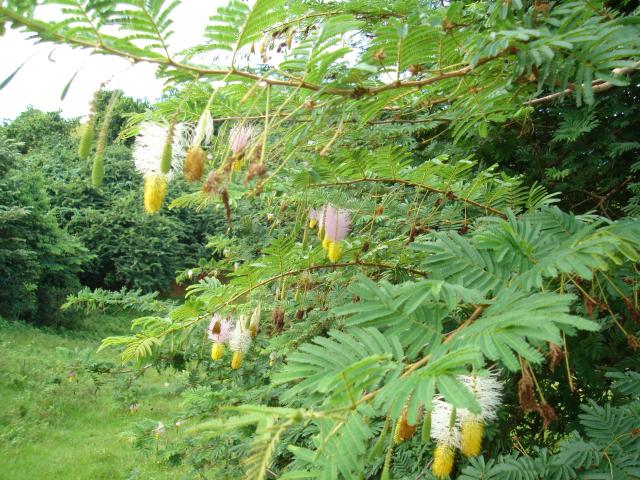
The Tembhurni Tree, scientifically known as Dichrostachys cinerea, is a hardy species native to Africa, Asia, and Australia, valued in traditional medicine for treating ailments using its roots, bark, and leaves. It thrives in poor soils and arid conditions, and historically served practical purposes for fencing, fuel, and tools.
The Tembhurni Tree, scientifically known as Dichrostachys cinerea, is a remarkable species celebrated for its medicinal properties, ecological contributions, and resilience.
Known by names like the “Sickle Bush” or “Kalahari Christmas Tree,” this versatile tree thrives in diverse climates, making it an essential part of ecosystems and traditional medicine.
From its historical significance to its modern-day applications, the Tembhurni Tree is a natural treasure waiting to be explored.
What is the Tembhurni Tree?
The Tembhurni Tree is a member of the Fabaceae family, native to tropical and subtropical regions of Africa, Asia, and Australia.
It is a thorny, deciduous tree that grows up to 7 meters tall, with feathery leaves and unique, bi-colored flowers resembling pink and yellow puffballs. Its hardy nature allows it to thrive in poor soils and arid conditions.
Historical and Cultural Significance
The Tembhurni Tree has been used in traditional medicine and agriculture for centuries. In Ayurvedic and African medicinal systems, its roots, bark, and leaves are used to treat a variety of ailments.
Its wood has been historically used for fencing, fuel, and tools, showcasing its practicality in daily life.
Fun Fact: The tree’s flowers are often compared to delicate ornaments, earning it the nickname “Kalahari Christmas Tree” in parts of Africa.
Medicinal Properties of the Tembhurni Tree
The Tembhurni Tree is a powerhouse of healing, offering numerous health benefits through its bioactive compounds like flavonoids, tannins, and saponins. Its bark, roots, and leaves have been utilized in various traditional remedies.
- Anti-inflammatory: Its bark and root extracts reduce inflammation, making it useful for arthritis and joint pain.
- Antimicrobial: The tree’s compounds combat bacterial and fungal infections, promoting wound healing and skin health.
- Respiratory Health: Its bark is used to treat coughs, colds, and bronchitis in traditional medicine.
- Digestive Aid: Its leaves and roots help alleviate stomachaches, diarrhea, and indigestion.
Scientific Backing
Research published in the Journal of Ethnopharmacology highlights the Tembhurni Tree’s antimicrobial, anti-inflammatory, and antioxidant properties.
These studies validate its traditional uses and explore its potential in modern medicine, including the development of natural antibiotics and anti-inflammatory drugs.
Environmental Impact
The Tembhurni Tree plays a significant role in promoting ecological balance and supporting biodiversity. Its adaptability and resilience make it a vital component in environmental conservation and land restoration projects.
- Soil Enrichment: As a nitrogen-fixing tree, it improves soil fertility, making it beneficial for agriculture.
- Carbon Sequestration: The tree absorbs carbon dioxide, helping mitigate the effects of climate change.
- Biodiversity Support: Its flowers attract pollinators like bees and butterflies, while its canopy provides shelter for birds and small animals.
Fun Fact: The Tembhurni Tree’s thorns act as a natural deterrent to grazing animals, protecting it from overgrazing in the wild.
Tembhurni Tree in Agriculture and Land Management
Farmers value the Tembhurni Tree for its ability to improve soil quality and provide shade. Its deep roots prevent soil erosion, making it an effective choice for land restoration in degraded areas.
The tree’s ability to grow in poor soils and arid climates makes it ideal for agroforestry and sustainable farming systems.
Planting and Caring for the Tembhurni Tree
- Soil: Thrives in well-drained, sandy, or loamy soils but can adapt to poor and compact soils.
- Sunlight: Requires full sunlight for optimal growth and flowering.
- Watering: Minimal watering is needed once the tree is established, making it highly drought-tolerant.
- Pruning: Regular pruning promotes healthier growth and prevents overcrowding of branches.
Modern Applications
Beyond its traditional uses, the Tembhurni Tree has found applications in modern industries. Its wood is used for furniture, fencing, and fuel, while its medicinal extracts are being studied for pharmaceutical and cosmetic products.
The tree’s potential as a biofuel source further highlights its versatility and importance in sustainable development.
Cultural Symbolism
The Tembhurni Tree is often seen as a symbol of resilience and resourcefulness in many cultures. Its ability to thrive in harsh conditions and provide multiple benefits makes it a representation of nature’s ability to adapt and flourish.
Conservation and Sustainability
Despite its hardiness, the Tembhurni Tree faces threats from overexploitation and habitat loss. Promoting its planting in rural and urban areas can help preserve its ecological and medicinal benefits.
Incorporating it into reforestation and agroforestry programs ensures its long-term survival and contributions to sustainability.
Conclusion
The Tembhurni Tree is a shining example of nature’s resilience and versatility. From its medicinal wonders to its environmental contributions, it stands as a testament to the power of sustainable living.
By celebrating and conserving this remarkable tree, we ensure its legacy as a medicinal powerhouse and eco-friendly champion continues to benefit future generations.
Further reading: Saja Tree: Revealing the Hidden Treasures and Healing Powers of Nature’s Timeless Guardian · Katesawer Tree: Unearthing the Hidden Marvels of Nature’s Resilient Healer and Eco-Friendly Powerhouse
Frequently Asked Questions
What is the Tembhurni Tree?
The Tembhurni Tree, scientifically known as Dichrostachys cinerea, is a thorny deciduous tree known for its medicinal properties, environmental contributions, and resilience in harsh climates.
Why is the Tembhurni Tree called an eco-friendly champion?
This tree enriches soil, prevents erosion, supports biodiversity, and sequesters carbon, making it a natural ally in combating environmental challenges.
What are the medicinal uses of the Tembhurni Tree?
Its bark, roots, and leaves treat inflammation, infections, digestive issues, and respiratory conditions, proving it’s a go-to solution in traditional medicine.
How does the Tembhurni Tree support agriculture?
As a nitrogen-fixing tree, it improves soil fertility, provides shade for crops, and prevents soil erosion, making it invaluable in sustainable farming practices.
Can the Tembhurni Tree thrive in poor soil?
Yes, this tree is a master of survival, thriving in sandy, loamy, and even compact soils, proving it’s as tough as it is useful.
Why is the Tembhurni Tree culturally significant?
Representing resilience and resourcefulness, it features in myths and traditions, often celebrated for its ability to thrive and benefit communities in tough conditions.
What modern uses does the Tembhurni Tree have?
Beyond traditional uses, its wood is used for fencing and furniture, while its medicinal extracts are studied for pharmaceutical and cosmetic innovations.
Why should we conserve the Tembhurni Tree?
Overexploitation and habitat loss threaten its survival, and conservation ensures its ecological, medicinal, and cultural benefits continue for generations.
Keep reading
 Saja Tree: Revealing the Hidden Treasures and Healing Powers of Nature’s Timeless Guardian
 Katesawer Tree: Unearthing the Hidden Marvels of Nature’s Resilient Healer and Eco-Friendly Powerhouse
 Khaya Tree: Unlocking the Majestic Secrets of Nature’s Timber Giant and Healing Marvel
 Keshiya Sayma Tree: Unveiling the Hidden Marvels and Healing Secrets of Nature’s Evergreen Treasure
 Philkan Tree: Unlocking the Mysteries and Healing Wonders of Nature’s Green Gem


Leave a comment