

Agroforestry
Trees that earn for farmers
Digital forest · Agroforestry
Transworld has long been a leader in India’s maritime and logistics sector. Headquartered in Mumbai with a legacy of over four decades, the company is known for its end-to-end logistics expertise from container shipping...

Transworld has long been a leader in India’s maritime and logistics sector. Headquartered in Mumbai with a legacy of over four decades, the company is known for its end-to-end logistics expertise from container shipping and freight forwarding to NVOCC operations, coastal movement, and integrated supply chain solutions. Guided by its core values of integrity, excellence, and responsibility, Transworld continues to drive innovation, operational efficiency, and sustainability across India, the Middle East, and Asia.
Transworld has pledged to plant 500,000 trees by 2027, marking its 50th anniversary. In partnership with Grow Billion Trees, Transworld supports the agroforestry project for ecological restoration and local livelihood generation, while enhancing soil fertility, carbon sequestration, and biodiversity. It also addresses poverty, malnutrition, and human-wildlife conflict.
As part of its strong Corporate Social Responsibility (CSR) framework, Transworld is partnering with Grow Billion Trees to launch a transformative agroforestry initiative. This large-scale project is designed to generate long-term ecological and social impact by integrating native, climate-resilient tree species into agricultural landscapes. Through the agroforest approach, the initiative supports biodiversity restoration, carbon sequestration, soil regeneration, improved groundwater retention, and healthier farm ecosystems.
Beyond environmental gains, the project places a special focus on empowering marginal farmers, helping them enhance land productivity, diversify income streams, and build greater climate resilience. By engaging farmers throughout the plantation and nurturing process, the initiative strengthens rural livelihoods and promotes inclusive development.
With this forward-thinking agroforestry project, Transworld reinforces its commitment to sustainable development, community wellbeing, and a greener future, while contributing meaningfully to India’s environmental stewardship goals.
No of Trees: 50,520 Trees
Plantation Location: Khervadi, Vadodara, Gujarat, PIN - 391761
Plantation Duration: 1st August 2025 to 30th November 2025
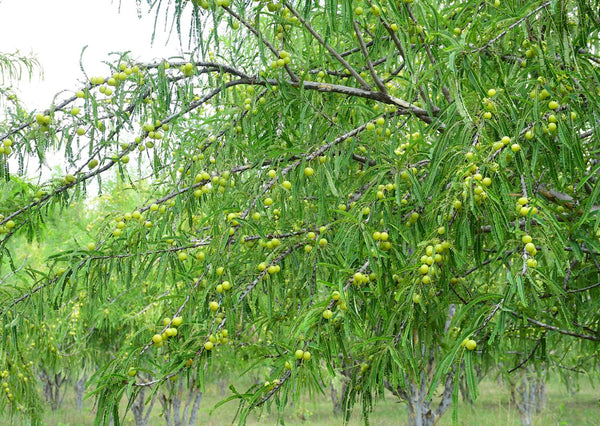
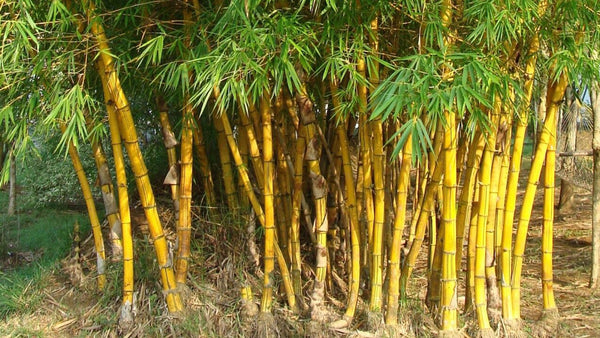
Name of Species: Guava, Chikoo, Mango, Lemon, Bamboo, Anjeer, Amla, Shisham, Jamun, Teak, Drum Stick, Custard Apple.
The initiative prioritises the planting of native and locally suitable tree species, ensuring high survival rates and promoting long-term ecological stability. By aligning tree selection with local market demand, the project enhances environmental sustainability while also creating viable livelihood opportunities for farmers. Farmer consent and participation remain central to species selection, ensuring that the chosen trees integrate seamlessly with existing agricultural practices.
The selected species offer diverse ecological and nutritional benefits. Guava and Amla are rich in vitamins and support community health. Chikoo and Custard Apple contribute to soil enrichment and enhance biodiversity. Lemon and Anjeer help improve soil conditions and act as natural pest deterrents. Mango and Jamun provide dense shade, support wildlife, and contribute significantly to carbon sequestration. Bamboo and Teak strengthen soil binding, offer long-term economic value, and serve as effective windbreaks. Shisham supports soil fertility, while Drum Stick adds high nutritional value and adapts well across varied soil types.
Overall, these species align well with agroforestry goals, fostering ecological resilience, enhancing biodiversity, and supporting community well-being.
This agroforestry initiative involves 51 farmers collectively planting 12 carefully selected sapling species integrated into existing farmland. The project aims to enhance farm productivity, strengthen livelihoods, and promote long-term ecological resilience.
For details on each farmer and their land's geolocation,
Agroforestry: The Transworld tree plantation initiative is based on the agroforestry concept, a sustainable land management practice that promotes environmental conservation while supporting local sustainability efforts. This initiative contributes to long-term ecological balance while enhancing carbon sequestration and biodiversity. Agroforestry helps improve soil health, enhance water retention, and reduce soil erosion, ensuring sustainable land use. Additionally, it reduces dependence on chemical fertilisers, fosters natural pest control, and creates microclimatic benefits, such as temperature regulation, wind protection, and shade for companion crops.
Transworld recognises agroforestry as a strategic approach to environmental sustainability, ecological restoration, and carbon footprint reduction. This initiative reinforces the company’s commitment to responsible environmental practices, contributing to a greener planet and a more sustainable future.
Advantages of Agroforestry
Increased Farmer Incomes: This approach helps in increasing the farmer’s income by as much as 3 times. Farmers benefit from diversified income sources, lifting economic resilience.
Improved Livelihoods: Agroforestry enhances farmers' resilience to economic and climate-related shocks by creating more sustainable and diversified farming systems.
Biodiversity Promotion: Agroforestry supports a diverse range of plants and animals, creating habitats for wildlife and improving ecosystem health.
Environmental Sustainability: This model reduces carbon emissions and promotes sustainable land management, aligning with SDG 13 (Climate Action) and SDG 15 (Life on Land).
Food Security: Agroforestry enhances agricultural productivity and food availability by integrating fruit-bearing trees with crops, contributing to SDG 2 (Zero Hunger).
Carbon Sequestration: Trees planted through agroforestry absorb carbon dioxide, helping reduce greenhouse gas emissions.
Climate Resilience: Agroforestry helps mitigate climate change impacts by improving land productivity and fostering biodiversity.
| Parameters | Values | References |
| No. of Trees Planted | 50,520 | |
| Carbon Sequestration Potential (KG) | 20 |
Small to medium-sized trees can sequester around 10–48 kilograms (22–106 pounds) of CO₂ annually. https://growbilliontrees.com/blogs/knowledge/how-much-co2-can-one-tree-absorb |
| Carbon Sequestration by 50,520 mature trees ( tonnes/year) | 1010 | No. of Trees x Carbon Sequestration by 1 mature trees per year |
| Carbon Credit Equivalent | 1010 | One carbon credit is equivalent to one tonne of carbon dioxide or the equivalent amount of another greenhouse gas. |
| Carbon Footprint of an avg Indian Citizen (tonnes/Year) | 1.8 | https://www.iea.org/countries/india/emissions |
| Offsets Annual Carbon Footprint of (Adults) | 561 | Carbon offset by 50,520 mature trees per year / Carbon Footprint of an avg Indian Citizen per year |
*This impact analysis is forward-looking (An agroforestry project matures in 3-5 years
| Category | No. of Trees | Production | Total Income | Establishment Period | Income Realisation Pattern |
| Fruit | 40,700 | 930.24 tonnes | ₹21,738,555 | 1-5 Years | Recurring (Annual / Multiple harvests per year) |
| Timber | 3,070 | 15,920 Cubic feet | ₹26,796,000 | 15-25 Years | One-time (at maturity / final harvest) |
| Bamboo | 6,750 | 101250 Culms | ₹2,025,000 | 3-4 Years | Recurring (Annual harvest after establishment) |
* Revenue/ Income outcomes in agroforestry depend on tree survival, varieties, density, management quality, climate conditions, and market prices; figures shown are indicative planning estimates, not assured returns.
| Fruit Trees | |||||||
| Plant Name | Fruit Selling Price (per Kg) | Annual Production per Tree (Kg) | No. of Trees Planted | Total Production per year (tonnes) | Total Revenue per year | COG's + weather/pests losses | Total Income |
| Mango | ₹45 | 40 | 11,962 | 478.48 | ₹21,531,600 | 40% | ₹12,918,960 |
| Guava | ₹35 | 30 | 955 | 28.65 | ₹1,002,750 | 40% | ₹601,650 |
| Lemon | ₹30 | 25 | 1,805 | 45.125 | ₹1,353,750 | 40% | ₹812,250 |
| Custard Apple | ₹40 | 30 | 3258 | 97.74 | ₹3,909,600 | 30% | ₹2,736,720 |
| Anjeer | ₹70 | 20 | 55 | 1.1 | ₹77,000 | 40% | ₹46,200 |
| Amla | ₹25 | 45 | 420 | 18.9 | ₹472,500 | 40% | ₹283,500 |
| Chikoo | ₹30 | 70 | 430 | 30.1 | ₹903,000 | 40% | ₹541,800 |
| Jamun | ₹30 | 35 | 480 | 16.8 | ₹504,000 | 45% | ₹277,200 |
| Drumstick | ₹30 | 10 | 21335 | 213.35 | ₹6,400,500 | 45% | ₹3,520,275 |
| Total | 40,700 | 930.245 | ₹36,154,700 | ₹21,738,555 | |||
| Timber Trees | |||||||
| Plant Name | Timber Selling Price( per Cubic Feet) |
Timber Production / Tree (Cubic feet) |
No. of Trees Planted | Total Production from 1 Harvest (Cubic feet) | Total Revenue from 1 Harvest | COG's + weather/pests losses | Total Income |
| Teak | ₹2,500 | 5 | 2,880 | 14,400 | ₹36,000,000 | 30% | ₹25,200,000 |
| Shisham | ₹1,500 | 8 | 190 | 1,520 | ₹2,280,000 | 30% | ₹1,596,000 |
| Total | 3,070 | 15,920 | ₹38,280,000 | ₹26,796,000 | |||
| Bamboo | |||||||
| Plant Name | Sellling Price/ Culm | Annual Production per Clump (Culms) | No. of Trees Planted | Total Production (Culms) | Total Revenue per Year | COG's + weather/pests loss | Total Income |
| Bamboo | ₹50 | 15 | 6,750 | 101250 | ₹5,062,500 | 30% | ₹2,025,000 |
| Total | 6,750 | 101250 | ₹5,062,500 | ₹2,025,000 | |||
Empowerment of Farmers: By providing training and resources for sustainable farming practices, agroforestry equips farmers with skills to enhance productivity and adapt to environmental changes.
Food Security: The integration of fruit-bearing trees and crops ensures a consistent food supply, improving nutrition and reducing hunger within the community.
Environmental Awareness: Community involvement in tree plantation fosters a sense of responsibility for environmental conservation and promotes sustainable practices in daily life.
Enhanced Social Equity: Agroforestry initiatives foster enhanced social equity by empowering marginalised farmers with sustainable livelihoods, bridging economic gaps, and promoting inclusive community participation in environmental conservation efforts.
Resilience to Climate Change: The diverse and sustainable nature of agroforestry helps communities mitigate the impacts of climate change, including extreme weather events, by stabilizing local ecosystems.
Health and Well-being: Green spaces created through agroforestry improve air quality and offer a healthier environment, contributing to the physical and mental well-being of the community.
Carbon Sequestration: Trees act as carbon sinks, absorbing significant amounts of CO2 from the atmosphere, helping to mitigate climate change and reduce greenhouse gas emissions.
Soil Health Improvement: Agroforestry enriches soil through organic matter from fallen leaves and roots, improving fertility, structure, and nutrient availability for crops.
Erosion Prevention: Tree roots stabilise the soil, reducing erosion caused by wind and water while protecting nearby agricultural fields and water bodies.
Biodiversity Conservation: By creating habitats for various species, agroforestry enhances biodiversity, supporting pollinators, beneficial insects, and native wildlife.
Water Cycle Regulation: Trees improve water retention, recharge groundwater levels, and reduce surface runoff, contributing to a more balanced and sustainable water cycle.
SDG 1: No Poverty – Transworld initiative supports marginalised farmers by integrating fruit-bearing trees into agricultural landscapes, creating long-term income opportunities and enhancing economic resilience.
SDG 2: Zero Hunger – Agroforestry improves soil fertility, enhances crop productivity, and promotes sustainable farming, ensuring better food security for rural communities.
SDG 3: Good Health and Well-Being – The planted trees under Transworld initiative contribute to air purification, reduced carbon emissions, and biodiversity enhancement, fostering a healthier environment for local communities.
SDG 4: Quality Education – Transworld commitment to sustainability includes empowering farmers with knowledge on sustainable land-use practices, conservation, and climate-resilient agriculture.
SDG 5: Gender Equality – By encouraging inclusive participation in agroforestry, the Transworld Agroforestry initiative supports women’s involvement in sustainable farming and economic empowerment.
SDG 6: Clean Water and Sanitation – The planted trees enhance soil moisture retention, reduce water runoff, and aid groundwater recharge, ensuring better water conservation.
SDG 8: Decent Work and Economic Growth – Transworld initiative creates jobs in tree planting, nursery management, and agro-processing, boosting local economies. Promoting sustainable agroforestry businesses fosters entrepreneurship and enhances financial resilience for farmers through diversified income sources.
SDG 9: Industry, Innovation, and Infrastructure – By supporting innovative agroforestry practices, Transworld promotes sustainable agricultural infrastructure and long-term environmental impact.
SDG 10: Reduced Inequality – Transworld initiative empowers small-scale farmers with alternative income sources and sustainable farming training, helping bridge economic disparities.
SDG 12: Responsible Consumption and Production – Transworld's commitment to sustainability ensures responsible resource use, promoting organic farming and reducing dependency on chemical inputs.
SDG 13: Climate Action – The planted trees act as carbon sinks, absorbing CO₂ emissions and helping mitigate climate change, aligning with Transworld's environmental responsibility goals.
SDG 15: Life on Land – By supporting reforestation and biodiversity conservation, Transworld actively works towards restoring ecosystems and preventing land degradation.
SDG 17: Partnerships for the Goals – Transworld collaboration with Grow Billion Trees highlights the power of strategic partnerships in driving sustainability, combining expertise, resources, and community engagement for a greener future.
Environmental Impact: Transworld tree plantation initiative integrates sustainable afforestation with ecological restoration, contributing to carbon sequestration, climate change mitigation, and improved air quality. By enhancing soil fertility, preventing erosion, and promoting groundwater recharge, the initiative ensures long-term ecological stability. The plantation also fosters biodiversity by providing habitats for wildlife and strengthening ecosystem resilience, reinforcing the company’s commitment to environmental conservation and responsible land stewardship.
Social Impact: Transworld initiative not only strengthens business relationships but also creates a lasting environmental impact by promoting sustainability through meaningful contributions to nature. By integrating trees into agricultural systems, the project supports marginal farmers through improved soil productivity and alternative income sources from fruit yields. Additionally, the project fosters women’s employment by involving them in various stages of plantation and maintenance, empowering them with sustainable livelihood opportunities. The initiative also promotes environmental awareness and social responsibility among customers and local communities, aligning business success with sustainable development.
Governance Impact: Transworld's collaboration with Grow Billion Trees highlights its dedication to ethical governance, transparency, and measurable environmental impact. This initiative follows expert-led afforestation strategies, structured execution, and adherence to sustainability standards. By ensuring accountability, responsible corporate governance, and stakeholder trust, Transworld sets a benchmark for sustainable business practices, reinforcing its commitment to corporate responsibility and environmental stewardship.
Transworld agroforestry initiative goes beyond tree plantation; it strengthens rural communities by empowering farmers, fostering collaborations, and creating sustainable livelihoods. By integrating environmental stewardship with social impact, the project nurtures a sense of shared responsibility, driving long-term benefits for both people and the planet.
Empowering Farmers: Farmers were not just involved in the plantation process; they played an essential role in ensuring the trees thrive, benefiting from sustainable agroforestry practices that provide long-term economic and ecological advantages. This initiative empowered them with knowledge, resources, and an additional source of income, reinforcing their connection to environmental conservation and sustainable agriculture.
Fostering Partnerships: The initiative brought together Transworld, Grow Billion Trees, and local farming communities, highlighting the power of collaboration in creating lasting environmental change. Through this partnership, the plantation was executed with expertise, precision, and a focus on long-term sustainability, ensuring that the trees not only grow but also contribute to biodiversity, carbon sequestration, and improved soil health.
Creating a Ripple Effect: As farmers witnessed the economic and ecological benefits of agroforestry firsthand, their enthusiasm encouraged neighbouring communities to adopt similar sustainable practices. This cascading effect expanded the initiative’s impact, turning a single project into a widespread movement for resilient and greener landscapes.
This initiative proved that environmental sustainability thrives when rooted in community effort. It’s not just about planting trees; it’s about planting hope, collaboration, and a shared vision for a greener tomorrow.
Ensuring Tree Survivability: GBT prioritizes native species, continuous monitoring, and soil health improvement using organic fertilizers. These efforts ensure sustainable growth and benefit the farmers and communities.
Transparency & Accountability: GBT provides detailed reports on tree growth, survival rates, and carbon benefits, using geo-fencing and regular updates to maintain transparency and effectiveness.
Sustainable Plantation Efforts: GBT implements projects that balance environmental, social, and economic goals, addressing urban heat islands and degraded farmlands. These efforts promote ecological balance, livelihoods, and long-term climate resilience.
Enhancing Ecosystem Health: By selecting native species and creating diverse habitats, GBT enhances biodiversity and ecosystem resilience, ensuring long-term ecological health and supporting wildlife.
Long-Term Impact: GBT’s initiatives tackle environmental challenges, enhance rural livelihoods, foster climate resilience, and promote sustainable development while reducing carbon footprints.
We at Grow Billion Trees extend our sincere gratitude to everyone who played a role in the success of the agroforestry plantation project in Khervadi, Vadodara, Gujarat. This initiative, which harmonises environmental conservation with community empowerment, would not have been possible without the collective dedication of visionary organisations and passionate individuals.
To Transworld: Your dedication to sustainability is commendable, and your commitment towards environmental sustainability through the successful plantation of 50,520 trees in Khervadi, Vadodara, Gujarat, under agroforestry. This initiative has significantly contributed to enhancing green cover, supporting marginal farmers, improving biodiversity, and promoting long-term ecological and community well-being. Transworld's dedication to responsible corporate citizenship and sustainable development is truly commendable and instrumental in building a greener and healthier future. Your involvement not only helps reduce carbon footprints but also strengthens ecosystem resilience and enhances community well-being.
To The Farmers: Your trust and commitment to adopting agroforestry practices have been inspiring. By integrating fruit-bearing and timber trees into your farming systems, you have not only enhanced the land's fertility but also contributed to sustainable agricultural practices. Your efforts to improve the ecosystem and the livelihoods of future generations are commendable. We are honoured to be part of this transformation and are excited to see the positive impact you continue to make.
To Our Ground Partners and Volunteers: Your expertise, passion, and tireless efforts have ensured the successful execution of this project. Through our collective dedication to sustainability, we have demonstrated that strategic partnerships and shared environmental responsibility can lead to tangible, long-term benefits for people and the planet.
Through this collaborative effort, we have taken meaningful steps toward restoring ecosystems, strengthening rural economies, and promoting responsible environmental stewardship. This marks the beginning of an enduring commitment to a greener, more sustainable future, and we look forward to continuing this journey together.
Thank you for your unwavering support and dedication to sustainability.
We are proud to have partnered with Transworld in their meaningful CSR initiative carried out under the agroforest concept. By integrating trees into agricultural landscapes, this project goes beyond environmental conservation to create sustainable rural development and lasting community impact.
Implemented in collaboration with Grow Billion Trees, the initiative strengthens biodiversity, enriches soil health, conserves water, and combats climate change through natural carbon sequestration. With farmers leading the plantation activities, it also fosters economic empowerment by providing additional income sources from timber and fruit-bearing trees, supporting livelihoods alongside ecological balance.
By embracing agroforestry principles, Transworld showcases how corporate responsibility can simultaneously nurture the planet and uplift communities. This initiative not only aligns with ESG and SDG goals but also sets a benchmark for sustainable business practices that leave a positive legacy for future generations.
A heartfelt thank you to all who contributed to this effort. Together, let’s continue to cultivate greener lands, stronger communities, and a more sustainable tomorrow one tree at a time.
| SN | Farmer Name | Total Sapling | Guava | Chikoo | Mango | Lemon | Bamboo | Anjeer | Awla | Shisham | Jamun | Teak | Drum Stick | Custured Apple | Farm Area(Acre) | Village Name | Google maps |
| 1 | Tripunj Patel | 12670 | 12670 | 8.70 | Kherwadi |
https://www.google.com/maps?q=22.259815,73.480655 |
|||||||||||
| 2 | Ashok bhai patel | 100 | 100 | 1.00 | Mavli |
https://www.google.com/maps?q=22.230751,73.332942 |
|||||||||||
| 3 | Nanla Torsingh | 120 | 10 | 50 | 10 | 50 | 5.00 | Nimeta |
https://www.google.com/maps?q=22.345611,73.330144 |
||||||||
| 4 | JayGovind patel | 75 | 75 | 1.00 | Mavli |
https://www.google.com/maps?q=22.234481,73.337962 |
|||||||||||
| 5 | Ramla dhodra bhai | 360 | 30 | 50 | 30 | 50 | 50 | 100 | 50 | 1.50 | vasahat |
https://www.google.com/maps?q=22.335503,73.302746 |
|||||
| 6 | Vashudev bhai patel | 50 | 50 | 1.00 | Mavli |
https://www.google.com/maps?q=22.236110,73.339183 |
|||||||||||
| 7 | Ambalal rashik vasava | 200 | 200 | 2.00 | Bhagapura |
https://www.google.com/maps?q=22.307003,73.468958 |
|||||||||||
| 8 | Dipak bhai patel | 710 | 50 | 350 | 50 | 30 | 30 | 100 | 100 | 2.00 | Mavli |
https://www.google.com/maps?q=22.236208,73.340207 |
|||||
| 9 | Jayesh bhai Patel | 220 | 170 | 50 | 5.00 | Mavli |
https://www.google.com/maps?q=22.220358,73.345012 |
||||||||||
| 10 | Prakash bhai seth | 80 | 80 | 1.00 | Madheli |
https://www.google.com/maps?q=22.256449,73.374503 |
|||||||||||
| 11 | Chandu bhai Patel | 25 | 25 | 1.00 | Mavli |
https://www.google.com/maps?q=22.234280,73.345845 |
|||||||||||
| 12 | Kishan Nayak | 1140 | 150 | 730 | 240 | 20 | 2.00 | Mohanpura |
https://www.google.com/maps?q=22.382284,73.462492 |
||||||||
| 13 | Bhilala Kalu Bhai | 130 | 20 | 50 | 10 | 50 | 5.00 | Nimeta |
https://www.google.com/maps?q=22.344953,73.324493 |
||||||||
| 14 | Kalidash bhai prajapati | 25 | 25 | 1.00 | Mavli |
https://www.google.com/maps?q=22.246091,73.345761 |
|||||||||||
| 15 | Mahesh bhai Patel | 100 | 100 | 1.00 | Mavli | https://www.google.com/maps?q=22.233529, 73.337648 |
|||||||||||
| 16 | Kunwar singh | 400 | 50 | 100 | 50 | 150 | 50 | 4.00 | Nimeta |
https://www.google.com/maps?q=22.344473,73.323665 |
|||||||
| 17 | Kirit bhai Patel | 1760 | 910 | 850 | 2.00 | Umarva | https://www.google.com/maps?q=22.266240, 73.299521 |
||||||||||
| 18 | Piyush Bhai Patel | 728 | 200 | 528 | 9.00 | Khandha |
https://www.google.com/maps?q=22.314383,73.377613 |
||||||||||
| 19 | Suryakant Patel | 1250 | 650 | 600 | 7.00 | Kherwadi |
https://www.google.com/maps?q=22.291567,73.475220 |
||||||||||
| 20 | Sabariya Khaltu | 565 | 20 | 100 | 45 | 50 | 100 | 150 | 100 | 4.00 | Nimeta |
https://www.google.com/maps?q=22.333192,73.323818 |
|||||
| 21 | Rajendra bhai Patel | 50 | 50 | 1.00 | Mavli | https://www.google.com/maps?q=22.23057, 73.333178 |
|||||||||||
| 22 | Chandrakant bhai patel | 25 | 25 | 1.00 | Mavli |
https://www.google.com/maps?q=22.237512,73.342385 |
|||||||||||
| 23 | Rabari Shankar ji | 1100 | 250 | 650 | 150 | 50 | 3.00 | Moje Waghodiya |
https://www.google.com/maps?q=22.319991,73.394252 |
||||||||
| 24 | Naran bhai patel | 25 | 25 | 1.00 | Kuvarvada |
https://www.google.com/maps?q=22.255569,73.328905 |
|||||||||||
| 25 | Vashudev patel | 100 | 100 | 1.00 | Mavli | https://www.google.com/maps?q=22.237894, 73.351237 |
|||||||||||
| 26 | Ganshyam bhai Patel | 120 | 50 | 70 | 1.00 | Mavli |
https://www.google.com/maps?q=22.239667,73.340799 |
||||||||||
| 27 | Haresh bhai Patel | 840 | 50 | 230 | 50 | 50 | 200 | 60 | 200 | 3.00 | Mavli |
https://www.google.com/maps?q=22.228215,73.334814 |
|||||
| 28 | Vijay Bhai | 420 | 50 | 250 | 50 | 50 | 20 | 2.00 | Nawa Ajwa |
https://www.google.com/maps?q=22.328535,73.389825 |
|||||||
| 29 | Uma ben | 3500 | 1000 | 2000 | 500 | 8.00 | Kherwadi |
https://www.google.com/maps?q=22,287362,73.480578 |
|||||||||
| 30 | Hasmukh bhai Patel | 75 | 65 | 10 | 1.60 | Mavli |
https://www.google.com/maps?q=22.232534,73.347862 |
||||||||||
| 31 | Jagdish bhai Patel | 25 | 25 | 1.00 | Mavli |
https://www.google.com/maps?q=22.230567,73.338396 |
|||||||||||
| 32 | Bherashiya khaltu | 150 | 50 | 15 | 10 | 50 | 25 | 2.00 | Nimeta |
https://www.google.com/maps?q=22.332412,73.323832 |
|||||||
| 33 | Satish bhai | 352 | 352 | 1.00 | Sameswarpura |
https://www.google.com/maps?q=22.324343,73.359045 |
|||||||||||
| 34 | Buddhisagar Patel | 960 | 110 | 850 | 2.00 | Khandha |
https://www.google.com/maps?q=22.318657,73.380289 |
||||||||||
| 35 | Vimal Bhai | 2100 | 60 | 50 | 10 | 1400 | 15 | 560 | 5 | 2.00 | Rasulpoora |
https://www.google.com/maps?q=22.221224,73.32823 |
|||||
| 36 | Indravadan Patel | 200 | 200 | 3.00 | Nimeta |
https://www.google.com/maps?q=22.365664,73.297712 |
|||||||||||
| 37 | Janti bhai antol Patel | 60 | 60 | 1.00 | Mavli |
https://www.google.com/maps?q=22.236152,73.345036 |
|||||||||||
| 38 | Dinesh bhai patel | 810 | 750 | 10 | 50 | 2.00 | Pipariya |
https://www.google.com/maps?q=22.287564,73.327606 |
|||||||||
| 39 | Jash Himmat Patel | 65 | 65 | 1.00 | Mavli |
https://www.google.com/maps?q=22.232284,73.333869 |
|||||||||||
| 40 | Santi Lal bhai patel | 350 | 350 | 4.10 | Madheli |
https://www.google.com/maps?q=22.252034,73.381813 |
|||||||||||
| 41 | Narendra Kumar | 3450 | 1200 | 2250 | 5.00 | Kherwadi |
https://www.google.com/maps?q=22,286436,73.4792922 |
||||||||||
| 42 | Arvind Bhai | 225 | 10 | 75 | 10 | 10 | 10 | 10 | 50 | 50 | 1.00 | Rasulpoora |
https://www.google.com/maps?q=22.230558,73.333019 |
||||
| 43 | Tarun bhai patel | 250 | 250 | 1.00 | Mavli |
https://www.google.com/maps?q=22.236053,73.339911 |
|||||||||||
| 44 | Bhaumik bhai Patel | 95 | 5 | 25 | 20 | 40 | 5 | 2.00 | Mavli |
https://www.google.com/maps?q=22.231979,73.343986 |
|||||||
| 45 | Kalpesh Patel | 1550 | 100 | 1000 | 450 | 9.00 | Rasulpoora |
https://www.google.com/maps?q=22.230811,73.326599 |
|||||||||
| 46 | Kanu bhai Patel | 530 | 30 | 400 | 50 | 50 | 1.50 | Mavli |
https://www.google.com/maps?q=22.231798,73.340005 |
||||||||
| 47 | Ashok Patel | 8300 | 8300 | 11.00 | Kherwadi |
https://www.google.com/maps?q=22.259251,73.481068 |
|||||||||||
| 48 | Harikrishna Patel | 720 | 420 | 300 | 6.00 | Anandpura |
https://www.google.com/maps?q=22.233072,73.522545 |
||||||||||
| 49 | Mahendra bhai | 320 | 5 | 300 | 5 | 10 | 1.00 | Kuvarvada | https://www.google.com/maps?q=22.46870, 73.329128 |
||||||||
| 50 | Nandlal Prajapat | 2195 | 15 | 10 | 2150 | 10 | 10 | 8.60 | Karali |
https://www.google.com/maps?q=22.204954,73.394652 |
|||||||
| 51 | Parmar Kirti Bhai | 850 | 150 | 120 | 500 | 80 | 2.00 | Limda |
https://www.google.com/maps?q=22.282089,73.35874 |
Photos from the site, from planting day onwards.
Every tree in this forest, with the name and message of the person or company who planted it.
Undisclosed contributors
The people and companies who planted this forest have chosen not to list their names.
Plan a forest for your company, school or family, with its own digital forest page.
Plan a forestAbout Grow Billion Trees
We plant, geo-tag and look after every tree for three years, for companies, NGOs and families.


Pick the programme that fits your land, goal and budget.
Every pin is a project with its own digital forest. Filter by programme or state, or search for a company.
Pins show the approximate area of each project, not exact plot locations. Updated 2026-10-20.
Trees for birthday celebration offer the most meaningful way to mark another year of life while nurturing our planet's future. Instead of tradition...
View full detailsDescription: Every day is Mother's Day, take a moment to celebrate and honor the Nurturing Mothers in your life who have guided, encouraged, and lo...
View full detailsTrees as a gift represent the most meaningful way to celebrate special occasions while combating climate change through collective action. Unlike t...
View full detailsDescription: Honoring the memory of a loved one with a tree planting can be a powerful and enduring way to pay tribute to their life. Trees offer c...
View full detailsWelcome to a wonderful way of celebrating Janmashtami by planting trees for Krishna! Our sacred tree planting service offers a divine gift for just...
View full detailsDescription: Let's take a moment on this Women's Day to appreciate and honor the exceptional women in our lives who have inspired, encouraged, and ...
View full detailsDescription: "Celebrating your wedding anniversary by planting trees can be a meaningful and environmentally friendly way to honor your commitment ...
View full detailsTrees for friendship create lasting memories while nurturing our planet. When you plant a tree with friends, you're not just growing roots in the e...
View full detailsDescription: Let's take a moment to honor and celebrate the wise and nurturing grandmothers in your life who have shared their love, experience, an...
View full detailsDescription: Take a moment to celebrate and honor your Grandfather who has supported, inspired, and loved you unconditionally. Show your appreciati...
View full details


