

Agroforestry
Trees that earn for farmers
Digital forest · Miyawaki
United Breweries Limited has taken a significant step toward environmental sustainability through its Miyawaki Forest initiative in Ghiloth, Rajasthan. As part of its CSR commitment, the company partnered with Grow Billion Trees to create...

United Breweries Limited has taken a significant step toward environmental sustainability through its Miyawaki Forest initiative in Ghiloth, Rajasthan. As part of its CSR commitment, the company partnered with Grow Billion Trees to create a dense green ecosystem, reinforcing its dedication to ecological restoration and community well-being.
Unlike conventional plantations, Miyawaki forests grow ten times faster and are thirty times denser, fostering a thriving ecosystem that enhances biodiversity and improves air quality. This initiative also contributes to the state-led afforestation efforts under the Hariyalo Rajasthan Programme.
This initiative marks a meaningful stride toward sustainable environmental development and climate action. United Breweries Limited is committed to nurturing this green space for the next three years, ensuring it evolves into a self-sustaining forest that benefits both the environment and the surrounding community.
Through this endeavour, United Breweries Limited continues to lead by example, demonstrating that responsible business practices and environmental stewardship can grow hand in hand to create a sustainable future.
No of Trees: 10,000
Plantation Location: Ghiloth, Neemrana, Kotputli-Behror, Rajasthan,301705
Plantation Duration: 17th February 2026 to 17th March 2026
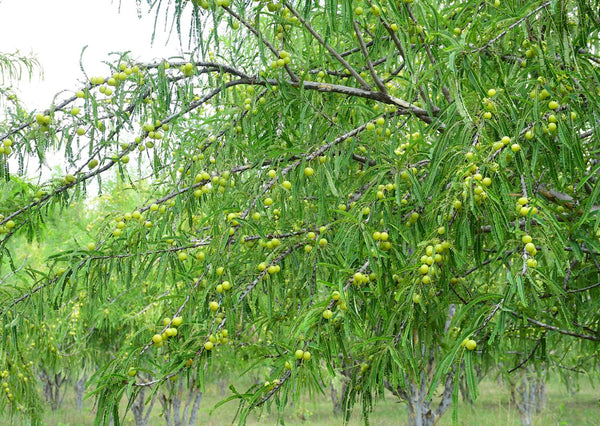
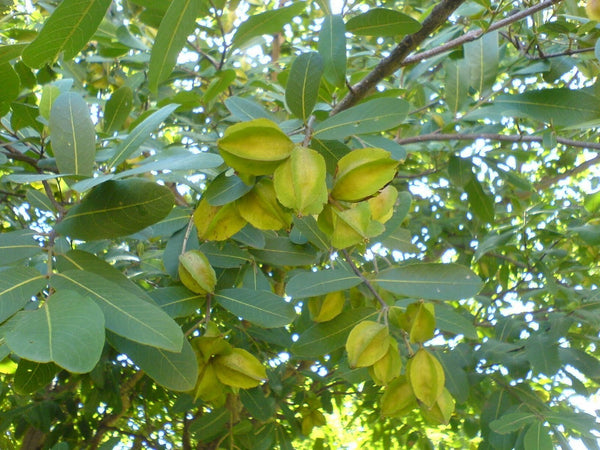
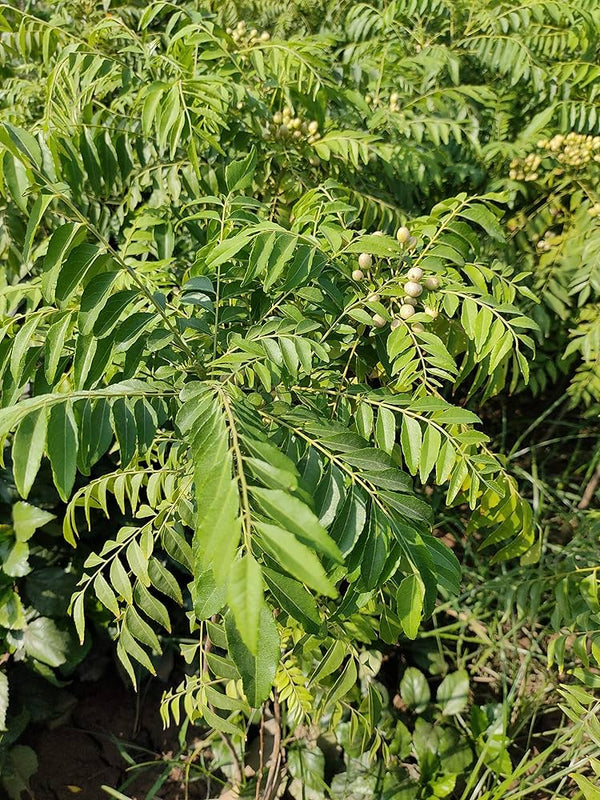
Name of Species: Jamun, Imli, Kadamba, Arjun, Mahneem, Sheesham, Mahogany, Neem, Mango, Jackfruit, Teak, Bougainvillaea, Kachnar, Saptparni, Kashid, Amaltas, Gulmohar, Guava, Jangal Jalebi, Karanj, Custard Apple, Khejri, Bamboo, Jarul (Pride of India), Safed Kher, Amla, Behada, Pomegranate, Maharukh, Molshree, Hibiscus, Kanak Champa, Kaner (Red), Lemon, Tecoma, Kaner (Yellow), Lemon Grass, and Indian Aloe
Target Population: Local community members of Ghiloth, Kotputli-Behror, Rajasthan
Age Group: Inclusive of all age groups, ensuring broad community participation
Gender: Inclusive of all genders
Social & Economic Status: Open to all social and economic backgrounds, emphasizing collective community engagement and ownership of the Miyawaki forest initiative.
United Breweries Limited has implemented the Miyawaki forest concept in Ghiloth, Kotputli-Behror, Rajasthan, to promote ecological restoration and environmental sustainability. This innovative afforestation method allows forests to grow faster and denser than conventional plantations, creating a thriving, self-sustaining ecosystem.
In collaboration with Grow Billion Trees, the designated site was transformed into a Miyawaki forest as part of the company’s CSR initiative. The project enhances biodiversity, improves air quality, reduces carbon emissions, and provides a green space for the local community. A dedicated three-year maintenance plan ensures the forest's long-term survival and growth, creating a lasting positive impact on the environment and surrounding communities.
The Miyawaki method emphasizes creating a multi-layered forest that mimics natural forests to achieve rapid growth and high biodiversity. Here are the four layers typically found in a Miyawaki forest:
Canopy Layer: This topmost layer consists of tall trees that provide the canopy. These trees are typically fast-growing, reaching heights of 15 to 30 meters or more. They offer shade and protection to the layers below.
Tree Layer: Beneath the Canopy layer is the tree layer, consisting of smaller trees and larger shrubs. These plants help fill gaps between taller trees, contributing to the dense foliage that characterizes a mature forest.
Shrub Layer: Below the canopy, the shrub layer includes smaller shrubs and bushes that provide additional structure and diversity to the forest. These plants play a vital role in attracting pollinators and providing habitat for various wildlife.
Ground Layer: The lowest layer is the ground layer, comprising ground covers, ferns, and herbaceous plants. These plants help to retain moisture, suppress weeds, and protect the soil. They also contribute to the overall biodiversity by providing habitat for insects and microorganisms.


Each layer in a Miyawaki forest serves a unique purpose and contributes to the forest's resilience, biodiversity, and ecological functionality.
Advantages of the Miyawaki Technique
Faster Growth: Vegetation grows up to 10 times faster than with conventional methods due to high-density planting, soil conditioning, and native species selection. It reaches maturity in 20-30 years instead of over a century, making it highly effective for ecological restoration.
Biodiversity Enhancement: The technique encourages a diverse mix of native species, supporting wildlife such as birds, insects, and small mammals, contributing to habitat restoration and ecosystem resilience.
Sustainability: After the initial 3 years, these green spaces become self-sustaining, requiring minimal intervention. Natural mulch helps retain moisture and suppresses weed growth, making maintenance cost-effective.
Soil Health Improvement: Organic matter decomposition enhances soil fertility while root systems aerate the ground, improving water retention and preventing erosion, especially in degraded or sloped areas.
Microclimate Regulation: The dense vegetation reduces heat absorption, increases moisture release, and combats the urban heat island effect, improving air quality and energy efficiency in nearby structures.
Space Efficiency: This method allows for high-density planting in small areas, making it ideal for urban spaces, schools, and community parks, even on degraded land.
Ecosystem Restoration: Using native species enables these forests to integrate seamlessly with local ecosystems, supporting pollinators and maintaining ecological balance.
Low Water Consumption: Once established, dense planting and bio-mulch help retain moisture, reducing the need for frequent watering and making it a sustainable solution even in water-scarce regions.
| Total Trees Planted: 10,000 | |
| Total Species Planted: 38 | |
| Layer 1 | 15 species |
| Layer 2 | 11 species |
| Layer 3 | 10 species |
| Layer 4 | 2 species |
| Layer Category | SN | Common Name | Scientific name | Total Count | Arogya Van | Oxygen Park |
|
Canopy Trees
|
1 | Jamun | Syzygium cumini | 200 | 100 | 100 |
| 2 | Imli | Tamarindus indica | 300 | 150 | 150 | |
| 3 | Kadamba | Neolamarckia cadamba | 150 | 120 | 30 | |
| 4 | Arjun | Terminalia arjuna | 300 | 200 | 100 | |
| 5 | Mahneem | Melia dubia | 300 | 180 | 120 | |
| 6 | Sheesham | Dalbergia sissoo | 300 | 170 | 130 | |
| 7 | Mahogany | Swietenia mahagoni | 500 | 300 | 200 | |
| 8 | Neem | Azadirecta India | 500 | 300 | 200 | |
| 9 | Mango | Mangifera indica | 300 | 50 | 250 | |
| 10 | Jackfruit | Artocarpus heterophyllus | 300 | 150 | 150 | |
| 11 | Teak | Tectona grandis | 400 | 50 | 350 | |
| 12 | Bougainvillea | Bougainvillea spectabilis | 20 | 10 | 10 | |
| 13 | Kachnar | Bauhinia variegata | 50 | 25 | 25 | |
| 14 | Saptparni | Alstonia scholaris | 200 | 100 | 100 | |
| 15 | Kashid | Cordia dichotoma | 400 | 250 | 150 | |
|
Trees
|
16 | Amaltas | Cassia fistula | 50 | 25 | 25 |
| 17 | Gulmohar | Delonix regia | 300 | 70 | 230 | |
| 18 | Guava | Psidium guajava | 400 | 300 | 100 | |
| 19 | Jangal Jalebi | Pithecellobium dulce | 400 | 50 | 350 | |
| 20 | Karanj | Pongamia pinnata | 400 | 250 | 150 | |
| 21 | Custard Apple | Annona squamosa | 50 | 25 | 25 | |
| 22 | Khejri | Prosopis cineraria | 400 | 350 | 50 | |
| 23 | Bamboo | Bambusa Bamboos | 200 | 100 | 100 | |
| 24 | Jarul-Pride of India | Lagerstroemia speciosa | 200 | 100 | 100 | |
| 25 | Safed Kher | Acacia leucophloea | 400 | 50 | 350 | |
| 26 | Amla | Phyllanthus emblica | 300 | 250 | 50 | |
|
Shrubs
|
27 | Behada | Terminalia bellirica | 200 | 150 | 50 |
| 28 | Pomegranate | Punica granatum | 200 | 50 | 150 | |
| 29 | Maharukh | Ailanthus excelsa | 300 | 180 | 120 | |
| 30 | Molshree | Mimusops elengi | 100 | 60 | 40 | |
| 31 | Hibiscus | Hibiscus rosa-sinensis | 80 | 40 | 40 | |
| 32 | Kanak Champa | Pterospermum acerifolium | 250 | 125 | 125 | |
| 33 | Kaner-Red | Nerium oleander | 300 | 150 | 150 | |
| 34 | Lemon | Citrus limon | 250 | 100 | 150 | |
| 35 | Tecoma | Tecoma stans | 350 | 50 | 300 | |
| 36 | Kaner-Yellow | Nerium oleander | 200 | 30 | 170 | |
|
Herbs & Groundcover
|
37 | Lemon Grass | Cymbopogon citratus | 400 | 350 | 50 |
| 38 | Indian Aloe | Aloe vera | 50 | 40 | 10 | |
| Total | 10,000 | 5,050 | 4,950 | |||
During the tree plantation drive organized by Grow Billion Trees in collaboration with United Breweries Limited, the initiative witnessed enthusiastic participation from employees and stakeholders, coming together for a shared environmental purpose. Held from 9th to 15th March 2026, the event served as a meaningful platform to promote sustainability and collective action.
Before the plantation, the site at Ghiloth was meticulously prepared, with pits pre-dug and enriched with organic manure to ensure optimal planting conditions. This groundwork helped improve sapling survival rates and supported healthy early growth. The drive commenced with a brief orientation and reflection session, encouraging participants to connect with nature and understand the long-term impact of their efforts.
With great enthusiasm and teamwork, participants took part in planting and watering a total of 10,000 saplings, comprising a diverse mix of native and ecologically significant species. The hands-on involvement fostered a strong sense of ownership, environmental responsibility, and team spirit, reinforcing United Breweries Limited’s commitment to sustainability and ecological restoration.
The event concluded with a vibrant group photo session, celebrating the collective achievement and the creation of new green spaces such as Arogya Van and Oxygen Park. Participants also shared reflections on the experience, followed by a collective pledge to support environmental conservation and contribute towards building a greener, more sustainable future.
| Parameters | Values | References |
| No. of Trees Planted | 10,000 | |
| Green Cover (Acres) | 0.77 | |
| Carbon Sequestration Potential (KG) | 5 |
Small to medium-sized trees can sequester around 10–48 kilograms (22–106 pounds) of CO₂ annually. https://growbilliontrees.com/blogs/knowledge/how-much-co2-can-one-tree-absorb |
| Carbon Sequestration by 10000 mature trees ( Tons/year) | 50 tons | No. of Trees x Carbon Sequestration by 1 mature trees per year |
| Carbon Credit Equivalent | 50 | One carbon credit is equivalent to one tonne of carbon dioxide or the equivalent amount of another greenhouse gas. |
| Carbon Footprint of an avg Indian Citizen (Tons/Year) | 1.8 | https://www.iea.org/countries/india/emissions |
| Offsets Annual Carbon Footprint of (Adults) | 28 | Carbon offset by 10000 mature trees per year / Carbon Footprint of an avg Indian Citizen per year |
*This impact analysis is forward-looking (A miyawaki Forest project matures in 3-5 years)
Environmental Awareness: Involving local communities in the plantation drive fosters greater awareness about environmental conservation and encourages sustainable practices in daily life.
Employee Morale & Engagement: The initiative instilled a sense of pride, ownership, and teamwork, strengthening employees' connection to the company’s sustainability goals and fostering a culture of environmental responsibility.
Inspiration for Change: By showcasing the rapid, dense growth of Miyawaki forests, this project has inspired organizations, institutions, and local communities to adopt this innovative afforestation method, thereby encouraging widespread urban greening and ecological restoration.
Cultural Shift: The initiative cultivated a long-term sustainability mindset, encouraging participants to become advocates for green practices in both their personal and professional lives.
Enhanced Community Collaboration: Strengthened ties between corporate stakeholders, local authorities, and environmental groups, creating a collaborative approach to sustainability.
Biodiversity Conservation - By introducing native plant species, the project supports local wildlife, including birds, insects, and pollinators, thereby fostering a healthier, more diverse ecosystem.
Carbon Sequestration – The planted trees act as natural carbon sinks, absorbing carbon dioxide and helping mitigate climate change by reducing greenhouse gas emissions.
Air Purification – Trees filter pollutants such as carbon monoxide, nitrogen oxides, and particulate matter, improving air quality and promoting a healthier environment.
Microclimate Regulation – The plantation reduces the urban heat island effect, cooling the surrounding area and helping regulate temperatures, making urban environments more comfortable.
Water Conservation - The bio-mulch created by the plantation helps retain soil moisture, reducing the need for frequent watering and promoting more efficient water use across the ecosystem.
Soil Health Improvement – The plantation enriches soil fertility by adding organic matter, improving soil structure, and supporting surrounding vegetation.
Erosion Prevention – Tree roots stabilize the soil, preventing erosion from wind and water and helping protect infrastructure, roads, and green spaces.
SDG 3 (Good Health and Well-Being): Tree plantations and Miyawaki forests improve air quality and provide natural spaces that support physical and mental well-being. United Breweries Limited’s efforts enhance public health by creating greener, healthier environments for communities, contributing to overall well-being.
SDG 6 (Clean Water and Sanitation): Tree plantations play a vital role in water conservation by improving groundwater recharge, reducing surface runoff, and naturally filtering water. These initiatives support sustainable water management, helping ensure cleaner, healthier water systems in rural and semi-urban areas.
SDG 8 (Decent Work and Economic Growth): The farmer engagement program, where communities actively participate in tree planting, fosters a culture of sustainability. This initiative aligns with United Breweries Limited’s commitment to environmental responsibility, promotes sustainable livelihoods, and contributes to economic growth in the local community.
SDG 9 (Industry, Innovation, and Infrastructure): The plantation initiatives employ innovative techniques, including agroforestry integration, Miyawaki forests, and the selection of native species. These practices enhance land-use efficiency and ecological infrastructure, fostering eco-friendly innovations in environmental management.
SDG 10 (Reduced Inequalities): The initiatives promote inclusivity by involving diverse stakeholders, including small-scale and marginalized farmers, in the implementation and maintenance of plantations. This approach ensures equitable benefits and opportunities, reducing social and economic disparities.
SDG 11 (Sustainable Cities and Communities): Through Miyawaki and agroforestry initiatives, United Breweries Limited helps build more resilient and sustainable communities. The trees mitigate air pollution, reduce local heat island effects, and improve living conditions, fostering a more sustainable environment.
SDG 12 (Responsible Consumption and Production): United Breweries Limited's tree-planting efforts emphasize sustainable resource management. By planting native and fruit-bearing trees, the company promotes environmental responsibility, ensuring that production and land-use practices align with global sustainability standards.
SDG 13 (Climate Action): By planting trees across project sites, United Breweries Limited directly addresses climate change. The trees sequester carbon dioxide, helping to mitigate the company’s carbon footprint and contributing to broader climate action efforts.
SDG 15 (Life on Land): United Breweries Limited's initiatives protect and restore ecosystems, promote biodiversity, and support sustainable land use. These efforts conserve terrestrial ecosystems and improve the health of natural habitats in rural areas.
SDG 16 (Peace, Justice, and Strong Institutions): The initiative fosters community-led governance and inclusive decision-making, ensuring transparency and collaboration among stakeholders. This approach strengthens local institutions and supports sustainable development in the project areas.
SDG 17 (Partnerships for the Goals): Through strategic collaboration with Grow Billion Trees, United Breweries Limited has successfully implemented tree plantation and agroforestry initiatives, promoting sustainable land-use practices that benefit both local communities and the environment. Grow Billion Trees provided expertise and resources to ensure the successful implementation of these initiatives. This partnership has empowered communities to take ownership of plantations, promoting sustainable practices that enhance ecological health and social well-being while advancing environmental goals.
Environmental Impact: United Breweries Limited is actively contributing to climate change mitigation through its tree plantation and agroforestry initiatives. The Miyawaki forest developed at Ghiloth, Kotputli-Behror, Rajasthan, enhances biodiversity, restores degraded land, and improves soil health. By planting dense clusters of native trees, the initiative strengthens local ecosystems, promotes groundwater recharge, and improves air quality. Each tree acts as a natural carbon sink, sequestering CO₂ and helping reduce greenhouse gas emissions. This afforestation effort aligns with the company’s broader sustainability goals, ensuring long-term ecological restoration and environmental resilience in the region.
Social Impact: United Breweries Limited places strong emphasis on community participation and employee engagement in its ESG-driven initiatives. Local farmers and community members play a key role in maintaining the plantation, creating employment opportunities, and fostering a sense of ownership. The initiative promotes social well-being by transforming barren land into green, healthy spaces that enhance mental well-being, reduce heat stress, and improve quality of life. Through awareness programs and active involvement, the project fosters a culture of environmental responsibility, strengthening bonds among the company, employees, and the local community.
One of the most profound impacts of United Breweries Limited's Miyawaki plantation initiative has been the spirit of unity and collaboration it fostered. By actively engaging employees, local communities, and volunteers, the project became more than a tree-planting drive—it evolved into a shared mission to create resilient, sustainable green spaces. This collective effort has strengthened environmental consciousness and encouraged long-term stewardship of natural resources.
Empowering Communities: This initiative engages employees and stakeholders in planting and maintenance. This involvement fosters a sense of ownership over the green spaces, empowering individuals to take responsibility for their environment. As participants contribute to the growth of their community’s green cover, they become more connected to their surroundings, building pride and a shared commitment to sustainability.
Fostering Meaningful Partnerships: The initiative brought together key stakeholders, including United Breweries Limited, Grow Billion Trees, and local communities, demonstrating the power of collaboration in achieving lasting environmental and social change. These partnerships strengthened the collective commitment to sustainability, ensuring that afforestation efforts continue to thrive in the long run.
Inspiring a Ripple Effect: As the benefits of the Miyawaki plantation became evident, improved air quality, enhanced biodiversity, and increased community engagement, its impact extended beyond the immediate planting site. Local institutions, schools, and organizations have been inspired to replicate similar initiatives, amplifying the project's reach and promoting widespread urban greening.
This initiative stands as a testament to United Breweries Limited's philosophy of “Building Communities” — proving that true environmental sustainability is not just about planting trees, but about nurturing awareness, fostering collaboration, and creating a shared vision for a healthier, greener, and more sustainable future.
Ensuring Tree Survivability: GBT prioritizes native species, continuous monitoring, and improving soil health with organic fertilizers. These efforts ensure sustainable growth and benefit the farmers and communities.
Transparency & Accountability: GBT provides detailed reports on tree growth, survival rates, and carbon benefits, using geo-fencing and regular updates to maintain transparency and effectiveness.
Sustainable Plantation Efforts: GBT implements projects that balance environmental, social, and economic goals, addressing urban heat islands and degraded farmlands. These efforts promote ecological balance, livelihoods, and long-term climate resilience.
Enhancing Ecosystem Health: By selecting native species and creating diverse habitats, GBT enhances biodiversity and ecosystem resilience, ensuring long-term ecological health and supporting wildlife.
Long-Term Impact: GBT’s initiatives tackle environmental challenges, enhance rural livelihoods, foster climate resilience, and promote sustainable development while reducing carbon footprints.
We at Grow Billion Trees extend our deepest gratitude to all those who have contributed to the success of the Miyawaki Forest project in Ghiloth, Kotputli-Behror, Rajasthan. This initiative, which has transformed a once barren space into a thriving green sanctuary, would not have been possible without the support and collaboration of dedicated individuals and organizations.
To United Breweries Limited: We sincerely thank you for your unwavering commitment to environmental sustainability. Your vision for creating greener rural and semi-urban spaces and a more sustainable future has been the cornerstone of this project. Together, we have not only planted trees but have created a vibrant, living testament to the power of collective action in fostering a healthier planet.
To the Local Community: Your enthusiasm, dedication, and hard work have been the driving force behind the success of this Miyawaki forest initiative. By embracing this green transformation within the school campus, you have not only enriched the learning environment for students but also enhanced the overall quality of life in the region. Your collective efforts have turned this vision into a thriving reality, and we are deeply grateful for your active involvement and unwavering support.
To Our Partners and Volunteers: Your expertise, tireless commitment, and passion for creating sustainable, green spaces have been invaluable to the success of this initiative. From planning and planting to maintenance, your dedication has helped bring this forest to life. We are deeply grateful for your contribution to the success of this project.
Together, we have made significant strides in improving air quality, promoting biodiversity, and enhancing the well-being of the local community. The Miyawaki Forest in Kotputli-Behror stands as a symbol of our shared commitment to environmental stewardship and sustainability. This is only the beginning, and we look forward to continuing our partnership to create more green spaces and sustainable environments for future generations.
Thank you for your support and dedication.
The successful completion of the Miyawaki Forest plantation by United Breweries Limited – Minerals & Metals in Kotputli-Behror, Rajasthan, marks a significant step in the company’s ongoing commitment to environmental sustainability and purposeful growth. This initiative not only enhances the region’s green cover but also provides long-term benefits to the local community by promoting biodiversity, ecological restoration, and climate resilience.
By establishing a dense, native Miyawaki Forest, enriching soil fertility, supporting water conservation, and improving microclimatic conditions, this initiative strengthens the local ecosystem and delivers lasting environmental benefits. The area transformed into this dense forest will continue to contribute to biodiversity restoration, air quality improvement, and ecological balance for years to come.
As we celebrate this impactful milestone, we extend our heartfelt gratitude to United Breweries Limited, the local community of Kotputli-Behror, Rajasthan, our implementation partners, and everyone who contributed to this initiative. Your dedication and collaboration have been instrumental in making this forest a thriving, self-sustaining ecosystem.
This is just the beginning of a larger movement toward environmental stewardship. Together, we can continue planting hope, empowering communities, and creating a sustainable legacy for future generations.
Photos from the site, from planting day onwards.
Every tree in this forest, with the name and message of the person or company who planted it.
Undisclosed contributors
The people and companies who planted this forest have chosen not to list their names.
Plan a forest for your company, school or family, with its own digital forest page.
Plan a forestAbout Grow Billion Trees
We plant, geo-tag and look after every tree for three years, for companies, NGOs and families.


Pick the programme that fits your land, goal and budget.
Every pin is a project with its own digital forest. Filter by programme or state, or search for a company.
Pins show the approximate area of each project, not exact plot locations. Updated 2026-10-21.
Trees for birthday celebration offer the most meaningful way to mark another year of life while nurturing our planet's future. Instead of tradition...
View full detailsDescription: Every day is Mother's Day, take a moment to celebrate and honor the Nurturing Mothers in your life who have guided, encouraged, and lo...
View full detailsTrees as a gift represent the most meaningful way to celebrate special occasions while combating climate change through collective action. Unlike t...
View full detailsDescription: Honoring the memory of a loved one with a tree planting can be a powerful and enduring way to pay tribute to their life. Trees offer c...
View full detailsWelcome to a wonderful way of celebrating Janmashtami by planting trees for Krishna! Our sacred tree planting service offers a divine gift for just...
View full detailsDescription: Let's take a moment on this Women's Day to appreciate and honor the exceptional women in our lives who have inspired, encouraged, and ...
View full detailsDescription: "Celebrating your wedding anniversary by planting trees can be a meaningful and environmentally friendly way to honor your commitment ...
View full detailsTrees for friendship create lasting memories while nurturing our planet. When you plant a tree with friends, you're not just growing roots in the e...
View full detailsDescription: Let's take a moment to honor and celebrate the wise and nurturing grandmothers in your life who have shared their love, experience, an...
View full detailsDescription: Take a moment to celebrate and honor your Grandfather who has supported, inspired, and loved you unconditionally. Show your appreciati...
View full details


