
Keshiya Sayma Tree: Unveiling the Hidden Marvels and Healing Secrets of Nature’s Evergreen Treasure
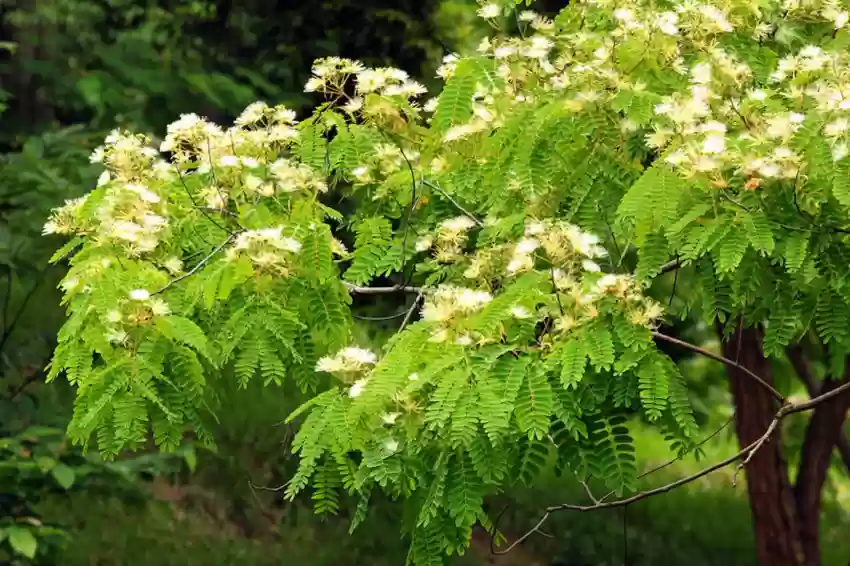
The Keshiya Sayma Tree (Albizia procera), or White Siris, is a fast-growing deciduous tree native to South Asia reaching up to 30 metres tall. Used for centuries in Ayurvedic medicine for skin and digestive ailments, its durable wood traditionally served for furniture and tools. Today, it remains valued for ecological benefits and sustainable forestry applications.
The Keshiya Sayma Tree, scientifically known as Albizia procera, is an extraordinary species admired for its environmental benefits, medicinal properties, and cultural significance.
This versatile tree, commonly called the White Siris, is native to South Asia and Southeast Asia. Known for its fast growth and ecological contributions, the Keshiya Sayma Tree is a cornerstone of sustainability and natural healing.
Let’s explore its rich history, ecological role, and many hidden marvels.
What is the Keshiya Sayma Tree?
The Keshiya Sayma Tree is a member of the Fabaceae family, renowned for its fast-growing nature and adaptability to diverse climates.
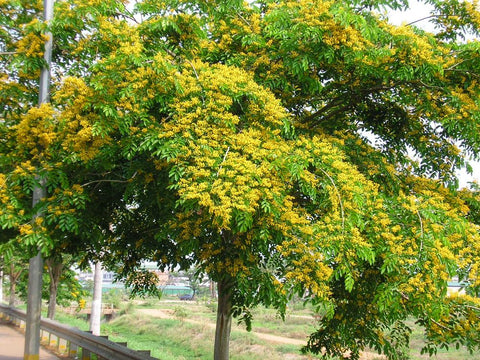
It is a medium-to-large deciduous tree, growing up to 30 meters tall, with a straight trunk and a wide-spreading canopy. Its compound leaves, fragrant flowers, and hardy bark make it a valuable asset in forestry, medicine, and land management.
Historical and Cultural Significance
The Keshiya Sayma Tree has a long history of usage in traditional medicine, agriculture, and rural livelihoods. It has been used for centuries in Ayurvedic practices to treat ailments ranging from skin disorders to digestive issues.
The tree’s strong wood has been traditionally used for building furniture, tools, and carts. In many cultures, the tree is associated with prosperity and resilience.
Fun Fact: The Keshiya Sayma Tree is often called the "Forest Helper" because of its ability to improve soil fertility and provide shade for other plants.
Medicinal Properties of the Keshiya Sayma Tree
The Keshiya Sayma Tree is a treasure trove of medicinal compounds. Its bark, leaves, and seeds are rich in saponins, tannins, and flavonoids, offering numerous therapeutic benefits.
- Skin Health: Its bark is used in traditional remedies to treat skin infections, rashes, and wounds, promoting healing.
- Anti-inflammatory: The tree’s extracts reduce inflammation and provide relief for joint pain and arthritis.
- Digestive Aid: Its seeds are known to improve digestion and alleviate constipation, acting as a natural laxative.
- Respiratory Health: The leaves are used to treat respiratory issues like coughs and bronchitis, showcasing its versatile healing properties.
Scientific Backing
Research published in the Journal of Medicinal Plants confirms the Keshiya Sayma Tree’s anti-inflammatory, antimicrobial, and antioxidant properties.
Studies highlight its potential in treating skin conditions, boosting immunity, and supporting digestive health, validating its traditional uses.
Environmental Impact
Beyond its medicinal benefits, the Keshiya Sayma Tree plays a crucial role in promoting ecological balance. Its fast growth, soil-enriching abilities, and carbon-sequestering capacity make it a natural ally in combating climate change and restoring degraded lands.
- Soil Fertility: The tree fixes nitrogen in the soil, improving its quality and benefiting surrounding vegetation.
- Biodiversity Support: Its flowers attract pollinators like bees and butterflies, while its canopy provides shelter for birds and small mammals.
- Carbon Sequestration: The Keshiya Sayma Tree absorbs significant amounts of carbon dioxide, helping mitigate the effects of climate change.
Fun Fact: The Keshiya Sayma Tree is drought-tolerant and can thrive in poor soils, making it a resilient choice for reforestation projects.
Keshiya Sayma Tree in Agroforestry
The Keshiya Sayma Tree is a favorite in agroforestry systems due to its ability to improve soil fertility, provide shade, and support crop growth. Farmers often plant it alongside crops to enhance productivity and create sustainable farming ecosystems.
Planting and Caring for the Keshiya Sayma Tree
- Soil: Thrives in well-drained sandy or loamy soils but can adapt to poor and rocky terrains.
- Sunlight: Requires full sunlight for healthy growth and canopy development.
- Watering: Minimal watering is needed once established, making it highly drought-tolerant.
- Pruning: Regular pruning encourages better growth and maintains the tree’s shape.
Modern Applications
In addition to its traditional uses, the Keshiya Sayma Tree is gaining recognition in modern industries. Its wood is used for furniture, construction, and paper production, while its extracts are being studied for pharmaceutical and cosmetic products.
The tree’s role in carbon offset programs highlights its importance in combating climate change.
Cultural Symbolism
The Keshiya Sayma Tree is a symbol of resilience and abundance in many cultures. Its ability to thrive in challenging conditions and provide multiple benefits makes it a metaphor for endurance and sustainability.
It is often planted in community spaces as a sign of growth and prosperity.
Conservation and Sustainability
While the Keshiya Sayma Tree is not endangered, deforestation and overexploitation pose threats to its natural populations. Promoting its cultivation in urban and rural areas can help preserve its ecological and cultural value.
Including it in reforestation programs ensures its benefits are available for generations to come.
Conclusion
The Keshiya Sayma Tree is a true natural treasure, blending medicinal marvels, ecological brilliance, and cultural significance.
From its role in traditional healing to its contributions to biodiversity and sustainable agriculture, it remains a cornerstone of natural resilience.
By celebrating and conserving this remarkable tree, we ensure its legacy as an evergreen treasure continues to inspire and enrich lives and ecosystems worldwide.
Further reading: Philkan Tree: Unlocking the Mysteries and Healing Wonders of Nature’s Green Gem · Saja Tree: Revealing the Hidden Treasures and Healing Powers of Nature’s Timeless Guardian
Frequently Asked Questions
What is the Keshiya Sayma Tree?
The Keshiya Sayma Tree, scientifically known as Albizia procera, is a fast-growing deciduous tree admired for its medicinal properties, soil-enhancing abilities, and ecological contributions.
Why is the Keshiya Sayma Tree called an evergreen treasure?
Despite being deciduous, its resilience, healing powers, and ecological benefits make it a timeless marvel, thriving in diverse conditions and enriching both nature and communities.
What are the medicinal uses of the Keshiya Sayma Tree?
Its bark, seeds, and leaves treat skin infections, digestive issues, and joint pain, proving it’s a natural remedy powerhouse validated by Ayurveda.
How does the Keshiya Sayma Tree benefit the environment?
By fixing nitrogen, preventing soil erosion, and supporting biodiversity, this tree plays a vital role in restoring balance to fragile ecosystems and combating climate change.
Can the Keshiya Sayma Tree thrive in poor soils?
Absolutely! This tree is a master of resilience, thriving in rocky, sandy, or degraded soils while enriching them for future vegetation.
Why is the Keshiya Sayma Tree significant in agroforestry?
Its nitrogen-fixing roots improve soil fertility, while its shade benefits crops, making it a sustainable ally in modern and traditional farming systems.
What are the modern applications of the Keshiya Sayma Tree?
Its wood is used for furniture and paper, while its medicinal extracts are explored for cosmetics and pharmaceuticals, blending tradition with innovation.
Why should we conserve the Keshiya Sayma Tree?
Deforestation threatens this marvel, and conservation ensures its medicinal, ecological, and cultural benefits continue to support ecosystems and communities for generations.
Keep reading
 Philkan Tree: Unlocking the Mysteries and Healing Wonders of Nature’s Green Gem
 Saja Tree: Revealing the Hidden Treasures and Healing Powers of Nature’s Timeless Guardian
 Shawani Tree: Discovering the Hidden Marvels and Healing Secrets of Nature’s Evergreen Gem
 Peltaform Tree: Unlocking the Mystical Secrets and Ecological Wonders of Nature’s Majestic Healer
 Moha Tree: Unveiling the Sweet Secrets and Healing Wonders of Nature’s Timeless Treasure


Leave a comment