


Agroforestry
Trees that earn for farmers
Digital forest · Dense Plantation
SS Rajamouli, born Koduri Srisaila Sri Rajamouli on October 10, 1973, is a celebrated Indian filmmaker who has redefined Telugu cinema and played a pivotal role in shaping the pan-Indian film movement. Extending his...

SS Rajamouli, born Koduri Srisaila Sri Rajamouli on October 10, 1973, is a celebrated Indian filmmaker who has redefined Telugu cinema and played a pivotal role in shaping the pan-Indian film movement. Extending his larger-than-life vision beyond cinema, Rajamouli Sir, along with his family, has embraced environmental stewardship through a thoughtful tree plantation initiative rooted in the concept of plant densification.
This initiative transforms a family’s dream into a living, breathing legacy by rejuvenating barren land into a dense, thriving green ecosystem. Through strategic densification, a diverse mix of native saplings is planted closely together across multiple layers, allowing trees, shrubs, and ground cover to grow in harmony. This approach accelerates canopy development, improves soil health, and nurtures biodiversity, enabling the land to evolve into a self-sustaining green sanctuary within a few years. Shri Rajamouli Sir & Family envision walking through this flourishing forest, where every tree reflects balance with nature and a commitment to future generations.
Complementing this green effort is the creation of a Digital Forest, which allows the family to track tree growth, celebrate environmental milestones, and preserve the story of the forest’s journey. Blending technology with tradition, this initiative not only restores nature but also inspires others to create their own forests of tomorrow, proving that impactful change begins with purposeful action rooted in sustainability.
No. of trees: 2,669 Trees
Plantation Location: SS Rajmouli Farmhouse, Eduloor, Kurumathy, Telangana 508205
Plantation Duration: 29th September 2025 to 29th December 2025
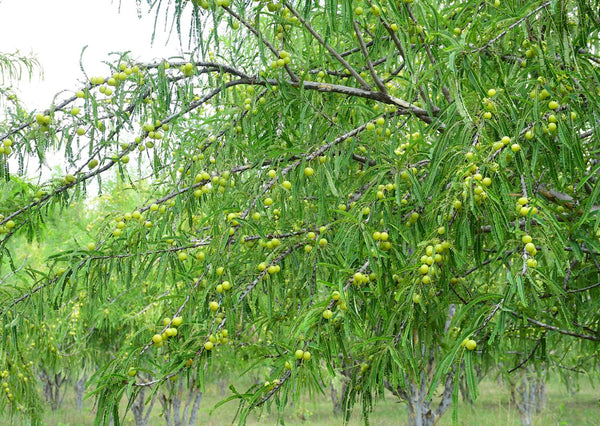
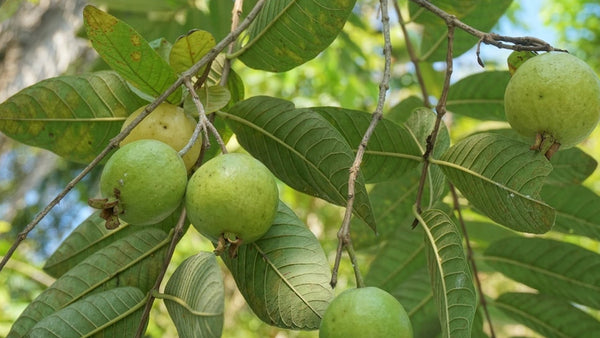
Name of Species: Orange, Mahogany, Karonda, Jackfruit, Karanj, Guava, Jamun, Sapota, Tamarind, Amla, Pomegranate
The SS Rajamouli Farmhouse plantation has been carefully enhanced through a focused plant-densification approach to strengthen the existing green cover. By increasing the number of native, site-appropriate species across the landscape, plant density has been significantly improved, creating a compact, layered vegetation structure. This densification supports faster canopy formation, reduces soil erosion, improves moisture retention, and creates favorable microclimatic conditions for healthy plant growth. The addition of diverse species encourages natural interactions among plants, insects, and birds, thereby improving biodiversity and ecological balance. Overall, this densified plantation transforms the land into a resilient, self-sustaining green ecosystem that promotes long-term environmental health and sustainability.
| Species | Custard Apple Forest | Lemon Forest |
| Orange | 123 | 65 |
| Mahogany | 104 | 49 |
| Karonda | 160 | 31 |
| Jackfruit | 218 | 272 |
| Karanj | 104 | 50 |
| Guava | 275 | 122 |
| Jamun | 107 | 140 |
| Sapota | 59 | 50 |
| Tamrind(Imli) | 64 | 77 |
| Amla | 124 | 239 |
| Pomegranate | 160 | 76 |
| Total | 1498 | 1171 |
Target Population: Employees, stakeholders, and local community members of SS Rajmouli Farmhouse, Eduloor.
Age Group: All age groups focus on adults to seniors
Gender: Inclusive of all genders
Plant Densification: The plant densification method focuses on strengthening existing green cover by increasing plant density using native and climate-appropriate species. This approach involves strategic infilling between already-planted trees and open patches, ensuring optimal spacing that allows plants to grow closely while still receiving adequate sunlight, nutrients, and water. Multiple vegetation layers, including trees, shrubs, and ground cover, are introduced to create a compact and interconnected green structure. The result is a denser canopy, improved ecological interactions, and a plantation that gradually evolves into a stable, self-sustaining ecosystem with moderate maintenance requirements.
Advantages of the Plant Densification
Improved Canopy Development: Increased plant density accelerates canopy formation, providing better shade, reducing ground temperature, and protecting soil from direct exposure to sunlight and heavy rainfall.
Enhanced Biodiversity: A higher concentration of diverse plant species supports birds, insects, and beneficial microorganisms, encouraging natural pollination and improving overall ecosystem health.
Soil Health Enhancement: Closely planted vegetation contributes to organic matter accumulation through leaf litter, improving soil structure, fertility, moisture retention, and resistance to erosion.
Efficient Land Utilization: Plant densification maximizes green cover within available space, making it highly effective for farmhouses, campuses, and degraded lands without requiring large land expansion.
Microclimate Improvement: Dense vegetation helps regulate local temperatures, improves air quality, reduces dust levels, and increases humidity, creating a healthier and more comfortable environment.
Resilience and Sustainability: Interconnected root systems improve plant stability and resilience against extreme weather conditions, while reduced open soil areas minimize weed growth and long-term maintenance.
Water Conservation: Dense planting reduces evaporation and improves moisture retention in the soil, lowering irrigation requirements once plants are established.
Long-Term Ecological Balance: By integrating native and adaptive species, plant densification supports natural ecological processes, ensuring the plantation matures into a balanced and enduring green ecosystem.
| Parameters | Units | References |
| No. of Trees Planted | 2669 | |
| Carbon Sequestration Potential (KG) | 20 |
Small to medium-sized trees can sequester around 10–48 kilograms (22–106 pounds) of CO₂ annually. https://growbilliontrees.com/blogs/knowledge/how-much-co2-can-one-tree-absorb |
| Carbon Sequestration by 2669 mature trees (Tons/year) | 53 Tons | No. of Trees x Carbon Sequestration by 1 mature trees per year |
| Carbon Credit Equivalent | 53 | One carbon credit is equivalent to one tonne of carbon dioxide or the equivalent amount of another greenhouse gas. |
| Carbon Footprint of an avg Indian Citizen (Tons/year) | 1.8 | https://www.iea.org/countries/india/emissions |
| Offsets Annual Carbon Footprint of (Adults) | 30 | Carbon offset by 2669 mature trees per year / Carbon Footprint of an avg Indian Citizen per year |
*This impact analysis is forward-looking (A Dense Forest project matures in 2-3 years)
Environmental Awareness: The plant densification initiative at the SS Rajamouli Farmhouse has significantly raised awareness of the importance of strengthening existing green cover. By demonstrating how increasing plant density can restore ecological balance, improve air quality, and enhance land productivity, the project encourages caretakers, visitors, and nearby residents to adopt environmentally responsible practices in their daily lives.
Inspiration Through Visible Transformation: The gradual transformation of open and sparsely vegetated land into a dense, thriving green landscape showcases the powerful impact of intentional densification. This visible change serves as an inspiring example for individuals, families, and landowners, motivating them to enhance existing plantations rather than expanding land use, thereby promoting sustainable land management.
Connection with Nature: The creation of a compact, layered green environment fosters a deeper connection between people and nature. Walking through a dense plantation highlights the benefits of coexistence with natural systems, encouraging long-term care, respect, and stewardship of green spaces.
Local Ecological Enrichment: Increased plant density has enhanced the surrounding ecosystem by providing shelter and food for birds, butterflies, and beneficial insects. This natural influx of biodiversity contributes to ecological enrichment in the area and supports healthier environmental conditions for nearby communities.
Model for Responsible Land Use: The SS Rajamouli Farmhouse's dense plantation serves as a practical model for responsible land use, demonstrating how existing landscapes can be upgraded into functional, high-performing green spaces without large-scale land alteration.
Biodiversity Enhancement: Plant densification supports a greater variety of flora and fauna by creating layered habitats that attract birds, insects, and pollinators, strengthening ecological balance.
Carbon Absorption: The increased number of plants enhances the site’s ability to absorb carbon dioxide, contributing to climate change mitigation through natural carbon sequestration.
Improved Air Quality: A denser green cover filters airborne pollutants and dust particles, resulting in cleaner air and a healthier environment.
Microclimate Regulation: Compact vegetation helps moderate local temperatures by providing shade, increasing humidity, and reducing heat buildup, creating a more comfortable microclimate.
Water Retention and Conservation: Dense plant cover reduces evaporation and improves soil moisture retention, lowering irrigation requirements and promoting efficient water use.
Soil Fertility Improvement: Organic matter from leaf litter enriches the soil, improves structure, and supports beneficial microorganisms essential for long-term soil health.
Erosion Control: Interconnected root systems stabilize the soil, reducing erosion caused by wind and rain and protecting surrounding land and infrastructure.
Noise Attenuation: Dense vegetation acts as a natural sound buffer, helping reduce noise pollution and creating a calmer, more peaceful environment.
Ensuring Tree Survivability: GBT prioritizes native species, continuous monitoring, and soil health improvement using organic fertilizers. These efforts ensure sustainable growth and benefit the farmers and communities.
Transparency & Accountability: GBT provides detailed reports on tree growth, survival rates, and carbon benefits, using geo-fencing and regular updates to maintain transparency and effectiveness.
Sustainable Plantation Efforts: GBT implements projects that balance environmental, social, and economic goals, addressing issues like urban heat islands and degraded farmlands. These efforts promote ecological balance, livelihoods, and long-term climate resilience.
Enhancing Ecosystem Health: By selecting native species and creating diverse habitats, GBT enhances biodiversity and ecosystem resilience, ensuring long-term ecological health and supporting wildlife.
We at Grow Billion Trees extend our heartfelt gratitude to everyone who contributed to the success of the SS Rajamouli Farmhouse Plant Densification Initiative. Driven by a shared commitment to environmental responsibility and long-term sustainability, this collective effort has strengthened existing green cover and transformed the landscape into a healthier, more resilient ecosystem. Through increased plant density, the initiative is enhancing biodiversity, improving air quality, enriching soil health, and fostering ecological balance. This project demonstrates the powerful impact of nurturing and enhancing what already exists, and together, we are reinforcing a living green legacy that will continue to benefit generations to come.
To Shri SS Rajamouli Sir & Family: We express our deepest appreciation for your inspiring vision and personal commitment to environmental sustainability. By choosing to transform your farmhouse land into a dense, multi-themed forest, you have demonstrated how individual leadership can create meaningful ecological impact. Your initiative beautifully blends tradition, science, and responsibility, preserving medicinal wisdom, celebrating cultural heritage through celestial and spiritual forests, and restoring native biodiversity. This forest stands as a powerful example of how personal spaces can become symbols of hope, balance, and regenerative living. Your foresight ensures that this green sanctuary will continue to benefit nature and communities for generations to come.
To Our Ground Partners and Environmental Stewards: We sincerely thank our implementation teams, on-ground partners, and environmental experts whose knowledge, dedication, and passion brought this vision to life. Your meticulous planning, species selection, and execution have transformed the land into a resilient and flourishing ecosystem. This initiative is a testament to what can be achieved when purpose-driven individuals and environmental stewards collaborate with a shared commitment to sustainability.
Thank you for your unwavering support and belief in the power of trees. Together, we are growing a greener, healthier, and more sustainable future.
The SS Rajamouli Farmhouse Plant Densification Initiative stands as a powerful reminder that meaningful environmental change begins with intent, care, and a long-term vision. What was once sparsely vegetated land has now been strengthened into a dense, living ecosystem that reflects harmony between people and nature. By enhancing existing green cover through thoughtful densification, this initiative demonstrates how focused efforts can significantly improve ecological health and landscape resilience.
As the plantation continues to mature, the increased plant density will play a vital role in purifying the air, enriching the soil, supporting biodiversity, and creating a healthier microclimate. Beyond its environmental benefits, the initiative serves as a compelling example of how individual-led actions can contribute meaningfully to ecological restoration and climate resilience. It is not just an enhancement for today, but a long-term commitment to sustainability and environmental responsibility.
At Grow Billion Trees, we are proud to be part of this journey. We believe this initiative will inspire individuals, families, and landowners to strengthen and enrich their existing green spaces, proving that when vision is paired with action, nature thrives. Together, let us continue nurturing these landscapes and championing a future where sustainability becomes an integral way of life.
Photos from the site, from planting day onwards.
Every tree in this forest, with the name and message of the person or company who planted it.
Undisclosed contributors
The people and companies who planted this forest have chosen not to list their names.
Plan a forest for your company, school or family, with its own digital forest page.
Plan a forestAbout Grow Billion Trees
We plant, geo-tag and look after every tree for three years, for companies, NGOs and families.


Pick the programme that fits your land, goal and budget.
Every pin is a project with its own digital forest. Filter by programme or state, or search for a company.
Pins show the approximate area of each project, not exact plot locations. Updated 2026-10-20.
Trees for birthday celebration offer the most meaningful way to mark another year of life while nurturing our planet's future. Instead of tradition...
View full detailsDescription: Every day is Mother's Day, take a moment to celebrate and honor the Nurturing Mothers in your life who have guided, encouraged, and lo...
View full detailsTrees as a gift represent the most meaningful way to celebrate special occasions while combating climate change through collective action. Unlike t...
View full detailsDescription: Honoring the memory of a loved one with a tree planting can be a powerful and enduring way to pay tribute to their life. Trees offer c...
View full detailsWelcome to a wonderful way of celebrating Janmashtami by planting trees for Krishna! Our sacred tree planting service offers a divine gift for just...
View full detailsDescription: Let's take a moment on this Women's Day to appreciate and honor the exceptional women in our lives who have inspired, encouraged, and ...
View full detailsDescription: "Celebrating your wedding anniversary by planting trees can be a meaningful and environmentally friendly way to honor your commitment ...
View full detailsTrees for friendship create lasting memories while nurturing our planet. When you plant a tree with friends, you're not just growing roots in the e...
View full detailsDescription: Let's take a moment to honor and celebrate the wise and nurturing grandmothers in your life who have shared their love, experience, an...
View full detailsDescription: Take a moment to celebrate and honor your Grandfather who has supported, inspired, and loved you unconditionally. Show your appreciati...
View full details


