

Agroforestry
Trees that earn for farmers
Digital forest · Corporate
Pack8, in collaboration with their esteemed customer, has launched Project Aranyam, a transformative tree plantation initiative in Barwani, Madhya Pradesh, aimed at creating a sustainable community forest. With 5,000 trees planted, this project embodies...

Pack8, in collaboration with their esteemed customer, has launched Project Aranyam, a transformative tree plantation initiative in Barwani, Madhya Pradesh, aimed at creating a sustainable community forest. With 5,000 trees planted, this project embodies its esteemed customers’ commitment to environmental stewardship and a greener planet.
Upon maturity, the forest will offset 100 tons of CO₂ annually, generate 60 tons of oxygen, and act as a vital tool in combating climate change and enhancing air quality. The initiative also supports rural empowerment by creating 180 workdays for SHG women and providing long-term employment opportunities, such as a caretaker role for five years.
In addition to addressing noise pollution, the forest will prevent soil erosion, enhance biodiversity, and supply fruits, flowers, and timber to benefit local communities. By integrating social and environmental benefits, Pack8 and its esteemed customers are fostering a thriving ecosystem while empowering rural livelihoods, leaving a lasting legacy of sustainability and community well-being.
No of Trees: 5,000 Trees
Plantation Location: Rangaon Road, Rajpur, Barwani, Madhya Pradesh - 451447
Plantation Duration: 30th Nov 2024 to 10th Dec 2024
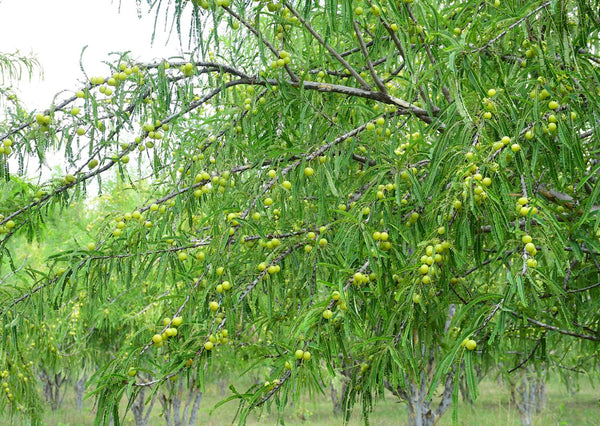
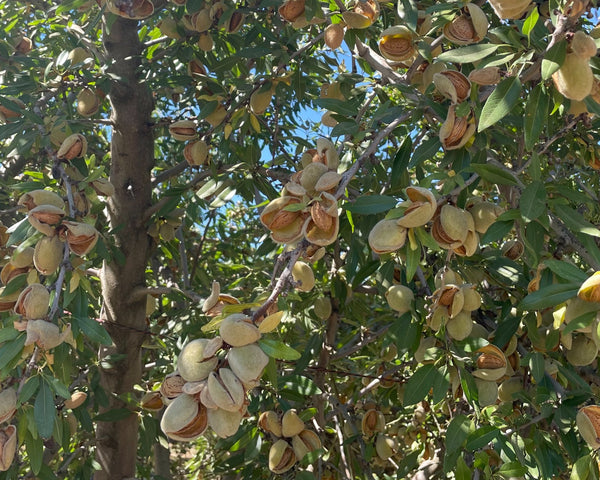
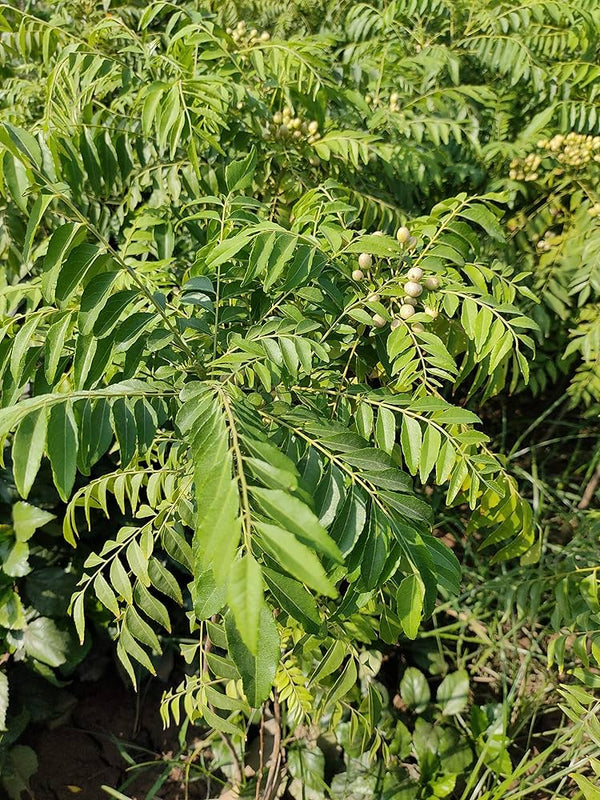
Name of Species: Neem, Mahua, Mango, Jamun, Khameer, Teak, Kher, Saja, Badam, Gugal, Gular, Shehtoot, Chirol, Shisham, Jungal jalebi, Jackfruit, Shami, Guava, Drumsticks, Cuatard Apple, Amaltas, Amla, Belpatra, Bamboo
For the Aranayam project, native species were carefully chosen to ensure ecological compatibility with the local environment. The species selected for the 3-layered plantation approach in the community forest are diverse, native, and ecologically significant. This thoughtful selection ensures the sustainability and functionality of the forest ecosystem while addressing multiple environmental and socio-economic needs. The selection of species for the project prioritizes their adaptability to semi-arid conditions and their ecological, social, and economic benefits.
| Total Trees Planted: 5,000 | |
| Total Species Planted: 27 | |
| Layer 1 | 7 species |
| Layer 2 | 17 species |
| Layer 3 | 3 species |
|
Layer 1 ( Canopy layer )
|
|||
| Trees name | Botanical name | Benefits | Number of plants |
| Imali | Tamarindus indica | boosts immunity, aids digestion, reduces inflammation, promotes healing. | 155 |
| Pipal | Ficus religiosa | boosts immunity, purifies air, aids digestion, and promotes healing. | 220 |
| Karanj | Pongamia pinnata | offers medicinal, pesticidal, anti-inflammatory, and soil-nourishing benefits. | 350 |
| Neem | Azadirachta indica. |
boosts immunity, fights infections, detoxifies, promotes skin health, and heals.
|
250 |
| Mahua | Madhuca longifolia | offers medicinal, nutritional, ecological, and economic benefits. | 125 |
| Mango | Mangifera indica. |
Rich in vitamins, antioxidants, boosts immunity, promotes digestion, skin health.
|
80 |
| Jamun | Syzygium cumini | Improves blood sugar, boosts immunity, aids digestion, rich in antioxidants. | 220 |
| Layer 2 ( Tree Layer ) | |||
| Trees name | Botanical name | Benefits | Number of plants |
| Khameer | Cinnamomum zeylanicum | aids digestion, reduces inflammation, and relieves pain. | 500 |
| Teak | Tectona grandis | provides durable wood, promotes wood-based products, and protects soil | 350 |
| Safed Kher | Acacia leucophloea | improves digestion, reduces inflammation, boosts immunity, and heals wounds. | 80 |
| Saja | Terminalia tomentosa | improves immunity, treats wounds, reduces inflammation, and relieves pain | 85 |
| Badam | Prunus dulcis | improves brain function, heart health, boosts immunity, and digestion | 180 |
| Gugal | Commiphora wightii | reduces inflammation, aids digestion, boosts immunity, and heals wounds. | 85 |
| Gular | Ficus glomerata | treats diabetes, aids digestion, reduces inflammation, and heals wounds. | 220 |
| Sehtut | Morus alba | boosts immunity, improves digestion, controls blood sugar, and enhances skin. | 220 |
| Chirol | Salvadora oleoides | treats wounds, reduces inflammation, improves digestion, and boosts immunity. | 250 |
| Shisam | Dalbergia Sissoo | strengthens bones, improves circulation, aids digestion, and heals wounds | 350 |
| Jangal Jalebi | Pithecellobium dulce | aids digestion, treats fever, relieves pain, and inflammation. | 90 |
| Drumstick | Moringa oleifera | boosts immunity, improves digestion, reduces inflammation, and supports energy. | 120 |
| Jackfruit | Artocarpus heterophyllus. | boosts immunity, improves digestion, supports heart health, and energy | 180 |
| Shami | Prosopis cineraria. | boosts immunity, treats wounds, reduces inflammation, and aids digestion. | 85 |
| Guava | Psidium guajava. | boosts immunity, aids digestion, improves skin, and controls blood sugar. | 80 |
| Custerd apple | Annona squamosa. | plant boosts immunity, improves digestion, and promotes healthy skin. | 80 |
| Amaltas | Cassia fistula | treats constipation, improves skin health, reduces inflammation, and fever | 50 |
| Layer 3 ( Shrub Layer) | |||
| Trees name | Botanical name | Benefits | Number of plants |
| Avala | Phyllanthus emblica. | boosts immunity, improves digestion, enhances skin, and promotes hair growth. | 220 |
| Belptra | Aegle marmelos. | improves digestion, treats fever, reduces inflammation, and detoxifies | 125 |
| Bamboo | Bambusa vulgaris | strengthens bones, improves digestion, purifies air, and promotes sustainability. | 250 |
Target Population: Rural communities in the region of Rajpur, Barwani(Madhya Pradesh), with a specific emphasis on women from Self-Help Groups (SHGs).
Age Group: All age groups, children, adults, and seniors with a special focus on women of working age who are actively involved in local community activities.
Gender: The project focuses on gender equality and economic empowerment for all.
Social & Economic Status: Open to all social and economic backgrounds, with a focus on community participation.
Community Forest: The community forest initiative by Pack8 and Herbalife adopts a strategic 3-layer plantation approach, aimed at creating a balanced, resilient, and sustainable ecosystem. The project involves planting 5,000 trees across three distinct layers: shrub, tree, and canopy, which mimic the natural structure of a forest, promoting biodiversity and ecological stability.
Shrub Layer: The shrub layer, consisting of smaller plants and bushes, serves multiple ecological functions. It prevents soil erosion by holding the soil together with its roots, especially on slopes. Additionally, it enhances soil fertility by providing organic matter and enriching the soil. This layer also supports wildlife by offering food and shelter for smaller animals and insects.
Tree Layer: Positioned above the shrub, the tree layer bridges ecosystems by offering a variety of fruits, flowers, and seeds, which are essential for pollinators like bees and butterflies. This layer enhances the forest's biodiversity, supports wildlife, and provides essential resources for the surrounding community. It also helps to stabilize the soil and improve overall forest health.
Canopy Layer: This uppermost layer is composed of taller trees that provide vital shade and shelter. By forming a dense canopy, these trees protect the ecosystem below from harsh sunlight, regulate temperature, and create a habitat for birds and insects. They also play a significant role in carbon sequestration, absorbing carbon dioxide and mitigating climate change.
This thoughtful, layered approach ensures the forest's long-term sustainability, enhances environmental benefits such as water conservation, soil health, and habitat creation, and fosters a thriving ecosystem that will support both biodiversity and community well-being for generations to come.
Advantages of Community Forest
Enhanced Biodiversity: The community forest fosters the growth of a wide variety of plant and animal species by creating diverse habitats, ensuring ecological stability. Native tree species attract pollinators such as bees and butterflies while providing food and shelter for birds, small mammals, and insects. This enriched biodiversity contributes to a healthier and more resilient ecosystem, supporting the natural balance of flora and fauna. Supporting.
Climate Action: By planting 5,000 trees, the forest serves as a vital tool for combating climate change. It actively absorbs carbon dioxide from the atmosphere, offsetting up to 100 tons of CO₂ annually. This contributes to global efforts to reduce greenhouse gas emissions while simultaneously lowering the overall carbon footprint of the region.
Soil Health: The project prevents soil erosion through the robust root systems of trees and shrubs, which bind the soil together, especially on slopes or loose terrain. The organic matter contributed by fallen leaves and decomposing plant material enriches the soil with nutrients, improving fertility and supporting sustainable agriculture in nearby areas.
Water Conservation: Trees play a crucial role in improving water retention by reducing surface runoff and minimizing evaporation. The forest enhances groundwater recharge by slowing down the flow of rainwater, allowing it to seep into the soil. This creates a long-term positive impact on local water resources, ensuring availability for the surrounding community.
Environmental Benefits: The dense forest serves as a natural sound barrier, reducing noise pollution and creating a quieter environment for both local residents and wildlife. It also improves air quality by filtering pollutants and releasing oxygen, promoting better respiratory health and a healthier living environment for the community.
Community Engagement: Empowers local communities by providing employment, resources, and a sense of ownership. The project generates employment for women, empowering them economically. It also ensures long-term employment, such as a caretaker role for five years, supporting the local economy.
Sustainable Livelihoods: The forest provides a sustainable source of income for the local community by producing fruits, flowers, and timber. These resources not only contribute to food security but also open up avenues for economic resilience through the sale of produce. By generating employment opportunities, such as the role of a caretaker, the project ensures long-term financial benefits for the region.
Educational Value: The community forest acts as a living classroom, offering insights into sustainable land management practices and environmental conservation. It provides opportunities for local communities, schools, and organizations to learn about biodiversity, water conservation, and the importance of ecological balance, fostering a culture of environmental awareness.
Resilience to Natural Disasters: Properly managed community forests can help reduce the impact of natural disasters, such as floods and landslides, by stabilizing the land and acting as natural barriers.
| Parameters | Units | References |
| No. of Trees Planted | 5,000 | |
| Green Cover (acres) | 1 | |
| Carbon Sequestration Potential (KG) | 20 KG |
Small to medium-sized trees can sequester around 10–48 kilograms (22–106 pounds) of CO₂ annually. https://onetreeplanted.org/blogs/stories/how-much-co2-does-tree-absorb |
| Carbon Sequestration by 5000 mature trees ( tonnes/year) | 100 | No. of Trees x Carbon Sequestration by 1 mature tree per year |
| Carbon Credit Equivalent | 100 | One carbon credit is equivalent to one tonne of carbon dioxide or the equivalent amount of another greenhouse gas. |
| Carbon Footprint of an avg Indian Citizen (tonnes/Year) | 1.8 | https://www.iea.org/countries/india/emissions |
| Offsets Annual Carbon Footprint of (Adults) | 56 | Carbon offset by 5000 mature trees per year / Carbon Footprint of an avg Indian Citizen per year |
*This impact analysis is forward-looking (A Community Forest project matures in 3-5 years)
Empowerment of Women: The initiative created 180 workdays for SHG women, promoting financial independence and inclusion. For the plantation activities, 9 women were actively involved, while 5 women were engaged for ongoing maintenance, ensuring long-term care of the forest. Additionally, the project provides sustained employment opportunities, such as a caretaker role for five years, fostering continued economic empowerment. Engaging youth in environmental stewardship further deepens their connection to sustainability and innovation.
Economic Benefits: The plantation provides economic opportunities through job creation, particularly in areas such as planting, maintenance, and monitoring. Local workers can be employed to assist with the care of the plantation, which strengthens community participation and provides income. Additionally, as the trees mature, the plantation could generate sustainable resources like timber, fruits, or other forest products, contributing to the local economy.
Enhanced Livability and Aesthetic Value: The creation of green spaces improves the overall aesthetic value of the community, making it a more pleasant place to live. The presence of trees and green areas enhances the quality of life by providing recreational spaces for families, children, and the elderly. These spaces promote mental well-being, reduce stress, and encourage outdoor activities, fostering a healthier, more vibrant community environment.
Cultural Reconnection: By reclaiming degraded land for reforestation, the project aligns with cultural values of respect for nature and environmental conservation, strengthening community identity.
Increased Community Awareness: Through involvement in plantation and maintenance activities, the project inspires local communities to adopt sustainable practices and recognize the importance of green spaces. Hands-on involvement in the plantation process further engages the community, fostering long-term environmental stewardship.
Carbon Sequestration: The plantation actively absorbs carbon dioxide, mitigating climate change by offsetting approximately 100 tons of CO₂ annually. This significant reduction in greenhouse gases contributes to global efforts to combat climate change, promoting cleaner air and a healthier planet. As the trees mature, the carbon sequestration capacity will increase, further enhancing the project's impact.
Air Quality Improvement: The forest enhances local air quality by filtering pollutants and releasing oxygen, creating a healthier environment. This not only benefits the immediate community by improving respiratory health but also plays a role in combating urban pollution. The trees act as natural air purifiers, capturing particulate matter and harmful gases like nitrogen dioxide and sulfur dioxide.
Biodiversity Enhancement: By planting native species, the project creates habitats for wildlife, restoring ecological balance and encouraging the return of native flora and fauna. This biodiversity boost supports the food chain and promotes ecological resilience. It also aids in the preservation of local plant and animal species that may have been displaced due to urbanization or deforestation.
Soil Restoration: The forest improves soil fertility, reduces erosion, and promotes microbial activity, enhancing land productivity. The tree roots bind the soil, preventing erosion during heavy rainfall, while the organic matter from decomposing leaves enriches the soil, fostering a healthy ecosystem. This restoration makes the land more suitable for future agricultural or ecological uses.
Microclimate Regulation: The dense canopy helps lower ambient temperatures, reducing the urban heat island effect and creating a cooler, more pleasant environment. This microclimate regulation not only provides comfort to local communities but also reduces the need for air conditioning, lowering energy consumption. It contributes to a more sustainable, livable environment for both residents and wildlife.
Resilience to Climate Change: The plantation helps build resilience against the impacts of climate change by creating a natural buffer against extreme weather events. The trees provide shade and reduce heat, while their roots prevent soil erosion, particularly during heavy rainfall. This increases the overall climate resilience of the community, particularly in areas vulnerable to floods, droughts, and temperature fluctuations.
Legacy of Environmental Stewardship: The initiative inspires a cultural shift towards sustainability, encouraging communities to value environmental preservation and pass on these values to future generations. Through educational programs and community engagement, the plantation fosters a deeper connection with nature, instilling a sense of responsibility towards environmental care and long-term conservation efforts.
SDG 1(No Poverty): The Aranyam Project makes a significant contribution to poverty alleviation by creating sustainable, long-term employment opportunities for marginalized groups. It generates 180 workdays annually for Self-Help Group (SHG) women, providing them with stable income through roles like tree caretakers, and supporting skill development. This initiative empowers women economically, strengthens resilience against poverty, and uplifts entire communities, fostering financial independence and reducing vulnerability to economic instability.
SDG 2(Zero Hunger): By integrating 27 species of shrubs, trees, and canopy layers, the Aranyam Project directly supports local food security. Many of the species planted provide fruits, nuts, and other edible resources, offering nutritious alternatives for local communities. Additionally, the forest ecosystem promotes soil health, which in turn improves agricultural productivity in the surrounding areas, ensuring a sustainable, diversified food source for nearby residents while enhancing the community’s resilience against food scarcity.
SDG 3(Good Health and Well-Being): The plantation’s positive effects on air quality cannot be overstated. By absorbing pollutants and purifying the air, the forest helps mitigate respiratory health issues, especially in regions prone to air pollution. The presence of the forest also provides invaluable mental health benefits, offering a serene, natural environment where people can engage with nature, de-stress, and rejuvenate. This green space plays a critical role in improving both physical and mental well-being, contributing to the overall health of the community.
SDG 5(Gender Equality): The Aranyam Project is a model for gender empowerment, offering economic opportunities and leadership roles for women, particularly those from SHGs. By involving them in the plantation, maintenance, and long-term management of the forest, the initiative enables women to gain financial independence, enhance their skills, and attain recognition within their communities. This fosters gender equality, challenges traditional roles, and promotes a more equitable, inclusive society.
SDG 6(Clean Water and Sanitation): The multi-layered structure of the Aranyam forest enhances the local water cycle, promoting water retention in the soil and contributing to the recharging of groundwater levels. This natural filtration system reduces surface runoff, minimizes soil erosion, and prevents water pollution, ensuring cleaner water resources for surrounding communities. As a result, the project contributes to sustainable water management practices and ensures reliable access to clean water for future generations.
SDG 8(Decent Work and Economic Growth): The Aranyam Project stimulates local economic growth by creating green jobs, from tree planting and forest maintenance to long-term ecosystem management. These employment opportunities not only improve financial stability but also encourage eco-tourism and related ventures, contributing to the region’s economic diversification. By prioritizing environmental sustainability in job creation, the project ensures that economic development is both inclusive and eco-friendly.
SDG 11(Sustainable Cities and Communities): The Aranyam forest serves as a vital green space in the region, mitigating the urban heat island effect and enhancing climate resilience. This natural oasis helps combat extreme weather events, provides cooling benefits, and supports a higher quality of life by offering a communal area for relaxation and social interaction. The forest promotes a sustainable, healthy, and livable environment that aligns with the vision of resilient, green cities and communities.
SDG 12(Responsible Consumption and Production): The Aranyam Project exemplifies responsible land management and sustainable use of resources. Rehabilitating degraded government land in Rajpur, Madhya Pradesh, and creating a multi-layered forest, demonstrates how natural resources can be restored and used responsibly. This initiative helps prevent further environmental degradation, encourages responsible consumption, and promotes long-term resource conservation, setting a standard for sustainable development in the region.
SDG 13(Climate Action): As a powerful carbon sink, the Aranyam forest sequesters significant amounts of carbon dioxide, actively contributing to climate change mitigation. The project’s multi-layered plantation design maximizes carbon capture, while also helping reduce local temperatures through increased green cover. By addressing both global climate action and local climate resilience, the project demonstrates that nature-based solutions are key to achieving a sustainable, climate-resilient future.
SDG 15( Life on Land): The restoration of the Aranyam forest plays a pivotal role in biodiversity conservation. With 27 species planted across various layers, the forest enhances local flora and fauna habitats, supporting diverse wildlife populations. In addition to promoting biodiversity, the project strengthens soil fertility, prevents erosion, and restores ecological balance, ensuring the long-term health and sustainability of the land. The initiative reaffirms the importance of protecting and regenerating life on land to support a thriving ecosystem for future generations.
SDG 17(Partnerships for the Goals): The success of the Aranyam Project is a testament to the power of collaboration. Grow Billion Trees (GBT), Pack8, and Herbalife worked together to bring this vision to life, with each partner contributing unique expertise and resources. GBT provided the technical knowledge and resources for tree planting and maintenance, while Pack8 played a pivotal role in the project’s conceptualization, and Herbalife supported community engagement. This multi-stakeholder partnership demonstrates how effective collaborations can achieve ambitious environmental and social outcomes, creating a sustainable legacy for the community.
This project aligns with multiple Sustainable Development Goals, addressing social, economic, and environmental challenges holistically. By fostering employment, empowering women, enhancing biodiversity, and mitigating climate change, the initiative exemplifies the power of collaborative action for sustainable development. It not only restores degraded land but also creates a thriving ecosystem that benefits communities, wildlife, and the planet, reinforcing the commitment to a resilient and inclusive future.
Environmental Impact: The creation of a 5,000-tree community forest with three distinct layers of shrubs, trees, and canopy using 27 diverse species showcases a strong commitment to ecological restoration. This initiative helps combat climate change through carbon sequestration, improves air quality, and enhances local biodiversity by creating a habitat for various species. Strategic planting on government land contributes to land restoration, prevents soil erosion, and supports water retention, fostering a sustainable and resilient ecosystem.
Social Impact: This initiative empowered the local community by creating job opportunities during the plantation and maintenance phases, uplifting rural livelihoods. The engagement of local stakeholders fostered a sense of ownership, encouraging long-term care for the forest. Educational outreach and training on environmental stewardship helped instill sustainable practices among the local population, promoting better land use and conservation habits. The project also provided indirect benefits such as improved well-being and a healthier environment for the surrounding community.
Governance Excellence: The partnership between Pack8, Grow Billion Trees, and Herbalife exemplifies robust governance practices. Transparent monitoring and reporting ensure accountability, while collaboration among various stakeholders highlights ethical and sustainable decision-making. The inclusion of geo-tagged tracking and regular updates reinforced trust and transparency, aligning with ESG goals. By integrating environmental stewardship with social empowerment and responsible governance, the initiative demonstrated a holistic approach to sustainability, setting a benchmark for future projects.
Employment and Empowerment of Women: The project created employment for approximately 15 women, offering them sustainable livelihood opportunities, including long-term caretaker roles. This initiative not only promoted financial independence but also supported skill development and gender equality, fostering economic stability and empowering women within the community.
Community Ownership: By actively involving community members in decision-making, planting, and ongoing maintenance of the forest, the project strengthened local engagement. This collaborative approach fostered a deep sense of ownership and responsibility, ensuring the forest's care and sustainability became a shared priority for all.
Health and Well-being Benefits: In addition to providing cleaner air and mitigating climate change, the project enhances public health by offering the community a green space for recreation and relaxation. This accessible natural area promotes mental well-being and physical fitness, contributing to healthier lifestyles and community cohesion.
Awareness and Education: Training sessions and awareness programs were conducted to educate the community on environmental conservation and sustainable practices. These initiatives equipped local residents with the knowledge and skills needed to manage the forest effectively, ensuring long-term ecological stewardship and promoting sustainable living in the region.
Building Social Cohesion: The project successfully united diverse groups, including local residents, stakeholders, and corporate employees, to work together towards a common environmental goal. This collaboration fostered a strong sense of unity, community spirit, and shared purpose, creating lasting bonds and a collective commitment to sustainability.
Cultural Reconnection: By reclaiming and restoring degraded land, the project reinforced the cultural values of environmental respect and conservation. This ecological restoration not only revitalized the land but also instilled pride in the community for its active role in preserving the environment and promoting sustainability for future generations.
These achievements highlight the project's role in building stronger, more resilient, and environmentally conscious communities.
The Aranyam Tree Plantation Initiative stands as a testament to what can be achieved when communities, organizations, and individuals unite for a common cause. Together, we have not only transformed a piece of land into a thriving green space, but we have also planted the seeds of sustainability, resilience, and hope for future generations.
This project is more than just a tree plantation; it's a legacy of environmental stewardship, community empowerment, and a commitment to a healthier planet. As we continue to nurture this forest, we are reminded that the impact of our collective efforts extends far beyond the trees themselves, shaping a future where nature, people, and progress grow together in harmony.
Let this initiative inspire further actions, spark new collaborations, and pave the way for a greener, more sustainable world. Thank you to everyone who has been part of this transformative journey. The future is green, and it starts with all of us.
Photos from the site, from planting day onwards.
Every tree in this forest, with the name and message of the person or company who planted it.
Undisclosed contributors
The people and companies who planted this forest have chosen not to list their names.
Plan a forest for your company, school or family, with its own digital forest page.
Plan a forestAbout Grow Billion Trees
We plant, geo-tag and look after every tree for three years, for companies, NGOs and families.


Pick the programme that fits your land, goal and budget.
Every pin is a project with its own digital forest. Filter by programme or state, or search for a company.
Pins show the approximate area of each project, not exact plot locations. Updated 2026-10-11.
Trees for birthday celebration offer the most meaningful way to mark another year of life while nurturing our planet's future. Instead of tradition...
View full detailsDescription: Every day is Mother's Day, take a moment to celebrate and honor the Nurturing Mothers in your life who have guided, encouraged, and lo...
View full detailsTrees as a gift represent the most meaningful way to celebrate special occasions while combating climate change through collective action. Unlike t...
View full detailsDescription: Honoring the memory of a loved one with a tree planting can be a powerful and enduring way to pay tribute to their life. Trees offer c...
View full detailsWelcome to a wonderful way of celebrating Janmashtami by planting trees for Krishna! Our sacred tree planting service offers a divine gift for just...
View full detailsDescription: Let's take a moment on this Women's Day to appreciate and honor the exceptional women in our lives who have inspired, encouraged, and ...
View full detailsDescription: "Celebrating your wedding anniversary by planting trees can be a meaningful and environmentally friendly way to honor your commitment ...
View full detailsTrees for friendship create lasting memories while nurturing our planet. When you plant a tree with friends, you're not just growing roots in the e...
View full detailsDescription: Let's take a moment to honor and celebrate the wise and nurturing grandmothers in your life who have shared their love, experience, an...
View full detailsDescription: Take a moment to celebrate and honor your Grandfather who has supported, inspired, and loved you unconditionally. Show your appreciati...
View full details


