

Agroforestry
Trees that earn for farmers
Digital forest · Urban Plantation
Azbil India Private Limited, a subsidiary of Azbil Corporation, renowned globally for its automation and control solutions, has taken a meaningful step toward environmental stewardship through its Urban Forest Tree Plantation Initiative. Rooted in...

Azbil India Private Limited, a subsidiary of Azbil Corporation, renowned globally for its automation and control solutions, has taken a meaningful step toward environmental stewardship through its Urban Forest Tree Plantation Initiative. Rooted in the company’s focus on innovation and sustainability, this initiative brings employees together to actively contribute to greener cities and a healthier planet.
The plantation drive centers on creating dense, biodiverse urban forests that enhance green cover, improve air quality, and support ecological balance in rapidly growing urban areas. Employees participate hands-on in planting carefully selected native saplings, transforming underutilized spaces into vibrant green zones. This collaborative effort not only strengthens team bonding but also deepens awareness about environmental responsibility.
By engaging employees in purposeful climate action and contributing to long-term ecological well-being, Azbil India demonstrates its commitment to creating safer, more comfortable, and sustainable environments, extending its human-centered approach beyond technology and into the communities it serves.
Through this initiative, Azbil India Private Limited reaffirms its dedication to building a greener future one tree, one employee, and one urban forest at a time.
No. of trees: 300 Trees
Plantation Location: Near JNPA Building, JNPT Rd, Sheva Rd, Navi Mumbai, Maharashtra 400707
Plantation Date: 20th December 2025
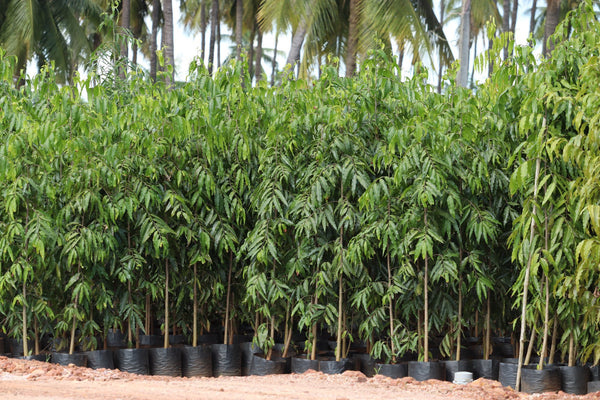
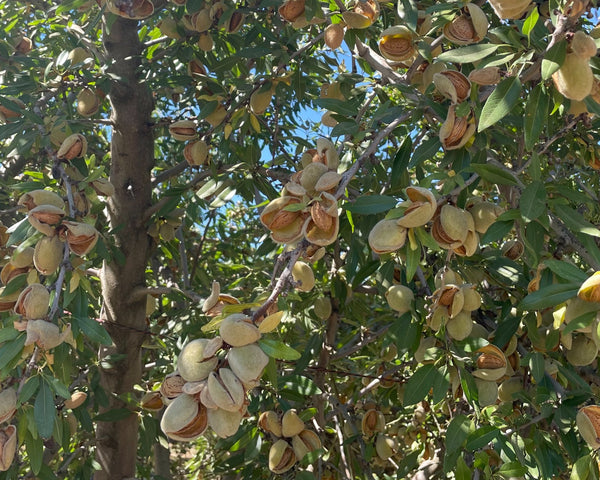
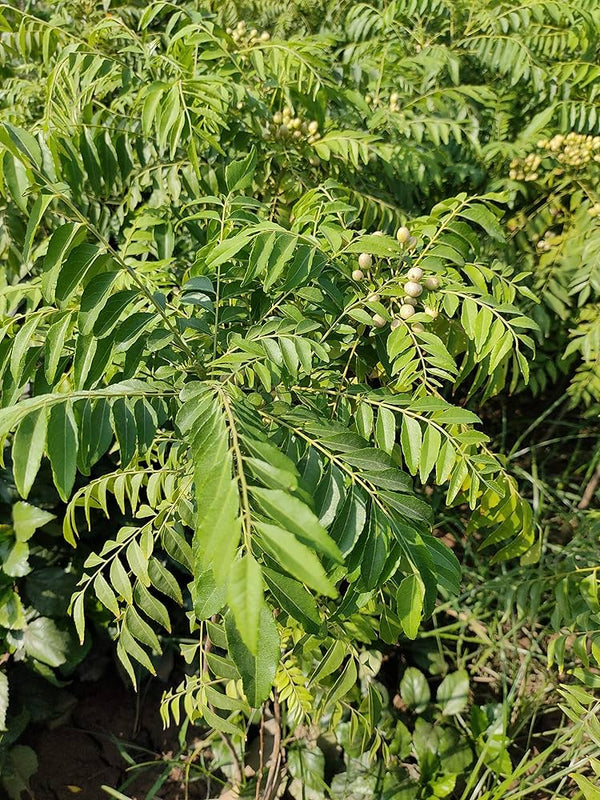
Name of Species: Bahunia, Putranjiva, Ashoka, Jambhul, Neem, Karanj, Badam, Kadamba, Ficus, and Jarul
The species selected for Azbil India Private Limited’s urban forestry initiative were carefully chosen to align with the local ecosystem and maximise ecological benefits. A total of 300 trees were planted, comprising a diverse mix of native and ecologically significant species.
These species collectively contribute to improved air quality, carbon sequestration, soil stabilisation, and groundwater recharge. Trees such as Karanj, Neem, and Ficus play a vital role in improving soil fertility, preventing erosion, and supporting urban biodiversity. Jambhul, Kadamba, and Jarul enhance canopy cover, help reduce urban heat island effects, and provide habitat and food sources for birds and pollinators. Ashoka and Putranjiva are culturally significant evergreen species that offer shade and aesthetic value, while Bahunia and Badam contribute to ecological diversity and seasonal flowering, enriching the urban landscape.
Beyond environmental benefits, several of these species have medicinal, cultural, and socio-economic importance. Neem and Karanj are widely used in traditional medicine and natural products, while fruit-bearing and flowering species support local ecosystems and community well-being. This thoughtful species selection ensures a balanced urban forest that delivers lasting ecological impact, social value, and improved urban livability.
Target Population: Employees, stakeholders, and local community members of Navi Mumbai
Age Group: All age groups focus on adults to seniors
Gender: Inclusive of all genders
Urban Forest: Urban forestry is the practice of planting and managing trees in cities to enhance environmental sustainability, improve air quality, and create healthier living spaces. It plays a vital role in mitigating climate change by sequestering carbon, reducing the urban heat island effect, and conserving water. Additionally, urban forests promote biodiversity, provide shade, and enhance mental well-being by offering green spaces for relaxation and recreation. By integrating trees into urban planning, cities can become more resilient, sustainable, and livable. Urban forestry is not just about planting trees; it is about fostering a harmonious balance between nature and urban development for a greener future.
Advantages of Urban Forest
Climate Regulation and Cooling Effect: Urban forests help mitigate the urban heat island effect by providing shade and cooling through transpiration, reducing temperatures, and lowering the need for artificial cooling.
Improved Air Quality: Trees absorb carbon dioxide, nitrogen oxides, and particulate matter, helping to purify the air and reduce respiratory illnesses in surrounding communities.
Stormwater Management and Water Table Recharge: Trees improve soil water retention, reduce stormwater runoff, prevent flooding, and aid in groundwater recharge, which is crucial for sustainable water management.
Soil Erosion Control: The deep root systems of trees prevent soil erosion, particularly in monsoon-prone areas, stabilizing the land and improving soil fertility.
Enhanced Community engagement and well - being: Urban forests provide accessible green spaces where communities can engage in recreational activities, improving mental health, reducing stress, and fostering a sense of environmental stewardship among residents and employees.
Increased Property and Land Value: Green spaces enhance real estate appeal, making nearby areas more desirable for residential and commercial purposes.
During the tree plantation drive organised in collaboration with Grow Billion Trees, employees of Azbil India Private Limited actively participated in the initiative. The activity reflected Azbil India Private Limited’s commitment to environmental sustainability and employee-driven green action.
Preparations for the day began with a well-structured layout of the site, including pre-dug pits and carefully chosen saplings known for their ecological and cultural value. Employees actively engaged in the planting process, learning about the species and their role in strengthening the local ecosystem. This hands-on experience allowed participants to reconnect with nature and appreciate the value of green interventions in urban landscapes.
On the day of the event, Azbil employees participated in planting saplings, ensuring proper depth and spacing to support healthy growth. In addition to the plantation activity, employees also documented the event by clicking photographs, capturing key moments of the plantation process and their collective contribution to environmental conservation.
The initiative concluded with the watering of saplings, followed by group photographs capturing moments of unity, smiles, and fulfilment. More than just planting trees, Azbil India Private Limited’s initiative planted hope and a greener vision for the future, leaving behind not only new life in the soil but also a lasting sense of collective achievement.
| Parameters | Values | References |
| No. of Trees Planted | 300 | |
| Green Cover (Acres) | 0.06 | |
| Carbon Sequestration Potential (KG) | 20 |
Small to medium-sized trees can sequester around 10–48 kilograms (22–106 pounds) of CO₂ annually. https://growbilliontrees.com/blogs/knowledge/how-much-co2-can-one-tree-absorb |
| Carbon Sequestration by 300 mature trees ( Tons/year) | 6 Tons | No. of Trees x Carbon Sequestration by 1 mature trees per year |
| Carbon Credit Equivalent | 6 | One carbon credit is equivalent to one tonne of carbon dioxide or the equivalent amount of another greenhouse gas. |
| Carbon Footprint of an avg Indian Citizen (Tons/Year) | 1.8 | https://www.iea.org/countries/india/emissions |
| Offsets Annual Carbon Footprint of (Adults) | 3.3 | Carbon offset by 300 mature trees per year / Carbon Footprint of an avg Indian Citizen per year |
*This impact analysis is forward-looking (An Urban - Forest project matures in 3-5 years)
Improved Public Health: By enhancing air quality and reducing urban heat, the project contributes to better public health. The presence of green spaces encourages outdoor activities, reduces stress, promotes mental well-being, and lowers the risk of respiratory diseases.
Environmental Awareness: Involving employees and local communities in urban forestry fosters greater awareness about environmental conservation and encourages sustainable practices in daily life.
Employee Morale & Engagement: The initiative instilled a sense of pride, ownership, and teamwork among employees, strengthening their connection to the company’s sustainability goals and fostering a culture of environmental responsibility.
Inspiration for Change: By demonstrating the transformative potential of urban forestry, the project has inspired other organizations, institutions, and local communities to take up similar greening efforts.
Cultural Shift: The initiative cultivated a long-term mindset of sustainability, encouraging participants to become advocates for green practices in both their personal and professional lives.
Carbon Sequestration – The planted trees act as natural carbon sinks, absorbing carbon dioxide and helping mitigate climate change by reducing greenhouse gas emissions.
Air Purification – Trees filter pollutants such as carbon monoxide, nitrogen oxides, and particulate matter, improving air quality and promoting a healthier urban environment.
Microclimate Regulation – Urban trees moderate temperature extremes, reduce heat absorption, and increase local humidity, creating a more comfortable and resilient city environment.
Water Cycle Regulation – Trees enhance water retention, reduce surface runoff, promote groundwater recharge, and help minimize the risk of urban flooding.
Soil Health Improvement – The plantation enriches soil fertility by adding organic matter, improving soil structure, and supporting surrounding vegetation.
Erosion Prevention – Tree roots stabilize the soil, preventing erosion caused by wind and water, which helps protect infrastructure, roads, and green spaces.
Biodiversity Enhancement – The initiative creates habitats for birds, pollinators, and beneficial insects, fostering diverse flora and fauna in urban areas.
SDG 3: Good Health and Well-Being – The project enhances air quality by reducing pollutants and providing green spaces that promote physical and mental well-being. Trees help lower stress, encourage outdoor activities, and create a healthier urban environment.
SDG 6: Clean Water and Sanitation – Azbil’s urban afforestation initiative aids in water retention, reduces surface runoff, prevents soil erosion, and supports groundwater recharge, contributing to long-term water sustainability in the region.
SDG 7: Affordable and Clean Energy – By mitigating the urban heat island effect, the trees planted through Azbil’s afforestation project help lower surrounding temperatures, reducing the demand for air conditioning and enhancing energy efficiency in urban areas.
SDG 8: Decent Work and Economic Growth – The afforestation drive by Azbil generates employment opportunities for local communities in tree planting, maintenance, and conservation efforts, fostering economic empowerment and sustainable livelihoods.
SDG 9: Industry, Innovation, and Infrastructure – Azbil integrates nature-based solutions into urban spaces, promoting sustainable infrastructure and innovative urban greening strategies that enhance ecological resilience.
SDG 10: Reduced Inequalities – Azbil’s initiative ensures that green spaces are accessible to all, benefiting diverse and marginalised communities by improving air quality, mental health, and overall well-being. It also promotes equal participation in environmental sustainability.
SDG 11: Sustainable Cities and Communities – By increasing green cover and reducing pollution, Azbil’s afforestation project makes urban spaces more livable, resilient, and sustainable, enhancing the quality of life for residents.
SDG 12: Responsible Consumption and Production – Azbil's commitment to urban afforestation aligns with responsible environmental practices, ensuring sustainable resource management and fostering a culture of conservation and ecological responsibility.
SDG 13: Climate Action – The initiative contributes to climate resilience by sequestering carbon, reducing greenhouse gas emissions, and mitigating rising urban temperatures, reinforcing Azbil’s dedication to a sustainable future.
SDG 15: Life on Land – Azbil’s urban greening efforts restore degraded land, increase biodiversity, and provide natural habitats for birds, pollinators, and other species, supporting a thriving urban ecosystem.
SDG 16: Peace, Justice, and Strong Institutions – Azbil fosters collaboration and inclusive decision-making by engaging stakeholders, local communities, and employees in afforestation efforts, strengthening environmental governance.
SDG 17: Partnerships for the Goals – Through collaboration with Grow Billion Trees and local environmental organisations, Azbil strengthens partnerships for sustainability, ensuring long-term commitment to urban afforestation and ecosystem restoration.
Azbil’s urban afforestation initiative is a step towards creating greener, healthier, and more sustainable urban landscapes, aligning with multiple SDGs to ensure long-term environmental and social benefits.
Environmental Impact: Azbil’s urban afforestation initiative plays a crucial role in enhancing environmental sustainability. By planting a diverse mix of native and climate-resilient tree species, the initiative supports biodiversity, restores green cover, and creates vital habitats for birds, pollinators, and other wildlife. The trees serve as natural carbon sinks, sequestering CO₂ and mitigating climate change while improving air quality. Additionally, the afforestation effort contributes to urban climate resilience by reducing the heat island effect, enhancing groundwater recharge, preventing soil erosion, and fostering long-term ecological balance.
Social Impact: The initiative actively engages employees and local communities in tree plantation activities, fostering environmental awareness and a sense of shared responsibility for sustainability. The newly created green spaces improve public health by reducing pollution, promoting mental well-being, and encouraging outdoor activities. Furthermore, the project supports local livelihoods by generating employment opportunities in tree planting, maintenance, and environmental stewardship. By ensuring equitable access to green spaces, Azbil’s afforestation efforts contribute to building healthier, more inclusive, and sustainable urban environments.
One of the most profound impacts of Azbil’s urban afforestation initiative has been the spirit of unity and collaboration it fostered. By actively involving employees the project became more than just a tree-planting drive; it evolved into a shared mission to create resilient and sustainable urban green spaces. This collective effort has strengthened environmental consciousness and encouraged long-term stewardship of natural resources.
Empowering Communities: Through hands-on participation, employees and residents gained valuable insights into urban afforestation practices. By taking ownership of the initiative, they not only contributed to environmental conservation but also developed a deeper connection with nature, fostering a sense of responsibility for sustaining green spaces.
Fostering Meaningful Partnerships: The initiative brought together key stakeholders, including Azbil, Grow Billion Trees, and local communities, demonstrating the power of collaboration in achieving lasting environmental and social change. These partnerships strengthened the collective commitment to sustainability, ensuring that afforestation efforts continue to thrive in the long run.
Inspiring a Ripple Effect: As the benefits of the afforestation project became evident, improved air quality, enhanced biodiversity, and increased community engagement, its impact extended beyond the immediate planting site. Local communities and organisations have been inspired to replicate similar initiatives, amplifying the project's reach and reinforcing the importance of urban greening.
This initiative exemplifies that true environmental sustainability is not just about planting trees it’s about nurturing awareness, fostering collaboration, and creating a shared vision for a healthier, greener, and more sustainable future.
Tree Survivability: GBT prioritizes native species, continuous monitoring, and soil health improvement using organic fertilizers. These efforts ensure sustainable growth and benefit the farmers and communities.
Transparency & Accountability: Using geo-fencing and regular assessments, GBT provides transparent reports on tree growth, survival rates, and environmental impact.
Sustainable Afforestation: GBT implements projects that restore degraded land, enhance urban green cover, and combat climate change, ensuring long-term ecological and social benefits.
Ecosystem Restoration: By planting native species, GBT strengthens biodiversity, improves soil health, and creates resilient habitats for wildlife.
We at Grow Billion Trees extend our sincere gratitude to all those who have contributed to the success of our urban afforestation initiative with Azbil India Pvt. Ltd.. This project, which integrates environmental sustainability with community engagement, would not have been possible without the support of dedicated employees, local authorities, and our implementation partners. Their collective efforts in planting and nurturing trees are fostering biodiversity, improving air quality, and creating a healthier urban ecosystem.
To Azbil India Private Limited: We deeply appreciate your commitment to sustainability and ecological restoration. Your proactive approach to urban forestry has laid the foundation for a greener and more resilient future. Through this initiative, trees have been planted to mitigate climate change, support local biodiversity, and enhance environmental well-being. Together, we are making a tangible impact, ensuring long-term benefits for communities and future generations.
To Our Partners and Volunteers: Your expertise, dedication, and passion for sustainability have been instrumental in the success of this initiative. Your collaborative efforts have transformed urban landscapes into thriving green spaces, promoting environmental awareness and community involvement. This project is a testament to what can be achieved when organisations, communities, and environmental stewards come together with a shared vision.
Thank you for your unwavering support and commitment. Together, we are growing a greener, more sustainable future.
We are proud to have partnered with Azbil India Pvt. Ltd. in advancing environmental sustainability through this urban afforestation initiative. The plantation of 300 trees has not only contributed to enhancing green cover but has also strengthened community engagement and ecological resilience. It stands as a testament to the power of collective action, where every effort, big or small, plays a crucial role in building a healthier, more sustainable future.
As we move forward, we remain committed to expanding our impact, fostering greener urban landscapes, and inspiring others to join us in creating meaningful change. Together, we are shaping a future where sustainability, biodiversity, and community-driven efforts thrive.
A heartfelt thank you to everyone who has been a part of this initiative. Let’s continue growing a greener, healthier world for generations to come.
Photos from the site, from planting day onwards.
Every tree in this forest, with the name and message of the person or company who planted it.
Undisclosed contributors
The people and companies who planted this forest have chosen not to list their names.
Plan a forest for your company, school or family, with its own digital forest page.
Plan a forestAbout Grow Billion Trees
We plant, geo-tag and look after every tree for three years, for companies, NGOs and families.


Pick the programme that fits your land, goal and budget.
Every pin is a project with its own digital forest. Filter by programme or state, or search for a company.
Pins show the approximate area of each project, not exact plot locations. Updated 2026-10-20.
Trees for birthday celebration offer the most meaningful way to mark another year of life while nurturing our planet's future. Instead of tradition...
View full detailsDescription: Every day is Mother's Day, take a moment to celebrate and honor the Nurturing Mothers in your life who have guided, encouraged, and lo...
View full detailsTrees as a gift represent the most meaningful way to celebrate special occasions while combating climate change through collective action. Unlike t...
View full detailsDescription: Honoring the memory of a loved one with a tree planting can be a powerful and enduring way to pay tribute to their life. Trees offer c...
View full detailsWelcome to a wonderful way of celebrating Janmashtami by planting trees for Krishna! Our sacred tree planting service offers a divine gift for just...
View full detailsDescription: Let's take a moment on this Women's Day to appreciate and honor the exceptional women in our lives who have inspired, encouraged, and ...
View full detailsDescription: "Celebrating your wedding anniversary by planting trees can be a meaningful and environmentally friendly way to honor your commitment ...
View full detailsTrees for friendship create lasting memories while nurturing our planet. When you plant a tree with friends, you're not just growing roots in the e...
View full detailsDescription: Let's take a moment to honor and celebrate the wise and nurturing grandmothers in your life who have shared their love, experience, an...
View full detailsDescription: Take a moment to celebrate and honor your Grandfather who has supported, inspired, and loved you unconditionally. Show your appreciati...
View full details


