

Driving Environmental Change Through Collective Action
The Green Promise Initiative Some of the most meaningful things we create are those that continue to grow long after we are gone. As part of the Sieme Read more
Project Update 1


Digital Forest
Forest with 100 Trees planned
Want to plant your tree now?
Plant a Tree @ 299Trees Planted
Driving Environmental Change Through Collective Action
The Green Promise Initiative
Some of the most meaningful things we create are those that continue to grow long after we are gone.
As part of the Siemens Digital Industries India Partners Conference 2026, this Digital Forest has been created to celebrate our shared commitment to a more sustainable future. While we gather in Kuala Lumpur, Malaysia, trees are being planted in Saswad, Pune, India, creating a living legacy that will flourish for years to come.
Each tree is a reminder that small actions, when taken together, can create lasting change.
Thank you for helping us grow something that truly matters.
Project Planning & Execution
No of Trees: 100 Trees
Plantation Location: Saswad, Pune, Maharashtra - 412301
Plantation Date: 11th June 2026
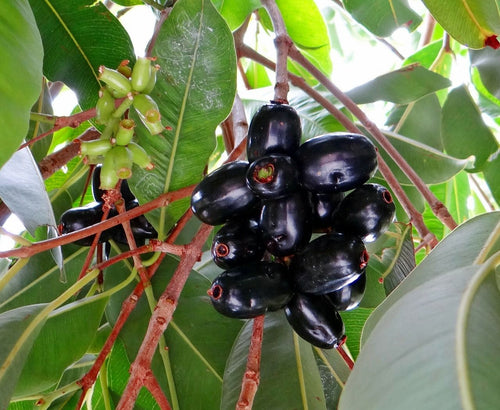
Name of Species: Jamun
Species Selection & Its Benefits
The project prioritises selecting tree species that are well-suited to the local climate and soil conditions, ensuring better survival rates, ecological balance, and sustainable income opportunities for farmers. The selected species support long-term environmental restoration while addressing local ecological and economic needs.
Jamun is a hardy, fruit-bearing tree valued for its nutritious fruits, medicinal properties, and long lifespan. It adapts well to diverse soil conditions and requires relatively low maintenance once established. The tree provides farmers with seasonal income through fruit harvests while contributing to carbon sequestration, soil conservation, groundwater recharge, and biodiversity enhancement. Its dense canopy offers shade and habitat for birds and pollinators, making Jamun an excellent choice for agroforestry initiatives that promote both environmental sustainability and rural livelihoods.
Beneficiaries Details
| SN | Farmer Name | Total Sapling | Jamun | Farm Area(Acre) | Village Name | Google Map |
| 1 | Rahul Holkar | 100 | 100 | 0.5 | Saswad | https://maps.app.goo.gl/DD2K5CGv4dp2n41m6 |
Planting Methodology and Its Advantages
Agroforestry: Agroforestry is a regenerative land-use approach that thoughtfully integrates trees within agricultural landscapes to create long-term environmental and social benefits. By planting a diverse mix of fruit-bearing and timber species, this initiative enhances soil health, promotes biodiversity, improves water retention, and supports sustainable farming practices. The approach strengthens farmers’ livelihoods by creating additional income opportunities while increasing the productivity and resilience of agricultural land. By fostering a balanced relationship between agriculture and nature, agroforestry contributes to climate resilience, ecological restoration, and sustainable rural development. Each tree planted plays a meaningful role in creating greener landscapes, supporting local communities, and building a more sustainable future for generations to come.
Advantages of Agroforestry
-
Increased Farmer Incomes: This approach helps increase farmers' income by as much as 3 times. Farmers benefit from diversified income sources, lifting economic resilience.
-
Sustainable Livelihoods: Farmers benefit from diversified income sources through the sale of fruits and other tree-based products, reducing dependence on a single crop.
-
Enhanced Biodiversity: Agroforestry creates a diverse ecosystem by integrating trees with crops, attracting pollinators, birds, and beneficial insects that support natural pest control.
-
Environmental Sustainability: This model reduces carbon emissions and promotes sustainable land management, aligning with SDG 13 (Climate Action) and SDG 15 (Life on Land).
-
Food Security & Nutritional Benefits: Fruit-bearing trees provide a direct source of food, improving local nutrition while supporting long-term agricultural productivity.
-
Carbon Sequestration & Climate Resilience: Trees absorb carbon dioxide, helping mitigate climate change while providing shade and windbreaks that reduce temperature extremes and improve microclimatic conditions.
- Soil Health and Water Conservation: Tree roots prevent soil erosion, enhance water retention, and improve soil fertility by fixing nitrogen and adding organic matter. Agroforestry systems also support groundwater recharge, reduce runoff, and improve soil moisture retention, making them ideal for drought-prone regions.
Conclusion Elements
Direct Impact
| Parameters | Values | References |
| No. of Trees Planted | 100 | |
| Carbon Sequestration Potential (KG) | 20 |
Small to medium-sized trees can sequester around 10–48 kilograms (22–106 pounds) of CO₂ annually. https://growbilliontrees.com/blogs/knowledge/how-much-co2-can-one-tree-absorb |
| Carbon Sequestration by 100 mature trees ( Tonnes/year) | 2 | No. of Trees x Carbon Sequestration by 1 mature trees per year |
| Carbon Credit Equivalent | 2 | One carbon credit is equivalent to one tonne of carbon dioxide or the equivalent amount of another greenhouse gas. |
| Carbon Footprint of an avg Indian Citizen (Tonnes/Year) | 1.8 | https://www.iea.org/countries/india/emissions |
| Offsets Annual Carbon Footprint of (Adults) | 1 | Carbon offset by 100 mature trees per year / Carbon Footprint of an avg Indian Citizen per year |
*This impact analysis is forward-looking (An Agroforestry project matures in 3-5 years)
Annual Production and Income Estimates of 100 Trees Planted
| Category | No. of Trees | Production | Total Income | Establishment Period | Income Realisation Pattern |
| Fruit | 100 | 4 Tonnes | ₹132,000 | 1-5 Years | Recurring (Annual / Multiple harvests per year) |
*Revenue/ Income outcomes in agroforestry depend on tree survival, varieties, density, management quality, climate conditions, and market prices; figures shown are indicative planning estimates, not assured returns.
Detailed Assumptions for Production and Income Estimates
| Fruit Trees | |||||||
| Plant Name | Fruit Selling Price (per Kg) | Annual Production per Tree (Kg) | No. of Trees Planted | Total Production per year (Tonnes) | Total Revenue per year | COG's + weather/pests losses | Total Income |
| Jamun | ₹60 | 40 | 100 | 4 | ₹240,000 | 45% | ₹132,000 |
| Total | 100 | 4 | ₹240,000 | ₹132,000 | |||
Indirect Impact
Community Impact
-
Empowerment of Farmers: By providing training and resources for sustainable farming practices, agroforestry equips farmers with skills to enhance productivity and adapt to environmental changes.
-
Food Security: The integration of fruit-bearing trees and crops ensures a consistent food supply, improving nutrition and reducing hunger within the community.
-
Environmental Awareness: Community involvement in tree plantation fosters a sense of responsibility for environmental conservation and promotes sustainable practices in daily life.
-
Enhanced Social Equity: Agroforestry initiatives foster enhanced social equity by empowering marginalized farmers with sustainable livelihoods, bridging economic gaps, and promoting inclusive community participation in environmental conservation efforts.
-
Resilience to Climate Change: The diverse and sustainable nature of agroforestry helps communities mitigate the impacts of climate change, including extreme weather events, by stabilizing local ecosystems.
-
Health and Well-being: Green spaces created through agroforestry improve air quality and offer a healthier environment, contributing to the physical and mental well-being of the community
Environmental Impact
-
Carbon Sequestration: Trees act as carbon sinks, absorbing significant amounts of CO2 from the atmosphere, helping to mitigate climate change and reduce greenhouse gas emissions.
-
Soil Health Improvement: Agroforestry enriches soil through organic matter from fallen leaves and roots, improving fertility, structure, and nutrient availability for crops.
-
Erosion Prevention: Tree roots stabilize the soil, reducing erosion caused by wind and water while protecting nearby agricultural fields and water bodies.
-
Biodiversity Conservation: By creating habitats for various species, agroforestry enhances biodiversity, supporting pollinators, beneficial insects, and native wildlife.
-
Water Cycle Regulation: Trees improve water retention, recharge groundwater levels, and reduce surface runoff, contributing to a more balanced and sustainable water cycle.
- Microclimate Regulation: Agroforestry moderates temperature extremes, reduces wind speeds, and increases humidity, creating favorable conditions for crop growth and ecosystem balance.
Achievements
SDG Goals Achieved through Agroforestry
-
SDG 1 (No Poverty): Agroforestry enhances the livelihoods of local farmers by providing them with multiple income streams through the cultivation of fruit-bearing trees and other crops. By improving agricultural productivity and offering sustainable employment opportunities, this initiative plays a vital role in poverty alleviation for rural communities.
-
SDG 2 (Zero Hunger): Agroforestry enhances agricultural productivity by improving soil health, reducing the need for chemical fertilizers, and providing additional food and income sources for local farmers through the cultivation of fruit-bearing trees. This initiative directly contributes to food security and economic stability for rural communities.
-
SDG 5 (Gender Equality): The initiative actively promotes the involvement of women in agroforestry practices, empowering them with knowledge, resources, and decision-making roles. Fostering gender-inclusive participation contributes to reducing inequalities and supporting women’s economic independence.
-
SDG 6 (Clean Water and Sanitation): Agroforestry practices contribute to water conservation through techniques like drip irrigation and natural water retention by tree root systems. These measures ensure sustainable water management, improving access to clean water for agricultural and community use.
-
SDG 9 (Industry, Innovation, and Infrastructure): By integrating innovative practices like drip irrigation and sustainable land management techniques, the initiative supports resilient agricultural infrastructure and drives eco-friendly innovation in farming. These advancements improve productivity and reduce environmental degradation.
-
SDG 10 (Reduced Inequalities): The agroforestry initiative bridges economic and social gaps by providing equal opportunities for small-scale farmers and marginalized groups. Through targeted support and partnerships, it ensures inclusive benefits for all participants, fostering equitable development.
-
SDG 12 (Responsible Consumption and Production): This agroforestry initiative emphasizes sustainable land management practices, integrating trees with crops to promote efficient resource use and reduce agriculture's environmental footprint. The adoption of drip irrigation systems ensures precise water delivery, minimizing wastage and enhancing productivity. By fostering responsible production processes, this initiative supports long-term ecological balance, sustainability, and improved livelihoods for farmers.
-
SDG 13 (Climate Action): The agroforestry initiative supports climate action by sequestering carbon through tree plantations, reducing atmospheric carbon dioxide levels, and enhancing climate resilience. Promoting sustainable land-use practices, it contributes to a greener and more sustainable future.
-
SDG 15 (Life on Land): Agroforestry helps restore degraded land, enhance ecosystem health, and promote biodiversity by utilizing native tree species. This initiative protects and conserves natural habitats, ensuring a sustainable balance between agricultural productivity and environmental conservation.
-
SDG 16 (Peace, Justice, and Strong Institutions): The initiative encourages community-led governance and collaborative decision-making processes, fostering trust and cooperation among stakeholders. Promoting inclusive and transparent practices, it helps strengthen local institutions and supports peaceful, sustainable development efforts.
- SDG 17 (Partnerships for the Goals): Through a strategic partnership with Grow Billion Trees, the agroforestry initiative promotes sustainable land-use practices that benefit both communities and the environment. By connecting stakeholders, supporting local farmers, and encouraging collaborative action, the partnership advances environmental sustainability, strengthens rural livelihoods, and contributes to the achievement of shared sustainable development goals.
ESG Achieved through Agroforestry
-
Environmental Impact: This agroforestry initiative is dedicated to enhancing ecosystem health and biodiversity through its commitment to planting trees. By integrating tree plantations within agricultural landscapes, the company promotes soil health by improving nutrient cycling and moisture retention, reducing the need for chemical inputs. This initiative also plays a vital role in carbon sequestration, absorbing carbon dioxide and helping mitigate climate change. The use of native tree species supports local ecosystems, fosters biodiversity, and helps restore degraded lands, contributing to a healthier and more sustainable environment.
-
Social Responsibility: This underscores social responsibility by actively involving local communities and farmers in its agroforestry initiative. The program provides training for farmers in sustainable agricultural practices, equipping them with the knowledge and skills to improve land management. The cultivation of fruit-bearing trees offers farmers additional economic opportunities, thereby enhancing livelihoods and reducing poverty in rural areas. The company also promotes inclusivity by encouraging the participation of women in agroforestry activities, supporting gender equality, and empowering communities to adopt sustainable practices.
- Governance: They embed transparency, accountability, and ethical practices in their tree plantation efforts. Through its partnership with Grow Billion Trees, the company ensures that all tree planting is conducted sustainably, meeting its environmental commitments. Full transparency is maintained by providing geo-tagged plantation locations and progress tracking, with regular updates shared with stakeholders. Internal audits and annual progress reports assess the environmental, social, and economic impacts of the initiative, ensuring ongoing accountability. By adopting this transparent and accountable governance approach, the project aligns its agroforestry initiative with its ESG (Environmental, Social, and Governance) goals. The initiative reflects the company’s commitment to sustainability, responsible land management, and its broader vision of "A Legacy of Responsibility," creating long-term value for employees, farmers, and the environment.
Building Communities
One of the most remarkable outcomes of this agroforestry project was the sense of unity and collaboration it fostered within the community. By engaging local farmers, stakeholders, and volunteers, the initiative became more than just a plantation drive it evolved into a shared mission to create a sustainable future.
-
Empowering Farmers: Farmers became active participants, not just beneficiaries, learning sustainable agroforestry practices that integrated seamlessly with their livelihoods. This newfound knowledge and ownership strengthened their confidence and resilience.
-
Fostering Partnerships: The project brought together diverse stakeholders, including Grow Billion Trees and local communities, demonstrating the power of collaboration in achieving shared environmental and social goals.
-
Creating a Ripple Effect: As the farmers witnessed the benefits of agroforestry, their enthusiasm inspired neighboring communities to explore similar sustainable practices, amplifying the project’s impact.
This initiative proved that environmental sustainability thrives when rooted in community effort. It’s not just about planting trees, it’s about planting hope, collaboration, and a shared vision for a greener tomorrow.
GBT Commitments
-
Sustainable Plantation Efforts: GBT implements projects that balance environmental, social, and economic goals, addressing issues like urban heat islands and degraded farmlands. These efforts promote ecological balance, livelihoods, and long-term climate resilience.
-
Enhancing Ecosystem Health: By selecting native species and creating diverse habitats, GBT enhances biodiversity and ecosystem resilience, ensuring long-term ecological health and supporting wildlife.
-
Ensuring Tree Survivability: GBT prioritizes native species, continuous monitoring, and soil health improvement using organic fertilizers. These efforts ensure sustainable growth and benefit the farmers and communities.
-
Transparency & Accountability: GBT provides detailed reports on tree growth, survival rates, and carbon benefits, using geo-fencing and regular updates to maintain transparency and effectiveness.
-
Long-Term Impact: GBT’s initiatives tackle environmental challenges, enhance rural livelihoods, foster climate resilience, and promote sustainable development while reducing carbon footprints.
Acknowledgment
We at Grow Billion Trees extend our deepest gratitude to all those who have contributed to the success of the agroforestry project in Saswad, Pune. This initiative, which has transformed the landscape and lives of many, would not have been possible without the support and collaboration of dedicated individuals and organizations.
-
To the Corporate: We sincerely thank you for your unwavering commitment to environmental sustainability. Your vision for a greener, more responsible future provided the foundation for this impactful project. Together, we’ve planted not just trees, but a legacy for generations to come. Your support in this initiative has paved the way for a brighter and more sustainable future for both the environment and the local farming community.
-
To the Farmers of Saswad, Pune: Your trust in the agroforestry model has been truly inspiring. By welcoming this initiative into your fields, you have not only enriched your land but have also created a ripple effect of positive change in your community. Your dedication to sustainable practices will benefit future generations, and we are honored to be a part of this journey with you. The economic and environmental transformation you are fostering is a model for others to follow.
-
To Our Partners and Volunteers: Your tireless efforts, expertise, and passion for environmental stewardship have been invaluable. You have shown that when we come together, there is no challenge too great to overcome, and no goal too distant to reach. Your contributions to this initiative have made a lasting impact, and we are deeply thankful for your collaboration.
Together, we have made significant strides in promoting sustainable agriculture, restoring ecosystems, and improving livelihoods. This is just the beginning, and we look forward to continuing our partnership to create a greener, more sustainable world for all.
Thank you for your support and dedication.
Closing Remarks
We are proud to have partnered on this meaningful agroforestry initiative, reflecting a shared commitment to sustainability, mindful living, and environmental stewardship.
Implemented in collaboration with Grow Billion Trees, the project integrates trees into agricultural landscapes to enhance soil health, conserve water, strengthen biodiversity, and enable natural carbon sequestration, supporting long-term environmental sustainability and climate action goals.
With farmers leading plantation activities, the initiative also supports livelihoods by creating additional income opportunities through timber and fruit-bearing trees, thereby balancing ecological and economic growth.
This agroforestry initiative reflects how responsible actions can nurture the environment and empower communities. Together, we continue building a greener, more resilient future one tree at a time.
Trees for Corporates - Achieve Net Zero Targets Through Strategic Tree Planting
-
 Project Closed
Trees by LIFT Team for Green Diwali: Transform Your Festival
Regular price ₹ 299Regular priceUnit price per -
Trees for a Greener Tomorrow - by Mahindra Lifespaces
Regular price ₹ 299Regular priceUnit price per -
Trees for Environment Day: Plant Your Impact on June 5th
Regular price ₹ 299Regular priceUnit price per -
Trees for Farmers: Sustainable Agroforestry Solutions for 2026
Regular price ₹ 299Regular priceUnit price per -
Trees for Employees: Transform Your Corporate Culture in 2026
Regular price ₹ 299Regular priceUnit price per

Trending Tree Plantations - Most Popular Environmental Programs
-
Trees for Birthday Celebration: Plant Meaningful Green Gifts
Regular price ₹ 299Regular priceUnit price per -
Trees for Mother
Regular price ₹ 299Regular priceUnit price per -
Trees as a Gift: Plant Hope & Create Lasting Environmental Impact
Regular price ₹ 299Regular priceUnit price per -
Trees to Honor the Memory of your Loved Ones
Regular price ₹ 299Regular priceUnit price per -
Trees for Women's Day (8th Mar)
Regular price ₹ 299Regular priceUnit price per


Most Popular Tree Plantations - Top Choices for Environmental Impact
-
Trees for Birthday Celebration: Plant Meaningful Green Gifts
Regular price ₹ 299Regular priceUnit price per -
Trees for Mother
Regular price ₹ 299Regular priceUnit price per -
Trees as a Gift: Plant Hope & Create Lasting Environmental Impact
Regular price ₹ 299Regular priceUnit price per -
Trees to Honor the Memory of your Loved Ones
Regular price ₹ 299Regular priceUnit price per -
Trees for Krishna on Janmashtami - Sacred Divine Gift ₹299
Regular price ₹ 299Regular priceUnit price per

- Choosing a selection results in a full page refresh.
- Opens in a new window.
