

Agroforestry
Trees that earn for farmers
Digital forest · Corporate
The VOIS tree plantation initiative, a CSR effort spearheaded by the Vodafone Idea Foundation and implemented by Indev Consultancy, is rooted in the transformative community forest concept. This initiative is an integral part of...
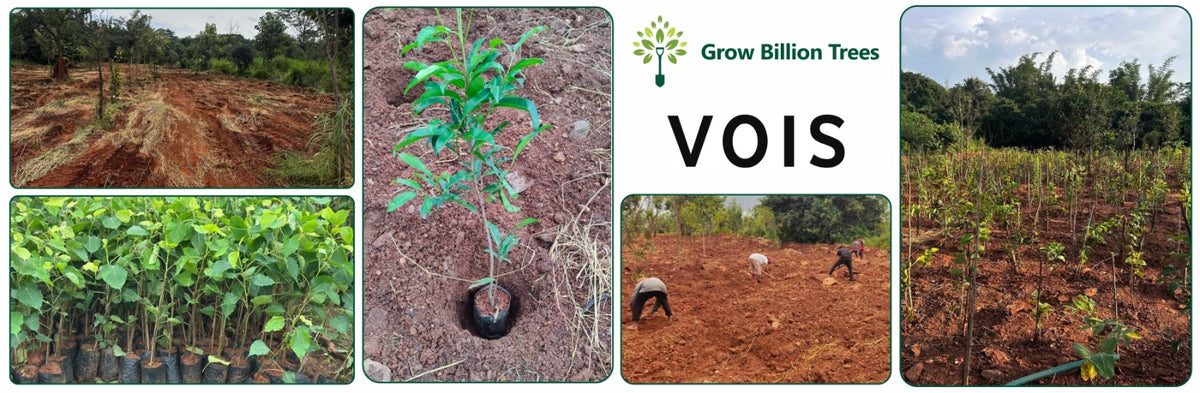
The VOIS tree plantation initiative, a CSR effort spearheaded by the Vodafone Idea Foundation and implemented by Indev Consultancy, is rooted in the transformative community forest concept. This initiative is an integral part of the Planet & Wellbeing Project, which emphasizes large-scale urban reforestation to restore green cover and foster sustainable practices in marginalized communities.
By creating community forests, the project targets carbon footprint reduction, offsets carbon emissions, and mitigates the adverse effects of climate change. It actively integrates technology to track its environmental impact and engages local communities through education, digital tools, and sustainability outreach programs. These efforts empower underserved communities to embrace climate-positive actions and enhance environmental resilience.
The plantation drive not only contributes to a greener urban landscape but also fosters long-term ecological benefits such as improved air quality, enhanced biodiversity, and climate neutrality. It stands as a testament to VOIS's commitment to promoting environmental stewardship and building a sustainable future for all.
No. of trees: 7,000 Trees
Plantation Location: Byatarayana Doddy Cross, Bengaluru, Karnataka-560083
Plantation Date: 4th September 2025 to 9th September 2025
Names of Species: Arjun, Jarul, Kadam, Karanj, Neem, Saptparni, Bakul, Sisoo, Amltash, Pipal, Kachnar, Shisham, Indian Cork (Neem Chameli), Bargad, Ashok, Belpatra, and Harsringar.
For the VOIS project, native species were carefully chosen to ensure ecological compatibility with the local environment. The species selected in the community forest are diverse, native, and ecologically significant. This thoughtful selection ensures the sustainability and functionality of the forest ecosystem while addressing multiple environmental and socio-economic needs.
The species selected for the community forest plantation are primarily native to the region, ensuring ecological compatibility and long-term sustainability. Native species are well-adapted to the local climate, soil, and ecosystem, making them resilient to environmental stresses. The plantation includes a mix of trees such as Arjun, Jarul, Kadam, Karanj, Neem, Saptparni, Bakul, Sisoo, Amltash, Pipal, Kachnar, Shisham, Indian Cork (Neem Chameli), Bargad, Ashok, Belpatra, and Harsringar, which provide habitat, resources for local fauna, and help in maintaining ecological balance.
Additionally, species like Neem and Karanj contribute to soil health by preventing erosion, enriching soil (through leaf litter and natural nutrient cycling), and offering natural remedies (Neem has antiseptic, anti-inflammatory uses; Karanj is traditionally used for skin ailments, wound healing etc.). Trees such as Bargad and Pipal play a vital role in carbon sequestration, helping mitigate climate change by absorbing CO₂ and improving air quality. Belpatra, Ashok, Bakul and Arjun trees offer medicinal properties, contributing to community health and wellness.
The layered structure of the forest promotes ecological balance, improves water retention, and enhances environmental resilience. Furthermore, the plantation supports local livelihoods through the production of medicinal products (from species like Karanj, Neem, Bakul) and the sustainable use of timber and non-timber products from species such as Sisoo, Jarul, and Ashok, contributing to both economic development and community well-being while fostering long-term environmental sustainability.
This strategic selection ensures a multi-functional forest that supports biodiversity, enhances soil and air quality, and provides socio-economic benefits to the local community.
| Total Trees Planted: 7,000 | |
| Total Species Planted: 17 | |
| Layer 1 | 15 species |
| Layer 2 | 2 species |
|
Layer 1 ( Canopy layer ) Species Count: 15 Number of Plants: 5,600 |
||||
| Sr. No | Trees name | Botanical Name | Benefits | Number of plants |
| 1 | Terminalia Arjuna | Terminalia arjuna | Supports heart health, regulates blood pressure, and improves circulation. | 350 |
| 2 | Lagerstroemia Speciosa | Lagerstroemia speciosa | May reduce blood sugar and cholesterol levels, provides antioxidant and anti-obesity activities | 350 |
| 3 | Kadamba | Neolamarckia cadamba | Aids in wound recovery, joint support, and has antifungal properties | 350 |
| 4 | Pongamia Pinnata | Pongamia pinnata | Treats tumors, skin diseases, ulcers, and has anti-inflammatory properties | 350 |
| 5 | Neem | Azadirachta indica | Possesses antiseptic, anti-inflammatory, antioxidant, and immune-boosting properties | 350 |
| 6 | Alstonia | Alstonia scholaris | Purifies blood, relieves respiratory disorders, and rejuvenates the digestive system | 350 |
| 7 | Mimusops Elengi | Mimusops elengi | Treats oral health issues, skin disorders, and respiratory conditions. | 350 |
| 8 | Sisoo | Dalbergia sissoo | Used for treating obesity, vitiligo, fever, non-healing wounds, ulcers, and intestinal parasites | 350 |
| 9 | Cassia Fistula | Cassia fistula | Provides medicinal benefits and is used for various health conditions. | 400 |
| 10 | Ficus Religiosa | Ficus religiosa | Supports digestive health, beneficial for oral health, and alleviates eye infections. | 400 |
| 11 | Bauhinia Purpurea | Bauhinia purpurea | Used in traditional medicine for various ailments and provides aesthetic value. | 400 |
| 12 | Rosewood | Dalbergia latifolia | Durable, aromatic wood with medicinal and environmental benefits. | 400 |
| 13 | Millingtonia Hortensis | Millingtonia hortensis | Known for its fragrant white flowers and used in traditional medicine for its cooling properties | 400 |
| 14 | Ficus Benghalensis | Ficus benghalensis | Provides extensive shade, supports biodiversity, and has medicinal uses | 400 |
| 15 | Saraca Asoka | Saraca asoca | Used in traditional medicine for its benefits in treating gynecological disorders and promoting overall well-being | 400 |
|
Layer 2 ( Tree Layer ) Species Count: 2 Number of Plants: 1,400 |
||||
| Sr. No | Trees name | Botanical Name | Benefits | Number of plants |
| 1 | Bilva | Aegle marmelos | Medicinal properties (aids digestion, anti-inflammatory), religious significance, fruit-bearing | 700 |
| 2 | Parijatham | Nyctanthes arbor-tristis | Ornamental tree with fragrant flowers, attracts pollinators, medicinal uses (fever, arthritis) | 700 |
Target Population: Employees, stakeholders, and local community members of Bengaluru
Age Group: All age groups focus on adults to seniors
Gender: Inclusive of all genders
Community Forest: The planting methodology for creating a community forest under this VOIS plantation project follows a two-layer structure, designed to replicate a natural forest ecosystem and enhance ecological balance.
Canopy Layer: This layer comprises native tree species selected for their ability to form a dense canopy that provides shade, supports carbon sequestration, and improves air quality. The canopy layer creates a microclimate that regulates temperature, reduces evaporation, and protects lower vegetation layers. It also serves as a habitat for birds, pollinators, and other wildlife, contributing to biodiversity.
Tree Layer: This layer includes native tree species, selected for their ability to provide shade and fruit while promoting biodiversity. The trees are planted in a structured manner, allowing for proper spacing to encourage canopy formation and maximize sunlight penetration to lower layers. This arrangement not only supports the overall ecosystem but also aids in carbon sequestration, improves air quality, and enhances the community's aesthetic and ecological value.
This two-layer approach ensures that the forest remains resilient to climatic changes, supports a diverse range of flora and fauna, and provides long-term benefits to the local community.
Advantages of Community Forest:
Biodiversity Conservation: Community forests support a rich diversity of plant and animal species by creating a natural habitat. By planting a mix of native species and maintaining a healthy ecosystem, these forests become sanctuaries for local wildlife, including endangered species. The layered structure of the forest, with trees and canopy, enhances habitats and promotes ecological balance.
Carbon Sequestration: Community forests play a crucial role in mitigating climate change by capturing and storing carbon dioxide. The trees absorb CO₂ through photosynthesis and store it in their biomass and soil, reducing the overall carbon footprint. This contribution to carbon sequestration is essential in the fight against global warming and climate instability.
Enhanced Air Quality: Trees in community forests act as natural air purifiers by absorbing pollutants like nitrogen oxides, sulfur dioxide, and particulate matter. In addition to providing oxygen, they filter harmful substances from the air, thus improving local air quality. This is particularly important in urban areas where pollution levels can be high.
Water Conservation: The site utilizes flood irrigation to ensure an ample and consistent water supply for the saplings, particularly during dry periods. This method supports the sustainable growth of trees by evenly distributing water across the plantation area. The approach helps maintain healthy ecosystems and contributes to the long-term success of reforestation efforts.
Reduction in Noise Pollution: The dense forest acts as a natural sound barrier, significantly reducing noise pollution from nearby urban areas. The multiple layers of trees and canopy absorb and deflect sound waves, creating a quieter, more peaceful environment in urban lands, benefiting both residents and wildlife by mitigating the disruptive effects of urban noise.
Improved Soil Health: The presence of diverse plant species, including nitrogen-fixing plants and organic matter from decaying leaves, contributes to soil fertility. The roots of trees and canopy help prevent soil erosion by stabilizing the soil structure, reducing runoff, and improving water infiltration. This leads to healthier, more resilient soils that can support future plant growth.
Economic Benefits: The forest serves as a sustainable source of resources such as fruits, nuts, medicinal plants, and honey, which can be harvested for local economic gain. These products create income-generating opportunities, helping to improve livelihoods. Additionally, the forest’s role in preserving water quality and soil health can lead to better agricultural yields for the surrounding community.
Social Empowerment: Community forests engage local populations in their management and upkeep, fostering a sense of ownership and responsibility. This inclusion provides employment opportunities and skill-building in areas such as forest maintenance and eco-tourism. Community involvement promotes sustainable practices, environmental awareness, and strengthens social ties, contributing to the overall well-being of the community.
Cultural and Recreational Value: Community forests can become important cultural and recreational spaces, offering local people a place to gather, connect with nature, and practice traditions. These spaces often host community events, festivals, and educational programs, strengthening social ties and fostering environmental stewardship among future generations.
Microclimate Regulation: As climate change leads to extreme weather events, community forests help mitigate its impact by acting as buffers against floods, heat waves, and droughts. The forest can regulate microclimates, cool the environment, and reduce the intensity of extreme weather. Furthermore, they act as natural disaster mitigation zones, providing shelter from storms and reducing the risks of landslides or soil erosion.
The tree plantation event was a thoughtfully designed and collaborative initiative, beginning with the Indev Consultancy team greeting the VOIS team with handmade paper flower bouquets.
Mr. Atul Dubey provided an overview of VOIS's impactful initiatives, followed by an insightful session from Mr. Satender Kumar of Grow Billion Trees (GBT), who explained advanced techniques like the Miyawaki method.
Representatives from Indev Consultancy, including Mr. Naresh Patel and Mr. Manvendra Pratap Singh, introduced a Plantation Growth Tracking module through a QR code. This module enables users to monitor sapling growth over time, view periodic updates via captured images, and access live satellite images for real-time plantation progress. The Forest Department Official also contributed valuable insights on sustainable forestry practices.
Participants then moved to the plantation site, where the Field Manager provided hands-on training on proper planting techniques, including sapling placement, tying methods, and soil preparation.Mr. Satender Kumar also assisted the participants during the plantation process, offering guidance and support to ensure proper planting and care for the saplings.
An engaging discussion on the 17 species planted deepened the participants' understanding of the ecological benefits of each species. Together, the team planted approximately 1,500 saplings, creating a sense of accomplishment and community.
Following the plantation activity, participants gathered to share their experiences. This reflective session, filled with personal stories and insights, was followed by a Q&A session led by Mr. Satender Kumar and Mr. Atul Dubey. They addressed queries while sharing their experiences and the importance of such initiatives for long-term environmental impact.
The event concluded with a heartfelt closing note from Mrs. Hema Murali of the VOIS team, summarizing the key takeaways and emphasizing the collective effort to foster a greener future. A communal lunch provided the perfect ending to a day marked by education, action, and collaboration for sustainability.
| Parameters | Values | References |
| No. of Trees Planted | 7,000 | |
| Green Cover (acres) | 1.5 | |
| Carbon Sequestration Potential (KG) | 20 |
Small to medium-sized trees can sequester around 10–48 kilograms (22–106 pounds) of CO₂ annually. https://growbilliontrees.com/blogs/knowledge/how-much-co2-can-one-tree-absorb |
| Carbon Sequestration by 7000 mature trees ( tonnes/year) | 140 | No. of Trees x Carbon Sequestration by 1 mature trees per year |
| Carbon Credit Equivalent | 140 | One carbon credit is equivalent to one tonne of carbon dioxide or the equivalent amount of another greenhouse gas. |
| Carbon Footprint of an avg Indian Citizen (tonnes/Year) | 1.8 | https://www.iea.org/countries/india/emissions |
| Offsets Annual Carbon Footprint of (Adults) | 78 | Carbon offset by 7,000 mature trees per year / Carbon Footprint of an avg Indian Citizen per year |
*This impact analysis is forward-looking (A Community Forest project matures in 3-5 years)
Increased Community Awareness: Through involvement in plantation and maintenance activities, the project inspires local communities to adopt sustainable practices and recognize the importance of green spaces. Hands-on involvement in the plantation process further engages the community, fostering long-term environmental stewardship.
Healthier Communities: The initiative improves air quality by filtering pollutants, reducing respiratory issues, and promoting lung health. It also boosts mental well-being by providing green spaces that reduce stress and anxiety. Furthermore, urban tree cover cools neighborhoods, mitigating heat islands and creating more comfortable living conditions, particularly during hot summers.
Community Bonding and Engagement: By involving local communities and VOIS employees, the initiative fosters collaboration and strengthens community bonds. It engages younger generations, instilling environmental responsibility and encouraging long-term participation in sustainability efforts.
Employee Morale: The initiative fostered a sense of pride and connection among employees, strengthening team bonds and their alignment with the company’s values.
Biodiversity Enhancement: The initiative contributes to biodiversity by creating habitats for various species of birds, insects, and small mammals. Green spaces in urban areas help support ecosystems, encouraging wildlife to thrive in cities.
Carbon Sequestration: Each tree planted captures and stores carbon dioxide, contributing to climate change mitigation. By increasing green cover, the project helps offset emissions, supporting global efforts to combat climate change.
Water Management: Trees help manage stormwater by absorbing rainfall, reducing surface runoff, and preventing waterlogging. This contributes to better water management in urban areas, preventing flooding and improving groundwater levels.
Improved Air Quality: Trees absorb carbon dioxide and release oxygen, improving air quality. They act as natural air filters by trapping dust, pollutants, and particulate matter, reducing respiratory diseases, and promoting cleaner air in urban areas.
Soil Conservation and Erosion Prevention: Tree roots play a vital role in preventing soil erosion by stabilizing the ground. This helps reduce the risk of flooding, particularly in urban areas where impervious surfaces dominate.
Reduction of Urban Heat Island Effect: Trees help mitigate the urban heat island effect by providing shade and cooling the environment. This reduces the need for air conditioning, leading to lower energy consumption and decreased carbon footprints.
SDG 3(Good Health and Well-being): Community forests contribute to better air quality, reducing air pollution and its associated health risks. Urban green spaces have been linked to improved mental health and well-being, offering stress relief and spaces for physical activities like walking and jogging, thereby supporting healthier lifestyles.
SDG 6(Clean Water and Sanitation): Trees planted under the initiative help in water conservation by improving groundwater recharge and reducing water runoff. Their root systems stabilize soil, prevent erosion, and improve water retention, contributing to the protection of local water resources.
SDG 8(Decent Work and Economic Growth): The creation and maintenance of community forests generate employment opportunities for local communities, especially for those involved in pre-plantation site preparation, sapling care, and maintenance. This contributes to inclusive economic growth and promotes green jobs within the community.
SDG 11(Sustainable Cities and Communities): By transforming urban spaces into green, sustainable environments, the initiative promotes livable, healthier, and more climate-resilient cities. The increase in tree cover reduces the urban heat island effect, enhances air quality, and provides green public spaces that contribute to mental well-being and quality of life for urban communities.
SDG 12(Responsible Consumption and Production): The initiative encourages the responsible use of natural resources by promoting sustainable land use and minimizing environmental degradation. It also instills a culture of environmental responsibility among employees and local communities, encouraging them to adopt sustainable consumption practices.
SDG 13(Climate Action): The tree plantation initiative actively contributes to climate action by increasing green cover and promoting carbon sequestration. By capturing atmospheric carbon dioxide, the initiative helps offset carbon emissions and mitigate the adverse effects of climate change. This aligns with global efforts to limit temperature rise and reduce the impacts of climate-related disasters.
SDG 15(Life on Land): Community forests established through this initiative support biodiversity conservation by creating natural habitats for birds, insects, and other wildlife. The initiative enhances urban biodiversity, protects natural ecosystems, and contributes to ecological restoration in degraded areas, ensuring sustainable use of terrestrial ecosystems.
Environmental Impact: The VOIS Tree Plantation Initiative in the community forest concept contributes significantly to environmental sustainability by increasing urban green cover, enhancing biodiversity, and mitigating the impacts of climate change. The initiative supports carbon sequestration by planting trees that absorb carbon dioxide from the atmosphere, helping to offset carbon emissions. Additionally, it reduces the urban heat island effect, improves air quality by filtering pollutants, and promotes soil health through tree root systems that prevent erosion and improve water retention. Through these efforts, the initiative directly contributes to the reduction of environmental degradation, fostering a healthier, more sustainable urban ecosystem.
Social Impact: The initiative also makes a strong social impact by actively engaging local communities, employees, and other stakeholders in tree planting and maintenance activities. Involving employees from VOIS, Indev Consultancy, and local residents fosters a sense of community responsibility and environmental stewardship. The project promotes education and awareness about sustainability, climate change, and the importance of green spaces, empowering communities to take part in environmental protection. Moreover, the increase in green cover contributes to enhanced well-being by providing cleaner air, reducing noise pollution, and offering spaces for relaxation and physical activities, ultimately improving the quality of life in urban areas.
Promoting Environmental Awareness: Engaging employees and local communities in tree-planting drives helps to raise awareness about environmental issues. These activities foster a deeper understanding of sustainability and encourage a collective commitment to protecting the environment, creating a shared responsibility for future generations.
Strengthening Partnerships: Building partnerships with NGOs, local organizations, and community groups helps expand the reach of green initiatives. These collaborations leverage local expertise, resources, and networks, enhancing the effectiveness of the tree-planting projects and ensuring greater participation from diverse community members.
Community Ownership: By actively involving community members in decision-making, planting, and ongoing maintenance of the forest, the project strengthened local engagement. This collaborative approach fostered a deep sense of ownership and responsibility, ensuring the forest's care and sustainability became a shared priority for all.
Social Inclusion: Ensuring that people from all socioeconomic backgrounds are involved in environmental activities creates a sense of unity and collective action. Social inclusion in these initiatives promotes equality, helps bridge gaps between communities, and ensures that the benefits of environmental improvements are shared by all.
Shared Benefits: Greener spaces bring a range of ecological, economic, and social benefits to communities. These include improved air quality, better mental and physical health, increased economic opportunities through sustainable practices, and a stronger sense of community well-being, ultimately enhancing the quality of life for residents.
These initiatives help VOIS build resilient and empowered communities that actively contribute to environmental stewardship and sustainability.
Ensuring Tree Survivability: GBT prioritizes native species, continuous monitoring, and soil health improvement using organic fertilizers. These efforts ensure sustainable growth and benefit communities.
Transparency & Accountability: GBT provides detailed reports on tree growth, survival rates, and carbon benefits, using geo-fencing and regular updates to maintain transparency and effectiveness.
Sustainable Plantation Efforts: GBT implements projects that balance environmental, social, and economic goals, addressing issues like urban heat islands and degraded farmlands. These efforts promote ecological balance, livelihoods, and long-term climate resilience.
Enhancing Ecosystem Health: By selecting native species and creating diverse habitats, GBT enhances biodiversity and ecosystem resilience, ensuring long-term ecological health and supporting wildlife.
Long-Term Impact: GBT’s initiatives tackle environmental challenges, foster climate resilience, and promote sustainable development while reducing carbon footprints.
We at Grow Billion Trees extend our heartfelt gratitude to all those who have contributed to the success of the VOIS Tree Plantation Initiative in collaboration with Vois, Indev Consultancy, and the local community. This transformative project, aimed at restoring ecosystems and enhancing biodiversity, would not have been possible without the collective efforts, trust, and collaboration of numerous dedicated individuals and organizations.
To VOIS: A special thanks to VOIS for their vision and commitment to sustainability, driving this initiative that aims to create a lasting positive impact on the environment and local communities. Their dedication to fostering biodiversity, combating climate change, and promoting environmental stewardship has been the cornerstone of this project.
To Indev Consultancy: We also extend our deepest appreciation to Indev Consultancy for their technical expertise, strategic guidance, and on-the-ground support. Their experience in project management, coupled with their commitment to environmental and community sustainability, has ensured the project's seamless execution.
To The Forest Department: Special thanks to the Forest Department for their ongoing support and for granting the necessary permissions, providing electricity connections, and facilitating water supply, which made the project feasible in the Byatarayana Doddi village area.
To Our Field Teams and Volunteers: Thank you for your passion, expertise, and hard work. Your contributions, both in terms of time and effort, have made this project possible. You have shown that collective action, shared values, and dedication can bring about meaningful, lasting change. We are immensely grateful for your expertise and commitment to ensuring the success of this project. Your knowledge of sustainable forestry and dedication to maintaining plant health have played a crucial role in the growth and sustainability of the forest.
Together, we have made significant strides toward creating a healthier, more sustainable ecosystem. This initiative is only the beginning, and we look forward to continuing our collaboration with all stakeholders to ensure the long-term success of this project and its positive impact on the environment and local communities.
Thank you for your continued support and commitment to sustainability.
In conclusion, the VOIS Tree Plantation Project represents a significant step towards environmental restoration and sustainability. Through the strategic planting of native tree species, community engagement, and innovative methodologies, we have not only contributed to improving the ecosystem but also created lasting benefits for the local communities and the broader region.
The collaboration between VOIS, Indev Consultancy, local communities, and various stakeholders has been the key to the success of this initiative. The project's achievements in biodiversity enhancement, carbon sequestration, and community empowerment serve as a model for future environmental efforts.
As we look ahead, we remain committed to nurturing this forest, ensuring its growth, and continuing to work towards creating greener, healthier ecosystems. The VOIS Tree Plantation Project serves as a reminder of the collective responsibility we share in safeguarding our planet for future generations.
We thank all those involved for their dedication and support, and we look forward to the continued success of this project as it evolves and grows.
Photos from the site, from planting day onwards.
Every tree in this forest, with the name and message of the person or company who planted it.
Undisclosed contributors
The people and companies who planted this forest have chosen not to list their names.
Plan a forest for your company, school or family, with its own digital forest page.
Plan a forestAbout Grow Billion Trees
We plant, geo-tag and look after every tree for three years, for companies, NGOs and families.


Pick the programme that fits your land, goal and budget.
Every pin is a project with its own digital forest. Filter by programme or state, or search for a company.
Pins show the approximate area of each project, not exact plot locations. Updated 2026-10-21.
Trees for birthday celebration offer the most meaningful way to mark another year of life while nurturing our planet's future. Instead of tradition...
View full detailsDescription: Every day is Mother's Day, take a moment to celebrate and honor the Nurturing Mothers in your life who have guided, encouraged, and lo...
View full detailsTrees as a gift represent the most meaningful way to celebrate special occasions while combating climate change through collective action. Unlike t...
View full detailsDescription: Honoring the memory of a loved one with a tree planting can be a powerful and enduring way to pay tribute to their life. Trees offer c...
View full detailsWelcome to a wonderful way of celebrating Janmashtami by planting trees for Krishna! Our sacred tree planting service offers a divine gift for just...
View full detailsDescription: Let's take a moment on this Women's Day to appreciate and honor the exceptional women in our lives who have inspired, encouraged, and ...
View full detailsDescription: "Celebrating your wedding anniversary by planting trees can be a meaningful and environmentally friendly way to honor your commitment ...
View full detailsTrees for friendship create lasting memories while nurturing our planet. When you plant a tree with friends, you're not just growing roots in the e...
View full detailsDescription: Let's take a moment to honor and celebrate the wise and nurturing grandmothers in your life who have shared their love, experience, an...
View full detailsDescription: Take a moment to celebrate and honor your Grandfather who has supported, inspired, and loved you unconditionally. Show your appreciati...
View full details


