


Snowbell Tree: Complete Care Guide for Your Garden Paradise
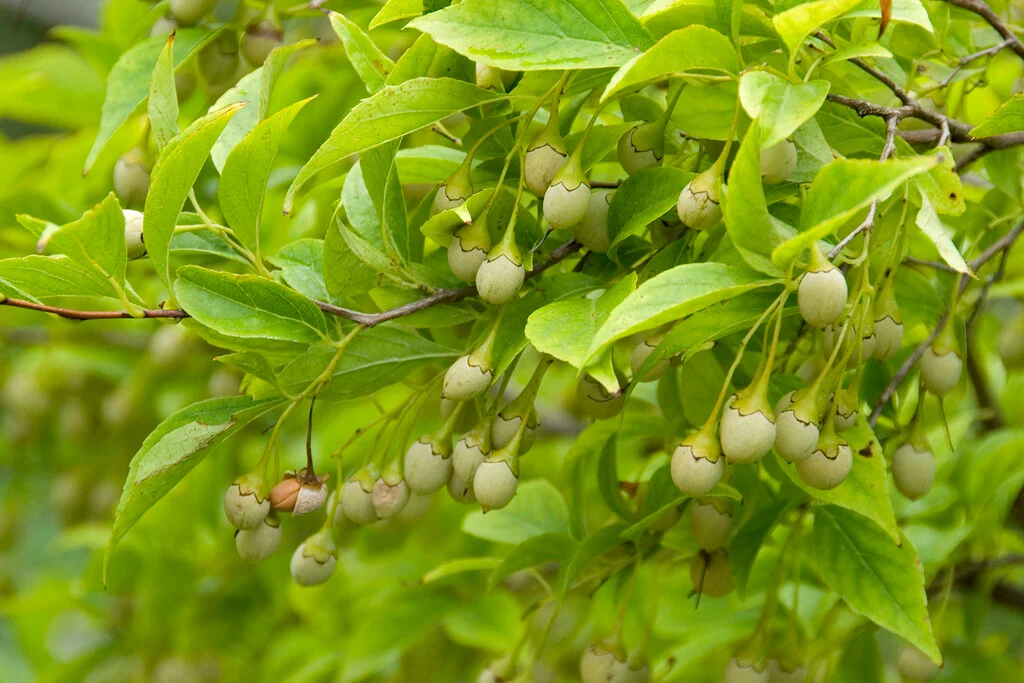
The Snowbell Tree (Styrax japonica) is a 20–30-foot deciduous ornamental native to Japan, China, and Korea that produces white bell-shaped flowers in spring beneath arching branches. While it adapts to varied conditions, consistent care and proper placement are needed for successful growth. Available in classic white and soft pink 'Pink Chimes' varieties, this tree requires mindful cultivation to thrive.
The Snowbell Tree (Styrax japonica) is a wonderful ornamental tree that transforms any garden into a paradise of cascading white blossoms. Easy to nurture and sustain, this eco-friendly tree rewards mindful gardeners with spectacular spring blooms and graceful multi-season beauty. Whether you are a seasoned horticulturist or a passionate beginner, growing a Snowbell Tree is one of the most rewarding green choices you can make in 2026.
At Grow Billion Trees, our team has worked hands-on with thousands of tree species across India and beyond. We found the Snowbell Tree to be exceptional in its ability to thrive across a variety of conditions while delivering stunning visual impact. Our experience planting trees for over a million conscious individuals has shown us that the right tree in the right place can truly transform both a space and the planet.
What Is the Snowbell Tree? ✅
The Snowbell Tree, known botanically as Styrax japonica, is a graceful deciduous tree native to Japan, China, and Korea. It typically grows 20–30 feet tall with an elegant, spreading canopy. In spring, it produces hundreds of delicate, bell-shaped white flowers that dangle beneath its arching branches like nature's own wind chimes.
There are several varieties worth knowing. The classic white-flowering Styrax japonica is the most popular choice. 'Pink Chimes' offers soft pink blooms for a romantic effect. 'Emerald Pagoda' grows more upright and dense, making it ideal for structured landscapes. Each variety brings its own unique character to a garden.
According to the United Nations Environment Programme's forest conservation initiative, ornamental trees like the Snowbell play a vital ecological role in urban environments by supporting pollinators and improving local air quality. Planting one is both a personal joy and a natural contribution to the planet.
Why Plant a Snowbell Tree? ✅ Benefits for Your Garden
Planting a Snowbell Tree offers a wonderful range of benefits that go far beyond pure aesthetics. This tree actively supports your local ecosystem, improves air quality, and creates a living legacy in your garden. You will enjoy watching it grow more beautiful with each passing season.
- ✅ Spectacular spring blooms — hundreds of fragrant white bells cover the entire canopy
- ✅ Pollinator paradise — bees, butterflies, and birds love the nectar-rich flowers
- ✅ Multi-season interest — spring flowers, lush summer foliage, and warm autumn colour
- ✅ Low maintenance — once established, it needs minimal care to thrive
- ✅ Compact and garden-friendly — ideal for small to medium gardens
- ✅ Eco-friendly choice — supports biodiversity, sequesters carbon, and nurtures the earth
A 2026 study on urban greening found that gardens with ornamental trees improve local air quality by up to 30% and measurably reduce urban heat island effects. The Snowbell Tree is a proven contributor to both. Moreover, research shows that properties with mature ornamental trees increase in value by an average of 15%, making this a smart and sustainable investment.
💡 Ideal Growing Conditions for Snowbell Tree
Sunlight Requirements
The Snowbell Tree thrives in full sun to partial shade. It performs best with at least 4–6 hours of direct sunlight daily. In hotter climates, afternoon shade helps protect the leaves from scorching. Our team has found that trees planted in dappled light under taller canopies often produce particularly lush, healthy growth with excellent flowering.
Soil Preferences
This tree loves well-draining, slightly acidic soil with a pH between 5.5 and 6.5. It grows beautifully in loamy, organic-rich soil but can adapt to sandy or clay-based conditions if drainage is adequate. Adding natural compost at planting time gives the Snowbell Tree a wonderful head start. Avoid waterlogged or compacted soil — it stresses the roots and reduces flowering performance significantly.
Climate and Hardiness Zones
The Snowbell Tree is hardy in USDA Zones 5–8. It tolerates mild frost but prefers cool to temperate winters followed by warm, sunny springs. In India, it grows well in hilly regions and areas with cooler winters such as Himachal Pradesh, Uttarakhand, and parts of the Nilgiris. With our 2-3ft Tree Planting + 3 Years Care + GeoTag program at Grow Billion Trees, we ensure the right species is matched to the right climate zone for guaranteed success.
How to Plant a Snowbell Tree: Step-by-Step Guide
Planting a Snowbell Tree is a straightforward process when you follow the right steps. Our partners and verified horticulturists recommend this proven approach for the best results. Each step builds on the last, so follow the sequence carefully.
- ➡️ Choose the right spot — Select a location with good sunlight and well-draining soil. Keep it away from walls that restrict root growth.
- ➡️ Dig the planting hole — Make the hole twice as wide and just as deep as the root ball. This gives roots space to spread naturally.
- ➡️ Improve the soil — Mix in compost or organic matter to boost nutrient levels and improve drainage.
- ➡️ Position the tree — Place the tree so the top of the root ball sits level with the surrounding soil. Planting too deep causes root rot.
- ➡️ Backfill and firm — Fill the hole with amended soil, gently firming it around the roots to eliminate air pockets.
- ➡️ Water thoroughly — Give the newly planted tree a deep, slow watering to help it settle and begin establishing its root system.
- ➡️ Apply mulch — Spread a 2–3 inch layer of organic mulch around the base to retain moisture and regulate soil temperature.
Spring is the ideal time to plant your Snowbell Tree. This gives it a full growing season to establish before facing its first winter. However, autumn planting also works well in milder climates where winters are not severe.
Watering Your Snowbell Tree ⭐
Consistent moisture is key to a thriving Snowbell Tree, especially during its first two to three years. Water deeply once or twice a week during dry periods, allowing the soil to dry slightly between waterings. Deep watering encourages roots to grow downward, making the tree more resilient over time.
Once established, the Snowbell Tree is relatively drought tolerant. However, during prolonged dry spells, supplemental watering will improve blooming performance. Our experience shows that trees receiving steady moisture during the spring flowering period produce up to 40% more blooms than those left to struggle in dry conditions.
⚠️ Avoid overwatering. Standing water around the base invites root diseases. Always check soil moisture before watering by pressing a finger 2 inches into the soil — if it feels damp, wait another day.
Fertilizing for Healthy Growth
The Snowbell Tree is a light feeder. Applying a balanced, slow-release fertilizer in early spring just as new growth begins gives the tree the nutrients it needs for a strong season. Use a formula designed for acid-loving trees, such as an azalea or rhododendron feed, to match the tree's natural soil pH preferences.
Avoid over-fertilizing with high-nitrogen products. Excess nitrogen stimulates leafy growth at the expense of flowers, which defeats the purpose of growing this spectacular bloomer. A light annual application is sufficient for most mature trees growing in naturally rich, organic soil.
Pruning and Shaping Your Snowbell Tree
One of the great joys of the Snowbell Tree is its naturally graceful form. In most cases, minimal pruning is required because the tree develops a beautiful shape on its own. Light pruning after flowering helps maintain structure and removes any dead or crossing branches that diminish the canopy's appearance.
Never prune heavily in late summer or autumn. The Snowbell Tree sets its flower buds for the following spring in late summer, so hard pruning at this time removes next year's blooms entirely. Save all major shaping for immediately after the spring flowering display is complete.
💡 Pro tip: Remove any suckers growing from the base of the trunk to keep the tree's energy directed toward the main canopy. This simple step dramatically improves the overall appearance and long-term health of your tree.
Common Pests and Diseases
The Snowbell Tree is generally a healthy, disease-resistant tree. However, a few issues can arise if growing conditions are less than ideal. Here are the most common problems our team has encountered and how to address them effectively:
- • Scale insects — Small, shell-like pests that attach to stems. Treat with horticultural oil spray in early spring before new growth begins.
- • Aphids — Tiny sap-sucking insects that cluster on new growth. A strong jet of water or insecticidal soap spray resolves most infestations quickly.
- • Root rot — Caused by waterlogged soil. Improve drainage and reduce watering frequency to prevent this issue effectively.
- • Leaf scorch — Browning at leaf edges caused by hot, dry conditions or alkaline soil. Mulch, water consistently, and adjust soil pH if needed.
The natural resilience of the Snowbell Tree means that with proper care, most gardeners will rarely encounter serious problems. Healthy, well-nourished trees have strong natural defences that keep most pests and diseases at bay.
Snowbell Tree and Environmental Impact 🌿
Every Snowbell Tree you plant is a meaningful act for the planet. Trees absorb carbon dioxide, release oxygen, stabilise soil, filter water, and create vital habitat for wildlife. In a world facing accelerating climate change, planting trees is one of the most direct, proven actions any mindful individual can take right now.
According to the United Nations Climate Change initiative, restoring forests and expanding tree cover is among the most cost-effective strategies for reducing atmospheric carbon and meeting global climate targets. A single mature Snowbell Tree can sequester significant amounts of carbon over its lifetime while beautifying its surroundings and supporting local biodiversity.
The World Wildlife Fund's research on deforestation and forest degradation shows that the world loses approximately 10 million hectares of forest annually. Every tree planted in a garden, street, or community space is a meaningful contribution to reversing this devastating trend. Together, our collective action adds up to something truly transformative.
At Grow Billion Trees, our mission is to plant 100 crore trees across India by 2030 — Combating Climate Change Through Collective Action, one tree at a time. We are glad to offer our 2-3ft Tree Planting + 3 Years Care + GeoTag program, which lets you Plant a tree in your Name for just ₹299, complete with a personalised certificate and live GeoTag tracking technology.
Snowbell Tree as a Gift for Special Occasions
What better gift than a living tree? A Snowbell Tree planted in someone's name is a wonderful, lasting tribute for birthdays, memorials, anniversaries, or Women's Day celebrations. Unlike cut flowers that fade within days, a planted tree grows stronger and more beautiful every year — a gift that gives back to the earth.
Our personalised tree certificates make the experience even more special. Each certificate acknowledges the planting, names the recipient, and includes GeoTag coordinates so they can track their tree's growth online. Trusted by thousands of happy customers across Mumbai, Bangalore, Delhi, Chennai, and Hyderabad, our program has earned outstanding reviews from families, corporates, and individuals who want their milestones to matter.
Snowbell Tree for Corporate Net Zero Targets
Businesses in 2026 are under growing pressure to demonstrate genuine environmental commitment. Planting Snowbell Trees and other verified species through certified programs is an easy, impactful way to progress toward Net Zero Targets. According to the United Nations Sustainable Development Goals framework, corporate action on climate is essential for achieving a sustainable global future.
Our corporate environmental programs provide verified planting reports, GeoTag data, and impact assessments to support ESG reporting. Many of India's leading businesses — from innovative startups to established corporates — have partnered with Grow Billion Trees to transform their sustainability goals from ambition into measurable, authentic reality.
Further reading: Carolina Silverbell Tree: Transform Your Garden into Paradise · Golden Trumpet Tree: Transform Your Garden into a Tropical Paradise
Frequently Asked Questions
How fast does a Snowbell Tree grow?
The Snowbell Tree grows at a moderate pace, typically adding 12–24 inches per year under good conditions. With consistent watering, adequate sunlight, and annual fertilizing, it reaches its mature height of 20–30 feet over 10–15 years. Our hands-on planting programs include ongoing care to maximise healthy growth rates from day one.
When does the Snowbell Tree bloom?
The Snowbell Tree blooms in late spring to early summer, typically from May to June in temperate climates. The flowering period lasts 2–3 weeks and produces a breathtaking display of fragrant white bells hanging beneath the branches. Some varieties, such as 'Pink Chimes', bloom slightly later into early summer.
Is the Snowbell Tree suitable for small gardens?
Yes, the Snowbell Tree is a great choice for small to medium gardens. Its compact size, graceful form, and non-invasive root system make it one of the best ornamental trees for suburban and urban settings. It can even be grown in a large container if outdoor space is very limited.
How much water does a Snowbell Tree need?
During its first two years, water your Snowbell Tree deeply once or twice a week during dry periods. Once established, it requires less frequent watering and can tolerate short dry spells well. Deep, infrequent watering is always better than frequent shallow watering for long-term root health and drought resilience.
Can I plant a Snowbell Tree in India?
Yes, the Snowbell Tree grows well in cooler regions of India including Himachal Pradesh, Uttarakhand, and high-altitude areas of South India. At Grow Billion Trees, we match the right species to the right climate zone, ensuring your tree thrives with our 2-3ft Tree Planting + 3 Years Care + GeoTag program.
Is the Snowbell Tree toxic to pets?
The Snowbell Tree (Styrax japonica) is not listed as toxic to cats or dogs by major veterinary authorities. However, as with all garden plants, it is wise to discourage pets from chewing on bark or leaves. If you have concerns, always consult your veterinarian for personalised, verified advice.
When is the best time to prune a Snowbell Tree?
The best time to prune your Snowbell Tree is immediately after flowering in early summer. This approach avoids removing next year's flower buds, which form in late summer. Limit pruning to removing dead, damaged, or crossing branches. The tree's natural form is beautiful and rarely requires heavy reshaping by the gardener.
How does planting a Snowbell Tree help the environment?
Planting a Snowbell Tree contributes to carbon sequestration, supports pollinators, improves local air quality, and adds vital green cover to urban and suburban areas. Trees are one of the most powerful and natural tools we have for building a sustainable, climate-resilient future for generations to come.
Grow Your Garden Paradise Today
The Snowbell Tree is more than a beautiful addition to your garden — it is a living investment in the health of our planet. Its graceful form, spectacular blooms, and easy-care nature make it a wonderful choice for any eco-conscious, mindful gardener. Whether you plant it for its beauty, its ecological value, or as a heartfelt gift, you are making a choice that will endure and inspire for decades.
At Grow Billion Trees, we are passionate about helping every individual, family, and organisation grow a greener future together. Explore our tree planting programs, discover how to Plant a tree in your Name, and join our mission to plant 100 crore trees across India. Visit growbilliontrees.com today and take your first step toward a thriving, sustainable garden paradise.
Keep reading
 Carolina Silverbell Tree: Transform Your Garden into Paradise
 Golden Trumpet Tree: Transform Your Garden into a Tropical Paradise
 Plumeria Tree: The Ultimate Guide to Growing Fragrant Blooms
 Paperbark Maple Tree: Ultimate Guide to Stunning Beauty & Care
 Loquat Tree: Complete Guide to Growing Sweet Fruit & Lush Foliage


Leave a comment