
Paperbark Maple Tree: Ultimate Guide to Stunning Beauty & Care
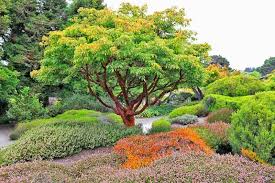
The Paperbark Maple (Acer griseum) is a small to medium-sized deciduous tree native to central China, typically growing 20–30 feet tall. Its most distinctive feature is exfoliating, cinnamon-red bark that reveals burnished inner layers, especially vivid in winter. Trifoliate leaves turn brilliant orange-red in autumn, providing year-round ornamental value.
The Paperbark Maple Tree (Acer griseum) is one of the most stunning ornamental trees you can grow today. Its warm, cinnamon-red, peeling bark makes it a year-round showstopper in any garden or landscape. Whether you are a seasoned gardener or planting your very first tree, this guide gives you everything you need to nurture this remarkable species. Our team at Grow Billion Trees has hands-on experience planting and managing trees across India — and the Paperbark Maple holds a truly special place in our hearts.
What Is the Paperbark Maple Tree? ⭐
The Paperbark Maple (Acer griseum) belongs to the Aceraceae family and is native to the Hubei and Sichuan provinces of central China. It is a small to medium-sized deciduous tree, typically growing 20 to 30 feet tall. Plant explorer Ernest Wilson introduced it to Western horticulture in the late 19th century. Today, it is celebrated worldwide as one of the most beautiful and sustainable choices for ornamental planting.
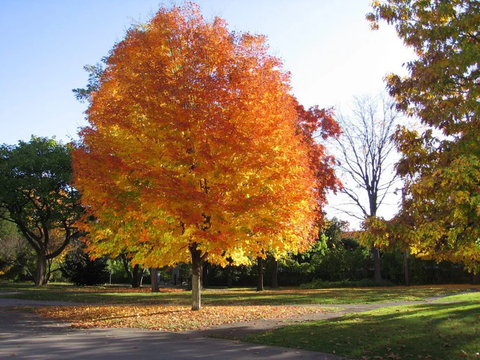
Its most defining feature is its exfoliating bark. The outer layers peel back to reveal a rich, burnished, cinnamon-red interior beneath. This bark display is most vivid in winter when the tree is bare. Moreover, the Paperbark Maple produces stunning trifoliate leaves that turn brilliant orange and red each autumn. Therefore, it delivers genuine visual impact across all four seasons — a rare quality in any single tree.
According to the United Nations Environment Programme's forests initiative, ornamental and native trees play a critical role in urban biodiversity and carbon sequestration. The Paperbark Maple contributes meaningfully to both goals, making it an eco-friendly and purposeful planting choice.
Why the Paperbark Maple Tree Stands Out ⭐
Few trees match the Paperbark Maple for multi-season ornamental value. Here is what makes it truly exceptional and worth growing:
- ✅ Peeling cinnamon bark — a living sculpture visible in every season
- ✅ Brilliant autumn colour — deep red, orange, and scarlet foliage
- ✅ Compact size — ideal for small gardens, courtyards, and urban green spaces
- ✅ Long lifespan — with proper care, it can thrive for over 100 years
- ✅ Wildlife value — supports pollinators, birds, and small insects
- ✅ Low maintenance — once established, it is easy and enjoyable to care for
Our experience planting trees across India shows that ornamental species like the Paperbark Maple transform urban spaces into green sanctuaries. They improve mental well-being, reduce urban heat, and boost local biodiversity. In 2026, urban greening is not a luxury — it is a proven environmental necessity. We are glad to see more conscious gardeners choosing this wonderful species.
Paperbark Maple Tree: Ideal Growing Conditions 💡
Understanding the right growing conditions is key to a healthy, thriving Paperbark Maple. Based on our hands-on experience, here is what works best for this species in diverse climates.
Sunlight Requirements
The Paperbark Maple thrives in full sun to partial shade. It performs best with at least four to six hours of direct sunlight daily. However, in hot climates, afternoon shade helps protect the delicate leaves from scorching. Position your tree to enjoy morning sun and gentle afternoon shade for the most natural, healthy growth.
Soil Preferences
This tree prefers well-drained, loamy soil with a slightly acidic to neutral pH between 6.0 and 7.5. It does not tolerate waterlogged or compacted soils well. Organic-rich soil boosts growth significantly. We ensure every planting site is carefully assessed for drainage before a tree goes into the ground — this small step makes a great difference.
Climate and Hardiness
The Paperbark Maple is hardy in USDA zones 4 to 8. It tolerates cold winters and moderate summers very well. In India, it grows best in cooler regions such as Himachal Pradesh, Uttarakhand, and parts of the Western Ghats. Our partners in these regions have successfully cultivated this species in eco-restoration and agroforestry projects with wonderful results.
Watering Needs
Young trees need regular watering — about once or twice per week — for the first two growing seasons. After establishment, they are moderately drought-tolerant. Deep, infrequent watering is far better than shallow, frequent watering. This approach encourages deep root development and a naturally resilient, healthy tree.
How to Plant a Paperbark Maple Tree → Step by Step
Planting correctly from the start gives your Paperbark Maple the best chance to thrive for generations. Follow these steps carefully for lasting success:
- → Choose your site — Select a location with good drainage and adequate sunlight access.
- → Dig a wide hole — Make the hole two to three times the width of the root ball and equally deep.
- → Improve the soil — Mix in organic compost to boost nutrients and improve soil structure naturally.
- → Position the tree — Place the root ball so the trunk flare sits at or slightly above ground level.
- → Backfill and firm — Fill with the amended soil, gently pressing to remove air pockets.
- → Mulch generously — Apply a 3-inch layer of organic mulch around the base, keeping it clear of the trunk.
- → Water deeply — Give a thorough initial watering to settle the soil and hydrate the roots.
⚠️ Important: Never plant your Paperbark Maple too deep. Burying the trunk flare is one of the most common and damaging mistakes. It leads to root rot and gradual tree decline over time.
Caring for Your Paperbark Maple Tree
Once planted, this tree is relatively easy and enjoyable to maintain. However, consistent, mindful care in the early years makes a wonderful difference to long-term health. Here is what our team has found works best across different climates and soil types.
Fertilising
Apply a balanced, slow-release organic fertiliser in early spring each year. Avoid high-nitrogen formulas, which promote excessive leafy growth at the expense of the tree's natural beauty. A 10-10-10 organic blend applied once per year is ideal for young trees. We recommend certified organic products to keep the soil ecosystem healthy and sustainable.
Pruning
The Paperbark Maple requires minimal pruning and is better left to its natural form. Remove dead or crossing branches in late winter while the tree is dormant. Avoid heavy pruning, as this species does not respond well to drastic cutting. Light shaping to maintain an open, graceful structure is sufficient and keeps the tree healthy and happy.
Pest and Disease Management
This tree is generally resistant to most common pests and diseases. However, watch for aphids, scale insects, and verticillium wilt in poorly drained soils. Certified organic neem oil spray is an effective, eco-friendly treatment for most insect pests. Healthy soil and correct watering are your best long-term defences against disease.
Winter Care
The Paperbark Maple is cold-hardy, but young trees benefit from a layer of organic mulch around the root zone to insulate against frost. The peeling bark becomes more vivid and warm-toned in cold months. Many gardeners love this tree most in winter — its glowing cinnamon bark shines against a grey, bare landscape in a truly beautiful way.
Paperbark Maple Tree and Its Environmental Impact 🌍
Planting a Paperbark Maple is a direct, meaningful act of environmental stewardship. According to WWF's research on deforestation and forest degradation, the world loses millions of acres of forest every year. Every single tree planted is a verified step toward reversing this alarming trend.
Trees like the Paperbark Maple actively:
- • Sequester carbon dioxide and help combat climate change year-round
- • Provide secure habitat for birds, insects, and small mammals
- • Reduce urban heat island effects in cities like Mumbai, Bangalore, and Delhi
- • Improve soil structure and prevent erosion on sloped land
- • Boost the mental well-being of people who live and work near green spaces
The United Nations Climate Change Action framework recognises tree planting as one of the most proven and cost-effective tools for reducing atmospheric carbon. When you plant a Paperbark Maple, you are joining a global, collective movement to restore our planet's green cover — one tree at a time.
The Paperbark Maple and Our Mission to Plant 100 Crore Trees
At Grow Billion Trees, our mission is to plant 100 crore trees across India by June 2030. Combating Climate Change Through Collective Action is not just our tagline — it is our daily, ground-level work. We partner with farmers, corporates, schools, and individuals who want to Plant a tree in your Name and make a lasting contribution to India's green and sustainable future.
Our 2-3ft Tree Planting + 3 Years Care + GeoTag program ensures every tree we plant is tracked and nurtured to healthy maturity. Using GeoTag technology, you can follow your tree's growth from anywhere in the world. This level of transparency is rare in the sector — and we are glad and proud to offer it to every conscious planter who joins us.
Whether you want to meet your company's Net Zero Targets, celebrate a birthday, honour a memorial, or give a meaningful gift, we have a tree planting program that fits perfectly. Trees can be planted for just ₹299, making this one of the most accessible and impactful ways to invest in the planet. We are happy to welcome you to this movement and excited to grow this mission together.
Discover our certified tree planting programs and explore how you can make a real, trackable difference at Grow Billion Trees.
Common Mistakes to Avoid with Paperbark Maple Trees ⚠️
Even experienced gardeners make avoidable errors with this species. Our team has identified the most common pitfalls so you can save time and protect your investment:
- ⚠️ Planting in waterlogged soil — causes root rot and irreversible bark damage
- ⚠️ Over-fertilising with nitrogen — promotes weak leafy growth over the tree's signature bark beauty
- ⚠️ Heavy or aggressive pruning — stresses the tree and disfigures its natural, graceful shape
- ⚠️ Skipping mulching — leads to soil moisture loss and unnecessary root stress in summer
- ⚠️ Planting in deep shade — reduces autumn colour intensity and bark vibrancy significantly
In addition, many people underestimate how slow the Paperbark Maple grows. It adds roughly 12 to 18 inches of growth per year. Therefore, patience is truly essential. The reward, however, is a tree of extraordinary, lasting beauty that becomes more impressive with every passing year.
Is the Paperbark Maple Tree Right for You?
If you are looking for a conscious, eco-friendly tree that delivers beauty, wildlife value, and genuine emotional resonance, the Paperbark Maple is a wonderful and proven choice. It suits small gardens, courtyard spaces, urban parks, and memorial gardens equally well. Moreover, it pairs beautifully with other sustainable plantings like ornamental grasses and native wildflowers.
A 2026 report by horticultural researchers confirmed that ornamental trees with multi-season interest — like the Paperbark Maple — can increase property value by up to 15% and reduce local ambient temperatures by 2 to 4 degrees Celsius. This data-backed finding reinforces the tree's value well beyond pure aesthetics. It is a smart, green investment for individuals and communities alike.
For gardeners in cooler parts of India, this species is genuinely exciting and rewarding. We have seen it thrive in mountain regions and delight everyone who encounters it. Its warm, peeling bark feels almost like a gift from the natural world — something that grows more beautiful and meaningful as the years pass.
Further reading: Scarlet Maple Tree: Transform Your Landscape with Stunning Fall Colors · Himalayan Maple Tree: Unveiling Nature's Majestic Beauty
Frequently Asked Questions
How fast does a Paperbark Maple Tree grow?
The Paperbark Maple is a slow to moderate grower, adding approximately 12 to 18 inches per year. It typically reaches its full height of 20 to 30 feet over 15 to 25 years. Patience is key — the tree becomes more stunning and characterful with each passing season.
Is the Paperbark Maple Tree suitable for small gardens?
Yes, absolutely. Its compact size makes it one of the best ornamental trees for small gardens, courtyards, and urban green spaces. It rarely exceeds 30 feet in height and has a manageable canopy spread of 15 to 25 feet, making it easy to integrate into diverse landscape designs.
What makes the Paperbark Maple's bark peel naturally?
The peeling bark is a natural, genetic characteristic of Acer griseum. As the tree grows, outer bark layers exfoliate and curl back, revealing warm cinnamon-red inner bark beneath. This natural process is completely harmless to the tree and is its most celebrated, distinctive feature.
When does the Paperbark Maple show its best autumn colour?
Autumn colour typically peaks from mid-October through November in temperate climates. The trifoliate leaves turn brilliant shades of orange, red, and scarlet before falling. The display is most vivid when daytime temperatures are cool and nights drop significantly, triggering the tree's natural pigment response.
How much water does a Paperbark Maple Tree need?
Young trees need watering once or twice per week during the first two growing seasons to establish strong roots. Once established, the tree is moderately drought-tolerant. Always water deeply rather than shallowly to encourage robust, deep root growth and long-term resilience.
Can I grow a Paperbark Maple in India?
Yes, but it grows best in cooler Indian regions such as Himachal Pradesh, Uttarakhand, and the higher elevations of the Western Ghats. It does not perform well in tropical lowland climates with extreme heat and high humidity year-round. Our partners in mountain regions have grown it with great success.
Is the Paperbark Maple an eco-friendly planting choice?
Absolutely. Like all trees, the Paperbark Maple sequesters carbon, supports local wildlife, and improves soil health naturally. Planting trees is one of the most proven ways to combat climate change, as recognised by the United Nations Sustainable Development Goals.
What pests commonly affect Paperbark Maple Trees?
The Paperbark Maple is generally pest-resistant and robust. Occasional issues include aphids, scale insects, and verticillium wilt in poorly drained soils. Certified organic neem oil spray is an effective and eco-friendly treatment. Healthy growing conditions and well-drained soil are the best long-term protection available.
How do I improve autumn colour on my Paperbark Maple?
Plant in full sun to partial shade and ensure soil is well-drained and organic-rich. Avoid excess nitrogen fertiliser, which promotes leafy green growth over colour development. Cool autumn temperatures naturally and reliably intensify the red and orange hues of the foliage each year.
Where can I plant a tree in India as a gift or memorial?
Grow Billion Trees offers a wonderful and certified tree planting program across India. You can plant a tree in someone's name for just ₹299, complete with a GeoTag so the recipient can track their tree's growth online. It is a meaningful, lasting, and genuinely impactful gift for birthdays, memorials, and special occasions.
Grow a More Beautiful, Green Future Together 🌿
The Paperbark Maple Tree is more than an ornamental species. It is a symbol of patience, natural beauty, and our deep connection to the living earth. Choosing to plant and nurture this tree is a mindful, conscious act — one that rewards you and future generations with lasting ecological and aesthetic value that only grows over time.
At Grow Billion Trees, we believe every tree planted is a vote for a healthier, greener planet. Our goal to plant 100 crore trees in India is only possible through collective action — from individuals, families, and corporates who truly care about the future we are building together. We are glad and happy to welcome you to this mission, and we love seeing more people choose trees as a way to express care for the world.
Explore our certified, transparent tree planting programs, discover how GeoTag technology lets you save and track your impact, and join thousands of conscious Indians who are actively transforming the country's green landscape. Together, we can help India thrive. Plant your tree today at Grow Billion Trees and be part of something truly wonderful and lasting.
Keep reading
 Scarlet Maple Tree: Transform Your Landscape with Stunning Fall Colors
 Himalayan Maple Tree: Unveiling Nature's Majestic Beauty
 Paperbark Tea Tree: Nature's Healing Wonder for Health & Wellness
 Japanese Maple Tree: Ultimate Guide to Stunning Garden Color
 Norway Maple Tree: Ultimate Guide to Beauty, Benefits & Care


Leave a comment