
Plumeria Tree: The Ultimate Guide to Growing Fragrant Blooms
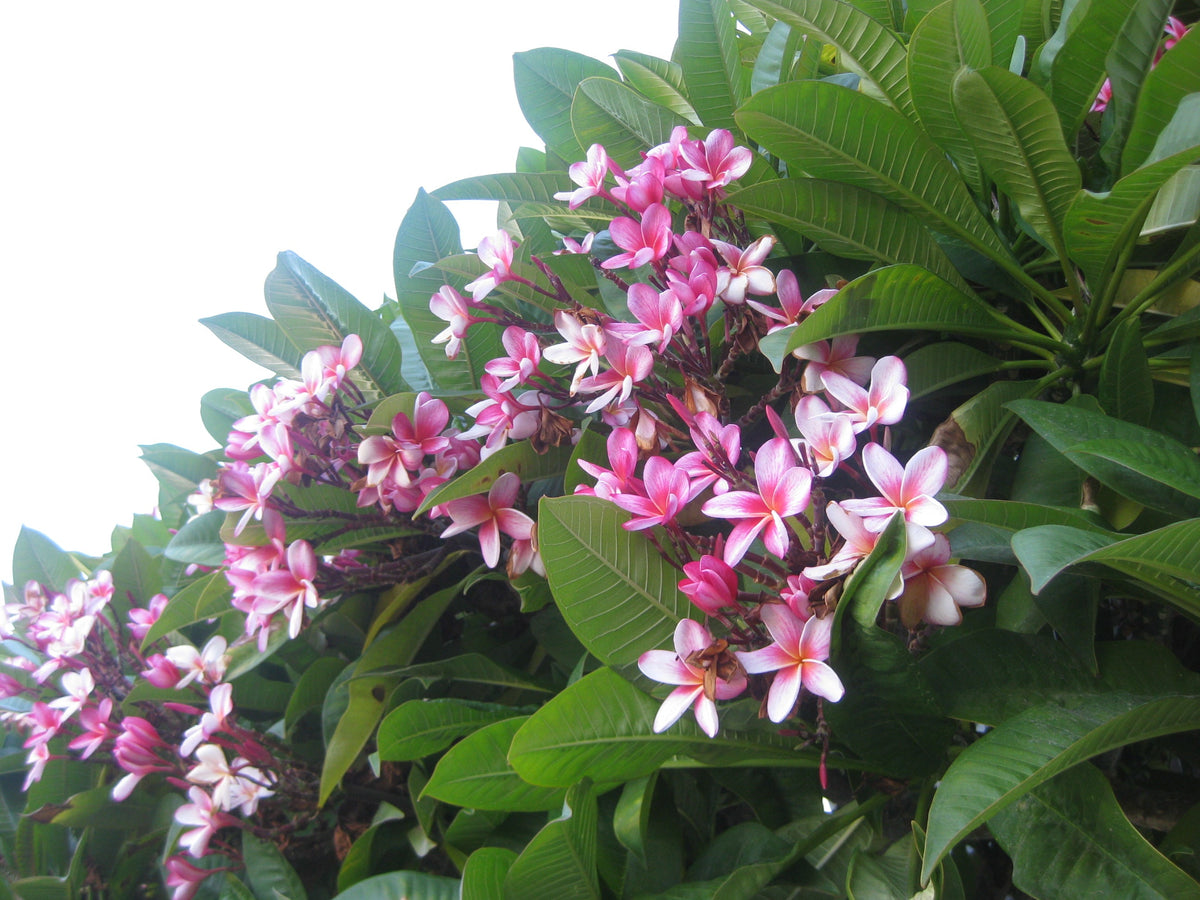
Plumeria, also known as frangipani, is a tropical flowering tree from the Caribbean and Central America that produces fragrant blooms in white, yellow, pink, or red. Plumeria rubra is the most commonly cultivated species; it can reach up to 30 feet in its natural habitat and has thick leathery leaves extending to 12 inches long.
The Plumeria tree, also known as frangipani, transforms any garden into a tropical paradise with its stunning, fragrant blooms and distinctive beauty. These remarkable trees offer homeowners an opportunity to create their own slice of paradise while contributing to environmental restoration through initiatives like our mission to plant 100 crore trees across India.
Originating from the Caribbean, Central America, and Mexico, plumeria trees have become beloved worldwide for their intoxicating fragrance and vibrant flowers. Whether you're seeking to enhance your garden's aesthetic appeal or contribute to combating climate change through collective action, cultivating a plumeria tree represents both beauty and environmental responsibility.
Understanding Plumeria Trees ✅
Plumeria belongs to the Apocynaceae family, encompassing around 300 species of flowering trees and shrubs. The most commonly cultivated species is Plumeria rubra, renowned for its vibrant flowers that bloom in white, yellow, pink, or red variations.
These magnificent trees can reach heights of up to 30 feet in their natural habitat, though they're often maintained at smaller sizes in home gardens. The thick, leathery leaves grow up to 12 inches long, creating a lush backdrop for the stunning blooms that make plumeria trees so desirable.
According to the United Nations Environment Programme's forest conservation initiatives, tropical flowering trees like plumeria play crucial roles in supporting biodiversity and ecosystem health in warm climate regions.
Scientific Cultivation Requirements ⭐
Successfully growing a plumeria tree requires understanding its specific environmental needs. These tropical beauties thrive when their natural growing conditions are replicated in your garden space.
Sunlight Requirements
Plumeria trees demand full sun exposure, requiring at least 6 to 8 hours of direct sunlight daily. Insufficient light leads to poor flowering and leggy growth patterns. Position your tree in the sunniest location available for optimal blooming performance.
Soil Composition
Well-draining soil mix proves crucial for plumeria success. These trees prefer sandy or loamy soil with a pH range of 6.0 to 7.5. Heavy clay soils retain too much moisture, potentially causing root rot and tree decline.
Watering Practices
Once established, plumeria trees demonstrate remarkable drought tolerance. Water deeply but infrequently, allowing soil to dry completely between watering sessions. This practice encourages strong root development and prevents moisture-related diseases.
Fertilization Schedule
Apply balanced fertilizer during the growing season from spring through summer. High-phosphorus fertilizers particularly promote abundant blooming. Our experience shows that proper nutrition significantly impacts flower production and overall tree health.
Planting Your Plumeria Tree: Step-by-Step Guide 💡
Growing plumeria trees successfully requires careful attention to planting techniques and ongoing care practices. Follow these proven steps for optimal results:
Location Selection
Choose a garden spot receiving abundant sunlight with excellent drainage characteristics. Avoid low-lying areas where water might collect during rainy periods. Consider mature tree size when selecting the permanent location.
Planting Process
For cuttings, allow the cut end to callous for several days before planting in well-draining potting mix. When planting seedlings, dig holes twice the root ball size, position the tree carefully, and backfill with amended soil mixture.
Initial Care
Water newly planted trees thoroughly, then allow soil to dry before subsequent watering. This establishes strong root systems and prevents overwatering damage during the critical establishment period.
Environmental Benefits of Plumeria Trees 🌱
Planting plumeria trees contributes significantly to environmental restoration efforts. These beautiful trees provide multiple ecological benefits while enhancing your garden's natural beauty.
The United Nations Climate Change initiatives emphasize how individual tree planting efforts contribute to global carbon reduction goals. Every plumeria tree you plant helps combat climate change through natural carbon sequestration processes.
Carbon Sequestration
Like all trees, plumeria actively absorbs atmospheric CO2, converting it into oxygen through photosynthesis. This natural process helps mitigate climate change impacts while providing fresh air for your family and community.
Biodiversity Support
Plumeria flowers attract various pollinators including bees, butterflies, and hummingbirds. These trees create habitat opportunities and food sources for wildlife, enhancing local ecosystem diversity and supporting pollinator populations.
Soil Health Improvement
Deep plumeria root systems prevent soil erosion while improving soil structure through organic matter decomposition. This natural soil enhancement benefits surrounding plants and maintains healthy garden ecosystems.
Cultural and Historical Significance ⭐
Plumeria trees carry rich cultural heritage spanning centuries of human civilization. Understanding this history adds deeper meaning to your gardening efforts and connects you with ancient traditions.
Ancient Mayan and Aztec civilizations revered plumeria for ceremonial purposes, using fragrant flowers in religious rituals and offerings. The tree's introduction to Pacific Islands in the 19th century established its iconic association with Hawaiian culture and hospitality traditions.
In many cultures worldwide, plumeria flowers symbolize love, devotion, and positive energy. Hawaiian leis traditionally feature plumeria blooms, representing welcome and friendship to visitors and residents alike.
Maintenance and Care Tips 💡
Proper maintenance ensures your plumeria tree remains healthy and produces abundant blooms year after year. Regular care practices prevent common problems and maximize flowering potential.
Pruning Techniques
Prune plumeria trees to maintain desired shape and remove dead or diseased branches. Strategic pruning encourages healthy growth patterns and improved blooming performance. Conduct major pruning during dormant periods for best results.
Pest Management
Monitor regularly for common pests including aphids and spider mites. Treat infestations promptly using insecticidal soap or neem oil applications. Early intervention prevents pest populations from causing significant damage to your tree.
Seasonal Care
In cooler climates, protect plumeria trees from frost damage by moving container plants indoors or providing protective coverings. These tropical trees cannot survive freezing temperatures without proper protection measures.
Supporting Global Reforestation Efforts 🌍
When you plant a plumeria tree, you join a global movement toward environmental restoration and climate action. Organizations worldwide recognize the critical importance of individual tree planting efforts in achieving net zero targets and environmental sustainability.
At Grow Billion Trees, we understand that every tree matters in our mission to plant 100 crore trees across India by June 2030. Whether you choose to plant a tree in your name for ₹299 or cultivate plumeria in your own garden, you're contributing to meaningful environmental change.
The World Wildlife Fund's forest conservation programs demonstrate how individual actions collectively create significant environmental impact. Your plumeria tree becomes part of this larger conservation effort.
Our comprehensive tree planting services include 2-3ft tree planting + 3 years care + GeoTag technology, ensuring your environmental contribution receives proper nurturing and monitoring. This guaranteed approach maximizes survival rates and long-term environmental benefits.
Further reading: Champa White: The Timeless Bloom of Purity and Elegance · Chafa Tree: Unveiling the Fragrant Splendor and Healing Wonders of Nature’s Floral Gem
Frequently Asked Questions
How long does it take for a plumeria tree to bloom?
Plumeria trees typically begin blooming 2-3 years after planting from cuttings, though some varieties may bloom sooner. Trees grown from seeds may take 4-5 years to produce their first flowers. Proper care and optimal growing conditions can accelerate blooming timelines.
Can plumeria trees survive in cold climates?
Plumeria trees are not frost-tolerant and cannot survive freezing temperatures outdoors. In cold climates, grow them in containers that can be moved indoors during winter months, or provide protective coverings when temperatures drop below 50°F.
What's the best fertilizer for plumeria trees?
Use balanced fertilizers with equal nitrogen, phosphorus, and potassium ratios during the growing season. High-phosphorus fertilizers particularly promote blooming. Apply fertilizer monthly from spring through summer, reducing frequency during dormant winter periods.
How often should I water my plumeria tree?
Water plumeria trees deeply but infrequently, allowing soil to dry completely between waterings. During active growing seasons, water weekly or bi-weekly depending on rainfall and temperature conditions. Reduce watering frequency during dormant periods.
Do plumeria trees need special soil?
Plumeria trees require well-draining soil to prevent root rot. Sandy or loamy soil with pH between 6.0-7.5 works best. Avoid heavy clay soils that retain excess moisture. Amend poor-draining soils with sand, perlite, or organic compost.
When is the best time to plant plumeria trees?
Plant plumeria trees during warm months when temperatures consistently stay above 65°F. Late spring through early summer provides optimal planting conditions. This timing allows trees to establish strong root systems before cooler weather arrives.
How big do plumeria trees grow?
In optimal conditions, plumeria trees can reach 25-30 feet tall with similar spread. However, most home gardeners maintain them at 6-12 feet through regular pruning. Container-grown trees typically stay smaller due to root space limitations.
Are plumeria trees toxic to pets?
Plumeria trees contain latex sap that can be mildly toxic to pets if ingested in large quantities. While not typically dangerous, the sap may cause mild stomach upset. Keep pets from chewing on branches or consuming large amounts of plant material.
Can I grow plumeria trees indoors?
Plumeria trees can be grown indoors in bright, sunny locations such as south-facing windows or sunrooms. However, indoor trees rarely bloom due to insufficient light levels. Consider moving container plants outdoors during warm months for optimal flowering.
What pests commonly affect plumeria trees?
Common plumeria pests include aphids, spider mites, scale insects, and whiteflies. Regular inspection and early treatment with insecticidal soap or neem oil effectively controls most pest problems. Maintain good air circulation around trees to prevent pest infestations.
Creating Your Fragrant Garden Paradise 🌺
Cultivating a plumeria tree represents more than simply adding beauty to your garden—it's an investment in environmental sustainability and personal well-being. These magnificent trees provide years of fragrant blooms while contributing to carbon sequestration and biodiversity support.
Whether you're starting with a single plumeria cutting or planning an entire tropical garden, remember that every tree planted makes a difference. Join our mission of combating climate change through collective action by choosing to plant trees that bring both beauty and environmental benefits to your community.
Ready to transform your garden with fragrant plumeria blooms while supporting global reforestation efforts? Explore our tree planting programs and discover how you can plant a tree in your name today, contributing to our goal of planting 100 crore trees across India.
Keep reading
 Champa White: The Timeless Bloom of Purity and Elegance
 Chafa Tree: Unveiling the Fragrant Splendor and Healing Wonders of Nature’s Floral Gem
 Golden Duranta Tree: The Secret to a Lush Garden and Stunning Blooms
 Evergreen Magnolia Tree: Complete Guide to Growing This Stunning Beauty
 Snowbell Tree: Complete Care Guide for Your Garden Paradise


Leave a comment