
Bayer 1t.org Forest Restoration: Leading Corporate Sustainability

Bayer AG's 1t.org Forest Restoration initiative represents the company's commitment to sustainability through a pledge to plant 10 million trees over five years. This partnership aims to enhance forest ecosystems, improve air quality, and support local communities while contributing to climate goals aligned with the 1.5°C warming limit and Net Zero targets.
Update, October 2026: 1t.org, the World Economic Forum's trillion trees platform, became the Forest Future Alliance in January 2026. Confirmed: Bayer pledged forest conservation and restoration as part of its 2030 climate-neutrality goal. Source: 1t.org pledge page. See all company forest pledges.
Bayer AG has made a significant commitment to sustainability by pledging to support forest conservation and restoration through the 1t.org initiative. This groundbreaking partnership demonstrates how corporate leaders are stepping up to address climate change through strategic forest restoration, aligning with global efforts to limit warming to 1.5°C while advancing Net Zero Targets.
The Bayer 1t.org Forest Restoration Sustainability Initiative Overview
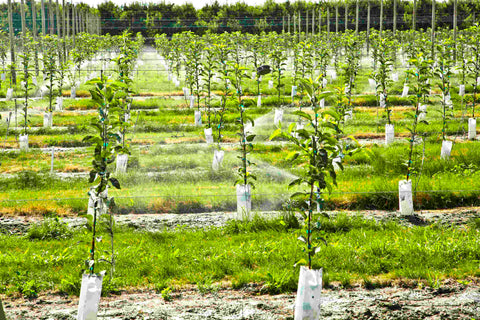
Bayer's pledge on 1t.org encompasses the planting of 10 million trees over the next five years. This initiative is designed to enhance forest ecosystems, improve air quality, and support local communities. By aligning with the 1t.org movement, Bayer is taking a proactive stance in Combating Climate Change Through Collective Action and promoting sustainable practices across its operations.
The initiative represents a comprehensive approach to environmental stewardship. Each tree planted contributes to carbon sequestration while supporting biodiversity conservation. This mirrors the mission of organizations like Grow Billion Trees, which aims to plant 100 crore trees across India through accessible programs starting at just ₹299 per tree with 2-3ft Tree Planting + 3 Years Care + GeoTag technology.
Why Forest Restoration Matters for Climate Goals
The urgency of climate action cannot be overstated. According to the United Nations Climate Change initiative, deforestation and land degradation contribute significantly to greenhouse gas emissions, making forest conservation essential for achieving global climate targets.
Forest restoration provides multiple benefits beyond carbon capture. Trees act as natural carbon sinks, absorbing CO2 from the atmosphere and storing it in their biomass and soil. Additionally, forests help regulate water cycles, prevent soil erosion, and provide habitat for countless species.
The World Wildlife Fund reports that we lose approximately 18.7 million acres of forest annually. Corporate initiatives like Bayer's 1t.org partnership are crucial for reversing this trend and building a sustainable future.
Strategic Approach: Native Species and Biodiversity Focus
Bayer's tree planting strategy focuses on native species, which are crucial for maintaining biodiversity and ecosystem health. By prioritizing local flora, Bayer ensures that the trees planted will thrive in their environments, supporting wildlife and enhancing soil quality.
This approach mirrors successful programs like the Miyawaki method, which creates dense native forests that grow 10 times faster than conventional plantations. Native species provide several advantages:
- ✅ Better survival rates in local climate conditions
- ✅ Support for indigenous wildlife populations
- ✅ Enhanced soil health and water retention
- ✅ Reduced maintenance requirements
Global Implementation and Annual Targets
The initiative will target various locations across the globe, including regions most affected by deforestation. Each year, Bayer plans to plant 2 million trees in selected areas, ensuring a steady and impactful contribution to global reforestation efforts.
Priority regions include:
- • Tropical rainforest areas in South America
- • Degraded agricultural lands in Africa
- • Coastal mangrove ecosystems in Asia
- • Urban forest restoration in developed nations
This systematic approach ensures maximum ecological impact while supporting local communities through job creation and environmental education programs.
Monitoring and Transparency Framework
To ensure transparency and accountability, Bayer will implement robust monitoring methods. This includes satellite imagery, on-the-ground assessments, and collaboration with local NGOs to track tree growth and survival rates.
Key monitoring components include:
- → Real-time satellite tracking of planted areas
- → Annual survival rate assessments
- → Carbon sequestration measurements
- → Biodiversity impact evaluations
Regular reporting will provide stakeholders with updates on progress and impact, reinforcing Bayer's commitment to sustainability. This transparency model aligns with initiatives like Plant a tree in your Name programs that use GeoTag technology for individual tree tracking.
Strategic Partnerships and Collaboration
Bayer is collaborating with various partners, including environmental NGOs, local governments, and community organizations. These partnerships are essential for leveraging expertise, resources, and local knowledge, ensuring the success of the tree plantation initiative.
Key partnership benefits include:
- ⭐ Access to local ecological expertise
- ⭐ Community engagement and education
- ⭐ Sustainable funding models
- ⭐ Long-term maintenance support
The United Nations Environment Programme emphasizes that successful forest restoration requires collaboration between public and private sectors, making these partnerships crucial for long-term success.
Measuring Impact Beyond Carbon Sequestration
The impact of Bayer's pledge extends beyond carbon sequestration. By restoring forests, the initiative will enhance biodiversity, improve water quality, and support local economies. Additionally, it will create job opportunities in tree planting and maintenance, fostering community resilience and engagement.
Expected outcomes include:
- 💡 Sequestration of approximately 2.5 million tons of CO2 over 20 years
- 💡 Creation of habitat for thousands of wildlife species
- 💡 Generation of 5,000+ local employment opportunities
- 💡 Improvement of watershed health in target regions
Alignment with Sustainable Development Goals
Bayer's commitment aligns with several United Nations Sustainable Development Goals, particularly Goal 13 (Climate Action) and Goal 15 (Life on Land). By investing in tree plantations, Bayer is actively contributing to global efforts to combat climate change and protect terrestrial ecosystems.
This alignment demonstrates how corporate sustainability initiatives can support broader global objectives. The initiative contributes to:
- • SDG 13: Climate Action through carbon sequestration
- • SDG 15: Life on Land via biodiversity conservation
- • SDG 6: Clean Water through watershed protection
- • SDG 8: Decent Work through job creation
Employee and Community Engagement
Engaging citizens and employees is a key component of Bayer's initiative. Through volunteer programs and educational campaigns, Bayer encourages community involvement in tree planting activities. This not only fosters a sense of ownership but also raises awareness about the importance of sustainability and climate action.
Employee engagement strategies include:
- → Annual volunteer tree-planting events
- → Sustainability education workshops
- → Carbon footprint awareness programs
- → Local community partnership projects
Technology Integration and Innovation
The Bayer 1t.org Forest Restoration Sustainability Initiative leverages cutting-edge technology for optimal results. Satellite monitoring, drone surveys, and AI-powered growth prediction models ensure efficient resource allocation and maximum survival rates.
Technology applications include:
- ✅ GPS mapping for optimal planting locations
- ✅ Soil analysis for species selection
- ✅ Weather pattern integration for timing
- ✅ Mobile apps for volunteer coordination
This technological approach mirrors innovations in the reforestation sector, where companies like Grow Billion Trees use GeoTag technology to provide donors with precise location data for their planted trees.
Economic Benefits and Job Creation
Beyond environmental impact, the initiative creates significant economic opportunities. Local communities benefit through employment in tree planting, maintenance, and monitoring activities. This economic dimension ensures long-term sustainability and community buy-in.
Economic benefits include:
- • Direct employment for 5,000+ individuals
- • Skills development in environmental restoration
- • Support for local nursery businesses
- • Eco-tourism potential in restored areas
Challenges and Solutions in Large-Scale Restoration
Large-scale forest restoration faces several challenges, including land availability, species selection, and long-term maintenance. Bayer addresses these through strategic planning and partnership development.
⚠️ Key challenges and solutions:
- Land access → Partnerships with governments and landowners
- Species survival → Focus on native, climate-adapted varieties
- Maintenance funding → Multi-year commitment and community involvement
- Climate change impacts → Adaptive management strategies
Future Expansion and Scaling Opportunities
The success of Bayer's initial 10 million tree commitment opens doors for future expansion. Scaling opportunities include technology transfer, methodology sharing, and partnership replication across different regions and sectors.
Future possibilities include:
- 💡 Expansion to 50 million trees by 2035
- 💡 Integration with agricultural sustainability programs
- 💡 Development of carbon credit programs
- 💡 Educational institution partnerships
Further reading: Vedanta Pledges 7 Million Trees with 1t.org to Secure Ecosystem Services by 2030 · Mahindra 1t.org Tree Plantation Sustainability Initiative: 4.5M Trees
Frequently Asked Questions
What is the Bayer 1t.org Forest Restoration Sustainability Initiative?
The Bayer 1t.org Forest Restoration Sustainability Initiative is a five-year commitment to plant 10 million trees globally, focusing on native species and strategic locations to support climate action and biodiversity conservation.
How does this initiative support 1.5°C climate goals?
The initiative contributes to 1.5°C goals by sequestering approximately 2.5 million tons of CO2 over 20 years, while supporting ecosystem restoration that enhances natural climate resilience and carbon storage capacity.
What makes Bayer's approach different from other corporate tree-planting programs?
Bayer's approach emphasizes native species selection, robust monitoring systems, community engagement, and long-term partnerships with local organizations, ensuring higher survival rates and greater ecological impact.
How does Bayer monitor the success of planted trees?
Bayer uses satellite imagery, drone surveys, on-ground assessments, and collaboration with local NGOs to track tree growth, survival rates, and environmental impact, providing transparent reporting to stakeholders.
Can individuals participate in Bayer's forest restoration efforts?
Yes, Bayer encourages employee and community participation through volunteer programs, educational campaigns, and partnership opportunities that allow individuals to contribute to tree planting and maintenance activities.
What regions will benefit from this initiative?
The initiative targets global regions most affected by deforestation, including tropical rainforests in South America, degraded lands in Africa, coastal mangrove areas in Asia, and urban forest restoration in developed nations.
How does this align with other sustainability initiatives?
The initiative aligns with UN Sustainable Development Goals, particularly SDG 13 (Climate Action) and SDG 15 (Life on Land), while supporting broader corporate sustainability goals and Net Zero Targets.
What economic benefits does the program provide?
The program creates over 5,000 direct employment opportunities, supports local nursery businesses, develops environmental restoration skills, and generates potential eco-tourism revenue in restored areas.
How can other companies learn from Bayer's approach?
Companies can adopt Bayer's methodology of native species focus, technology integration, community partnership, and transparent monitoring to develop their own effective forest restoration programs.
What long-term impact is expected from this initiative?
Long-term impacts include significant carbon sequestration, biodiversity enhancement, watershed protection, community economic development, and contribution to global climate action goals through sustainable forest restoration.
Supporting Global Reforestation Through Collective Action
The Bayer 1t.org Forest Restoration Sustainability Initiative represents a powerful example of corporate leadership in environmental stewardship. By committing to plant 10 million trees over five years, Bayer demonstrates how businesses can contribute meaningfully to global climate action while supporting local communities and biodiversity conservation.
This initiative joins a growing movement of organizations working toward the ambitious goal of planting 100 crore trees globally. In India, Grow Billion Trees offers accessible tree planting opportunities starting at just ₹299, allowing individuals and corporations to Plant a tree in your Name while supporting comprehensive environmental restoration programs.
Discover how you can contribute to forest restoration and join the global movement toward a sustainable future. Together, we can achieve our Net Zero Targets and create lasting environmental impact through strategic tree planting and forest conservation initiatives.
Planning a pledge for your company?
Grow Billion Trees helps companies design a credible forest pledge, plant and care for the trees, track every tree on GreenTrack and report progress each year. Plan your forest pledge or see the company pledge tracker.
Keep reading
 Vedanta Pledges 7 Million Trees with 1t.org to Secure Ecosystem Services by 2030
- Mahindra Group's Project Hariyali Pledge with 1t.org
- Genpact Pledges $2M and 350,000+ Trees with 1t.org for Global Restoration
- ReNew 1t.org 1 Million Trees India Sustainability Pledge 2030
- BHEL Pledges to Conserve 3 Million Trees and Plant 200,000 More


Leave a comment