
How to Explain Climate Crisis to an 8 Year Old Kid Simply
To explain climate crisis to an 8-year-old, use simple comparisons like Earth having a fever or wearing too many sweaters from greenhouse gases. Focus on everyday examples—cars, electricity, forests—rather than statistics. Emphasise solutions and hope, and relate it to caring for something they value, like their favourite toy. This approach makes the concept accessible and actionable.
Explaining the climate crisis to children can feel overwhelming, but it doesn't have to be scary. The key is using simple words, fun examples, and focusing on hope and solutions. When we help children understand what's happening to our planet, we empower them to become part of the solution. Think of it like teaching them to take care of their favorite toy – but this time, the toy is our entire Earth.
What is the Climate Crisis? Making it Simple ✅
The climate crisis is like our Earth having a fever. Just like when you feel hot and sick, our planet is getting too warm. This happens because of invisible gases in the air called greenhouse gases. These gases work like a big blanket wrapped around Earth, trapping heat from the sun and making everything warmer than it should be.
Imagine Earth wearing too many sweaters on a hot day – that's what greenhouse gases do! The United Nations explains that climate change is one of the most pressing challenges of our time, affecting every country and every person on our planet.
These gases come from things we do every day, like driving cars, making electricity, and cutting down forests. When we burn coal, oil, and gas for energy, they release these invisible gases into the sky. It's like when you blow up a balloon – except instead of air, we're putting warming gases into Earth's atmosphere.
Why Should Kids Care About Climate Change? ⭐
Children are natural protectors of the things they love. When we explain that animals, plants, and beautiful places need our help, kids instinctively want to be heroes. The climate crisis affects everything children care about – from polar bears losing their icy homes to flowers blooming at the wrong time.
According to the World Wildlife Fund, deforestation and forest loss directly impact the animals and ecosystems children learn about in school. When forests disappear, animals lose their homes, just like if someone took away their bedroom.
Think about it this way: if your favorite playground was getting too hot to play on, wouldn't you want to help fix it? That's exactly how we should think about Earth – it's everyone's playground, and we need to take care of it together.
Simple Ways to Explain the Effects 💡
Use examples from their daily life to make climate change real and understandable:
- Rising Sea Levels: It's like a bathtub overflowing when ice cubes melt in warm water
- Stronger Storms: When Earth gets too hot, weather becomes more wild and unpredictable
- Animal Homes Disappearing: Imagine if your house became too hot or cold to live in comfortably
- Food Growing Problems: Plants need just the right temperature to grow, like how you need the right temperature to sleep well
The United Nations Environment Programme emphasizes that forests play a crucial role in regulating our climate. When we lose forests, it's like removing Earth's air conditioning system.
Fun Activities to Teach Climate Awareness ⭐
Learning about climate change doesn't have to be boring or scary. Here are engaging activities that make the topic interactive and hopeful:
The Greenhouse Effect Experiment
Use two clear containers, one covered with plastic wrap and one open. Place them in the sun with thermometers inside. The covered container gets hotter – just like Earth with too many greenhouse gases!
Tree Planting Adventures
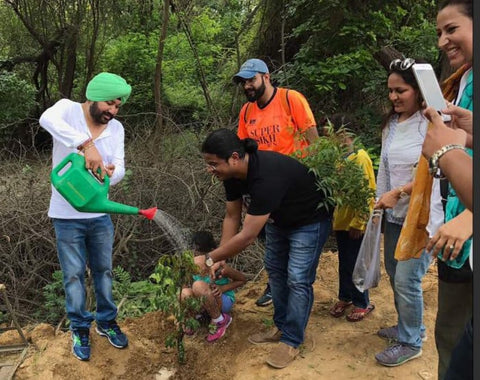
Plant a tree together and explain how it's like giving Earth a superhero helper. Trees breathe in the bad gases and breathe out fresh air. With Grow Billion Trees, you can Plant a tree in your Name for just ₹299, complete with 3 years of care and GeoTag technology to track your tree's growth.
Energy Detective Game
Walk around your house together, finding ways to save energy. Turn off lights, unplug devices, and celebrate each small action as helping Earth feel better.
Focusing on Hope and Solutions ✅
The most important part of explaining climate crisis to children is emphasizing that we can fix this problem together. Kids need to know they're not powerless – they're part of the solution!
Share stories of young climate heroes like Greta Thunberg, who started making a difference when she was just a teenager. Explain how small actions add up to big changes when millions of people do them together.
Organizations like Grow Billion Trees are working toward Combating Climate Change Through Collective Action with a goal to plant 100 crore trees by June 2030. This shows children that adults are taking action and they can be part of something bigger.
Age-Appropriate Climate Solutions →
Help children understand they can make a real difference with these simple actions:
- Walking or biking instead of driving short distances
- Turning off lights and electronics when not in use
- Planting flowers, vegetables, or trees in their yard or community
- Recycling and reducing waste
- Learning about renewable energy like solar and wind power
- Talking to friends and family about protecting Earth
Every action matters, and when we work together, we create powerful change. The United Nations Sustainable Development Goals show us that global cooperation can solve even the biggest challenges.
Creating Climate-Conscious Families 💡
Children learn best when the whole family participates in climate-friendly activities. Make it a family mission to reduce your carbon footprint together. Celebrate small victories and track your progress.
Consider supporting reforestation efforts as a family. With programs offering 2-3ft Tree Planting + 3 Years Care + GeoTag tracking, children can watch their environmental impact grow over time. This creates lasting memories and teaches responsibility.
Start family traditions around Earth care – like Earth Day celebrations, monthly nature walks, or seasonal tree planting. These activities build positive associations with environmental stewardship.
Addressing Climate Anxiety in Children ⚠️
Some children may feel worried or scared when learning about climate change. This is normal and shows they care deeply about the world around them. Acknowledge their feelings and redirect their energy toward positive action.
Remind them that many smart adults are working hard to solve these problems. Scientists, governments, and organizations worldwide are developing new technologies and solutions every day.
Focus on local success stories and improvements. Show them examples of cities becoming cleaner, animals being saved, and forests being restored. This builds confidence that positive change is possible and happening right now.
Building Tomorrow's Environmental Leaders ⭐
When we teach children about climate change with hope and empowerment, we're raising the next generation of environmental leaders. These children will grow up understanding their connection to nature and their power to create positive change.
Encourage their questions and curiosity. Support their ideas for helping the environment, even if they seem small. Today's 8-year-old climate champion could become tomorrow's environmental scientist, policy maker, or conservation leader.
Connect them with youth environmental programs and activities in your community. Many organizations offer special programs designed for children to learn about and participate in environmental protection.
Further reading: How to Involve Kids in Environmental Conservation Initiatives · This Tree Would Be a Lifelong Companion for Your Child!
Frequently Asked Questions
How do I explain climate change without scaring my 8-year-old?
Focus on solutions and positive actions rather than scary consequences. Use familiar comparisons like Earth having a fever that we can help cure. Emphasize that many people are working together to fix the problem, and your child can be a helper too.
What's the best way to start the climate conversation with kids?
Begin with things they already love – animals, nature, or their favorite outdoor activities. Explain how climate change affects these things, then immediately share ways to help. Keep the first conversation short and positive.
Can an 8-year-old really make a difference in climate change?
Absolutely! Children can make meaningful contributions through energy conservation, waste reduction, and inspiring others. When families plant trees together or change daily habits, kids see their direct impact on environmental protection.
How often should we talk about climate change with children?
Make it part of regular conversations rather than one big scary talk. Discuss it naturally when relevant – during nature walks, news stories, or family activities. This normalizes environmental awareness without creating anxiety.
What if my child becomes too worried about climate change?
Validate their concerns and redirect toward action. Show them specific examples of environmental progress and success stories. Engage them in hands-on activities where they can see their positive impact immediately.
Should I mention specific climate change consequences to young children?
Keep consequences general and age-appropriate. Focus on concepts like "animals need our help finding homes" rather than detailed extinction statistics. The goal is awareness and motivation, not fear.
How can we make climate action fun for the whole family?
Turn environmental activities into games and adventures. Have energy-saving competitions, create family recycling challenges, or plan tree-planting expeditions. Celebrate environmental wins with special recognition or rewards.
What resources help teach children about climate change?
Look for age-appropriate books, documentaries, and interactive websites designed for children. Many environmental organizations offer educational materials specifically created for young learners. Nature centers and museums often have excellent children's programs.
How do I answer when my child asks if Earth will be okay?
Be honest but hopeful. Explain that Earth faces challenges, but millions of people are working hard to solve them. Share examples of environmental recovery and improvement. Emphasize that their generation will help create solutions.
Can planting trees really help solve climate change?
Yes! Trees are powerful climate helpers because they absorb carbon dioxide and release oxygen. When organizations work toward planting 100 crore trees, they create significant positive environmental impact. Every tree planted contributes to a healthier planet.
Taking Action Together: Your Family's Climate Journey
Understanding how to explain climate crisis to an 8-year-old kid starts with hope, honesty, and hands-on action. Children are naturally optimistic and action-oriented – they want to help fix problems they understand.
By focusing on solutions, celebrating small victories, and engaging in meaningful environmental activities, families can turn climate awareness into climate action. Whether it's supporting reforestation efforts, reducing energy consumption, or simply spending more time in nature, every step matters.
Remember that today's conversations about climate change are shaping tomorrow's environmental leaders. When we empower children with knowledge and hope, we're investing in a sustainable future for everyone.
Ready to start your family's environmental journey? Explore tree planting options and help your child make a lasting positive impact on our planet. Together, we can show the next generation that Combating Climate Change Through Collective Action creates real, meaningful change.
Keep reading
 How to Involve Kids in Environmental Conservation Initiatives
 This Tree Would Be a Lifelong Companion for Your Child!
 Celebrating Children's Day with Tree Plantation: Growing Together
 Isha Blokhra: 7-Year-Old Environmental Champion Who Planted 750 Trees
 How Taking a Walk in Nature Seems to Solve All Our Problems


Leave a comment