
M.C. Mehta: Environmental Justice Pioneer & India's Green Revolution
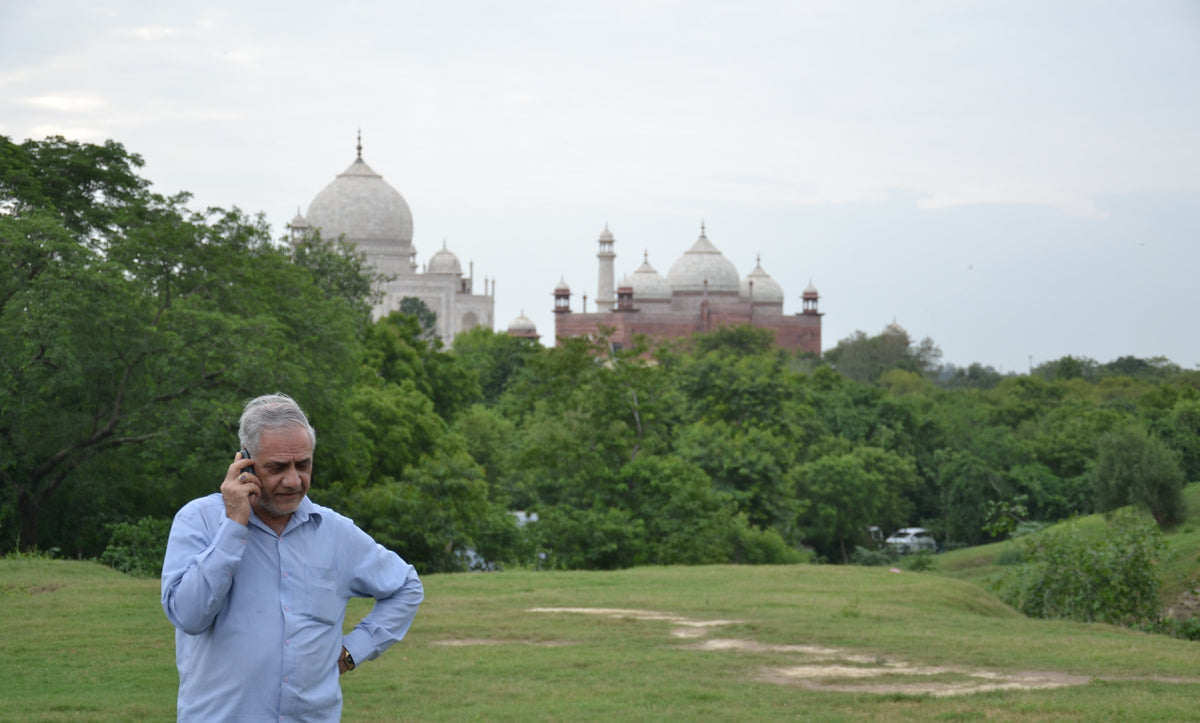
M.C. Mehta is an environmental lawyer whose Public Interest Litigations have shaped India's environmental policies. He has filed over 40 PILs to address pollution, deforestation, and conservation. His landmark cases include the Ganga Pollution Case, Taj Mahal Preservation Case, and Delhi Vehicular Pollution Case, establishing key environmental protections.
In a world where industrial expansion often comes at the cost of nature, M.C. Mehta has been the unwavering force ensuring that environmental laws are upheld. A legendary environmental lawyer and activist, he has fought legal battles that have redefined India's approach to pollution control, forest conservation, and sustainable development. His impact runs as deep as the roots of a mighty tree, symbolizing resilience, justice, and ecological restoration that breathes life into our environment.
Who is M.C. Mehta? The Legal Warrior for Nature ✅
Before exploring the significance of M.C. Mehta's environmental legacy, let's understand the man behind this transformative movement. M.C. Mehta stands as one of India's most influential environmental lawyers, having single-handedly filed over 40 Public Interest Litigations (PILs) to combat pollution and deforestation.
His achievements include receiving prestigious awards like the Ramon Magsaysay Award (1997) and the Goldman Environmental Prize (1996), often called the Green Nobel Prize. His landmark cases include the Ganga Pollution Case, the Taj Mahal Preservation Case, and the Delhi Vehicular Pollution Case, all of which have had lasting impact on India's environmental policies.
Through legal activism, M.C. Mehta has planted the seeds of environmental consciousness, ensuring that future generations inherit a cleaner, greener planet. His work aligns perfectly with global initiatives like those outlined by the United Nations Sustainable Development Goals, particularly Goal 15 which focuses on protecting terrestrial ecosystems.
The Tree Metaphor: M.C. Mehta's Legal and Ecological Triumph ⭐
Like a tree that withstands storms and grows stronger with time, M.C. Mehta's legal battles have shaped India's environmental landscape. His work can be compared to a tree in several profound ways that demonstrate his lasting impact on environmental justice.
Roots of Justice: Foundation of Environmental Law
Just as tree roots anchor the soil and prevent erosion, M.C. Mehta's legal cases have established a firm foundation for environmental protection laws in India. His petitions led to the creation of stronger emission norms, industrial waste regulations, and conservation acts.
The Ganga Pollution Case (1985) forced industries to stop dumping untreated waste into the sacred river, much like how tree roots prevent soil erosion and maintain ecosystem stability. This case alone saved one of India's most important waterways from industrial destruction.
Branches of Influence: Expanding Environmental Impact
A tree's branches extend far and wide, just as M.C. Mehta's influence has reached beyond courts, shaping national policies and inspiring global environmental movements. His legal battle in the Taj Mahal Case (1984) led to the relocation of polluting industries and the introduction of cleaner energy sources around the monument.
The Delhi Vehicular Pollution Case (1990s) resulted in the adoption of Compressed Natural Gas (CNG) in public transport, significantly reducing air pollution in the capital city. This decision improved air quality for millions of residents and set a precedent for other Indian cities.
Fruits of Hope: Tangible Environmental Results
Cleaner rivers, fresher air, and restored green spaces are the direct results of M.C. Mehta's work—much like a tree bears fruit for future generations. His contributions have preserved countless acres of forests and biodiversity, while his cases have set legal precedents that empower ordinary citizens to fight for their environmental rights.
The Science Behind Environmental Justice 💡
Trees are critical for human survival, acting as natural air purifiers and carbon sinks. Similarly, M.C. Mehta's efforts have reduced pollution and safeguarded ecosystems. According to the United Nations Environment Programme, forests play a crucial role in climate regulation and biodiversity conservation.
Combating Climate Change: A single tree absorbs about 48 pounds of CO₂ annually, just as Mehta's legal actions have reduced millions of tons of industrial emissions. His work directly supports India's commitment to achieving Net Zero Targets by reducing pollution at its source.
Protecting Biodiversity: Just as forests shelter wildlife, his conservation cases have saved fragile ecosystems from industrial destruction. The World Wildlife Fund emphasizes that legal protection is essential for preventing habitat loss and species extinction.
Cooling Urban Areas: Trees lower city temperatures by up to 5 degrees Celsius. Similarly, his vehicular pollution case has reduced Delhi's heat island effect by controlling emissions and promoting cleaner transportation alternatives.
Landmark Cases: Growth Rings of Environmental Awakening ⭐
Much like a tree grows rings that tell its age and history, M.C. Mehta's legal battles mark different phases of India's environmental transformation. Each case represents significant progress in the fight for a cleaner, greener India.
- Ganga Pollution Case (1985): Ordered industries to stop dumping waste into the Ganges, protecting India's most sacred river
- Taj Mahal Case (1984): Led to strict emission norms to protect India's iconic monument from acid rain damage
- Vehicular Pollution Case (1990s): Pushed for CNG adoption in Delhi's public transport system
- Forest Conservation Cases: Prevented deforestation and regulated mining in eco-sensitive zones
- Industrial Pollution Cases: Forced closure of polluting industries near residential areas
Each victory represents a milestone in India's journey toward sustainable development and environmental justice, much like the annual growth rings that mark a tree's resilience and longevity.
Connecting M.C. Mehta's Legacy to Modern Environmental Action
Today's environmental challenges require the same determination that M.C. Mehta demonstrated throughout his career. Organizations like Grow Billion Trees continue this legacy by making environmental action accessible to everyone. With our mission to plant 100 crore trees across India, we embody the same spirit of collective environmental responsibility that Mehta championed in the courtroom.
When you Plant a tree in your Name for just ₹299, you're participating in the same movement for environmental justice that M.C. Mehta started decades ago. Our 2-3ft Tree Planting + 3 Years Care + GeoTag program ensures that every tree planted contributes to India's environmental restoration, just as Mehta's legal victories contributed to policy change.
Learn more about our tree planting programs that continue M.C. Mehta's vision of a greener, cleaner India through direct environmental action.
The Global Impact of Environmental Legal Activism
M.C. Mehta's work has inspired environmental lawyers worldwide and contributed to the global movement for climate justice. His approach of using public interest litigation to protect environmental rights has been adopted by activists in many countries, demonstrating that legal action can be a powerful tool for environmental protection.
The principles he established through his cases align with international environmental frameworks and support global efforts toward sustainable development. His legacy shows that individual determination, combined with legal expertise, can create lasting change that benefits entire ecosystems and communities.
Why M.C. Mehta's Work Remains Relevant Today ⚠️
As climate change accelerates and environmental challenges intensify, M.C. Mehta's approach to environmental justice becomes even more crucial. His methods of using legal frameworks to protect natural resources provide a blueprint for addressing contemporary environmental crises.
Modern environmental activists and organizations can learn from his strategic approach to litigation, his persistence in the face of opposition, and his ability to translate complex environmental science into compelling legal arguments. His work demonstrates that Combating Climate Change Through Collective Action requires both legal advocacy and direct environmental intervention.
Today's environmental movements, including reforestation initiatives, pollution control measures, and sustainable development projects, build upon the legal foundations that M.C. Mehta established through his groundbreaking cases.
Further reading: Kinkri Devi: Environmental Justice Warrior Who Fought Mining Giants · Ritwick Dutta Tree: Environmental Justice Champion's Conservation Impact
Frequently Asked Questions
Who is M.C. Mehta and why is he important for environmental law?
M.C. Mehta is India's most prominent environmental lawyer who has filed over 40 Public Interest Litigations to protect the environment. He's important because his legal victories have created lasting environmental policies, including pollution controls for the Ganges River, protection measures for the Taj Mahal, and the introduction of CNG in Delhi's public transport.
What are M.C. Mehta's most significant legal victories?
His most significant cases include the Ganga Pollution Case (1985), which stopped industrial waste dumping in the river; the Taj Mahal Case (1984), which relocated polluting industries; and the Delhi Vehicular Pollution Case (1990s), which introduced CNG buses and reduced air pollution in the capital.
How has M.C. Mehta influenced India's environmental policies?
M.C. Mehta's legal cases have directly shaped India's environmental regulations by establishing stricter emission norms, industrial waste management requirements, and forest conservation measures. His work created legal precedents that continue to influence environmental policy decisions today.
What awards has M.C. Mehta received for his environmental work?
M.C. Mehta has received prestigious international recognition including the Ramon Magsaysay Award (1997) and the Goldman Environmental Prize (1996), often called the Green Nobel Prize, acknowledging his outstanding contributions to environmental protection through legal activism.
How does M.C. Mehta's work relate to modern environmental movements?
M.C. Mehta's legal approach to environmental protection provides a foundation for modern environmental activism. His methods of using public interest litigation to create policy change inspire contemporary environmental organizations and activists working on climate change, pollution control, and conservation issues.
What can individuals learn from M.C. Mehta's environmental activism?
Individuals can learn the importance of persistence, legal knowledge, and strategic thinking in environmental advocacy. M.C. Mehta's work shows that determined individuals can create significant environmental change through proper legal channels and sustained effort.
How do M.C. Mehta's achievements connect to global environmental goals?
M.C. Mehta's work aligns with international environmental frameworks and supports global sustainable development goals. His legal victories contribute to worldwide efforts to combat climate change, protect biodiversity, and ensure environmental justice for future generations.
What is the lasting legacy of M.C. Mehta's environmental cases?
M.C. Mehta's lasting legacy includes cleaner rivers, reduced air pollution, protected monuments, and strengthened environmental laws. His cases created legal precedents that continue to protect India's environment and empower citizens to fight for their environmental rights through the judicial system.
Continuing the Legacy: From Legal Action to Direct Environmental Impact
While M.C. Mehta fought environmental battles in courtrooms, today's environmental challenges require both legal advocacy and direct action. Organizations like Grow Billion Trees bridge this gap by translating environmental awareness into tangible results through tree planting and ecosystem restoration.
Our comprehensive approach includes Miyawaki forest creation, agroforestry programs, mangrove restoration, and urban forestry initiatives that directly address the environmental concerns M.C. Mehta highlighted through his legal work. By combining his legacy of environmental justice with practical conservation action, we create lasting environmental impact.
M.C. Mehta's work reminds us that environmental protection requires unwavering commitment, strategic thinking, and collective action. His legacy continues through every tree planted, every policy implemented, and every individual who chooses to take environmental responsibility seriously.
Join the movement that M.C. Mehta started through his legal activism. Plant a tree in your Name today and become part of India's ongoing environmental transformation. Together, we can achieve the vision of a cleaner, greener India that M.C. Mehta fought so tirelessly to protect. Discover how you can contribute to environmental justice through direct action and make a lasting impact on our planet's future.
Keep reading
 Kinkri Devi: Environmental Justice Warrior Who Fought Mining Giants
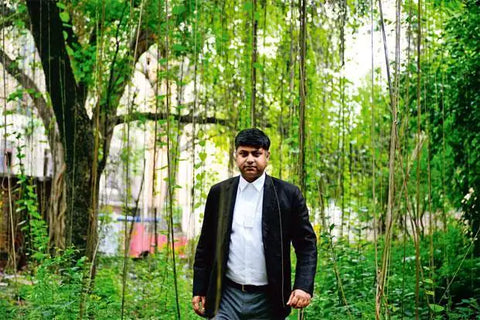 Ritwick Dutta Tree: Environmental Justice Champion's Conservation Impact
 Sunita Narain: Environmental Champion Leading India's Green Revolution
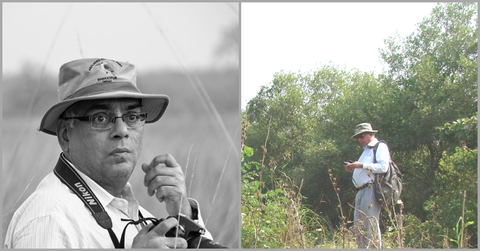 Debi Goenka: Forest Conservation Champion Protecting India's Green Legacy
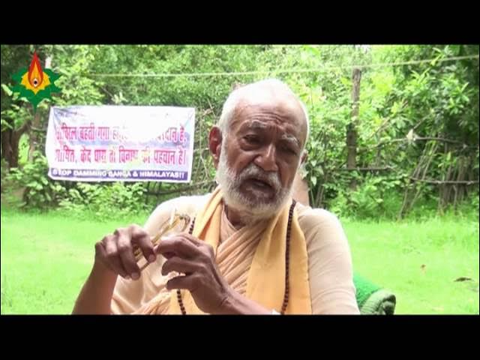 Dr. G. D. Agrawal: Environmental Crusader Who Saved Rivers


Leave a comment