
Naomi Klein: Climate Activist Exposing Capitalism's Environmental Impact
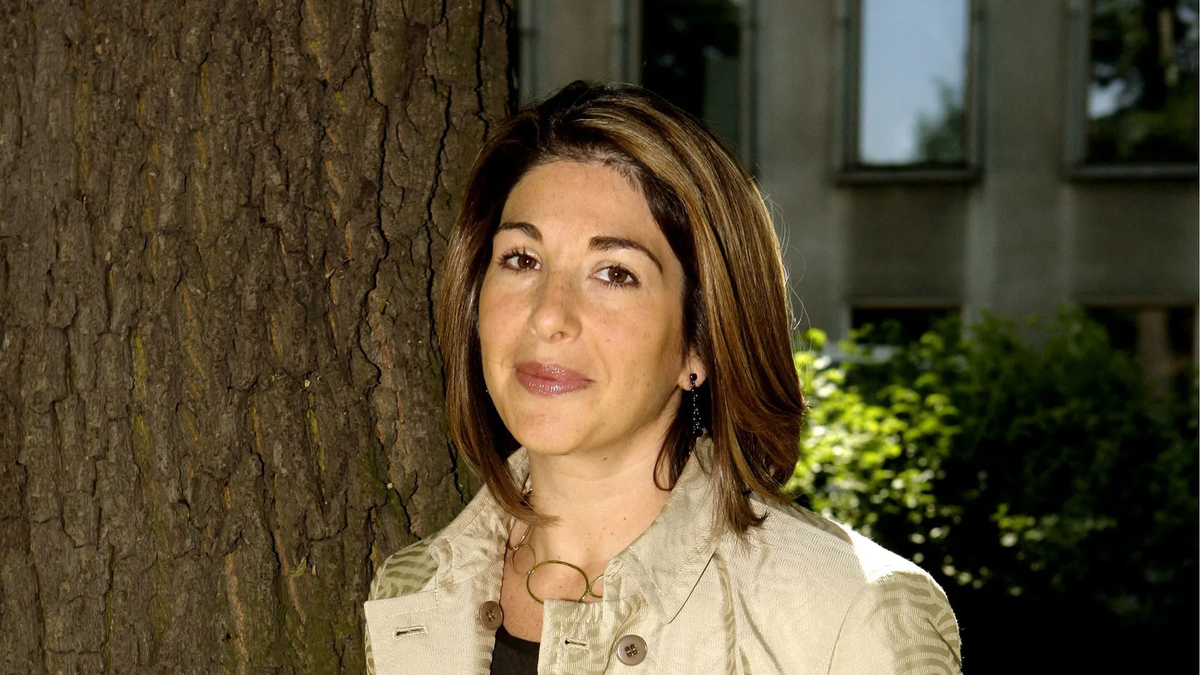
Naomi Klein is a Canadian author and climate activist who exposes how capitalism accelerates environmental destruction through investigative journalism and books like This Changes Everything: Capitalism vs. The Climate. Her work argues that addressing the climate crisis requires fundamental economic and social reorganization, not merely technological solutions.
Naomi Klein stands as one of the most influential voices in climate activism today, fearlessly exposing how capitalism accelerates environmental destruction. Her groundbreaking work reveals the uncomfortable truth that our economic system and climate crisis are inextricably linked, challenging us to rethink everything we know about sustainability and social justice.
Through her investigative journalism and powerful books like This Changes Everything: Capitalism vs. The Climate, Klein has transformed the global conversation around climate action. Her work demonstrates that addressing the climate emergency requires more than technological solutions—it demands fundamental changes to how we organize our economies and societies.
✅ The Author Who Uncovered the Truth About Climate and Capitalism
Naomi Klein, a Canadian author and activist, has made a significant mark in the world of climate activism with her bold stance on the relationship between capitalism and environmental destruction. Her investigative journalism has garnered global recognition, illuminating how our capitalist systems are exacerbating climate change.
Klein's seminal works, such as The Shock Doctrine and This Changes Everything, provide a deep dive into the ways capitalism exploits natural resources, causes inequality, and accelerates the climate crisis. Through meticulous research and compelling storytelling, she has exposed the mechanisms through which powerful economic forces prioritize profit over planetary health.
Her approach combines rigorous analysis with passionate advocacy, making complex economic and environmental concepts accessible to readers worldwide. This unique blend of scholarship and activism has positioned Klein as a leading voice in the movement for climate justice.
⚠️ The Climate Crisis: A Global Emergency Demanding Action
We are in the midst of a climate crisis, one that has been decades in the making. Global temperatures have been rising steadily, and the effects of climate change are being felt everywhere, from extreme weather events like wildfires and hurricanes to rising sea levels and shrinking polar ice caps.
According to the United Nations Climate Change initiative, if we don't act quickly, global temperatures could rise by 1.5°C as early as 2030, bringing disastrous consequences for the planet. The scientific consensus is clear: immediate and transformative action is required to prevent catastrophic climate impacts.
Klein's book, This Changes Everything, addresses these concerns by arguing that capitalism, with its unrelenting pursuit of profit, is at the heart of the climate crisis. Her work challenges the mainstream narrative that environmental sustainability and economic growth can coexist under the current capitalist framework.
Instead, Klein calls for a radical rethinking of how we organize our societies and economies, pushing for solutions that prioritize the health of the planet over corporate profits. This perspective has sparked crucial debates about the fundamental changes needed to address our environmental emergency.
💡 Capitalism and Climate Change: The Unholy Alliance
Capitalism, by its very nature, encourages the exploitation of resources—be they human or natural—to maximize profit. Klein argues that the capitalist drive for growth and consumption is at odds with the planet's capacity to sustain life. The constant need for economic expansion leads to environmental degradation, whether through deforestation, pollution, or fossil fuel extraction.
In This Changes Everything, Klein highlights how large corporations and powerful economic forces have played a significant role in stalling climate action. Many industries have lobbied against environmental regulations, spreading misinformation and pushing for policies that prioritize short-term profits over long-term sustainability.
This behavior has made the climate crisis not just an environmental issue but a political and economic one as well. Klein's analysis reveals how corporate interests have systematically undermined climate science and delayed necessary policy responses, contributing to the severity of our current crisis.
The author demonstrates that meaningful climate action requires confronting these powerful economic interests and restructuring our economic systems to prioritize sustainability over endless growth.
🌍 The Intersection of Climate and Social Justice
Another critical aspect of Klein's work is her focus on the social justice implications of the climate crisis. The effects of climate change disproportionately impact marginalized communities, from Indigenous peoples whose lands are threatened by resource extraction to low-income communities that bear the brunt of environmental disasters.
Klein points out that these groups are the least responsible for climate change but are suffering the most from its consequences. This environmental injustice reflects broader patterns of inequality within capitalist systems, where the costs of economic activity are often externalized onto vulnerable populations.
She argues that addressing climate change isn't just about saving the planet—it's about saving humanity, particularly those who have been exploited by the capitalist systems that have caused the crisis. Klein's call for climate justice demands that we not only address environmental degradation but also the deep-seated social inequalities that exacerbate it.
This intersectional approach has influenced how many activists and policymakers think about climate solutions, emphasizing that effective climate action must also address social and economic justice.
→ Climate Action: What Needs to Be Done According to Klein
So, what does Klein propose as solutions to the climate crisis? One of her most revolutionary ideas is the need to transition away from capitalism and toward a system that values sustainability, equity, and justice. This includes transitioning to renewable energy sources, such as solar and wind power, and moving away from fossil fuels that contribute to global warming.
But Klein goes further than simply advocating for green energy. She calls for a fundamental rethinking of the way economies operate, moving away from consumerism, overconsumption, and the exploitation of labor and natural resources. Her vision aligns with the United Nations Sustainable Development Goals, which emphasize the need for sustainable economic growth.
In This Changes Everything, Klein emphasizes the importance of government intervention and regulation to create a sustainable, equitable economy. She proposes policies like carbon pricing, universal basic income, and green new deals that prioritize the well-being of people and the planet over corporate profits.
Klein also advocates for community-based solutions, supporting local renewable energy projects and democratic participation in climate planning. She believes that grassroots movements and collective action are essential for creating the systemic changes needed to address the climate crisis effectively.
⭐ The Global Impact of Klein's Work and Legacy
Klein's influence extends far beyond her books. As an activist, she has participated in numerous climate protests and has been a vocal advocate for Indigenous rights and environmental justice. Her work has inspired countless individuals to take action on climate change and has influenced policy discussions worldwide.
Her analysis of the relationship between capitalism and climate change has become foundational to many climate justice movements. Organizations around the world have adopted her framework for understanding how economic systems contribute to environmental degradation.
Klein's work has also influenced academic discourse, with universities incorporating her ideas into environmental studies, economics, and political science curricula. Her interdisciplinary approach has helped bridge the gap between environmental science and social justice advocacy.
The author's emphasis on systemic change rather than individual action has shifted how many people think about climate solutions, moving the conversation from personal responsibility to collective action and policy reform.
🌱 Klein's Vision for Environmental Restoration
Beyond critiquing existing systems, Klein offers a hopeful vision for environmental restoration and social transformation. She envisions a world where economic activity works in harmony with natural systems, supporting both human well-being and ecological health.
This vision includes massive reforestation efforts, which align with initiatives like those supported by the World Wildlife Fund's forest conservation programs. Klein recognizes that protecting and restoring forests is crucial for carbon sequestration and biodiversity preservation.
Her approach to environmental restoration emphasizes community involvement and Indigenous leadership, recognizing that local communities often have the most sustainable relationships with their environments. This perspective supports initiatives that combine environmental restoration with social and economic justice.
Klein's work demonstrates how environmental restoration can create jobs, strengthen communities, and build resilience against climate impacts while addressing the root causes of environmental degradation.
💚 Combating Climate Change Through Collective Action
Klein's message resonates with organizations like Grow Billion Trees, which demonstrates how collective action can create meaningful environmental impact. By enabling individuals to Plant a tree in your Name for just ₹299, such initiatives show how personal action can contribute to larger systemic change.
The goal of planting 100 crore trees reflects Klein's emphasis on the scale of action needed to address the climate crisis. These efforts support Net Zero Targets while providing tangible ways for people to participate in climate solutions.
Programs offering 2-3ft Tree Planting + 3 Years Care + GeoTag demonstrate how technology can enhance environmental restoration efforts, providing transparency and accountability that Klein advocates for in climate action. Such initiatives bridge individual action with collective impact, embodying Klein's vision of democratic participation in environmental solutions.
Further reading: Harsh Mander: Growing Hope Through Sustainable Green Initiatives · Bill McKibben: Climate Activist Leading Global Environmental Action
Frequently Asked Questions
Who is Naomi Klein and why is she important to climate activism?
Naomi Klein is a Canadian author, journalist, and activist best known for her critical analysis of capitalism and climate change. She's important because she has exposed how economic systems contribute to environmental destruction and has influenced global conversations about climate justice and systemic change.
What is Klein's main argument about capitalism and climate change?
Klein argues that capitalism's drive for endless growth and profit maximization is fundamentally incompatible with environmental sustainability. She contends that meaningful climate action requires transforming our economic systems rather than simply adopting green technologies within existing structures.
What solutions does Naomi Klein propose for the climate crisis?
Klein proposes transitioning away from fossil fuels, implementing strong government regulations, creating green jobs programs, and fundamentally restructuring economies to prioritize sustainability and equity over profit. She also emphasizes the importance of grassroots movements and democratic participation in climate planning.
How does Klein connect climate change to social justice?
Klein demonstrates that climate change disproportionately affects marginalized communities who are least responsible for causing it. She argues that effective climate solutions must address social and economic inequalities, making climate action inseparable from social justice.
What impact has Klein's work had on climate policy and activism?
Klein's work has influenced climate justice movements worldwide, shaped academic discourse, and contributed to policy discussions about systemic approaches to climate action. Her framework for understanding capitalism's role in climate change has become foundational to many environmental organizations.
What is Klein's most influential book on climate change?
This Changes Everything: Capitalism vs. The Climate is Klein's most influential climate book. It comprehensively examines how capitalism contributes to climate change and proposes systemic solutions for addressing the crisis.
How does Klein's approach differ from mainstream environmentalism?
Unlike mainstream environmentalism that often focuses on individual actions and technological solutions, Klein emphasizes systemic change and collective action. She argues that addressing climate change requires confronting powerful economic interests and restructuring society.
What role does Klein see for government in addressing climate change?
Klein believes government intervention is essential for climate action. She supports policies like carbon pricing, green infrastructure investment, and regulations that prioritize environmental protection over corporate profits. She sees democratic government as crucial for implementing the large-scale changes needed.
How has Klein influenced the concept of climate justice?
Klein has been instrumental in connecting environmental issues to social justice, demonstrating how climate impacts intersect with inequality and marginalization. Her work has helped establish climate justice as a central framework for understanding and addressing the climate crisis.
What is Klein's vision for a post-capitalist future?
Klein envisions an economy that prioritizes sustainability, equity, and community well-being over profit maximization. This includes renewable energy systems, democratic economic planning, reduced consumption, and economic structures that work within planetary boundaries while ensuring social justice.Naomi Klein's groundbreaking work continues to shape how we understand the relationship between economic systems and environmental destruction. Her call for systemic change challenges us to think beyond individual actions and technological fixes, demanding fundamental transformation of how we organize society. As we face the mounting climate crisis, Klein's insights become increasingly relevant, offering both a clear diagnosis of our problems and a hopeful vision for solutions. Discover how you can contribute to environmental restoration and join the movement for climate action today.
Keep reading
 Harsh Mander: Growing Hope Through Sustainable Green Initiatives
 Bill McKibben: Climate Activist Leading Global Environmental Action
 George Monbiot: Environmental Journalist Fighting Climate Crisis
 Leah Thomas: Revolutionary Eco-Communicator Championing Intersectional Environmentalism
 Van Jones: Green Collar Champion Bridging Environment & Justice


Leave a comment