
How Trees Are Vital for Our Modern Cities: A Complete Guide
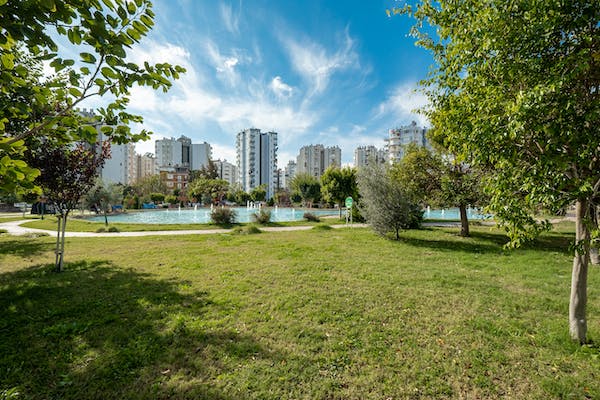
Trees are vital for modern cities because they cool urban temperatures through evapotranspiration, reduce air pollution, and support public health and sustainability. A single mature tree can provide the cooling equivalent of ten room-sized air conditioners operating 20 hours per day, while urban tree cover can reduce local temperatures by up to 20°F.
Trees are the unsung heroes of urban environments, providing essential services that make our modern cities livable, sustainable, and healthy. From cooling scorching concrete jungles to purifying polluted air, trees serve as nature's infrastructure that every city desperately needs. As urbanization accelerates globally, understanding how trees are vital for our modern cities becomes crucial for creating sustainable urban environments that support both human health and environmental well-being.
✅ The Urban Heat Island Solution: Natural Air Conditioning
Modern cities face a critical challenge known as the urban heat island effect, where temperatures can be 2-8°F higher than surrounding rural areas. Trees provide shade and cooling by releasing water vapor through their leaves in a process called evapotranspiration. This natural air conditioning system can reduce local temperatures by up to 20°F, making cities more comfortable and reducing energy consumption for air conditioning.
A single mature tree can provide the cooling equivalent of ten room-sized air conditioners operating 20 hours per day. According to the United Nations Sustainable Development Goals, urban green spaces including trees are essential for creating sustainable cities and communities.
💡 Air Quality Champions: Nature's Pollution Filters
Trees serve as powerful air purification systems in urban environments. They absorb carbon dioxide, sulfur dioxide, nitrogen oxides, and particulate matter while releasing oxygen. A mature tree can absorb 48 pounds of CO2 annually and produce enough oxygen for two people.
Studies show that urban forests can reduce air pollution by 7-24%, significantly improving respiratory health for city residents. The United Nations Environment Programme highlights forests as crucial for maintaining air quality and combating climate change in urban areas.
⭐ Noise Reduction and Mental Health Benefits
Trees act as natural sound barriers, reducing noise pollution by 5-10 decibels. This acoustic benefit is particularly valuable near busy roads, airports, and industrial areas. The psychological benefits are equally impressive – exposure to urban trees reduces stress hormones, lowers blood pressure, and improves overall mental well-being.
Research indicates that hospital patients with tree views recover 25% faster than those without. Urban green spaces with trees provide essential respite from the concrete jungle, supporting mental health in densely populated areas.
Economic Impact: Property Values and Cost Savings
Trees significantly boost urban property values, with well-landscaped properties commanding 5-15% higher prices. Beyond property values, urban trees provide substantial economic benefits through reduced energy costs, healthcare savings from improved air quality, and increased tourism revenue.
The economic value of urban forest services in the United States alone exceeds $18 billion annually. Cities investing in tree planting programs see returns of $2-5 for every dollar spent on urban forestry initiatives.
🌧️ Stormwater Management and Flood Prevention
Urban trees are natural stormwater management systems. A single large tree can intercept over 36,000 gallons of rainwater annually, reducing flood risks and preventing costly infrastructure damage. Tree canopies slow rainfall impact, while root systems improve soil infiltration rates.
Cities with robust urban canopy coverage experience 20-30% less stormwater runoff, reducing the burden on aging sewer systems and preventing combined sewer overflows that pollute waterways.
→ Biodiversity Hubs in Concrete Jungles
Urban trees create vital habitat corridors for wildlife, supporting biodiversity in cities. They provide nesting sites for birds, food sources for pollinators, and migration pathways for various species. This urban biodiversity supports ecosystem services and creates more resilient urban environments.
Cities with diverse urban forests report 30-50% more bird species than those with limited tree coverage. These green corridors are essential for maintaining ecological balance in urban environments.
Climate Action Through Urban Forestry
Trees are powerful allies in the fight against climate change. Urban forests sequester carbon, reduce energy consumption, and help cities adapt to changing climate conditions. The United Nations Climate Change initiatives emphasize urban forestry as a key strategy for achieving Net Zero Targets.
Grow Billion Trees is Combating Climate Change Through Collective Action by offering 2-3ft Tree Planting + 3 Years Care + GeoTag services. Our mission to Plant a tree in your Name for ₹299 supports urban reforestation efforts across Indian cities including Mumbai, Bangalore, Delhi, Chennai, and Hyderabad.
Social and Community Benefits
Trees create natural gathering spaces that foster community interaction and social cohesion. Tree-lined streets encourage walking and cycling, promoting healthier lifestyles and reducing vehicle emissions. Parks and green spaces with mature trees become community hubs for recreation, education, and cultural activities.
Studies show that neighborhoods with more trees have lower crime rates and stronger social connections. Trees literally bring communities together while improving quality of life for all residents.
⚠️ Challenges and Solutions for Urban Tree Management
Modern cities face challenges in maintaining urban forests, including limited space, soil compaction, pollution stress, and infrastructure conflicts. Successful urban forestry requires proper species selection, adequate soil volume, and ongoing maintenance programs.
Innovative solutions include vertical forests, green roofs, and strategic urban planning that prioritizes tree preservation and planting. Cities must integrate trees into infrastructure planning rather than treating them as afterthoughts.
Further reading: Breathing Life into Concrete Jungles: Urban Tree Plantation Guide · Urbanization Dilemma: Balancing Concrete Jungles and Green Spaces
Frequently Asked Questions
How many trees does a city need per person?
Urban forestry experts recommend 2-3 trees per resident for optimal environmental benefits. This translates to approximately 30-40% urban canopy coverage in most cities.
What types of trees work best in urban environments?
Native species adapted to local climate conditions perform best. Popular urban trees include oak, maple, elm, and fruit trees that provide multiple benefits including shade, air purification, and wildlife habitat.
How much does urban tree planting cost?
Tree planting costs vary by species and location, typically ranging from ₹299-₹2,000 per tree including initial care. Grow Billion Trees offers comprehensive tree planting services starting at ₹299 with 3 years of care included.
How long do urban trees take to provide benefits?
Young trees begin providing air quality and cooling benefits immediately, with significant impact achieved within 5-10 years. Mature trees (20+ years) provide maximum environmental and economic benefits.
Can trees survive in polluted urban environments?
Yes, with proper species selection and care. Many trees are remarkably resilient and actually help reduce urban pollution while thriving in city conditions.
How do cities maintain large urban forest programs?
Successful programs combine municipal funding, community partnerships, and innovative financing including tree sponsorship programs. Regular maintenance, monitoring, and replacement ensure long-term success.
What role do citizens play in urban forestry?
Citizens can support urban forestry through tree sponsorship, volunteer maintenance, advocacy for tree protection policies, and choosing tree-friendly landscaping for private properties.
How do trees help cities achieve sustainability goals?
Trees support multiple UN Sustainable Development Goals including climate action, sustainable cities, health and well-being, and biodiversity conservation through integrated urban forest management.
Taking Action: Plant Trees for Urban Transformation
The evidence is clear – trees are not just nice-to-have amenities but essential infrastructure for modern cities. As we work toward planting 100 crore trees across India by 2030, every tree planted contributes to healthier, more sustainable urban environments.
Join our mission to transform Indian cities through strategic tree planting. Plant a tree in your Name today and become part of the solution for creating greener, healthier urban spaces. Explore our urban forestry programs and discover how you can contribute to building sustainable cities for future generations.
Keep reading
 Breathing Life into Concrete Jungles: Urban Tree Plantation Guide
 Urban Forestry: Growing a Sustainable Future for Cities
 Urbanization Dilemma: Balancing Concrete Jungles and Green Spaces
 Top 10 Benefits of Tree Plantation for the Environment
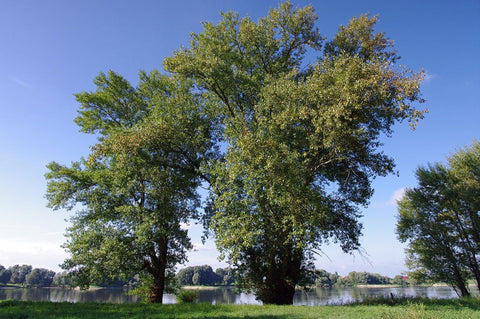 Black Poplar Tree: The Unsung Hero of Urban Landscapes and Eco-Friendly Living


Leave a comment