
Adusa Tree: Unveiling the Ancient Healing Secrets and Ecological Brilliance of Nature’s Medicinal Marvel
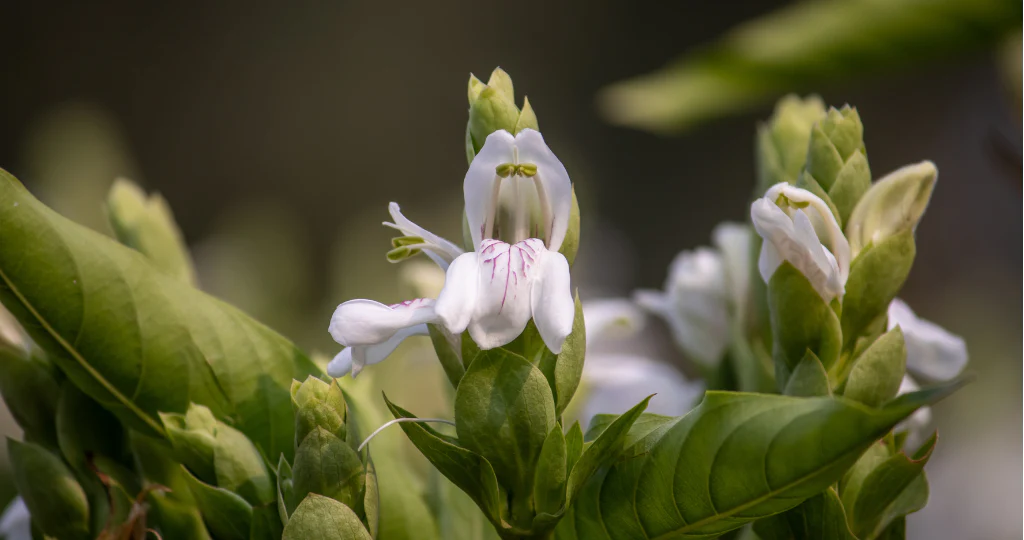
The Adusa Tree (Justicia adhatoda) is an evergreen shrub native to the Indian subcontinent, traditionally used in Ayurveda, Siddha, and Unani medicine to treat respiratory ailments, fever, and skin disorders. Growing 3–5 metres tall with lance-shaped leaves and white flowers, it thrives in tropical and subtropical climates and plays a vital role in maintaining ecological balance across natural ecosystems.
The Adusa Tree, scientifically known as Justicia adhatoda, is a remarkable plant celebrated for its powerful medicinal properties and environmental contributions. Native to the Indian subcontinent, this evergreen shrub has been a cornerstone of traditional medicine for centuries.
Renowned for its ability to heal and its role in maintaining ecological balance, the Adusa Tree truly embodies nature’s brilliance. Let’s explore its historical significance, scientific relevance, and environmental impact.
What is the Adusa Tree?
The Adusa Tree belongs to the Acanthaceae family and is a small evergreen shrub that grows up to 3-5 meters tall. Its long, lance-shaped leaves, white flowers, and bitter-tasting leaves are key features.
Known for its resilience, the tree thrives in a variety of environments, including tropical and subtropical climates, making it a vital part of natural ecosystems.
Historical and Cultural Significance
The Adusa Tree has deep roots in traditional medicine, especially in Ayurveda, Siddha, and Unani practices. Its leaves, roots, and flowers have been used for generations to treat respiratory ailments, fever, and skin disorders.
Ancient texts describe it as a "divine healer," revered for its ability to restore health and vitality.
Fun Fact: The Adusa Tree is also called the “Malabar Nut Tree,” referring to its nut-like seeds and origins in the Malabar region of India.
Medicinal Properties of the Adusa Tree
The Adusa Tree is a powerhouse of medicinal compounds, including alkaloids like vasicine and vasicinone. These bioactive substances contribute to its wide range of therapeutic effects.
- Respiratory Health: Adusa leaves are a natural expectorant, helping to relieve cough, asthma, and bronchitis.
- Anti-inflammatory: Its extracts reduce inflammation, making it effective for arthritis and sore throats.
- Wound Healing: The plant’s antimicrobial properties help treat cuts, wounds, and infections.
- Fever Reduction: Adusa leaves are used in traditional remedies to lower fever and combat viral infections.
Scientific Backing
Research published in the Journal of Ethnopharmacology highlights the Adusa Tree’s antimicrobial, anti-inflammatory, and bronchodilator properties. Studies confirm its effectiveness in treating respiratory ailments and its potential as a natural remedy for skin conditions.
Environmental Impact
Beyond its medicinal uses, the Adusa Tree plays an important role in supporting biodiversity and maintaining ecological balance. Its dense foliage and adaptability make it a valuable species for reforestation and habitat restoration projects.
- Biodiversity Support: The tree provides food and shelter for birds, bees, and other wildlife, fostering a thriving ecosystem.
- Soil Enrichment: Its roots prevent soil erosion and improve soil quality, especially in degraded lands.
- Carbon Sequestration: As a small tree, it absorbs carbon dioxide and helps mitigate climate change, contributing to cleaner air.
Fun Fact: Adusa flowers are rich in nectar, attracting bees and butterflies, making it a favorite for pollinators.
Adusa Tree in Traditional Medicine
For centuries, the Adusa Tree has been a cornerstone of traditional medicine. Its leaves are often boiled to make herbal teas or ground into pastes for topical applications. Its roots are used to create decoctions, while its flowers are infused in oils for treating skin ailments.
Planting and Caring for the Adusa Tree
- Soil: Thrives in well-drained sandy or loamy soils but adapts well to rocky and poor soils.
- Sunlight: Requires full sunlight or partial shade for healthy growth and abundant flowering.
- Watering: Minimal watering is needed once established, making it drought-tolerant and low-maintenance.
- Pruning: Regular pruning helps maintain its shape and promotes healthier growth.
Modern Applications
In addition to its traditional uses, the Adusa Tree is gaining recognition in modern industries. Its alkaloids are being studied for pharmaceutical applications, particularly in respiratory care.
The tree’s extracts are also used in herbal cough syrups, skincare products, and wellness teas, bridging ancient wisdom with contemporary needs.
Cultural Symbolism
The Adusa Tree symbolizes health and resilience in many cultures. Its ability to thrive in challenging conditions and provide multiple benefits makes it a metaphor for endurance and healing. In some regions, the tree is planted near homes as a natural remedy provider and symbol of prosperity.
Conservation and Sustainability
Although the Adusa Tree is not endangered, habitat loss and overharvesting can impact its population. Encouraging its cultivation in home gardens and urban landscapes can help preserve its medicinal and ecological value.
Reforestation projects that include the Adusa Tree can restore degraded lands and support local ecosystems.
Conclusion
The Adusa Tree is a natural marvel, blending powerful medicinal properties with ecological benefits. From its role in traditional medicine to its contributions to biodiversity and sustainability, it stands as a symbol of nature’s generosity.
By celebrating and conserving the Adusa Tree, we ensure its legacy as a medicinal marvel and ecological guardian continues to enrich lives and ecosystems for generations to come.
Further reading: Aadusa Tree: Unveiling the Medicinal Wonders and Timeless Benefits of Natures Healing Marvel · Gultara Tree: Exploring the Hidden Treasures and Remarkable Benefits of Natures Botanical Wonder
Frequently Asked Questions
What is the Adusa Tree?
The Adusa Tree, scientifically known as Justicia adhatoda, is a small evergreen shrub known for its medicinal properties, environmental benefits, and role in traditional medicine.
Why is the Adusa Tree considered a medicinal marvel?
Its leaves, roots, and flowers contain alkaloids that treat respiratory issues, skin infections, and inflammation, making it a natural pharmacy validated by Ayurveda.
How does the Adusa Tree benefit the environment?
The tree stabilizes soil, supports biodiversity, and absorbs carbon dioxide, proving it’s an eco-friendly hero for climate change mitigation and ecosystem restoration.
What are the traditional uses of the Adusa Tree?
In Ayurveda and Unani medicine, its leaves and roots are used to treat coughs, fevers, and wounds, showcasing its ancient role as a natural healer.
Can the Adusa Tree thrive in challenging conditions?
Absolutely. The Adusa Tree’s adaptability to poor soils and drought proves its resilience, making it a versatile addition to various landscapes.
What are the modern applications of the Adusa Tree?
Its extracts are used in herbal remedies, cough syrups, and skincare products, blending ancient healing traditions with contemporary wellness solutions.
Why is the Adusa Tree significant in agroforestry?
Its ability to improve soil quality and thrive alongside crops makes it an essential ally for sustainable farming and biodiversity support.
Why should we conserve the Adusa Tree?
Habitat loss and overharvesting threaten its population, and conservation ensures its medicinal, ecological, and cultural benefits endure for future generations.
Keep reading
 Aadusa Tree: Unveiling the Medicinal Wonders and Timeless Benefits of Natures Healing Marvel
 Gultara Tree: Exploring the Hidden Treasures and Remarkable Benefits of Natures Botanical Wonder
 Philkan Tree: Unlocking the Mysteries and Healing Wonders of Nature’s Green Gem
 Shawani Tree: Discovering the Hidden Marvels and Healing Secrets of Nature’s Evergreen Gem
 Dhawada Tree: Unlocking the Ancient Healing Secrets and Ecological Brilliance of Nature’s Resilient Marvel


Comments
Leave a comment