
African Mahogany Tree: The Ultimate Guide to Its Beauty, Benefits, and Sustainable Harvesting

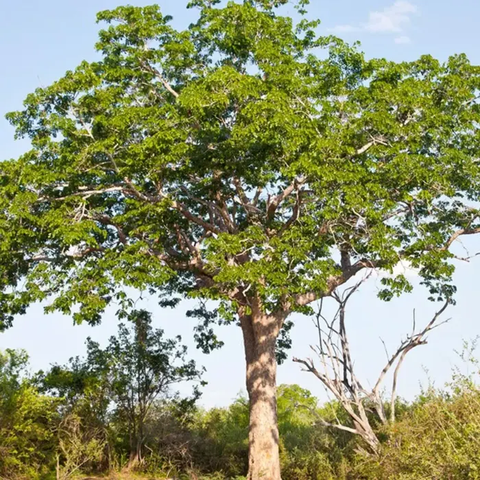
African Mahogany (Khaya spp.) is a hardwood native to tropical Africa—Ghana, Nigeria, and the Democratic Republic of Congo. The tree grows up to 150 feet tall with trunks reaching 3 feet in diameter, and features a reddish-brown color and fine, interlocking grain. With a density of 600–850 kg/m³, it is widely used in furniture, cabinetry, and flooring.
The African Mahogany tree, known scientifically as Khaya spp., is one of the most sought-after hardwoods in the world, celebrated for its beauty, durability, and versatility.
This comprehensive guide delves into the various aspects of the African Mahogany tree, including its characteristics, benefits, sustainable harvesting practices, and the environmental impact associated with its cultivation.
Additionally, we will explore how organizations like Grow Billion Trees Partners are pivotal in promoting sustainable forestry practices in regions where African Mahogany thrives.
1. Characteristics of African Mahogany
African Mahogany is native to the tropical regions of Africa, primarily found in countries like Ghana, Nigeria, and the Democratic Republic of Congo.
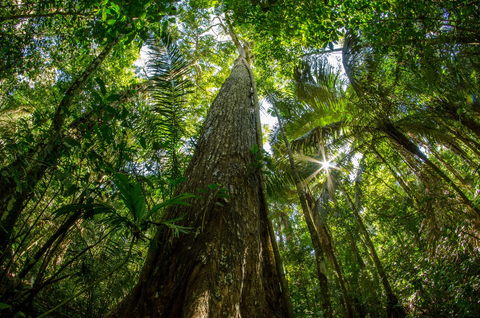
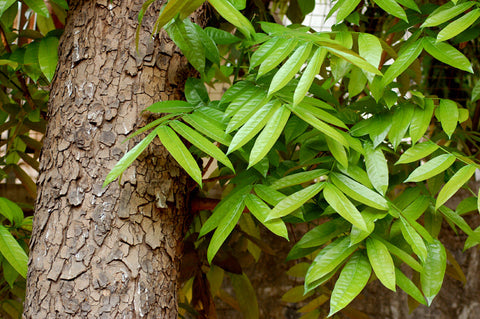
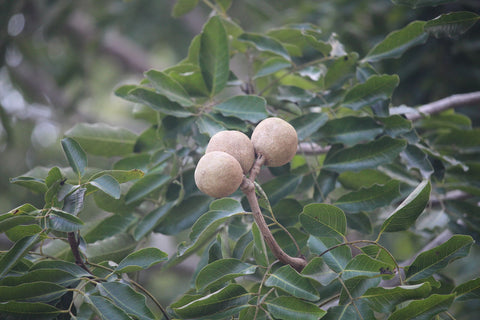
The tree can grow up to 150 feet tall and has a straight trunk that can reach a diameter of 3 feet. Its leaves are compound and glossy, providing a lush green canopy that is characteristic of tropical forests.
The wood of the African Mahogany is renowned for its rich reddish-brown color, which darkens with age, and its fine, interlocking grain.
This gives it a unique aesthetic appeal, making it a favorite choice for furniture, cabinetry, and flooring. Its density ranges from 600 to 850 kg/m³, which makes it not only sturdy but also resistant to wear and tear.
2. Benefits of African Mahogany
African Mahogany offers numerous benefits, making it a valuable resource for both consumers and the environment:
2.1 Aesthetic Appeal
The striking appearance of African Mahogany makes it a popular choice among interior designers and homeowners. Its warm tones and beautiful grain patterns add elegance to any space, making it ideal for high-end furniture and decorative pieces.
2.2 Durability
One of the most significant advantages of African Mahogany is its durability. The wood is resistant to warping, cracking, and insects, making it suitable for both indoor and outdoor applications. This longevity translates into less frequent replacements, making it a cost-effective option in the long run.
2.3 Acoustic Properties
Due to its density and grain structure, African Mahogany is often used in musical instruments, particularly in the construction of guitars and pianos. Its acoustic properties enhance sound quality, making it a preferred choice among musicians.
2.4 Environmental Impact
When harvested sustainably, African Mahogany can contribute positively to local ecosystems. The tree plays a vital role in carbon sequestration, helping to mitigate climate change by absorbing CO2 from the atmosphere. Furthermore, sustainable harvesting practices ensure that the biodiversity of the forest is preserved.
3. Sustainable Harvesting Practices
As demand for African Mahogany has surged, concerns about over-exploitation and deforestation have arisen. Sustainable harvesting practices are essential to ensure the long-term viability of this precious resource. Here are some key practices:
3.1 Selective Logging
Selective logging involves removing only specific trees while leaving the surrounding ecosystem intact. This method minimizes damage to the forest floor and allows other species to thrive, promoting biodiversity.
3.2 Certification Schemes
Organizations such as the Forest Stewardship Council (FSC) provide certification for sustainably harvested timber. This certification assures consumers that the wood they purchase comes from responsibly managed forests, encouraging sustainable practices among producers.
3.3 Reforestation Efforts
Reforestation is crucial for maintaining healthy forests. Initiatives that focus on planting new trees after harvesting ensure that the forest can regenerate, providing habitat for wildlife and maintaining the ecological balance.
4. Environmental Impact of African Mahogany Cultivation
The cultivation of African Mahogany has both positive and negative environmental impacts, depending on the methods used:
4.1 Positive Impacts
- Carbon Sequestration: African Mahogany trees absorb significant amounts of CO2, helping to combat climate change.
- Habitat Preservation: When forests are managed sustainably, they provide habitats for numerous species, contributing to biodiversity.
- Soil Erosion Prevention: The root systems of African Mahogany trees help anchor the soil, preventing erosion and maintaining soil health.
4.2 Negative Impacts
- Deforestation: Unsustainable logging practices can lead to deforestation, habitat loss, and a decline in biodiversity.
- Soil Degradation: Poor logging practices can result in soil compaction and degradation, affecting the health of the forest ecosystem.
- Community Displacement: Over-exploitation of forest resources can lead to the displacement of local communities that rely on the forest for their livelihoods.
5. Grow Billion Trees Partners: A Case Study in Sustainable Forestry
Grow Billion Trees Partners is an organization dedicated to promoting sustainable forestry practices and reforestation efforts in regions rich in biodiversity, including those where African Mahogany is prevalent. Their mission is to plant and nurture one billion trees globally, fostering a healthier planet.
5.1 Execution of Projects
Grow Billion Trees Partners employs a multifaceted approach to executing its projects:
- Community Involvement: The organization collaborates with local communities to ensure that reforestation efforts align with their needs and knowledge of the land. This participatory approach empowers communities and fosters stewardship of local resources.
- Education and Training: Grow Billion Trees Partners provides training to local farmers and loggers on sustainable forestry practices, ensuring that they understand the importance of maintaining biodiversity and ecosystem health.
- Monitoring and Evaluation: The organization implements rigorous monitoring and evaluation processes to assess the success of reforestation efforts and adapt strategies as necessary.
5.2 Promotion of Sustainable Practices
Grow Billion Trees Partners actively promotes sustainable practices through:
- Awareness Campaigns: The organization runs campaigns to educate the public about the importance of sustainable forestry and the benefits of using responsibly sourced timber.
- Partnerships with Businesses: Collaborating with businesses that prioritize sustainability, Grow Billion Trees Partners helps create a market for sustainably harvested African Mahogany and other timber species.
- Research and Innovation: The organization invests in research to develop innovative solutions for sustainable forestry, ensuring that practices evolve with changing environmental conditions and market demands.
6. Fun Facts About African Mahogany
Here are some intriguing facts about African Mahogany that highlight its unique characteristics and significance:
- Historical Significance: African Mahogany has been used for centuries in traditional African crafts and architecture, showcasing its importance in cultural heritage.
- Growth Rate: African Mahogany trees can grow up to 3 feet per year under optimal conditions, making them a renewable resource if managed sustainably.
- Resistance to Water: The wood is naturally resistant to water, making it an excellent choice for boat building and outdoor furniture.
- Medicinal Uses: Various parts of the African Mahogany tree have been used in traditional medicine to treat ailments such as fever and inflammation.
7. Conclusion
The African Mahogany tree is not only a source of beautiful and durable wood but also plays a vital role in supporting ecosystems and combating climate change.
By embracing sustainable harvesting practices and supporting organizations like Grow Billion Trees Partners, we can ensure that this valuable resource is preserved for future generations. As consumers, our choices matter; opting for sustainably sourced African Mahogany contributes to a healthier planet and supports local communities.
In summary, the African Mahogany tree stands as a testament to the beauty and utility of nature, urging us to act responsibly in our consumption and stewardship of the earth's resources. Let us work together to protect this magnificent tree and the ecosystems it supports.
Further reading: Congo Mahogany Tree: Ultimate Guide to Beauty, Benefits & Conservation · Cuban Mahogany Tree: The Ultimate Guide to Beauty, Benefits & Conservation
Frequently Asked Questions
What makes African Mahogany so special?
Its rich reddish-brown color and fine, interlocking grain give it a stunning aesthetic appeal. This beauty, combined with its durability and versatility, makes it the go-to choice for high-end furniture and musical instruments. Who wouldn’t want a piece of nature’s art in their home?
How durable is African Mahogany?
Think of African Mahogany as the superhero of hardwoods! It’s resistant to warping, cracking, and pests, making it perfect for both indoor and outdoor use. This durability means less frequent replacements, saving you money and hassle in the long run. A true investment in quality!
Can African Mahogany help the environment?
Absolutely! When harvested sustainably, African Mahogany trees contribute to carbon sequestration, absorbing CO2 and helping mitigate climate change. Plus, they support biodiversity and prevent soil erosion. It’s like having a green superhero in your backyard, fighting for the planet while looking fabulous!
What are sustainable harvesting practices?
Sustainable harvesting practices are the eco-friendly way to enjoy African Mahogany without guilt. Techniques like selective logging and reforestation ensure that forests remain healthy and vibrant. Certification schemes like FSC guarantee that the wood you buy is responsibly sourced. It’s a win-win for you and Mother Earth!
How does Grow Billion Trees Partners contribute?
Grow Billion Trees Partners is like the tree-hugging superhero of sustainable forestry! They plant and nurture a billion trees globally, focusing on community involvement and education. Their efforts ensure that African Mahogany thrives while empowering local communities to take charge of their forests. Together, they’re making the world a greener place!
What are the positive impacts of cultivating African Mahogany?
Cultivating African Mahogany can be a boon for the environment! These trees absorb CO2, preserve habitats, and prevent soil erosion. Managed sustainably, they help maintain biodiversity and contribute to healthier ecosystems. It’s like planting a little piece of paradise that benefits everyone!
What are the negative impacts of African Mahogany cultivation?
While African Mahogany has its perks, unsustainable practices can lead to deforestation and habitat loss. Poor logging can degrade soil health and even displace local communities. It’s a classic case of “with great power comes great responsibility”—let’s make sure we use it wisely!
What makes African Mahogany a favorite for musical instruments?
African Mahogany’s density and unique grain structure enhance its acoustic properties, making it a top choice for musicians. Whether it’s guitars or pianos, this wood produces rich, warm tones that elevate sound quality. It’s the secret ingredient for music that resonates with heart and soul!
What is the historical significance of African Mahogany?
African Mahogany has been a staple in traditional crafts and architecture for centuries. Its rich history showcases its importance in cultural heritage across Africa. Using this wood is like owning a piece of history, connecting us to the artistry and craftsmanship of generations past!
What are some fun facts about African Mahogany?
Did you know African Mahogany can grow up to 3 feet per year? Or that it’s naturally resistant to water, making it perfect for boat building? Additionally, various parts of the tree have been used in traditional medicine. This tree is not just a pretty face; it’s packed with surprises!
How can consumers support sustainable African Mahogany?
You can be a planet-saving hero by choosing sustainably sourced African Mahogany! Look for certification labels, support brands that prioritize eco-friendly practices, and spread the word about the importance of sustainable forestry. Your choices can make a real difference in preserving this magnificent resource for future generations!
Keep reading
 Congo Mahogany Tree: Ultimate Guide to Beauty, Benefits & Conservation
 Cuban Mahogany Tree: The Ultimate Guide to Beauty, Benefits & Conservation
 Big Leaf Mahogany Tree: Ultimate Guide to Beauty, Benefits & Conservation
 Khaya Tree: Unlocking the Majestic Secrets of Nature’s Timber Giant and Healing Marvel
 Natal Mahogany Tree: Unlocking Beauty, Benefits & Sustainable Growth


Comments
Leave a comment