
Banyan Tree: Embracing Nature's Grandeur and Cultural Majesty

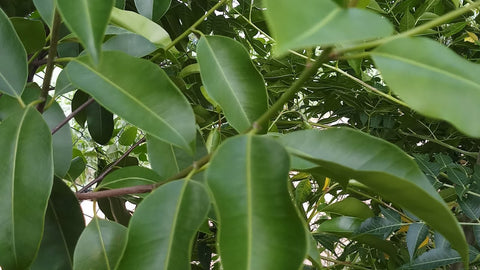
The Banyan Tree (Ficus benghalensis) is a deciduous tree native to the Indian subcontinent, distinguished by its broad spreading crown and aerial roots that descend to create additional trunks. It thrives across diverse climates and holds deep cultural significance. With its rough dark-gray bark and vast canopy, the Banyan remains an iconic species in tropical ecosystems.
In the realm of arboreal magnificence, the Banyan Tree, scientifically known as Ficus benghalensis or Banyan, stands as a majestic guardian of nature, intricately woven into the cultural fabric of various landscapes. This iconic tree, with its sprawling canopy and aerial roots, not only graces the earth with its awe-inspiring presence but also holds deep cultural significance. Join us on a journey through the captivating world of the Banyan Tree, exploring its historical legacy, ecological eminence, and enduring cultural resonance.
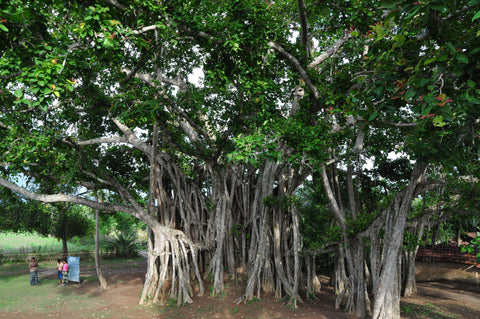
Common Name and Scientific Name: The Banyan Tree, commonly referred to as the Banyan, is a symbol of natural grandeur and is scientifically identified as Ficus benghalensis. Its vast, expansive canopy and intricate network of aerial roots create an unmistakable silhouette, making it a cherished and iconic inhabitant of diverse landscapes.
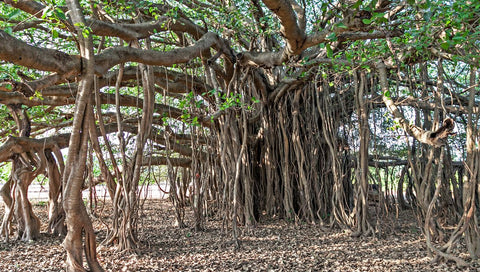
Description: The Banyan is a deciduous tree with distinctive features, including a broad, spreading crown and a unique root system that descends to the ground, creating additional trunks. Its rough, dark-gray bark adds to its regal appearance, making it a distinguished presence in various ecosystems.
Habitat and Distribution: Native to the Indian subcontinent, the Banyan Tree thrives in diverse climates, from the plains to hilly terrains. Its adaptability and resilience make it a prominent feature in the tropical and subtropical regions, enriching the ecosystems it inhabits.
Cultural and Historical Significance: The Banyan Tree has deep roots in the cultural and historical narratives of the regions it graces. Revered in Hinduism, the Banyan symbolizes longevity and is often associated with sacred teachings. Its immense canopy creates a natural gathering space, fostering a sense of community and reflection.
Ecological Importance: Beyond its cultural prominence, the Banyan Tree plays a pivotal role in ecological balance. Its dense canopy provides shade, reducing soil erosion and creating a microhabitat for various flora and fauna. The aerial roots contribute to soil stability and the overall health of ecosystems.
Symbolism and Cultural Uses: The Banyan Tree symbolizes unity, resilience, and interconnectedness. Its presence in religious ceremonies, festivals, and communal gatherings reflects its symbolic importance. Often associated with divinity and wisdom, the Banyan becomes a natural sanctuary for spiritual reflection.
Conservation and Cultivation: While the Banyan Tree is not currently endangered, preserving these iconic trees requires a commitment to sustainable practices and awareness of their ecological and cultural significance. Conservation efforts aim to protect existing Banyan populations and promote responsible cultivation.
In Conclusion: The Banyan Tree, with its majestic stature and cultural significance, stands as a living testament to the harmonious coexistence of nature and culture. As we marvel at its grandeur and cultural resonance, let us embrace the Banyan Tree as a symbol of interconnectedness and a reminder of our shared bond with the environment. In honoring the Banyan, we celebrate not just a tree but a living embodiment of the profound ties between humanity and the natural world.
Further reading: Banyan Tree: The Canopy of Timeless Wisdom · Banyan Tree: The Eternal Symbol of Immortality and Natural Shelter
Frequently Asked Questions
What is the scientific name of the Banyan tree?
The Banyan tree is scientifically known as Ficus benghalensis. It is native to the Indian subcontinent and commonly referred to simply as the Banyan.
What are the distinctive features of a Banyan tree?
The Banyan tree has a broad, spreading crown with a unique system of aerial roots that descend to the ground and create additional trunks. Its rough, dark-gray bark and vast canopy give it a distinctive, regal appearance.
Where do Banyan trees grow naturally?
Banyan trees are native to the Indian subcontinent and thrive across diverse climates, particularly in tropical ecosystems. They are well-adapted to various environmental conditions.
Why are Banyan trees culturally significant?
The Banyan tree holds deep cultural significance and is intricately woven into the cultural fabric of various landscapes. It is considered a symbol of natural grandeur across the regions where it grows.
How do Banyan tree aerial roots work?
Banyan trees develop aerial roots that descend from the branches to the ground, where they take root and form additional trunks. This unique root system creates an intricate network that supports the tree's sprawling structure.


Leave a comment