
Broadleaf Maple Tree: The Ultimate Guide to Its Stunning Beauty, Benefits, and Care Tips!
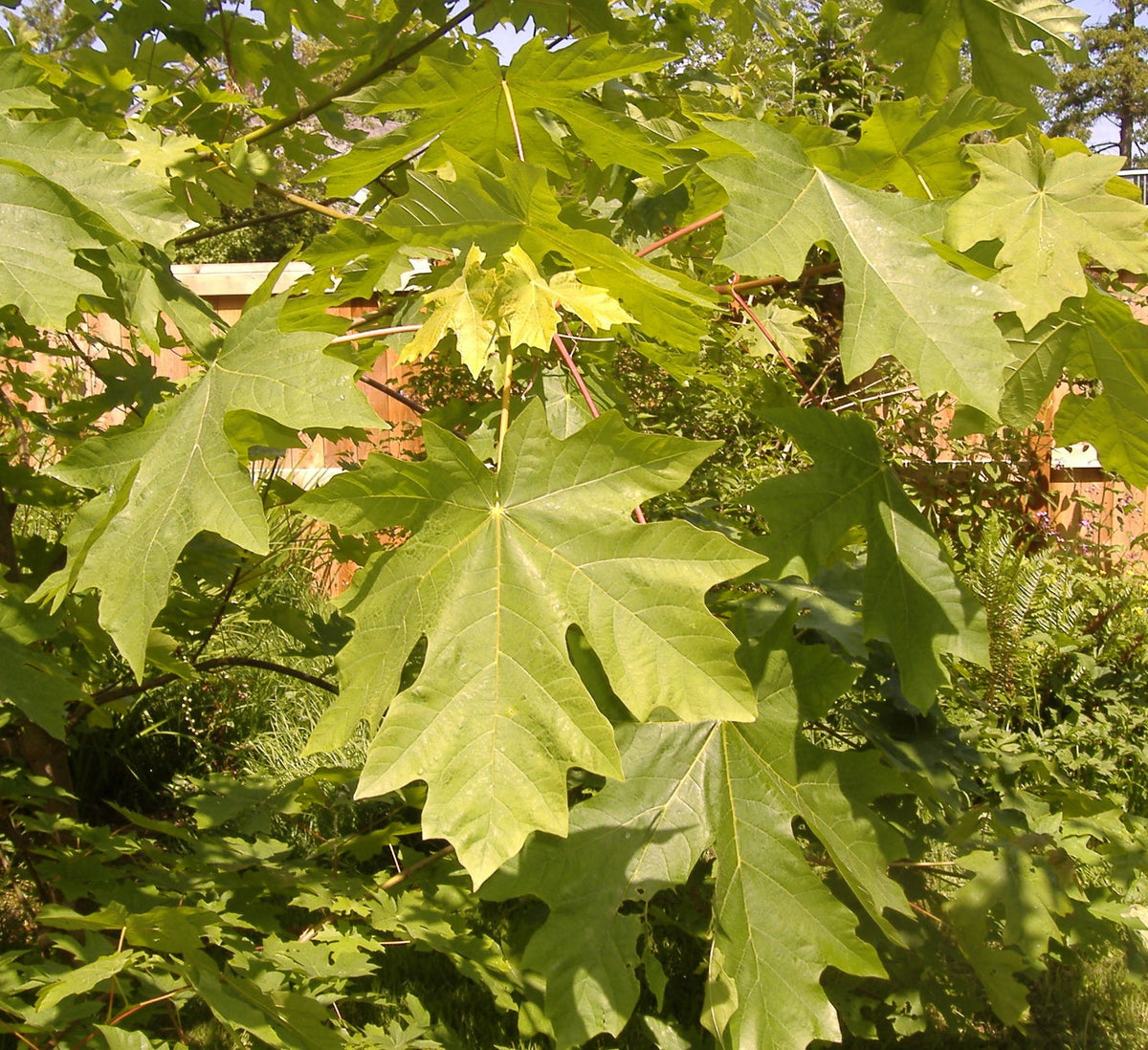
Broadleaf Maple (Acer macrophyllum), native to the Pacific Northwest of North America, is a tree that reaches 50 to 100 feet in height with leaves up to 12 inches wide. It plays a crucial role in its ecosystem, and its foliage ranges from yellow to orange in autumn.
Broadleaf Maple (Acer macrophyllum), also known as the Bigleaf Maple, is a majestic tree that captivates nature lovers and gardening enthusiasts alike with its stunning beauty, ecological benefits, and unique characteristics.
Native to the Pacific Northwest of North America, this tree is not just a feast for the eyes but also plays a crucial role in its ecosystem.
In this ultimate guide, we will delve into the beauty, benefits, care tips, and environmental impact of the Broadleaf Maple, along with insights into how organizations like Grow Billion Trees are promoting tree planting initiatives in this region.
Stunning Beauty of the Broadleaf Maple
The Broadleaf Maple is renowned for its impressive foliage, which can grow up to 12 inches wide, making it one of the largest leaves among North American maples.
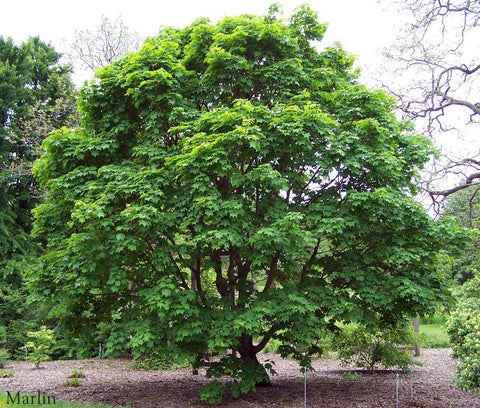
The tree can reach heights of 50 to 100 feet and boasts a broad, spreading crown that provides ample shade. Its bark is smooth and gray when young, becoming furrowed and dark brown as it matures.
In autumn, the leaves turn a spectacular array of colors, ranging from bright yellow to deep orange, providing a stunning display that attracts photographers and nature enthusiasts.
Scientific Classification
- Kingdom: Plantae
- Order: Sapindales
- Family: Sapindaceae
- Genus: Acer
- Species: A. macrophyllum
Benefits of the Broadleaf Maple
The Broadleaf Maple offers numerous benefits, both ecological and practical. Here are some of the most significant advantages:
- Ecological Impact: The tree provides habitat and food for various wildlife species, including birds, squirrels, and insects. Its flowers produce nectar that attracts pollinators, contributing to the overall health of the ecosystem.
- Carbon Sequestration: Like all trees, the Broadleaf Maple plays a vital role in carbon sequestration, absorbing carbon dioxide from the atmosphere and helping mitigate climate change.
- Soil Erosion Control: The extensive root system of the Broadleaf Maple helps stabilize soil, preventing erosion and promoting healthy soil structure.
- Shade and Cooling: The tree's broad canopy provides shade, reducing the urban heat island effect and lowering energy costs for cooling in nearby buildings.
- Aesthetic Appeal: The Broadleaf Maple enhances the beauty of landscapes, parks, and gardens, making it a popular choice for ornamental planting.
Fun Facts about the Broadleaf Maple
- The Broadleaf Maple can live for over 200 years, making it a long-term investment for any landscape.
- Its sap can be harvested and processed into syrup, although it is less common than that of the Sugar Maple.
- The tree is also known for its unique twisting branches, which can create visually striking silhouettes against the sky.
- In Native American culture, the Broadleaf Maple was often used for its wood, which is strong and durable, making it suitable for various applications.
Historical Significance
The Broadleaf Maple has a rich history that intertwines with the cultural practices of Indigenous peoples in the Pacific Northwest. Historically, Native American tribes utilized the tree for various purposes, including making tools, canoes, and even musical instruments.
The wood's strength and workability made it a valuable resource for these communities. Today, the Broadleaf Maple is recognized not only for its beauty but also for its cultural significance, and it is often featured in traditional ceremonies and art.
Environmental Impact
The Broadleaf Maple plays a critical role in its ecosystem. It supports biodiversity by providing habitat and food sources for various species.
The tree's leaves, flowers, and seeds are important for many insects and birds, contributing to the food web. Additionally, the tree's ability to sequester carbon helps to combat climate change, making it an essential component of sustainable forestry practices.
Moreover, Broadleaf Maples are often used in reforestation and afforestation projects due to their adaptability to different soil types and environmental conditions. They thrive in moist, well-drained soils and can tolerate a range of pH levels, making them suitable for various landscapes.
Growing and Caring for Broadleaf Maple Trees
If you're considering planting a Broadleaf Maple, here are some essential care tips to ensure its healthy growth:
- Location: Choose a location that receives full sun to partial shade. The tree thrives in well-drained, moist soils but can tolerate a range of soil types.
- Watering: Young trees require regular watering to establish their root systems. Once established, Broadleaf Maples are relatively drought-tolerant.
- Fertilization: Apply a balanced fertilizer in early spring to promote healthy growth. Avoid over-fertilizing, as this can lead to weak growth.
- Pruning: Prune the tree during its dormant season to remove dead or damaged branches and to shape the tree. Proper pruning encourages a strong structure and healthy growth.
- Pest and Disease Management: While Broadleaf Maples are generally resistant to pests and diseases, keep an eye out for aphids, scale insects, and fungal infections. Use organic pesticides and fungicides as needed.
How Grow Billion Trees Partners with Local Communities
Organizations like Grow Billion Trees are at the forefront of promoting tree planting initiatives, including the Broadleaf Maple, in various regions. Their mission is to combat climate change, restore ecosystems, and enhance biodiversity through large-scale tree planting projects.
Grow Billion Trees partners with local communities, schools, and environmental organizations to execute and promote these projects.
They provide educational resources and training for volunteers, ensuring that participants understand the importance of trees and how to care for them. The organization also collaborates with local governments to identify suitable planting sites and to secure funding for their initiatives.
Through community engagement and outreach, Grow Billion Trees raises awareness about the ecological benefits of planting trees like the Broadleaf Maple.
They organize tree-planting events, workshops, and educational programs that emphasize the importance of trees in combating climate change and enhancing local ecosystems.
Moreover, Grow Billion Trees tracks the progress of their planted trees, ensuring that they thrive and contribute positively to the environment. By fostering a sense of community and stewardship, they inspire individuals to take action in their own backyards and neighborhoods.
Conclusion
The Broadleaf Maple is more than just a beautiful tree; it is an integral part of the ecosystem, offering numerous benefits to wildlife, the environment, and communities. Its stunning foliage, impressive size, and historical significance make it a cherished species in the Pacific Northwest and beyond.
By understanding how to care for this magnificent tree and supporting organizations like Grow Billion Trees, we can all play a role in promoting biodiversity and combating climate change.
Planting a Broadleaf Maple is not just an investment in your landscape; it's a commitment to a healthier planet. Whether you're a seasoned gardener or a beginner, the Broadleaf Maple offers an opportunity to connect with nature and contribute to a sustainable future. So, why not join the movement? Let’s plant a tree today!
Remember, every tree counts, and together, we can make a difference.
Further reading: Maple Tree Magic: Discover the Secrets to Growing Vibrant Maple Trees in Your Garden · Scarlet Maple Tree: Transform Your Landscape with Stunning Fall Colors
Frequently Asked Questions
What is a Broadleaf Maple?
The Broadleaf Maple, or Bigleaf Maple, is a stunning tree native to the Pacific Northwest, known for its impressive 12-inch leaves and towering height of 50 to 100 feet. It’s not just a pretty face; it plays a vital ecological role, providing shade, wildlife habitat, and a stunning autumn display.
What are the benefits of planting a Broadleaf Maple?
Planting a Broadleaf Maple is like giving Mother Nature a high-five! It provides habitat for wildlife, sequesters carbon, controls soil erosion, and adds aesthetic appeal to your landscape. Plus, its broad canopy can lower energy costs by keeping your home cooler. Who knew trees could be such overachievers?
How do I care for a Broadleaf Maple?
Caring for a Broadleaf Maple is easier than you think! Choose a sunny spot with well-drained soil, water regularly while it’s young, and fertilize in spring. Prune during its dormant season to keep it looking sharp. Just watch out for pests; they might try to crash the party!
How tall can a Broadleaf Maple grow?
Buckle up, because the Broadleaf Maple can soar to heights of 50 to 100 feet! That’s right—this tree isn’t just a wallflower; it’s the life of the party, providing ample shade and a majestic presence in your landscape. It’s a tree that truly knows how to stand tall!
What colors do Broadleaf Maple leaves turn in autumn?
Get ready for a breathtaking show! In autumn, the leaves of the Broadleaf Maple transform into a vibrant palette of bright yellow, deep orange, and even hints of red. It’s like nature’s own fireworks display, attracting photographers and leaf-peepers from miles away.
Can I harvest syrup from a Broadleaf Maple?
While you can harvest sap from a Broadleaf Maple, it’s not as popular as its Sugar Maple cousin for syrup production. But hey, if you’re feeling adventurous, give it a try! Just remember, the flavor might not be as sweet, but it’ll definitely be unique!
How long do Broadleaf Maples live?
You might want to sit down for this one: Broadleaf Maples can live for over 200 years! That’s right; this tree is not just a short-term investment. It’s a long-term commitment to your landscape and the environment, making it a wise choice for future generations.
Are Broadleaf Maples resistant to pests?
Generally, yes! Broadleaf Maples are like the cool kids at school—resistant to most pests and diseases. However, keep an eye out for aphids and scale insects. If they do show up uninvited, a little organic pesticide should send them packing without ruining the party!
How does the Broadleaf Maple contribute to biodiversity?
The Broadleaf Maple is like a generous host at a dinner party, providing food and shelter for various wildlife species. Its leaves, flowers, and seeds are vital to many insects and birds, supporting a rich food web and enhancing biodiversity in its ecosystem.
What role does Grow Billion Trees play in tree planting?
Grow Billion Trees is on a mission to plant trees like the Broadleaf Maple, combat climate change, and restore ecosystems. They partner with local communities, schools, and environmental organizations, providing resources and training to ensure these trees thrive. It’s a tree-planting revolution!
What soil conditions do Broadleaf Maples prefer?
Broadleaf Maples are not picky eaters! They thrive in moist, well-drained soils but can adapt to a range of soil types and pH levels. Just make sure they’re not sitting in soggy shoes; they prefer their roots to breathe while enjoying a drink of water.
Why is the Broadleaf Maple culturally significant?
The Broadleaf Maple holds a special place in the hearts of Indigenous peoples in the Pacific Northwest. Historically, they crafted tools, canoes, and musical instruments from its strong wood. Today, it continues to be celebrated for its beauty and cultural importance, often featured in traditional ceremonies and art.
Keep reading
 Maple Tree Magic: Discover the Secrets to Growing Vibrant Maple Trees in Your Garden
 Scarlet Maple Tree: Transform Your Landscape with Stunning Fall Colors
 Sugar Maple Tree: Unlocking the Secrets of Nature's Sweetest Gem!
 Rocky Mountain Maple Tree: Ultimate Growing & Care Guide
 Painted Maple Tree: Transform Your Landscape with Vibrant Colors


Comments
Leave a comment