
Canary Island Pine Tree: Nature's Resilient Marvel & Climate Champion
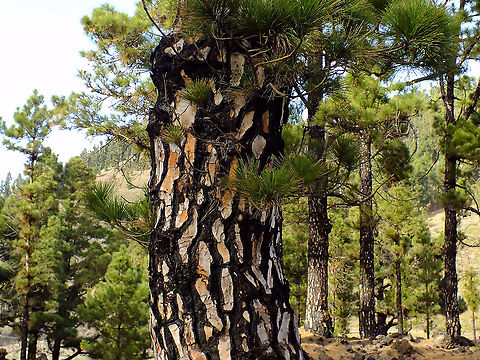
The Canary Island Pine Tree (Pinus canariensis) is a highly resilient species native to the Canary Islands that thrives in volcanic soils and extreme conditions, reaching heights of 40 meters. With deep root systems and thick, fire-resistant bark, these trees excel at carbon sequestration and ecosystem restoration, making them valuable for global reforestation and climate mitigation efforts.
The Canary Island Pine Tree (Pinus canariensis) stands as one of nature's most remarkable examples of resilience and adaptation. This majestic species, native to the Canary Islands, demonstrates extraordinary survival capabilities while playing a crucial role in carbon sequestration and ecosystem restoration. With the ability to thrive in volcanic soils and withstand extreme conditions, these trees offer valuable insights for global reforestation efforts and climate change mitigation strategies.
Extraordinary Characteristics of the Canary Island Pine Tree
The Canary Island Pine Tree showcases remarkable physical adaptations that enable its survival in challenging environments. These magnificent trees can reach towering heights of up to 40 meters (131 feet) with trunk diameters approaching 1 meter (3.3 feet). Their distinctive long needles, measuring up to 25 centimeters (9.8 inches), are arranged in characteristic bundles of three, creating an efficient system for water collection and conservation.
✅ Deep Root System: The tree's extensive root network penetrates deep into volcanic soils, accessing water and nutrients from lower earth layers. This adaptation proves particularly valuable in the arid, rocky terrain of the Canary Islands where rainfall remains scarce throughout much of the year.
⭐ Fire-Resistant Bark: The thick, corky bark with deep fissures provides exceptional protection against wildfires and pest infestations. This natural armor allows the tree to survive conditions that would devastate other species.
Scientific Data and Environmental Impact ✅
According to the United Nations Climate Change initiative, trees like the Canary Island Pine play a vital role in global carbon sequestration efforts. A mature Canary Island Pine Tree can absorb approximately 22.5 kg (49.6 lbs) of CO2 annually, making it a powerful ally in combating climate change through collective action.
- Monoecious Nature: These trees produce both male and female cones on the same plant, with male cones releasing pollen while female cones develop seeds that remain viable for years
- Serotinous Cones: The cones open only in response to fire heat, releasing seeds to promote rapid regeneration after wildfires
- Soil Enrichment: Fallen needles create organic matter that improves soil quality and prevents erosion
- Biodiversity Support: Dense forests provide habitat for numerous bird species, insects, and small mammals
The United Nations Environment Programme's forest research highlights how native species like the Canary Island Pine Tree contribute significantly to ecosystem stability and biodiversity conservation.
Historical Significance and Cultural Heritage 💡
The Canary Island Pine Tree holds deep historical importance dating back centuries. Indigenous Guanche people utilized these trees for building materials, fuel, and food sources. The valuable pine resin, known as pine pitch, served as a natural waterproofing agent for boats and adhesive material.
During the Age of Exploration, European settlers recognized the tree's exceptional value and introduced it to Mediterranean regions, Spain, Portugal, and parts of the United States. Today, cultivated Canary Island Pine forests contribute to timber production and ornamental landscaping worldwide.
Environmental Challenges and Conservation Needs ⚠️
Despite their remarkable resilience, Canary Island Pine Trees face increasing threats from climate change, invasive species, and intensified wildfire patterns. Rising temperatures and shifting rainfall patterns challenge even these adaptable trees. The World Wildlife Fund's research on deforestation emphasizes how climate pressures affect native forest ecosystems globally.
→ Invasive Species: Pine wood nematodes and other invasive organisms threaten forest health
→ Fire Intensity: While adapted for fire recovery, increased fire frequency challenges natural regeneration cycles
→ Habitat Loss: Development pressure reduces available planting areas
Grow Billion Trees: Leading Reforestation Innovation
At Grow Billion Trees, we recognize the exceptional value of species like the Canary Island Pine Tree in achieving our mission to plant 100 crore trees across India. Our comprehensive approach includes specialized programs for native species restoration, incorporating lessons learned from resilient trees worldwide.
✅ 2-3ft Tree Planting + 3 Years Care + GeoTag: Every tree planted through our program receives dedicated care and monitoring
✅ Plant a Tree in Your Name: Honor special occasions while contributing to environmental restoration
✅ Net Zero Targets: Support corporate sustainability goals through verified tree planting initiatives
Our Miyawaki forest programs and agroforestry initiatives draw inspiration from natural resilience demonstrated by species like the Canary Island Pine Tree. We collaborate with local communities, farmers, and environmental organizations to restore degraded landscapes using native species adapted to local conditions.
Cultivation and Care Best Practices
Successfully growing Canary Island Pine Trees requires understanding their specific needs and adaptations. These trees prefer well-drained soils and full sun exposure, making them suitable for challenging environments where other species struggle.
- Soil Requirements: Well-draining, slightly acidic to neutral pH soils work best
- Water Management: Drought-tolerant once established, requiring minimal irrigation
- Spacing: Allow adequate room for mature size, typically 8-10 meters apart
- Maintenance: Minimal pruning needed due to natural growth patterns
💡 Pro Tip: Young trees benefit from protection during establishment, but mature specimens require minimal intervention due to their natural resilience.
Global Applications and Lessons Learned
The success of Canary Island Pine Tree cultivation worldwide offers valuable insights for reforestation projects. Countries implementing large-scale tree planting programs can learn from the species' adaptability and carbon sequestration capabilities.
In India, where Grow Billion Trees operates extensive reforestation programs, we apply principles observed in resilient species like the Canary Island Pine. Our programs focus on selecting native species with similar adaptability characteristics for maximum survival rates and environmental impact.
Technology Integration and Monitoring
Modern reforestation efforts benefit significantly from technology integration, as demonstrated in our GeoTag tracking system. This approach allows precise monitoring of tree growth, survival rates, and environmental impact measurement.
⭐ Satellite Monitoring: Track forest development and health over time
⭐ Data Collection: Measure carbon sequestration and biodiversity impact
⭐ Community Engagement: Enable donors to follow their tree's progress
Economic and Social Benefits
Canary Island Pine Tree cultivation provides substantial economic opportunities while delivering environmental benefits. Timber production, tourism, and ecosystem services create sustainable income streams for local communities.
Our agroforestry programs demonstrate how tree planting can enhance agricultural productivity while providing additional income sources for farmers. This integrated approach supports both environmental restoration and economic development goals.
Further reading: Turkish Pine Tree: Nature's Resilient Wonder & Ecological Champion · Red Pine Tree: The Ultimate Guide to Benefits, Care & Unique Features
Frequently Asked Questions
How fast do Canary Island Pine Trees grow?
Canary Island Pine Trees exhibit moderate growth rates, typically adding 30-60 centimeters annually under optimal conditions. Growth rates vary based on soil quality, water availability, and climate conditions.
Can Canary Island Pine Trees survive in different climates?
Yes, these adaptable trees can thrive in various Mediterranean and subtropical climates. They tolerate drought conditions well but require protection from extreme cold temperatures below -10°C.
What makes Canary Island Pine Trees fire-resistant?
Their thick, corky bark provides natural fire protection, while serotinous cones ensure rapid regeneration after fires. The tree's ability to resprout from the trunk also aids recovery.
How much space do Canary Island Pine Trees need?
Mature trees require significant space, with recommended planting distances of 8-10 meters apart. This spacing allows proper canopy development and root system expansion.
Are Canary Island Pine Trees suitable for urban environments?
While possible in large urban spaces, these trees are better suited for rural or suburban areas due to their substantial mature size and extensive root systems.
What wildlife benefits from Canary Island Pine forests?
These forests support diverse wildlife including endemic bird species, insects, and small mammals. The complex forest structure provides nesting sites and food sources for numerous species.
How long do Canary Island Pine Trees live?
These long-lived trees can survive for several centuries under favorable conditions. Some specimens in their native habitat are estimated to be over 500 years old.
What soil conditions do Canary Island Pine Trees prefer?
They thrive in well-draining, slightly acidic to neutral soils and can tolerate poor, rocky, or volcanic soils better than most tree species.
Supporting Global Reforestation Through Innovation
The remarkable resilience of the Canary Island Pine Tree offers inspiration for global reforestation efforts. At Grow Billion Trees, we apply these lessons to our comprehensive environmental programs across India, combining traditional knowledge with modern technology to maximize impact.
Our commitment to planting 100 crore trees by 2030 includes supporting research and cultivation of resilient native species. Through programs ranging from Miyawaki forests to mangrove restoration, we create sustainable solutions that benefit both communities and ecosystems.
Join our mission to combat climate change through collective action. Plant a tree in your name for just ₹299 and contribute to India's green revolution. Together, we can build a more sustainable future while honoring nature's most resilient marvels like the extraordinary Canary Island Pine Tree.
Keep reading
 Turkish Pine Tree: Nature's Resilient Wonder & Ecological Champion
 Red Pine Tree: The Ultimate Guide to Benefits, Care & Unique Features
 Caribbean Pine Tree: The Unsung Hero of Tropical Ecosystems
 Umbrella Pine Tree: The Ultimate Guide to This Majestic Evergreen
 Dragon Tree: Unlocking the Secrets of This Ancient Marvel for Health and Home


Comments
Leave a comment