
Charoli Tree: Unearthing the Nutty Treasures and Hidden Wonders of Nature’s Culinary and Medicinal Gem
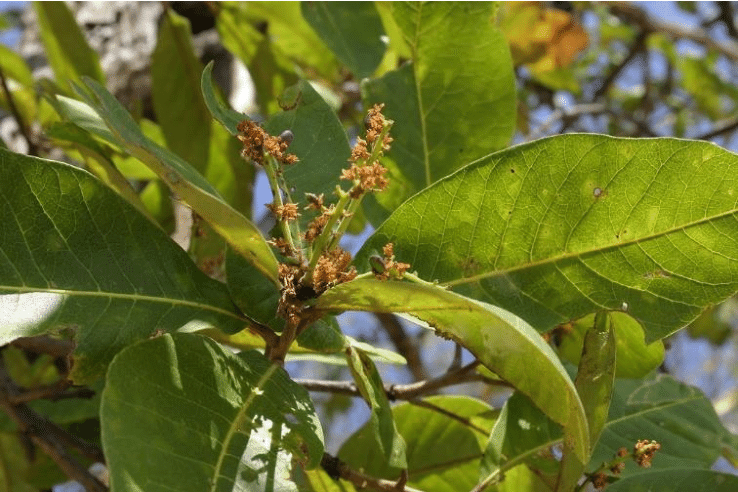
The Charoli Tree (Buchanania lanzan) is a medium-sized deciduous tree native to India and Southeast Asia, prized for its small nutty seeds called Charoli or Chironji. Used for centuries in Indian cuisine and Ayurveda, the seeds are valued for their flavor in sweets and savory dishes, and for their cooling properties supporting skin health and digestion.
The Charoli Tree, scientifically known as Buchanania lanzan, is a fascinating species celebrated for its tiny, nutty seeds that hold immense culinary, medicinal, and ecological value.
Native to India and other parts of Southeast Asia, this tree has been cherished for centuries as a source of nourishment and natural remedies.
Let’s explore the rich history, nutritional benefits, and environmental contributions of the Charoli Tree, a true gem of nature.
What is the Charoli Tree?
The Charoli Tree belongs to the Anacardiaceae family and thrives in tropical and subtropical climates.
It is a medium-sized deciduous tree that can grow up to 15 meters tall, with a straight trunk, spreading branches, and glossy leaves. Its seeds, commonly known as Charoli or Chironji, are extracted from its fruits and are prized for their nutty flavor and health benefits.
Historical and Cultural Significance
The Charoli Tree has been an integral part of Indian culture and cuisine for centuries. Its seeds have been used in traditional sweets, desserts, and savory dishes, adding a rich and nutty flavor.
In Ayurveda, Charoli seeds are valued for their cooling properties and are used in various remedies for skin health, digestion, and energy restoration.
Fun Fact: In ancient India, Charoli seeds were considered a luxury ingredient, often reserved for royal kitchens and special occasions.
Medicinal Properties of the Charoli Tree
The Charoli Tree offers a wealth of health benefits through its seeds, bark, and leaves. Its bioactive compounds, including essential fatty acids, proteins, and vitamins, make it a natural remedy for numerous ailments.
- Skin Health: Charoli seeds are rich in antioxidants and are used to treat acne, blemishes, and dry skin, promoting a radiant complexion.
- Digestive Aid: The seeds improve digestion and relieve constipation, while the tree’s bark is used in traditional remedies for diarrhea.
- Energy Booster: Packed with healthy fats and proteins, Charoli seeds provide a quick energy boost, making them a popular ingredient in snacks and desserts.
- Cooling Properties: The seeds are known for their cooling effect, helping to reduce body heat and promote overall wellness.
Scientific Backing
Studies published in the International Journal of Food Science validate the Charoli Tree’s nutritional and medicinal properties. Research highlights its role in improving skin health, aiding digestion, and providing essential nutrients like calcium, iron, and magnesium.
Environmental Impact
Beyond its culinary and medicinal uses, the Charoli Tree plays a vital role in maintaining ecological balance. Its dense canopy, deep roots, and ability to thrive in dry conditions make it an asset in combating desertification and supporting biodiversity.
- Soil Enrichment: The tree’s roots prevent soil erosion and enhance soil fertility, benefiting surrounding vegetation.
- Biodiversity Support: The tree provides food and shelter for birds, insects, and small mammals, contributing to a thriving ecosystem.
- Carbon Sequestration: As a deciduous tree, it absorbs carbon dioxide and releases oxygen, helping to mitigate climate change.
Fun Fact: The Charoli Tree is drought-tolerant, making it a reliable source of food and income for communities in arid regions.
Charoli Tree in Agroforestry and Rural Livelihoods
The Charoli Tree is a valuable component of agroforestry systems. Farmers cultivate it alongside other crops to enhance soil quality and diversify their income.
The seeds are a source of livelihood for rural communities, who harvest, process, and sell them in local and international markets.
Planting and Caring for the Charoli Tree
- Soil: Thrives in well-drained sandy or loamy soils but can adapt to rocky and dry terrains.
- Sunlight: Requires full sunlight for healthy growth and abundant fruiting.
- Watering: Minimal watering is needed once the tree is established, making it ideal for arid regions.
- Pruning: Regular pruning helps maintain its shape and promotes better fruit production.
Modern Applications
In addition to its traditional uses, Charoli seeds are gaining popularity in modern culinary and skincare industries. They are used as a garnish in desserts, as a base for nut butter, and in exfoliating skincare products.
The tree’s sustainable nature also makes it a key player in reforestation and land restoration efforts.
Cultural Symbolism
The Charoli Tree is often associated with abundance and prosperity in Indian culture. Its seeds are considered a delicacy and are used in festive dishes and rituals.
The tree’s resilience and ability to thrive in harsh conditions make it a symbol of endurance and hope.
Conservation and Sustainability
While the Charoli Tree is not endangered, habitat loss and overharvesting can impact its population.
Promoting sustainable harvesting practices and encouraging its cultivation in rural and urban landscapes can help preserve its ecological and economic value. Reforestation programs that include the Charoli Tree can restore degraded lands and support biodiversity.
Conclusion
The Charoli Tree is a true gem of nature, blending culinary delight, medicinal value, and ecological significance.
From its role in traditional cuisine to its contributions to biodiversity and sustainability, it remains an enduring symbol of nature’s abundance. By celebrating and conserving this remarkable tree, we ensure its legacy continues to nourish, heal, and inspire generations to come.
Further reading: Moha Tree: Unveiling the Sweet Secrets and Healing Wonders of Nature’s Timeless Treasure · Katesawer Tree: Unearthing the Hidden Marvels of Nature’s Resilient Healer and Eco-Friendly Powerhouse
Frequently Asked Questions
What is the Charoli Tree?
The Charoli Tree, scientifically known as Buchanania lanzan, is a deciduous tree prized for its nutty seeds, medicinal properties, and role in supporting ecosystems and rural livelihoods.
Why are Charoli seeds called nutty treasures?
Charoli seeds add a rich, nutty flavor to desserts and dishes, while also packing essential nutrients like proteins and antioxidants, making them a true culinary gem.
What are the medicinal uses of the Charoli Tree?
Its seeds, bark, and leaves treat skin conditions, improve digestion, and provide energy, proving it’s not just tasty but also a natural remedy powerhouse.
How does the Charoli Tree benefit the environment?
It prevents soil erosion, supports biodiversity, and thrives in arid regions, making it an eco-friendly ally in combating environmental challenges.
Can the Charoli Tree thrive in arid conditions?
Absolutely! Its drought tolerance and ability to grow in rocky or sandy soils make it a resilient choice for arid and semi-arid regions.
Why is the Charoli Tree significant in Indian culture?
Revered as a symbol of abundance, its seeds are used in festive dishes and rituals, showcasing its deep connection to culinary and cultural traditions.
What are the modern applications of Charoli seeds?
From nut butters and gourmet cooking to exfoliating skincare products, Charoli seeds are finding new fans in both the culinary and beauty industries.
Why should we conserve the Charoli Tree?
Habitat loss and overharvesting threaten its population, and conservation ensures its ecological, culinary, and medicinal benefits endure for future generations.
Keep reading
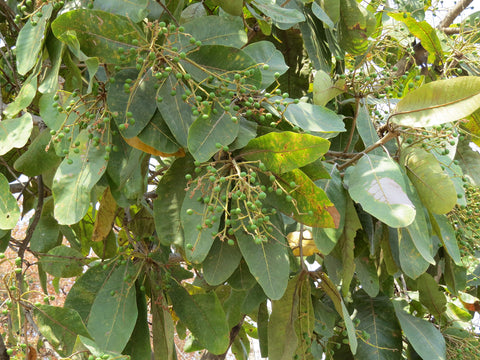 Chironji Tree: A Nutty Chronicle of Culinary Delight and Traditional Splendor
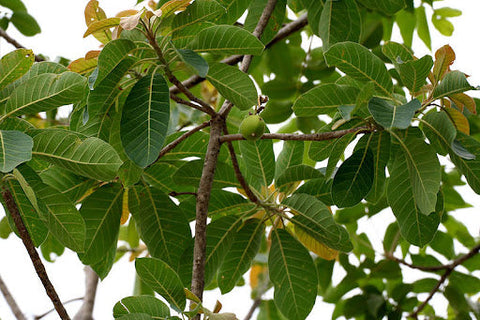 Moha Tree: Unveiling the Sweet Secrets and Healing Wonders of Nature’s Timeless Treasure
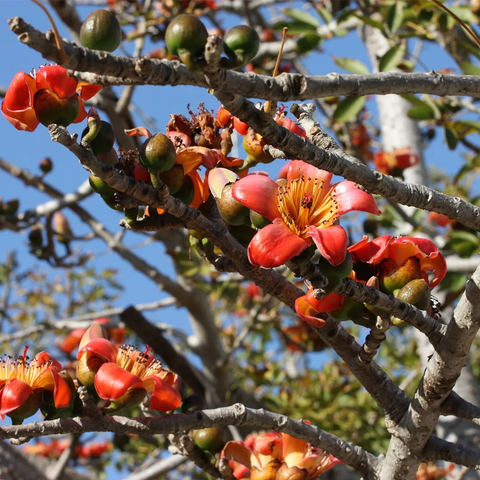 Katesawer Tree: Unearthing the Hidden Marvels of Nature’s Resilient Healer and Eco-Friendly Powerhouse
 Macadamia Tree: Unlocking Nature's Nutty Treasure Secrets
 Supari Tree: Unveiling the Cultural Significance and Remarkable Benefits of Natures Nutty Treasure


Comments
Leave a comment