
Earleaf Acacia Tree: The Golden Canopy of Resilience
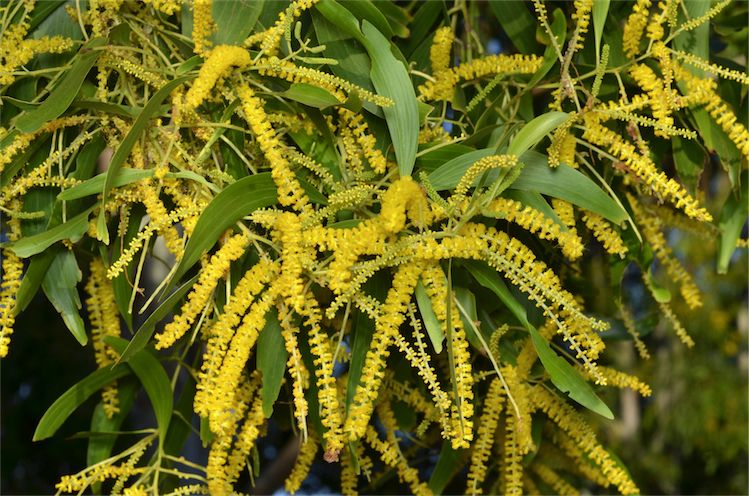
The Earleaf Acacia Tree (Acacia auriculiformis) is a fast-growing, drought-tolerant species native to Australia that has adapted exceptionally well to India's rain-fed regions. Growing up to 3 meters per year, it transforms degraded landscapes while supporting tribal livelihoods across Jharkhand, Odisha, Chhattisgarh, and other Indian states.
The Earleaf Acacia Tree (Acacia auriculiformis) stands as a testament to nature's adaptability and human ingenuity in environmental restoration. This remarkable species has transformed degraded landscapes across India while supporting tribal livelihoods and advancing our mission of planting 100 crore trees. With its distinctive ear-shaped phyllodes and exceptional drought tolerance, the Earleaf Acacia Tree represents hope for climate-resilient afforestation in rain-fed regions.
✅ Scientific Classification and Indian Adaptation
Although native to Australia, Papua New Guinea, and Indonesia, the Earleaf Acacia Tree has found a thriving home across Indian landscapes. This fast-growing species belongs to the Fabaceae family and has adapted exceptionally well to India's diverse climatic conditions.
- Scientific Name: Acacia auriculiformis
- Family: Fabaceae
- Common Names: Earleaf Acacia, Australian Babool, Northern Black Wattle
- Height: 15-30 meters at maturity
- Growth Rate: Up to 3 meters per year in Indian conditions
Today, the Earleaf Acacia Tree flourishes across Jharkhand, Odisha, Chhattisgarh, West Bengal, Telangana, and Maharashtra. According to the United Nations Environment Programme's forest conservation initiatives, such adaptable species play crucial roles in global reforestation efforts.
⭐ Supporting Tribal Communities and Livelihoods
In states like Jharkhand, the Earleaf Acacia Tree has become deeply integrated into tribal communities' daily lives. This versatile species provides multiple resources that support housing, health, fuel, and income generation for indigenous populations.
Daily Use and Construction Materials
Leaves: Tribal communities extensively use the distinctive ear-shaped leaves for constructing temporary huts, roofing materials, and protective covers during monsoon seasons.
Timber: The strong wood serves multiple purposes including poles for construction, fencing for agricultural plots, crafting traditional tools, and creating small furniture pieces.
Fuelwood: With its high calorific value, the Earleaf Acacia Tree provides reliable firewood and produces quality charcoal for cooking and heating needs.
💡 Traditional Medicinal Applications
Tribal healers have discovered valuable medicinal properties in the Earleaf Acacia Tree. The bark and leaves contain antibacterial and anti-inflammatory compounds. Local communities traditionally use these parts for treating minor wounds, skin infections, and digestive ailments, showcasing the tree's holistic value beyond timber production.
🌱 Key Environmental Benefits
The Earleaf Acacia Tree offers exceptional environmental advantages that align perfectly with our mission of Combating Climate Change Through Collective Action. These benefits make it an ideal choice for our 2-3ft Tree Planting + 3 Years Care + GeoTag program.
Soil Restoration and Erosion Control
The tree's robust root system effectively binds loose soil, making it invaluable for reclaiming mining-affected lands, wastelands, and eroded slopes. Government agencies and CSR-driven restoration programs frequently select this species for land rehabilitation projects.
Natural Nitrogen Fixation
As a leguminous species, the Earleaf Acacia Tree naturally enriches soil by fixing atmospheric nitrogen. This process improves soil fertility and supports intercropping systems practiced by tribal farmers, creating sustainable agricultural ecosystems.
Carbon Sequestration Excellence
Due to its rapid growth and dense biomass production, the Earleaf Acacia Tree captures carbon efficiently. The United Nations Climate Change initiatives recognize fast-growing trees as essential components of global carbon reduction strategies. Our Transworld Project extensively utilizes this species to support corporate Net Zero Targets and ESG-aligned plantations.
Biodiversity Enhancement
The tree's fragrant flowers attract bees and various pollinators, while its canopy provides shelter for birds and small fauna. This biodiversity support helps rebuild ecological balance in degraded forest landscapes, contributing to comprehensive environmental restoration.
🏗️ Industrial and Commercial Applications
Beyond community benefits, the Earleaf Acacia Tree supports multiple Indian industries, creating economic value alongside environmental restoration.
- Pulp and Paper Industry: Fast biomass production makes it ideal for paper manufacturing
- Construction Sector: Used for rural construction materials and farm fencing
- Energy Production: High calorific value wood serves as efficient fuel and charcoal
- Chemical Industries: Bark provides tannins for leather processing and gum for various applications
According to the World Wildlife Fund's forest conservation programs, sustainable forestry practices that combine economic benefits with environmental restoration create lasting positive impact.
⚠️ Responsible Plantation Practices
While the Earleaf Acacia Tree offers numerous benefits, responsible plantation management prevents potential ecological imbalances. Best practices include mixed species plantations, community-led monitoring, and careful site selection to maintain biodiversity.
Our approach emphasizes Plant a tree in your Name with comprehensive care protocols. Each tree receives three years of professional maintenance, ensuring healthy establishment and optimal environmental benefits.
🌿 Growing Conditions and Care
The Earleaf Acacia Tree thrives in challenging conditions where many native species struggle initially. This resilience makes it perfect for restoration projects across diverse Indian landscapes.
Ideal Growing Conditions
- Soil Types: Performs well in degraded, sandy, clay, and lateritic soils
- Water Requirements: Rain-fed cultivation with minimal irrigation after establishment
- Sunlight: Requires full sun exposure for optimal growth
- Climate: Suitable for tropical and subtropical regions across India
Propagation and Maintenance
Seeds show high germination rates, making propagation straightforward. The species requires minimal maintenance once established, with occasional pruning to maintain desired shape and size. Community involvement in tribal regions ensures sustainable management practices.
Further reading: Acacia Tree: The Hidden Benefits and Fascinating Facts You Never Knew · Sweet Acacia Tree: Discover Hidden Benefits & Beauty
Frequently Asked Questions
What makes the Earleaf Acacia Tree suitable for degraded lands?
The Earleaf Acacia Tree possesses exceptional drought tolerance and thrives in poor soils due to its nitrogen-fixing ability. Its robust root system stabilizes soil while improving fertility, making it ideal for restoring degraded landscapes.
How fast does the Earleaf Acacia Tree grow in Indian conditions?
Under favorable Indian conditions, the Earleaf Acacia Tree can grow up to 3 meters per year, reaching full height of 15-30 meters within a decade. This rapid growth makes it excellent for quick canopy development in afforestation projects.
Can the Earleaf Acacia Tree survive drought conditions?
Yes, once established, the Earleaf Acacia Tree demonstrates remarkable drought tolerance. It survives extended dry spells and performs well in rain-fed regions, making it climate-resilient for changing weather patterns.
What are the main uses of Earleaf Acacia Tree in tribal communities?
Tribal communities use the tree for construction materials, traditional medicine, fuelwood, and income generation. The leaves serve as roofing materials, timber provides construction poles, and various parts offer medicinal benefits.
How does the Earleaf Acacia Tree support biodiversity?
The tree's flowers attract pollinators like bees, while its canopy provides habitat for birds and small animals. This creates ecological niches that support diverse wildlife in restored forest areas.
Is the Earleaf Acacia Tree suitable for carbon sequestration projects?
Absolutely. The tree's fast growth and dense biomass make it highly effective for carbon capture. Many corporate sustainability programs choose this species for achieving Net Zero Targets through verified carbon sequestration.
What soil conditions does the Earleaf Acacia Tree prefer?
The tree adapts to various soil types including sandy, clay, lateritic, and even saline soils. It particularly excels in degraded lands where soil improvement is needed through nitrogen fixation.
How long does it take for Earleaf Acacia Tree to establish?
With proper care, the tree establishes within the first year and begins rapid growth thereafter. Our 3-year care program ensures optimal establishment and long-term survival.
Can Earleaf Acacia Tree be grown in urban environments?
While primarily suited for rural and restoration areas, the tree can grow in urban environments with adequate space. However, its large size makes it more suitable for parks and open spaces rather than residential areas.
What maintenance does the Earleaf Acacia Tree require?
The tree requires minimal maintenance once established. Occasional pruning helps maintain shape, and initial watering during dry periods supports establishment. Our care program handles all maintenance requirements.
💡 Supporting India's Environmental Goals
The Earleaf Acacia Tree perfectly aligns with India's ambitious environmental targets and our vision of planting 100 crore trees by 2030. This species contributes to multiple United Nations Sustainable Development Goals including climate action, life on land, and sustainable communities.
Through our comprehensive plantation programs, each Earleaf Acacia Tree planted represents a step toward environmental restoration, community empowerment, and climate resilience. The combination of rapid growth, multiple benefits, and low maintenance requirements makes this species invaluable for large-scale restoration efforts.
🌍 Join the Restoration Movement
The Earleaf Acacia Tree exemplifies how thoughtful species selection can create lasting environmental and social impact. From supporting tribal livelihoods in Jharkhand to contributing to corporate sustainability goals, this remarkable tree demonstrates nature's power to heal and sustain.
Ready to make a difference? Plant a tree in your Name and become part of our mission to restore India's landscapes. Every Earleaf Acacia Tree planted today grows into tomorrow's green legacy, supporting communities while combating climate change through collective action.
Keep reading
 Acacia Tree: The Hidden Benefits and Fascinating Facts You Never Knew
 Sweet Acacia Tree: Discover Hidden Benefits & Beauty
 Queensland Silver Wattle Tree: Nature's Golden Jewel Unveiled
 Coastal Wattle Tree: The Hidden Gem of Coastal Ecosystems
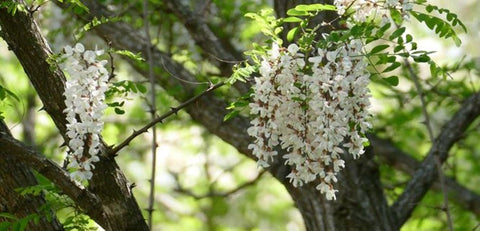 White Acacia Tree: The Ultimate Guide to Beauty, Benefits & Care


Leave a comment