
Fir Tree: Discover the Ultimate Guide to Growing, Caring, and Decorating with Fir Trees
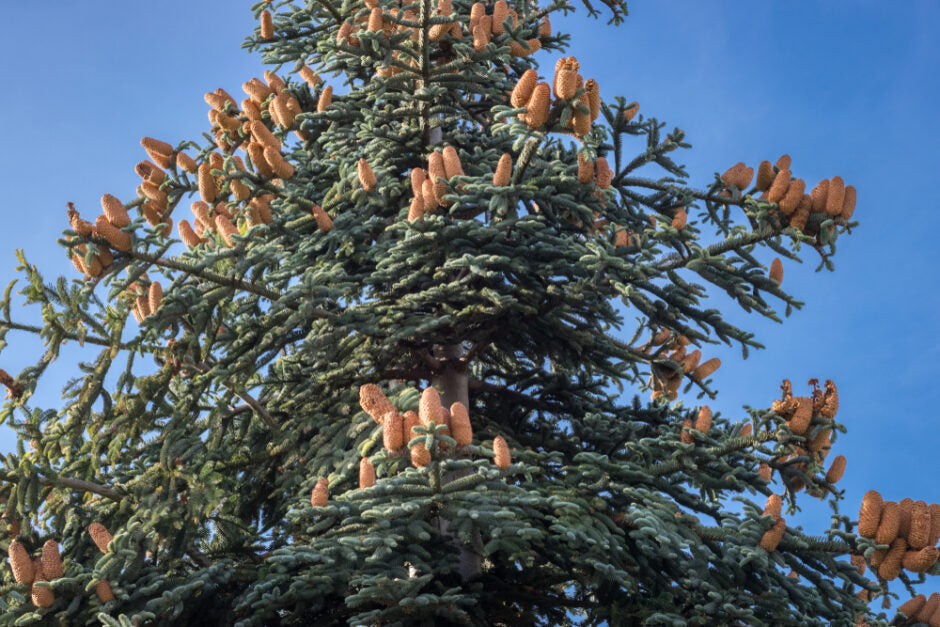
Fir trees (genus Abies) are evergreen conifers that thrive in temperate climates and grow 30 to 250 feet tall depending on species. Popular varieties like Fraser Fir and Noble Fir feature flat needles and are widely used for Christmas and holiday decoration. These trees live over 300 years, with some species reaching 1,000 years, making them enduring landscape additions.
Fir trees, belonging to the genus Abies, are among the most beloved coniferous trees worldwide. Known for their majestic stature and aromatic foliage, these trees have captivated the hearts of many.
This guide delves into the intricacies of growing, caring for, and decorating with fir trees while also exploring their environmental impact and historical significance. Additionally, we will highlight the initiatives by Grow Billion Trees Partners, who are committed to promoting tree planting in various regions.
The Science of Fir Trees
Fir trees are evergreen conifers that thrive in temperate climates. They can be distinguished by their flat needles, which are typically arranged in a spiral around the stem. Fir trees can grow anywhere from 30 to 250 feet tall, depending on the species and environmental conditions. Some common species include:
- Fraser Fir (Abies fraseri): Native to the Appalachian Mountains, it is a popular choice for Christmas trees.
- Noble Fir (Abies procera): Known for its strong branches and long-lasting needles, making it a favorite for holiday decorations.
- Grand Fir (Abies grandis): Recognized for its impressive height and fragrant foliage.
Fun Facts About Fir Trees
Fir trees are not just visually stunning; they also have some fascinating characteristics:
- Fir trees can live for over 300 years, with some species reaching ages of 1,000 years.
- The wood of fir trees is lightweight yet strong, making it ideal for construction and furniture.
- Fir trees play a crucial role in their ecosystems by providing habitat and food for various wildlife.
Growing Fir Trees: A Step-by-Step Guide
Growing fir trees can be a rewarding endeavor. Here’s how to do it:
1. Choosing the Right Location
Fir trees prefer well-drained soil and a sunny location. Ensure they have enough space to grow; most species require at least 20 feet of clearance from buildings and other trees.
2. Soil Preparation
Before planting, test your soil’s pH. Fir trees thrive in slightly acidic to neutral soil (pH 5.5 to 7.0). Amend your soil with organic matter to improve drainage and nutrient content.
3. Planting
When planting fir trees, dig a hole that is twice as wide as the root ball but no deeper than the root ball itself. Place the tree in the hole, backfill with soil, and water thoroughly.
4. Watering and Fertilization
Water your fir tree regularly, especially during dry spells. A slow-release fertilizer can be applied in the spring to promote healthy growth.
5. Pruning
Prune your fir tree in late winter or early spring to remove dead or diseased branches. This encourages healthy growth and helps maintain its shape.
Caring for Fir Trees
Proper care is essential for the health of your fir trees:
1. Pest and Disease Management
Common pests that affect fir trees include aphids, spider mites, and bark beetles. Regular inspections can help you catch infestations early. Use organic pesticides as a first line of defense.
2. Mulching
Applying a layer of mulch around the base of your fir tree can help retain moisture, suppress weeds, and regulate soil temperature.
3. Seasonal Care
In winter, protect young fir trees from harsh winds and heavy snow by wrapping them in burlap. In summer, ensure they receive adequate water, especially during heatwaves.
Decorating with Fir Trees
Fir trees are synonymous with holiday celebrations. Here are some creative ways to decorate them:
1. Holiday Ornaments
Use a mix of handmade and store-bought ornaments to create a personalized touch. Consider using natural elements like pinecones and dried fruits for a rustic look.
2. Lights and Garlands
String lights can add warmth and charm to your fir tree. Drape garlands made of beads, ribbons, or even popcorn for a classic feel.
3. Eco-Friendly Decorations
Consider using biodegradable decorations or those made from recycled materials to minimize your environmental impact.
Environmental Impact of Fir Trees
Fir trees play a vital role in maintaining ecological balance. They contribute to:
- Carbon Sequestration: Fir trees absorb carbon dioxide, helping to mitigate climate change.
- Habitat Creation: They provide shelter and food for various wildlife species, including birds and mammals.
- Soil Erosion Prevention: The extensive root systems of fir trees help anchor soil, reducing erosion.
Historical Significance of Fir Trees
Fir trees have been significant in various cultures throughout history. In many Native American traditions, fir trees symbolize strength and resilience. They were also used in ancient rituals and ceremonies. The use of fir trees as Christmas trees dates back to 16th-century Germany, where they were decorated with candles and ornaments to celebrate the holiday season.
Grow Billion Trees Partners: A Commitment to Sustainability
Grow Billion Trees Partners is an organization dedicated to promoting sustainable tree planting initiatives across the globe. Their mission is to plant one billion trees to combat climate change, enhance biodiversity, and improve air quality. Here’s how they execute and promote their projects:
1. Community Engagement
Grow Billion Trees Partners works closely with local communities to educate them about the importance of trees and involve them in planting initiatives. Community workshops and school programs are organized to foster a sense of stewardship.
2. Collaborations with Local Governments
The organization collaborates with local governments to identify suitable areas for reforestation and afforestation projects. By leveraging local resources, they ensure the sustainability of their initiatives.
3. Research and Development
Grow Billion Trees Partners invests in research to understand the best practices for tree planting and care. They utilize scientific data to select the most suitable tree species for different environments.
4. Monitoring and Reporting
To ensure transparency and accountability, the organization monitors the growth and health of the trees planted. Regular reports are published to keep stakeholders informed about the progress of their initiatives.
Conclusion
Fir trees are not just beautiful additions to our landscapes; they are vital components of our ecosystems and cultural heritage.
By understanding how to grow, care for, and decorate with fir trees, we can appreciate their wonders even more.
Moreover, initiatives like those by Grow Billion Trees Partners demonstrate the importance of sustainable practices in preserving our environment for future generations. Whether you are planting a fir tree in your backyard or decorating one for the holidays, remember that you are contributing to a larger mission of ecological balance and sustainability.
So, let’s embrace the fir tree wonders and take part in nurturing our planet, one tree at a time!
Further reading: Silver Fir Tree: The Ultimate Guide to Beauty, Benefits & Care · Balsam Tree: The Ultimate Guide to Its Benefits, Care, and Mystical Properties
Frequently Asked Questions
What are fir trees?
Fir trees are evergreen beauties from the genus Abies, known for their needle-like leaves and majestic heights. With over 50 species worldwide, they grace landscapes and provide ecological benefits. From Christmas trees to wildlife habitats, these conifers are the ultimate multitaskers of the tree world.
How do I choose the right fir tree species?
Picking the perfect fir tree is like finding the right pair of shoes—comfort matters! Consider your climate zone: Balsam Fir loves the chill, while Noble Fir enjoys milder temps. Match your tree to your environment, and you'll have a happy fir ready to thrive!
What soil do fir trees prefer?
Fir trees are picky about their digs! They crave well-drained, acidic soils with a pH between 5.5 and 6.5. Think of it as their version of a spa day—good drainage and air circulation keep them healthy and happy, so they can grow tall and proud.
When is the best time to plant fir trees?
Timing is everything in the world of planting! Aim for early spring or fall when the soil is moist and welcoming. Your fir tree will appreciate the thoughtfulness, and in return, it’ll grow into a magnificent specimen, ready to impress.
How often should I water my fir trees?
Young fir trees are like thirsty toddlers—regular watering is key, especially during dry spells! Once established, they become drought-tolerant superheroes. Just remember, overwatering can lead to root rot, so find that sweet spot of moisture!
What pests should I watch for?
Fir trees have their share of uninvited guests! Keep an eye out for aphids, bark beetles, and spider mites. Regular inspections and a spritz of insecticidal soap can help keep these pests at bay, ensuring your fir tree remains the belle of the forest ball.
How do I prune my fir trees?
Pruning fir trees is like giving them a stylish haircut! The best time to snip is late winter or early spring before new growth. Focus on removing dead or diseased branches to promote a healthy structure, and your fir will thank you with lush foliage.
Can I decorate my fir tree for the holidays?
Absolutely! Fir trees make stunning holiday decorations, especially Fraser Firs with their strong branches and delightful aroma. Adorn them with lights, ornaments, and eco-friendly touches to celebrate the season while keeping your environmental footprint light.
What is the historical significance of fir trees?
Fir trees have a storied past, revered as symbols of strength and endurance by ancient civilizations. Their role in Christmas celebrations traces back to 16th-century Germany, where they were lavishly decorated. Today, they continue to embody resilience and the spirit of the season.
How do fir trees contribute to the environment?
Fir trees are the unsung heroes of our ecosystem! They excel in carbon sequestration, helping to combat climate change. Their dense foliage provides habitats for wildlife and stabilizes soil, making them crucial players in maintaining ecological balance.
What is Grow Billion Trees Partners?
Grow Billion Trees Partners is a dedicated team on a mission to green our planet! They engage communities in reforestation efforts, promote biodiversity, and collaborate with researchers to ensure that their tree-planting initiatives thrive. Join them in making the world a greener place!
Keep reading
 Christmas Tree: Transform Your Home into a Winter Wonderland with Stunning Decor Ideas
 Silver Fir Tree: The Ultimate Guide to Beauty, Benefits & Care
 Balsam Tree: The Ultimate Guide to Its Benefits, Care, and Mystical Properties
 Spanish Fir Tree: Discover the Majestic Beauty and Benefits
 Grand Fir Tree: Transform Your Landscape with This Majestic Evergreen


Comments
Leave a comment