
Honey Locust Tree: The Ultimate Guide to Its Benefits, Care, and Stunning Landscape Appeal
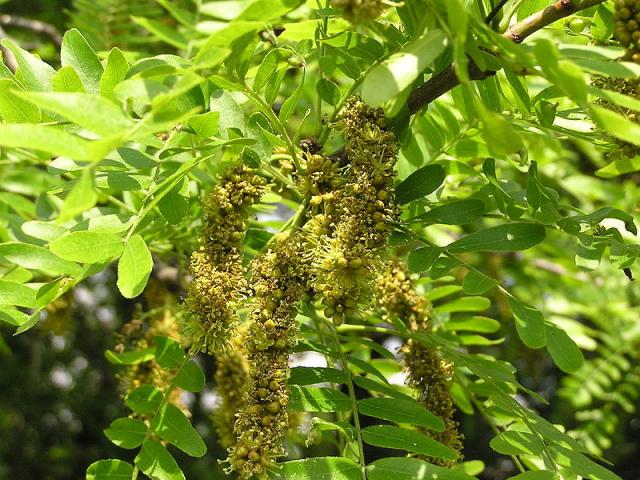
The Honey Locust tree (Gleditsia triacanthos) is a deciduous North American tree that provides shade through its broad canopy and compound leaves, enriches soil through nitrogen fixation, and supports wildlife by attracting pollinators like bees and butterflies while providing seed pods as food for birds.
The Honey Locust tree, scientifically known as Gleditsia triacanthos, is a deciduous tree native to North America.
This remarkable tree has garnered attention not only for its aesthetic appeal but also for its numerous benefits to the environment and human life.
In this ultimate guide, we will delve into the various advantages of the Honey Locust tree, how to care for it, its stunning landscape appeal, and its ecological impact. Additionally, we will explore the vital role organizations like Grow Billion Trees Partners play in promoting tree planting initiatives in the region.
Benefits of the Honey Locust Tree
The Honey Locust tree is a multifaceted species that offers a plethora of benefits:
- Shade Provider: The Honey Locust tree has a broad canopy that provides ample shade, making it an ideal choice for parks, gardens, and urban areas. Its compound leaves allow sunlight to filter through, which means grass and other plants can thrive underneath.
- Soil Improvement: This tree is a nitrogen-fixing species, which means it enriches the soil by converting atmospheric nitrogen into a form that plants can use. This process enhances soil fertility, making it a great companion plant in agroforestry systems.
- Wildlife Habitat: The tree’s flowers attract various pollinators, including bees and butterflies, while its seed pods serve as food for birds and other wildlife. This makes the Honey Locust a valuable addition to any ecosystem.
- Durability: The Honey Locust is known for its resilience against pests and diseases. Its thorny branches provide a natural defense mechanism against herbivores, allowing it to thrive in diverse environments.
- Aesthetic Appeal: With its unique fern-like leaves and striking fall color, the Honey Locust tree adds visual interest to any landscape. Its open canopy allows for a beautiful interplay of light and shadow, enhancing the overall beauty of gardens and parks.
Fun Facts about the Honey Locust Tree
Here are some intriguing facts about the Honey Locust tree:
- The Honey Locust can grow up to 80 feet tall and live for over 100 years, making it a long-term investment for landscape design.
- Its bark is a rich, dark brown with a distinctive, scaly texture that becomes more pronounced as the tree matures.
- The tree produces long, twisted seed pods that can be up to 12 inches in length, which contain sweet, edible pulp that was historically used by Native Americans.
- Honey Locust trees are often used in urban landscaping due to their ability to tolerate pollution and compacted soils, making them ideal for city environments.
Historical Significance
The Honey Locust tree has a rich history, particularly among Native American tribes who utilized its resources for various purposes.
The sweet pulp found within the seed pods was consumed as a food source, while the wood was used for crafting tools and building structures due to its strength and durability. European settlers quickly recognized the tree's value and began to plant it widely across the United States, particularly in the Midwest.
In the 19th century, the Honey Locust was promoted as an ornamental tree, and it soon became a staple in urban landscaping. Its ability to thrive in a variety of conditions and its low maintenance requirements made it a favorite among city planners and homeowners alike.
Environmental Impact
The Honey Locust tree plays a significant role in improving environmental health:
- Air Quality: Like all trees, the Honey Locust absorbs carbon dioxide and releases oxygen, contributing to cleaner air. A mature tree can absorb approximately 48 pounds of CO2 annually.
- Urban Heat Island Mitigation: In urban areas, the presence of trees like the Honey Locust can help reduce the urban heat island effect, where cities become significantly warmer than their rural surroundings due to human activities.
- Stormwater Management: The tree's extensive root system helps absorb and filter rainwater, reducing runoff and the risk of flooding. This natural filtration system also contributes to improved water quality in local waterways.
- Biodiversity Enhancement: By providing habitat and food for various species, the Honey Locust supports local biodiversity, which is crucial for maintaining healthy ecosystems.
How to Care for Your Honey Locust Tree
Caring for a Honey Locust tree involves several key practices to ensure its health and longevity:
- Planting Location: Choose a location with full sun to partial shade. The tree can adapt to a variety of soil types, but it thrives best in well-drained, loamy soil.
- Watering: While established Honey Locust trees are drought-tolerant, young trees require regular watering in their first few years to establish a strong root system. Water deeply and infrequently to encourage deep root growth.
- Pruning: Prune the tree during its dormant season to remove any dead or diseased branches. This will promote healthy growth and improve air circulation within the canopy.
- Pest Management: Although the Honey Locust is resistant to many pests, keep an eye out for potential issues such as locust borer and scale insects. Regular inspections and organic treatments can help manage these problems.
- Fertilization: If the soil is lacking in nutrients, a balanced fertilizer can be applied in spring to promote healthy growth. However, avoid over-fertilizing, as this can lead to excessive leaf growth at the expense of root development.
Stunning Landscape Appeal
The Honey Locust tree is a versatile choice for landscape design. Its unique shape and foliage can enhance various outdoor settings:
- Urban Parks: The tree's ability to filter light makes it a popular choice for urban parks, where it provides dappled shade for picnics and recreational activities.
- Residential Gardens: Homeowners often plant Honey Locust trees as focal points in their gardens. Their beautiful fall color and interesting bark texture add year-round interest.
- Commercial Landscapes: Businesses frequently use Honey Locust trees in their landscaping to create inviting environments for customers. Their low maintenance and resilience make them cost-effective choices.
- Reforestation Projects: Due to their ecological benefits, Honey Locust trees are often included in reforestation efforts aimed at restoring ecosystems and combating climate change.
Grow Billion Trees Partners: Advocating for Tree Planting
Organizations like Grow Billion Trees Partners are instrumental in promoting tree planting initiatives across various regions. Their mission is to combat deforestation and promote sustainable forestry practices by planting billions of trees worldwide. Here’s how they execute and promote these projects:
- Community Engagement: Grow Billion Trees Partners engages local communities in tree planting efforts, educating them about the benefits of trees and encouraging participation in reforestation projects.
- Partnerships with Local Governments: By collaborating with local governments and environmental organizations, they help secure funding and resources for large-scale planting initiatives.
- Research and Development: The organization invests in research to identify the best tree species for specific regions, ensuring that the trees planted are well-suited to local conditions and can thrive in their new environments.
- Monitoring and Maintenance: Post-planting, Grow Billion Trees Partners monitors the health and growth of the trees, providing necessary care to ensure their survival and success.
- Awareness Campaigns: Through various campaigns, they raise awareness about the importance of trees in combating climate change and promoting biodiversity, inspiring individuals and organizations to take action.
Conclusion
The Honey Locust tree is not just a beautiful addition to any landscape; it also provides a myriad of ecological and practical benefits. From improving air quality to enhancing biodiversity, this tree is a valuable asset to our environment. With proper care, it can thrive for generations, offering shade, beauty, and a habitat for wildlife.
Furthermore, organizations like Grow Billion Trees Partners play a crucial role in promoting tree planting initiatives, ensuring that we continue to reap the benefits of trees like the Honey Locust. By participating in these efforts, we can contribute to a healthier planet and a more sustainable future.
Incorporating the Honey Locust tree into your landscape not only enhances its beauty but also supports environmental well-being. Whether you are a homeowner, a city planner, or an environmental enthusiast, consider the Honey Locust as a key player in your green initiatives.
Further reading: Locust Tree: The Ultimate Guide to Its Benefits, Care, and Unique Features · White Acacia Tree: The Ultimate Guide to Beauty, Benefits & Care
Frequently Asked Questions
What is the Honey Locust tree?
The Honey Locust tree, or *Gleditsia triacanthos*, is a tall, deciduous tree native to North America, known for its broad canopy, fern-like leaves, and stunning fall colors. It’s not just a pretty face; it’s a multitasker, providing shade, improving soil, and supporting wildlife—all while looking fabulous in your garden.
What are the benefits of planting a Honey Locust tree?
Planting a Honey Locust tree is like inviting an eco-friendly superhero into your yard! It provides ample shade, improves soil fertility, supports local wildlife, and enhances air quality. Plus, its resilience against pests means less fuss for you. Who knew a tree could do so much while looking good?
How tall does the Honey Locust tree grow?
The Honey Locust tree can reach impressive heights of up to 80 feet! That’s taller than some buildings in your neighborhood. With its towering presence, it not only provides shade but also adds vertical interest to your landscape, making it a standout feature in any outdoor setting.
How do I care for my Honey Locust tree?
Caring for your Honey Locust tree is a breeze! Plant it in a sunny spot, water it regularly when young, and prune it during dormancy. Keep an eye out for pests, and don’t over-fertilize. With minimal maintenance, this tree will reward you with beauty and ecological benefits for years to come.
What makes the Honey Locust tree environmentally friendly?
The Honey Locust tree is an environmental champion! It absorbs carbon dioxide, releases oxygen, and helps mitigate urban heat islands. Its extensive root system reduces stormwater runoff and enhances local biodiversity, making it a vital player in maintaining healthy ecosystems. Talk about a tree with a mission!
Can the Honey Locust tree thrive in urban areas?
Absolutely! The Honey Locust tree is a city slicker, thriving in urban environments thanks to its pollution tolerance and ability to adapt to compacted soils. Its dappled shade is perfect for parks and streetscapes, making it a favorite among city planners looking to green their concrete jungles.
What wildlife benefits from the Honey Locust tree?
The Honey Locust tree is a wildlife buffet! Its flowers attract pollinators like bees and butterflies, while its seed pods provide tasty treats for birds and other critters. By planting this tree, you’re not just beautifying your landscape; you’re also creating a thriving habitat for local wildlife.
Is the Honey Locust tree a good choice for landscaping?
Definitely! The Honey Locust tree is a versatile landscaping star. Its unique shape, stunning foliage, and low maintenance requirements make it perfect for urban parks, residential gardens, and commercial landscapes. It’s like the Swiss Army knife of trees—functional, beautiful, and ready to elevate your outdoor space!
How does the Honey Locust tree improve soil quality?
The Honey Locust tree is a soil superhero, thanks to its nitrogen-fixing abilities! It converts atmospheric nitrogen into a form that plants can use, enriching the soil and improving fertility. This makes it an excellent companion plant in agroforestry systems, promoting healthier ecosystems and thriving gardens.
What role do organizations like Grow Billion Trees Partners play?
Organizations like Grow Billion Trees Partners are the tree-planting champions we need! They engage communities, collaborate with local governments, and invest in research to promote sustainable forestry. Their efforts ensure that trees like the Honey Locust are planted and cared for, helping combat deforestation and enhance our planet’s health.
How long can a Honey Locust tree live?
The Honey Locust tree is a long-lived beauty, with a lifespan that can exceed 100 years! That’s a century of providing shade, beauty, and ecological benefits. When you plant one, you’re not just investing in a tree; you’re investing in a legacy that future generations can enjoy and cherish.
Keep reading
 Locust Tree: The Ultimate Guide to Its Benefits, Care, and Unique Features
 White Acacia Tree: The Ultimate Guide to Beauty, Benefits & Care
 False Acacia Tree: The Hidden Gem for Sustainable Landscaping
 Green Ash Tree: Ultimate Guide to Benefits, Care & Landscape
 Scarlet Maple Tree: Transform Your Landscape with Stunning Fall Colors


Leave a comment