
Indian Red Sandalwood Tree: Nature's Most Valuable Treasure

The Indian Red Sandalwood Tree (Pterocarpus santalinus), native to southern India, is prized for its rich red heartwood and medicinal properties. Mentioned in ancient texts like the Vedas, it has been valued for millennia in religious rituals, traditional medicine, perfumes, and incense. Today, it faces critical threats from over-exploitation and illegal logging.
The Indian Red Sandalwood Tree (Pterocarpus santalinus) stands as one of nature's most prized possessions, offering exceptional value through its rich red heartwood and remarkable medicinal properties. This extraordinary species, native to southern India, has captivated civilizations for millennia with its aromatic essence and cultural significance.
At Grow Billion Trees, we recognize the critical importance of preserving this endangered treasure. Through our mission to plant 100 crore trees across India, we're Combating Climate Change Through Collective Action while ensuring future generations can experience the wonder of these magnificent trees.
Historical Significance of Indian Red Sandalwood ⭐
The history of the Indian Red Sandalwood Tree dates back thousands of years. Ancient texts from India, including the Vedas and the Puranas, mention the use of sandalwood in religious rituals, traditional medicine, and as a valuable trade commodity.
The wood was highly sought after for its fragrance and was often used in the making of incense, perfumes, and traditional carvings. The demand for sandalwood peaked during the 19th century, leading to over-exploitation and illegal logging, which significantly reduced its population in the wild.
In addition to its use in religious and cultural practices, Indian Red Sandalwood has played a vital role in traditional medicine. Ayurvedic practitioners have long utilized the tree for its cooling properties, treating conditions such as fever, skin ailments, and digestive issues.
The essential oil extracted from the heartwood is known for its anti-inflammatory and antiseptic properties, making it a valuable ingredient in various herbal formulations.
Ecological Importance and Environmental Benefits ✅
The Indian Red Sandalwood Tree is not just a valuable resource; it also plays a crucial role in its ecosystem. As a leguminous plant, it has the ability to fix nitrogen in the soil, enhancing soil fertility and promoting the growth of other plants in its vicinity.
This characteristic makes it an essential species for reforestation projects, particularly in degraded areas where soil health is compromised. According to the United Nations Sustainable Development Goals, sustainable forest management is crucial for achieving global environmental targets.
Moreover, the tree provides habitat and food for various wildlife species. Birds, insects, and small mammals are known to thrive in areas where Indian Red Sandalwood trees are abundant. The tree's flowers, which bloom in clusters, attract pollinators, while its foliage offers shelter and sustenance for numerous organisms, contributing to biodiversity conservation.
Scientific Data: Growth and Cultivation Requirements 💡
Growing Indian Red Sandalwood requires specific climatic and soil conditions. The tree thrives in tropical and subtropical climates, preferring well-drained sandy or loamy soils with a pH range of 5.5 to 7.5.
Key cultivation requirements include:
- Elevation: Up to 1,200 meters above sea level
- Annual rainfall: 800-1,200 mm
- Height potential: 10 to 15 meters
- Soil type: Well-drained sandy or loamy soils
- pH range: 5.5 to 7.5
Propagation is usually done through seeds, which have a hard seed coat that requires scarification for germination. Once planted, the seedlings need to be nurtured for about 3 to 5 years before they can be harvested for their valuable wood.
The heartwood, which is the most prized part of the tree, develops as the tree matures, making it essential to allow sufficient time for growth before harvesting.
Environmental Impact of Over-Exploitation ⚠️
The over-exploitation of Indian Red Sandalwood has led to significant environmental consequences. Deforestation and illegal logging have not only threatened the survival of this species but have also disrupted local ecosystems.
The loss of these trees has resulted in:
- Soil erosion in affected regions
- Reduced biodiversity and habitat loss
- Altered water cycles
- Economic instability for local communities
Furthermore, the decline in sandalwood populations has negatively impacted local communities that rely on this tree for their livelihoods, leading to economic instability.
Conservation efforts are crucial to ensure the survival of Indian Red Sandalwood. Sustainable harvesting practices, reforestation initiatives, and legal protections are necessary to prevent further decline.
Grow Billion Trees: Leading Conservation Efforts 🌱
Grow Billion Trees is an innovative organization dedicated to reforestation and environmental conservation. Our mission is to Plant a tree in your Name and nurture a billion trees globally, with a special focus on endangered species like the Indian Red Sandalwood.
Through partnerships with local communities, government agencies, and environmental organizations, we implement various projects aimed at promoting sustainable forestry practices and restoring degraded ecosystems. Our comprehensive approach includes 2-3ft Tree Planting + 3 Years Care + GeoTag technology to ensure every tree thrives.
The organization employs a multi-faceted approach to conservation initiatives. We conduct extensive research to identify suitable planting sites and assess local environmental conditions, ensuring optimal growth conditions for each Indian Red Sandalwood tree planted.
Modern Applications and Economic Value
Today's Indian Red Sandalwood Tree continues to hold immense economic value across various industries. The pharmaceutical sector utilizes its compounds for developing natural medicines, while the cosmetic industry values its anti-aging and skin-healing properties.
The furniture and handicraft industries prize the wood for its durability and beautiful grain patterns. Additionally, the essential oil market continues to grow, with sandalwood oil commanding premium prices in international markets.
For individuals and corporations seeking to achieve their Net Zero Targets, planting Indian Red Sandalwood trees offers both environmental and economic benefits through carbon sequestration and long-term value appreciation.
Conservation Strategies and Future Outlook
Effective conservation of the Indian Red Sandalwood Tree requires a comprehensive approach combining legal protection, sustainable cultivation, and community engagement. Forest conservation initiatives worldwide emphasize the importance of preserving endangered tree species.
Key conservation strategies include:
- Establishing protected cultivation areas
- Implementing strict harvesting regulations
- Promoting community-based conservation programs
- Supporting research on propagation techniques
- Creating awareness about ecological importance
Organizations like Grow Billion Trees are pioneering innovative approaches to ensure the survival and proliferation of this precious species for future generations.
How You Can Contribute to Conservation
Every individual can play a vital role in preserving the Indian Red Sandalwood Tree. By choosing to plant trees through verified conservation programs, you directly contribute to species preservation and environmental restoration.
At Grow Billion Trees, we make it easy for you to make a difference. For just ₹299, you can Plant a tree in your Name and receive a personalized certificate along with GeoTag tracking to monitor your tree's growth progress.
Whether you're celebrating a special occasion, honoring a loved one's memory, or simply wanting to contribute to environmental conservation, planting an Indian Red Sandalwood tree creates lasting impact for generations to come.
Further reading: Sandalwood Tree: The Fragrance of Forests · Sandalwood Tree: The Sacred Fragrant Gift from Nature
Frequently Asked Questions
What makes Indian Red Sandalwood so valuable?
Indian Red Sandalwood is valuable due to its rare red heartwood, medicinal properties, aromatic qualities, and cultural significance. The tree takes decades to mature, making genuine sandalwood increasingly scarce and highly prized in international markets.
How long does it take for Indian Red Sandalwood to mature?
Indian Red Sandalwood trees typically require 15-20 years to develop valuable heartwood, though they can live for over 100 years. The longer maturation period contributes to the wood's exceptional quality and high market value.
Is Indian Red Sandalwood endangered?
Yes, Indian Red Sandalwood is classified as endangered due to over-exploitation and illegal logging. Conservation efforts and sustainable cultivation practices are essential to prevent extinction of this precious species.
Can Indian Red Sandalwood be grown outside India?
While Indian Red Sandalwood can potentially grow in similar tropical climates, it thrives best in its native habitat of southern India. Successful cultivation requires specific soil conditions, rainfall patterns, and temperature ranges.
What are the medicinal benefits of Indian Red Sandalwood?
Traditional medicine uses Indian Red Sandalwood for its cooling, anti-inflammatory, and antiseptic properties. It's commonly used to treat skin conditions, fever, digestive issues, and various other ailments in Ayurvedic practices.
How does Grow Billion Trees ensure tree survival?
Grow Billion Trees provides comprehensive care including site selection, proper planting techniques, 3 years of maintenance, and GeoTag technology for monitoring. Our expert team ensures optimal growing conditions for maximum survival rates.
What is the cost of planting an Indian Red Sandalwood tree?
Through Grow Billion Trees, you can plant an Indian Red Sandalwood tree for just ₹299, which includes planting, 3 years of care, and GeoTag tracking. This affordable price makes conservation accessible to everyone.
How can corporations use Indian Red Sandalwood planting for sustainability goals?
Corporations can plant Indian Red Sandalwood trees to achieve Net Zero Targets, demonstrate environmental responsibility, and create measurable carbon offset benefits. These trees provide long-term carbon sequestration and biodiversity conservation.
Taking Action for Environmental Conservation
The Indian Red Sandalwood Tree represents more than just a valuable natural resource—it symbolizes our connection to nature and responsibility for environmental stewardship. Through collective action and dedicated conservation efforts, we can ensure this magnificent species continues to thrive.
By supporting organizations like Grow Billion Trees and participating in reforestation initiatives, you become part of a global movement working toward a sustainable future. Every tree planted contributes to climate change mitigation and biodiversity preservation.
Join us in our mission to plant 100 crore trees and create a greener, more sustainable India. Plant your Indian Red Sandalwood tree today and become a guardian of nature's most valuable treasure for generations to come.
Keep reading
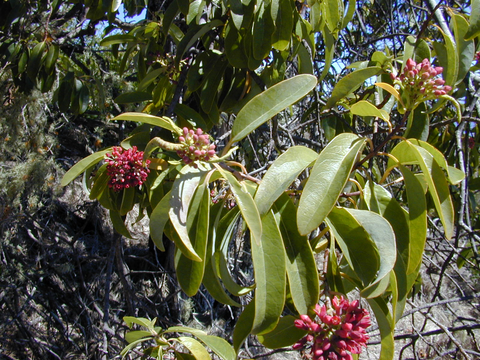 Sandalwood Tree: The Fragrance of Forests
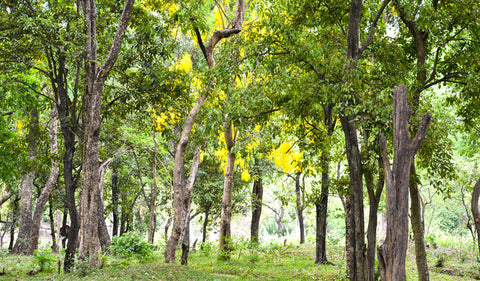 Sandalwood Tree: The Sacred Fragrant Gift from Nature
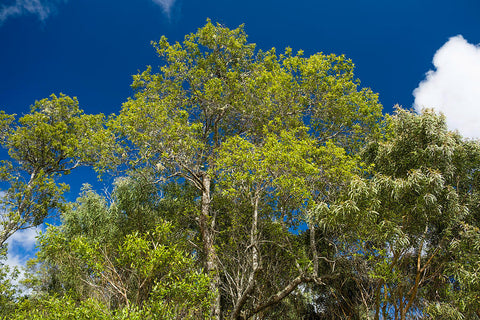 Hawaiian Sandalwood Tree: Ultimate Guide to Mystical Benefits & Sustainable Harvesting
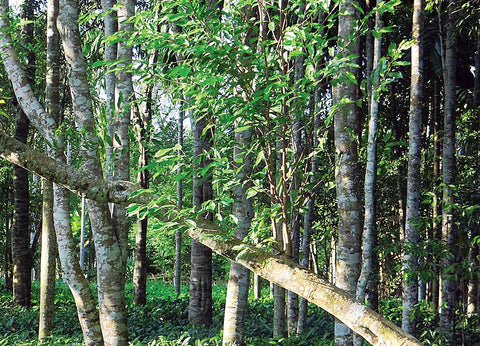 Agarwood Tree: A Fragrant Legacy
 Indian Rosewood Tree: A Symbol of Strength, Beauty, and Sustainability
 Agarwood Tree: Unveiling the Luxurious Secrets and Timeless Beauty of Natures Fragrant Treasure


Leave a comment