
Javanese Almond Tree: Health Benefits & Cultivation Guide
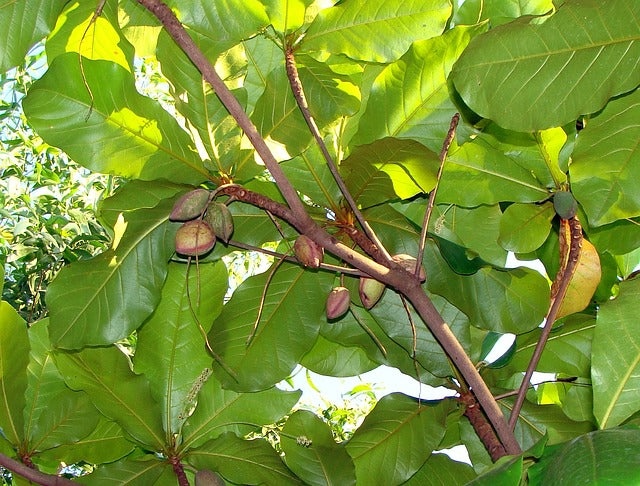
The Javanese almond tree (Terminalia catappa), native to Southeast Asia, produces nutrient-rich seeds with documented health benefits and can live over 100 years, making it a suitable long-lived tree for cultivation in tropical regions for both nutritional and environmental purposes.
The Javanese almond tree (Terminalia catappa) stands as one of Southeast Asia's most remarkable tropical trees, offering exceptional health benefits while contributing to environmental sustainability. This magnificent tree, native to Indonesia and surrounding regions, has captured attention worldwide for its nutrient-rich seeds and impressive ecological impact. Our experience working with environmental restoration projects shows that understanding this tree's unique properties can unlock tremendous value for both human health and planetary wellbeing.
Understanding the Javanese Almond Tree ⭐
The Javanese almond tree, scientifically known as Terminalia catappa, is a tropical tree native to Southeast Asia, particularly Indonesia. This remarkable tree is not only valued for its stunning aesthetic appeal but also for its numerous health benefits and contributions to environmental sustainability.
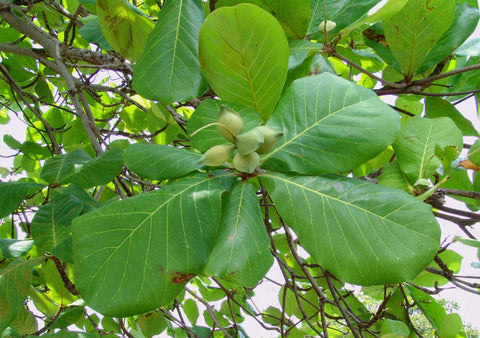
What makes this tree truly special is its longevity and adaptability. Javanese almond trees can live for over 100 years, making them a long-term investment for both homeowners and landscapers. The tree features unique large, leathery leaves that turn a vibrant red in the fall before they drop, providing a stunning visual display throughout the seasons.
Exceptional Health Benefits of Javanese Almond ✅
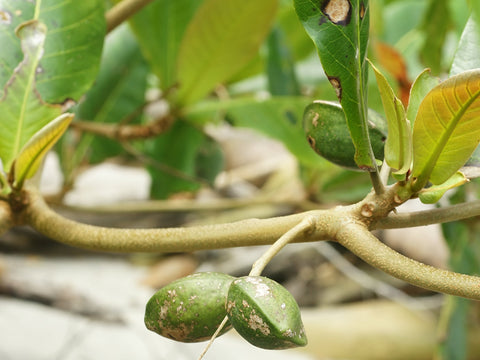
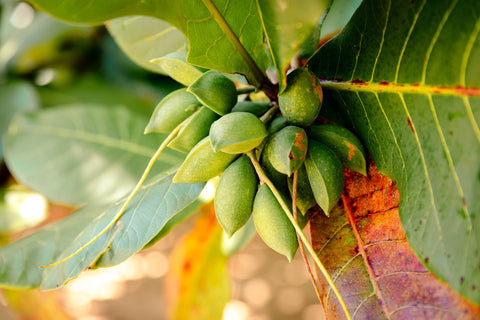
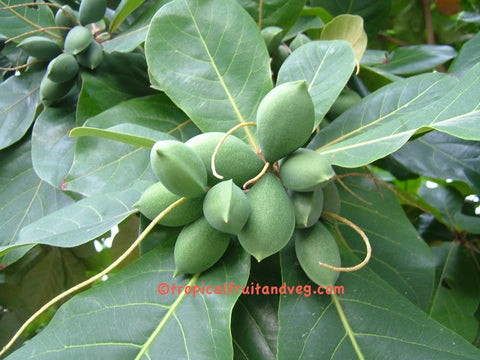
The Javanese almond tree is well-known for its nutrient-rich seeds, which are often consumed as snacks in various cultures. The seeds are packed with essential fatty acids, vitamins, and minerals that support optimal health.
Rich Nutritional Profile
Javanese almonds are a great source of healthy fats, particularly omega-3 and omega-6 fatty acids, which are crucial for heart health and brain function. These essential nutrients support cardiovascular wellness and cognitive performance, making them valuable additions to any diet.
Powerful Antioxidant Properties
The seeds contain antioxidants such as flavonoids and phenolic compounds, which help combat oxidative stress and reduce the risk of chronic diseases. These natural compounds protect cells from damage caused by free radicals, promoting overall health and longevity.
Anti-Inflammatory Effects
Regular consumption of Javanese almonds may help reduce inflammation in the body, which is linked to various health issues, including arthritis and heart disease. The anti-inflammatory properties make these seeds particularly beneficial for individuals managing chronic inflammatory conditions.
Digestive and Immune Support
The dietary fiber found in the seeds aids in digestion and promotes a healthy gut microbiome. Additionally, the vitamins and minerals in Javanese almonds, particularly vitamin E and zinc, play a vital role in enhancing the immune response and supporting overall wellness.
Environmental Impact and Sustainability 💡
The Javanese almond tree plays a crucial role in its ecosystem, contributing significantly to environmental health. According to the United Nations Sustainable Development Goals, trees like the Javanese almond are essential for achieving environmental sustainability targets.
Carbon Sequestration and Climate Action
As a large tree, the Javanese almond absorbs significant amounts of carbon dioxide, contributing to climate change mitigation efforts. The United Nations Climate Change initiatives emphasize the critical role such trees play in combating global warming through natural carbon capture.
Soil and Water Conservation
The tree's deep root system helps prevent soil erosion and improves soil quality by adding organic matter through leaf litter. The shade provided by the tree helps regulate soil temperature and moisture levels, benefiting nearby plants and reducing water evaporation.
Biodiversity Enhancement
The tree provides habitat and food for various wildlife species, including birds and insects, promoting biodiversity. This aligns with efforts by organizations working toward forest conservation and biodiversity protection.
Unique Cultivation Tips for Success →
Growing a Javanese almond tree can be a rewarding experience, but it requires specific conditions and care. Our experience with tree cultivation programs has revealed key strategies for successful growth.
Climate and Environmental Requirements
Javanese almond trees thrive in tropical and subtropical climates. They prefer temperatures between 20°C to 35°C (68°F to 95°F) and should be protected from frost. These trees require full sun to grow optimally, needing at least 6-8 hours of direct sunlight daily.
Soil and Water Management
Well-drained sandy or loamy soils are ideal for this tree. It can tolerate slightly acidic to neutral pH levels but performs best in slightly alkaline soils. While Javanese almond trees are drought-tolerant once established, young trees need regular watering. Water them deeply but infrequently to encourage deep root growth.
Fertilization and Maintenance
Use a balanced fertilizer during the growing season to promote healthy growth. Organic compost can also be beneficial for long-term soil health. Keep an eye out for common pests like aphids and caterpillars, using natural pest control methods such as introducing beneficial insects to manage infestations.
Combating Climate Change Through Collective Action
At Grow Billion Trees, we recognize the Javanese almond tree's potential in our mission to plant 100 crore trees across India. When you Plant a tree in your Name for just ₹299, you contribute to environmental restoration that includes species like the Javanese almond in suitable climate zones.
Our comprehensive approach includes 2-3ft Tree Planting + 3 Years Care + GeoTag technology, ensuring your contribution makes a lasting impact. Through our programs, individuals and corporations can work toward their Net Zero Targets while supporting biodiversity and ecosystem restoration.
Further reading: Tiger Almond Tree: Health Benefits & Growth Secrets Revealed · Beach Almond Tree: Ultimate Guide to Benefits, Care & Coastal Charm
Frequently Asked Questions
What is the scientific name of the Javanese almond tree?
The scientific name of the Javanese almond tree is Terminalia catappa. It belongs to the Combretaceae family and is native to Southeast Asia, particularly Indonesia and surrounding tropical regions.
How long does a Javanese almond tree live?
Javanese almond trees are remarkably long-lived, with lifespans exceeding 100 years when grown in optimal conditions. This longevity makes them excellent investments for long-term landscaping and environmental projects.
What are the main health benefits of consuming Javanese almonds?
Javanese almonds provide essential omega-3 and omega-6 fatty acids, antioxidants, anti-inflammatory compounds, dietary fiber for digestive health, and immune-supporting vitamins like vitamin E and zinc.
Can Javanese almond trees grow in India?
Yes, Javanese almond trees can grow in India's tropical and subtropical regions, particularly in coastal areas and southern states where temperatures remain between 20°C to 35°C year-round with adequate humidity.
How much space does a Javanese almond tree need?
Mature Javanese almond trees can reach 15-25 meters in height with a broad canopy spread of 10-15 meters. They require adequate spacing of at least 8-10 meters from other trees and structures.
What type of soil is best for growing Javanese almond trees?
Well-drained sandy or loamy soils with slightly alkaline pH levels work best. The soil should have good drainage to prevent waterlogging while retaining adequate moisture for healthy root development.
How often should I water a young Javanese almond tree?
Young trees require deep watering 2-3 times per week during dry seasons. Once established (after 2-3 years), they become drought-tolerant and need watering only during extended dry periods.
When do Javanese almond trees produce fruit?
Javanese almond trees typically begin producing fruit 3-5 years after planting. Peak production occurs when trees reach 10-15 years of age, continuing for decades with proper care and maintenance.
Are there any pests that commonly affect Javanese almond trees?
Common pests include aphids, caterpillars, and scale insects. Natural pest control methods using beneficial insects and organic treatments are most effective for maintaining tree health without harmful chemicals.
Can Javanese almond trees help with carbon sequestration?
Yes, mature Javanese almond trees are excellent carbon sequesters, absorbing significant amounts of CO2 throughout their long lifespans. Their large size and longevity make them valuable for climate change mitigation efforts.The Javanese almond tree represents a perfect fusion of health benefits, environmental sustainability, and natural beauty. By understanding its unique cultivation requirements and appreciating its ecological contributions, we can harness this remarkable tree's potential for both personal wellness and planetary health. Whether you're interested in the nutritional benefits of its seeds or the environmental impact of planting these magnificent trees, the Javanese almond offers compelling reasons to explore sustainable forestry practices.Ready to make a difference? Explore our tree planting programs and discover how you can contribute to environmental restoration while supporting your health and community wellbeing through conscious tree cultivation choices.


Leave a comment