
Mango Pine Tree: Discover the Exotic Fusion of Flavor and Beauty in Your Garden!
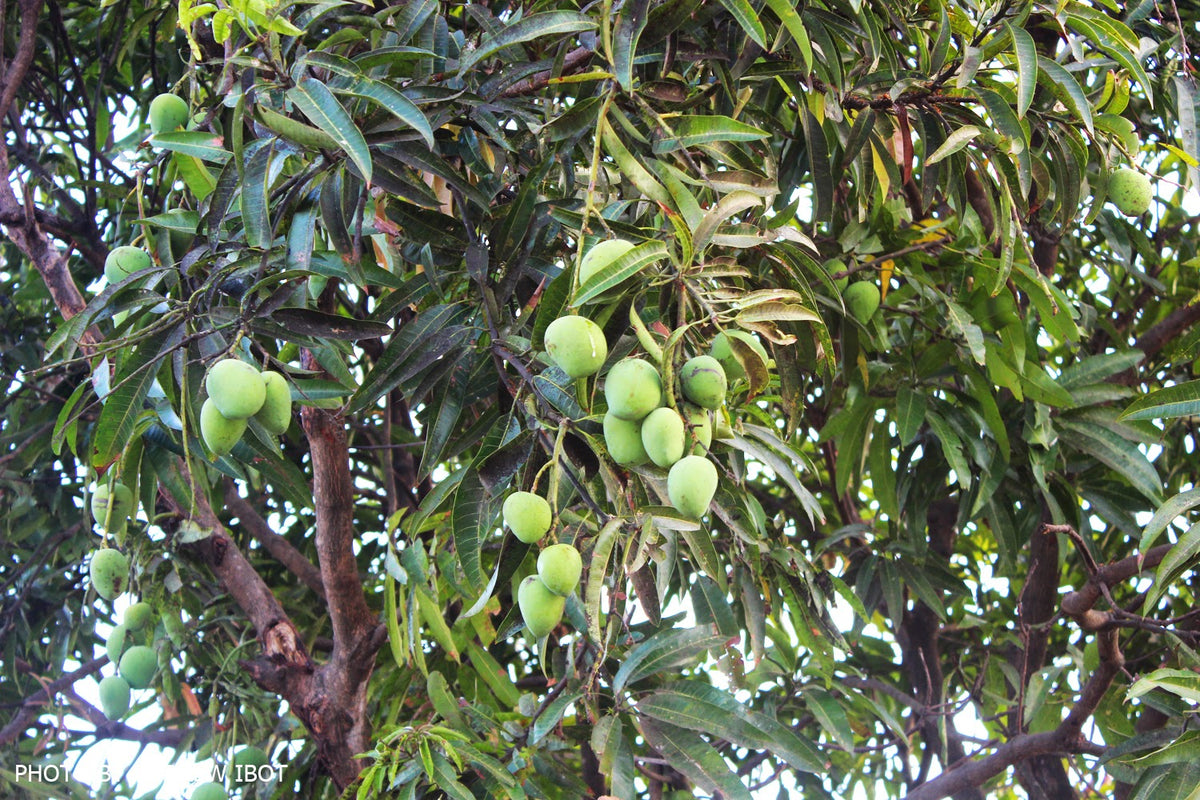
Mango Pine Tree is not a botanical hybrid but a popular, non-scientific name in India for ornamental, fast-growing evergreen trees combining pine-like appearance with tropical climate adaptability. These trees, with straight trunks and conical growth, thrive in warm Indian climates and are planted for shade, aesthetics, and wind protection along highways, farm boundaries, and campuses.
🌳🥭 In the Indian landscaping and plantation space, the term “Mango Pine Tree” is often used as a popular, non-scientific name for ornamental or fast-growing evergreen trees that combine the tropical adaptability of mango-growing regions with the upright, pine-like aesthetic preferred in modern landscapes.
🌱 While it is important to clarify that there is no botanical hybrid between mango and pine, the name has gained popularity across India for trees that are visually pine-shaped, evergreen, and well-suited to Indian climates—especially in avenues, farm boundaries, campuses, and large-scale plantation projects.
🇮🇳 Indian Context: What “Mango Pine” Really Refers To
In India, “Mango Pine” typically refers to ornamental or timber trees planted in mango belts and tropical regions that:
- 🌞 Thrive in warm Indian climates
- 🌳 Have straight trunks and conical or vertical growth
- 🌱 Are evergreen or semi-evergreen
- 💧 Perform well in rain-fed conditions
These trees are commonly used alongside mango orchards, highways, institutions, and reforestation projects for shade, aesthetics, wind protection, and carbon benefits.
🌿 Why Such Trees Are Popular in India
🌾 Climate Compatibility
India’s tropical and subtropical regions demand trees that can tolerate high temperatures, seasonal rainfall, and occasional drought. Pine-like ornamental species adapted to Indian conditions meet these requirements effectively.
🏡 Landscaping & Aesthetic Value
The tall, symmetrical structure gives a pine-like appearance, making these trees a favorite for resorts, farmhouses, IT parks, and eco-tourism sites—without the cold-climate limitations of true pine trees.
🌍 Environmental Benefits
- 🌬️ Carbon sequestration and oxygen generation
- 🐝 Habitat for birds and pollinators
- 🌱 Soil binding and erosion control
- ☀️ Natural cooling and microclimate improvement
📜 Cultural & Agricultural Relevance in India
India has a long tradition of integrating fruit trees with support or boundary trees. Mango orchards often use tall, evergreen species around their periphery to:
- 🌾 Protect crops from wind
- 🌳 Provide shade and organic matter
- 🪵 Supply timber or fuelwood
- 🌱 Enhance long-term land value
This practice aligns closely with agroforestry and sustainable land-use models promoted across rural India.
🌍 Role in Indian Reforestation & ESG Projects
In large-scale plantation and CSR initiatives, pine-shaped tropical trees (often referred to commercially as “Mango Pine”) are preferred because they:
- 📈 Grow fast and establish canopy quickly
- 💧 Require low maintenance once established
- 🌱 Are suitable for degraded and rain-fed lands
- 📊 Support ESG, CSR, and carbon-offset goals
Such species are frequently used in corporate plantations, highway greening, institutional campuses, and community forestry programs across India.
🌱 Growing Guidelines (Indian Conditions)
☀️ Ideal Conditions
- Soil: Sandy loam to lateritic soils
- Water: Rain-fed with initial watering support
- Sunlight: Full sun
- Climate: Tropical & subtropical India
🛠️ Maintenance
- Minimal pruning required
- Mulching improves moisture retention
- Best planted in mixed-species models
🌎 Conclusion
🌳 In the Indian context, the so-called “Mango Pine Tree” represents a concept of climate-resilient, pine-shaped tropical trees rather than a true botanical hybrid.
💚 When used responsibly in mixed plantations, these trees support land restoration, carbon capture, biodiversity, and sustainable development—making them valuable assets in India’s green growth journey.
🌱 By choosing the right species for the right landscape, we move one step closer to a greener, climate-resilient India.
Further reading: Mango Tree: A Verdant Legacy of Sweet Abundance · Umbrella Pine Tree: The Ultimate Guide to This Majestic Evergreen
Frequently Asked Questions
What is a Mango Pine Tree?
It's the fabulous lovechild of a mango tree and a pine tree, combining the sweet, juicy goodness of mangoes with the evergreen charm of pines. This hybrid not only dazzles your garden but also produces delicious fruit—talk about a multitasking superstar!
How tall does the Mango Pine Tree grow?
Expect this beauty to reach up to 30 feet tall and 20 feet wide, making it a showstopper in any landscape. With its unique fusion of mango and pine characteristics, it’s bound to turn heads and spark conversations among your gardening friends!
Can I grow a Mango Pine Tree in my garden?
Absolutely! As long as you have a sunny spot that gets 6-8 hours of sunlight and well-drained soil, this hybrid can thrive in your backyard. Just follow a few simple steps, and soon you'll be the proud parent of this exotic wonder!
What are the benefits of the Mango Pine Tree?
Beyond its stunning looks, the Mango Pine Tree offers a buffet of benefits: carbon sequestration, biodiversity enhancement, and improved soil health. Plus, it provides shade that cools your space, making it a true environmental hero in your garden!
How do I care for a Mango Pine Tree?
Caring for your Mango Pine Tree is a breeze! Ensure it gets regular watering, especially during dry spells, and fertilize during the growing season. Prune it occasionally to keep it looking fabulous and healthy—it's like giving your tree a stylish haircut!
What kind of soil does the Mango Pine Tree need?
This hybrid prefers sandy or loamy soils that drain well. Think of it as the Goldilocks of trees—not too wet, not too dry—just right! Good drainage will keep your Mango Pine happy and thriving in its new home.
Is the Mango Pine Tree good for the environment?
Absolutely! This tree is an eco-champion, absorbing carbon dioxide and enhancing biodiversity. It attracts pollinators like bees and butterflies, creating a lively ecosystem. Planting a Mango Pine Tree is like giving Mother Nature a high-five!
Can I use the pine cones from the Mango Pine Tree?
You bet! The aromatic pine cones of the Mango Pine Tree can be used for crafting and decoration. So not only do you get delicious mangoes, but you also have natural décor for your home—talk about a two-for-one deal!
When is the best time to plant a Mango Pine Tree?
The best time to plant your Mango Pine Tree is in the spring or early fall when the weather is mild. This gives your tree ample time to establish its roots before facing the heat of summer or the chill of winter. Timing is everything!
What do mangoes from the Mango Pine Tree taste like?
Expect a delightful explosion of tropical sweetness! The mangoes produced by this hybrid retain the delicious flavor of traditional mangoes, making them perfect for snacking, smoothies, or even gourmet desserts. Who wouldn’t want a taste of paradise in their garden?
How does the Mango Pine Tree contribute to sustainability?
The Mango Pine Tree is a sustainability superstar! It absorbs CO2, enhances soil health, and fosters biodiversity. By planting one, you’re not just beautifying your garden; you’re actively participating in the fight against climate change—talk about planting with purpose!


Leave a comment