
Noni Tree: Unlocking the Secrets of Nature's Superfruit for Ultimate Health Benefits
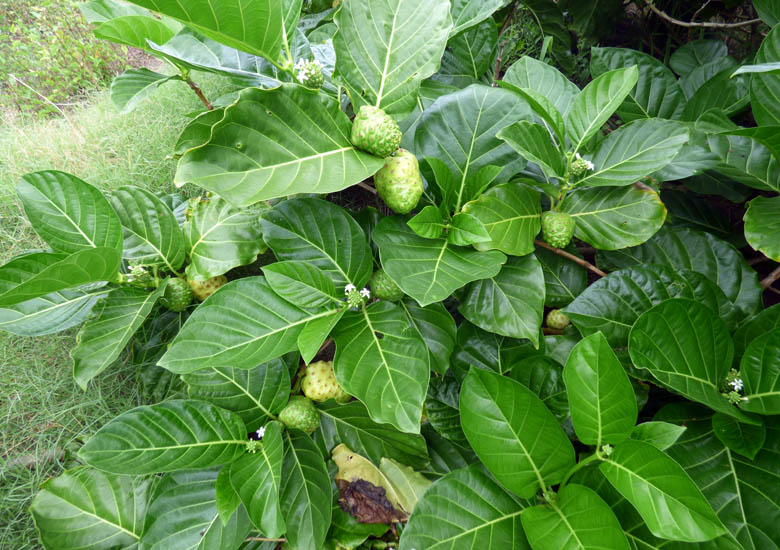
Noni (Morinda citrifolia), a tropical fruit native to Southeast Asia and Australasia, is rich in vitamins C and A, B vitamins, potassium, calcium, magnesium, iron, and antioxidants like flavonoids and polyphenols—all crucial for bodily functions. The noni tree has been valued for centuries for these benefits.
Noni Tree, scientifically known as Morinda citrifolia, is a tropical plant that has been revered for centuries for its remarkable health benefits and nutritional properties.
Often referred to as "nature's superfruit," the noni fruit is packed with vitamins, minerals, and antioxidants that can significantly enhance overall health and well-being.
In this blog, we will delve into the secrets of the noni tree, explore its health benefits, historical significance, environmental impact, and how organizations like Grow Billion Trees Partners are playing a crucial role in promoting sustainable noni cultivation.
The Noni Tree: An Overview
The noni tree is native to Southeast Asia and Australasia, thriving in tropical climates. It can grow up to 10 feet tall and produces small, white, fragrant flowers that eventually develop into green, bumpy fruits.
As the fruit ripens, it turns yellowish and emits a strong odor, which can be off-putting to some. However, its nutritional profile is what makes it truly remarkable.
Nutritional Profile of Noni Fruit
Noni fruit is rich in several essential nutrients, including:
- Vitamins: Noni is a good source of vitamin C, vitamin A, and several B vitamins.
- Minerals: It contains potassium, calcium, magnesium, and iron, all crucial for various bodily functions.
- Antioxidants: Noni fruit is loaded with antioxidants like flavonoids and polyphenols, which help combat oxidative stress.
- Amino Acids: The fruit contains several essential amino acids, which are vital for protein synthesis in the body.
According to a study published in the Journal of Medicinal Food, noni fruit exhibits significant antioxidant activity, which can help reduce the risk of chronic diseases such as heart disease, diabetes, and cancer.
Health Benefits of Noni
The noni fruit has been associated with a plethora of health benefits, making it a popular choice among health enthusiasts. Some of the most notable benefits include:
- Immune System Support: Noni is known for its immune-boosting properties, thanks to its high vitamin C content and antioxidant activity. A strong immune system is essential for fighting off infections and diseases.
- Anti-Inflammatory Effects: Studies have shown that noni can help reduce inflammation in the body, making it beneficial for individuals with arthritis or other inflammatory conditions.
- Digestive Health: The fruit contains dietary fiber, which aids in digestion and promotes a healthy gut. Additionally, noni juice has been traditionally used to alleviate digestive issues.
- Heart Health: Noni may help lower cholesterol levels and improve overall cardiovascular health. Research published in the American Journal of Clinical Nutrition suggests that noni juice can positively impact lipid profiles.
- Skin Health: The antioxidants in noni fruit can help combat skin aging and improve skin conditions such as acne and eczema.
Historical Significance of Noni
The use of noni fruit dates back over 2,000 years, with historical records indicating its use in traditional medicine by Polynesian cultures. It was utilized for various ailments, including infections, wounds, and digestive issues. Ancient healers recognized the fruit's potential and passed down knowledge of its benefits through generations.
In Hawaii, noni has been an integral part of the culture and diet, often consumed in the form of juice or used in herbal remedies. The indigenous people believed that noni had healing properties and incorporated it into their daily lives.
Fun Facts About Noni
- Noni is sometimes referred to as "cheese fruit" due to its pungent smell, reminiscent of aged cheese.
- The noni tree can survive in poor soil conditions, making it an excellent candidate for sustainable agriculture.
- Noni leaves are also edible and can be used in salads or as a wrap for dishes.
Environmental Impact of Noni Cultivation
Growing noni trees can have a positive impact on the environment. The noni tree is known for its ability to thrive in various soil conditions, including degraded lands. This adaptability makes it a suitable crop for reforestation and soil restoration projects.
Additionally, noni trees contribute to biodiversity by providing habitats for various wildlife species. Their cultivation can help promote sustainable land use and combat deforestation, which is critical in today's rapidly changing environment.
Grow Billion Trees Partners: Promoting Sustainable Noni Cultivation
Organizations like Grow Billion Trees Partners are dedicated to promoting sustainable agricultural practices and reforestation efforts. They recognize the potential of the noni tree as a valuable crop that can provide health benefits while also contributing to environmental sustainability.
Grow Billion Trees Partners works with local communities to establish noni plantations, providing training and resources to ensure successful cultivation. Their projects focus on:
- Education and Training: Offering workshops and training sessions on sustainable farming techniques, pest management, and organic practices.
- Community Involvement: Engaging local communities in the cultivation process, ensuring that they benefit from the economic opportunities that noni farming provides.
- Research and Development: Collaborating with agricultural scientists to improve noni cultivation methods and explore innovative uses for the fruit.
- Market Access: Helping farmers connect with markets to sell their noni products, ensuring fair trade practices and economic sustainability.
Through these initiatives, Grow Billion Trees Partners is not only promoting the health benefits of noni but also fostering a sense of community and environmental stewardship. By empowering local farmers to grow noni trees, they are contributing to a more sustainable future.
Conclusion
The noni tree is a remarkable plant that offers a wealth of health benefits and environmental advantages. Its rich nutritional profile, historical significance, and adaptability make it a valuable resource for communities worldwide.
As we continue to explore the secrets of nature's superfruit, organizations like Grow Billion Trees Partners are playing a vital role in promoting sustainable noni cultivation and ensuring that future generations can enjoy its benefits.
Incorporating noni into your diet can be a simple yet effective way to enhance your health. Whether you choose to consume noni juice, add it to smoothies, or explore its culinary uses, you can unlock the potential of this extraordinary fruit.
Embrace the power of the noni tree and join the movement towards sustainable agriculture and improved health!
For more information on noni cultivation and how you can get involved with Grow Billion Trees Partners, visit their website and learn how you can contribute to a healthier planet.
Further reading: Soursop Tree: Unlocking the Secrets of Nature's Superfruit and Its Incredible Health Benefits · Desert Date Tree: Nature's Superfood with Incredible Health Benefits
Frequently Asked Questions
What is the Noni Tree?
The Noni Tree, or Morinda citrifolia, is a tropical superstar known for its health benefits and nutritional prowess. Native to Southeast Asia, it stands tall at up to 10 feet, flaunting fragrant white flowers and bumpy green fruits that turn yellow. Despite its pungent aroma, this "nature's superfruit" is a nutritional powerhouse!
What nutrients does Noni fruit contain?
Noni fruit is like a treasure chest of nutrients! It boasts vitamin C, vitamin A, and a medley of B vitamins, along with essential minerals like potassium and magnesium. Don't forget the antioxidants and amino acids that help keep your body in tip-top shape. Who knew health could be so deliciously packed?
What are the health benefits of Noni?
Noni fruit is your health's best friend! It supports the immune system, reduces inflammation, aids digestion, boosts heart health, and even enhances skin conditions. With its impressive list of benefits, it's no wonder health enthusiasts are raving about this tropical gem. Say hello to a healthier you!
How has Noni been used historically?
Noni has a rich history stretching back over 2,000 years! Polynesian cultures revered it for its healing properties, using it for infections, wounds, and digestive woes. In Hawaii, it’s been a cultural staple, woven into daily life and traditional remedies. Talk about a fruit with deep roots!
What makes Noni fruit smell so strong?
Noni fruit has a unique scent that some liken to aged cheese. Yes, you read that right! While its aroma might be off-putting to some, its nutritional benefits are what truly matter. Embrace the smell, and you'll discover a world of health benefits waiting inside!
Can Noni be grown sustainably?
Absolutely! The Noni tree thrives in poor soil conditions, making it an eco-friendly choice for sustainable agriculture. Its ability to adapt helps combat deforestation and promotes biodiversity. So, by cultivating noni, you're not just boosting your health; you're also giving Mother Earth a helping hand!
What role does Grow Billion Trees Partners play?
Grow Billion Trees Partners is on a mission to promote sustainable noni cultivation! They educate local communities, provide training, and ensure farmers benefit from noni farming. By empowering communities, they’re not just growing trees; they’re growing hope for a healthier planet. Talk about a win-win!
How can I incorporate Noni into my diet?
Incorporating noni into your diet is a breeze! You can sip on noni juice, toss it into smoothies, or even experiment with culinary creations. Unlock the potential of this extraordinary fruit and elevate your health game. Who knew a little fruit could pack such a punch?
Is Noni safe to consume?
Yes, noni is generally safe for most people when consumed in moderation. However, like any superfruit, it’s wise to consult a healthcare professional if you have specific health concerns or conditions. After all, it’s always better to be safe than sorry when diving into the world of health foods!
What are the environmental benefits of Noni cultivation?
Noni trees are champions of environmental sustainability! They thrive in degraded lands, promoting soil restoration and biodiversity. By cultivating noni, you’re contributing to sustainable land use and combating deforestation. So, growing noni isn’t just good for you; it’s good for the planet too!
Where can I learn more about Noni cultivation?
Curious about noni cultivation? Look no further than Grow Billion Trees Partners! Their website is a treasure trove of information on sustainable practices and how you can get involved. Join the movement towards healthier living and a greener planet—your future self will thank you!
Keep reading
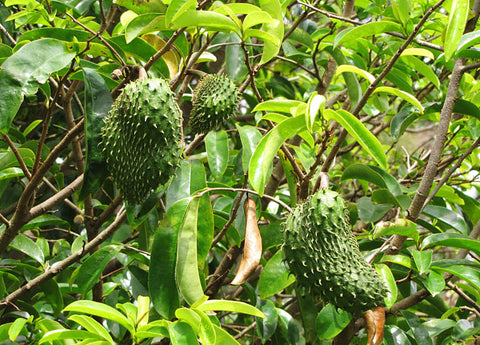 Soursop Tree: Unlocking the Secrets of Nature's Superfruit and Its Incredible Health Benefits
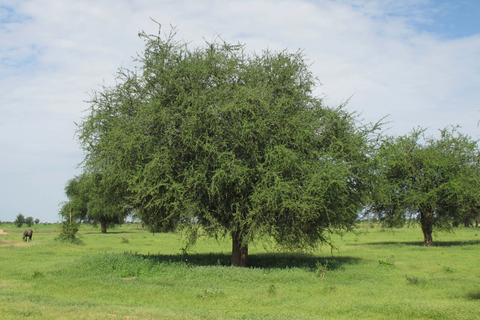 Desert Date Tree: Nature's Superfood with Incredible Health Benefits
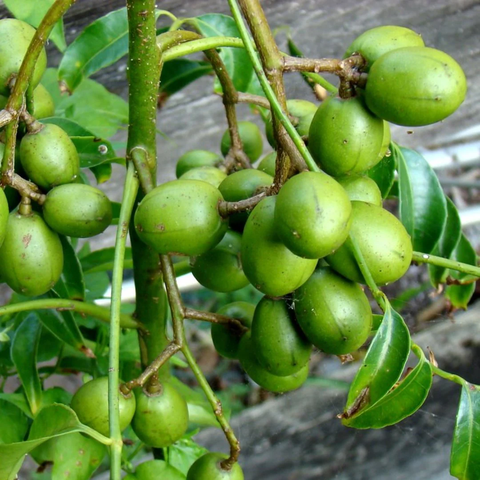 Hog Plum Tree: The Hidden Superfruit You Need to Know About for Health and Wellness
 Myrobalan Tree: Nature's Superfruit for Health & Wellness
 Wampi Tree: Unlocking Nature's Superfruit for Health & Wellness


Leave a comment