
North Indian Rosewood Tree: Beauty, Benefits & Conservation Guide
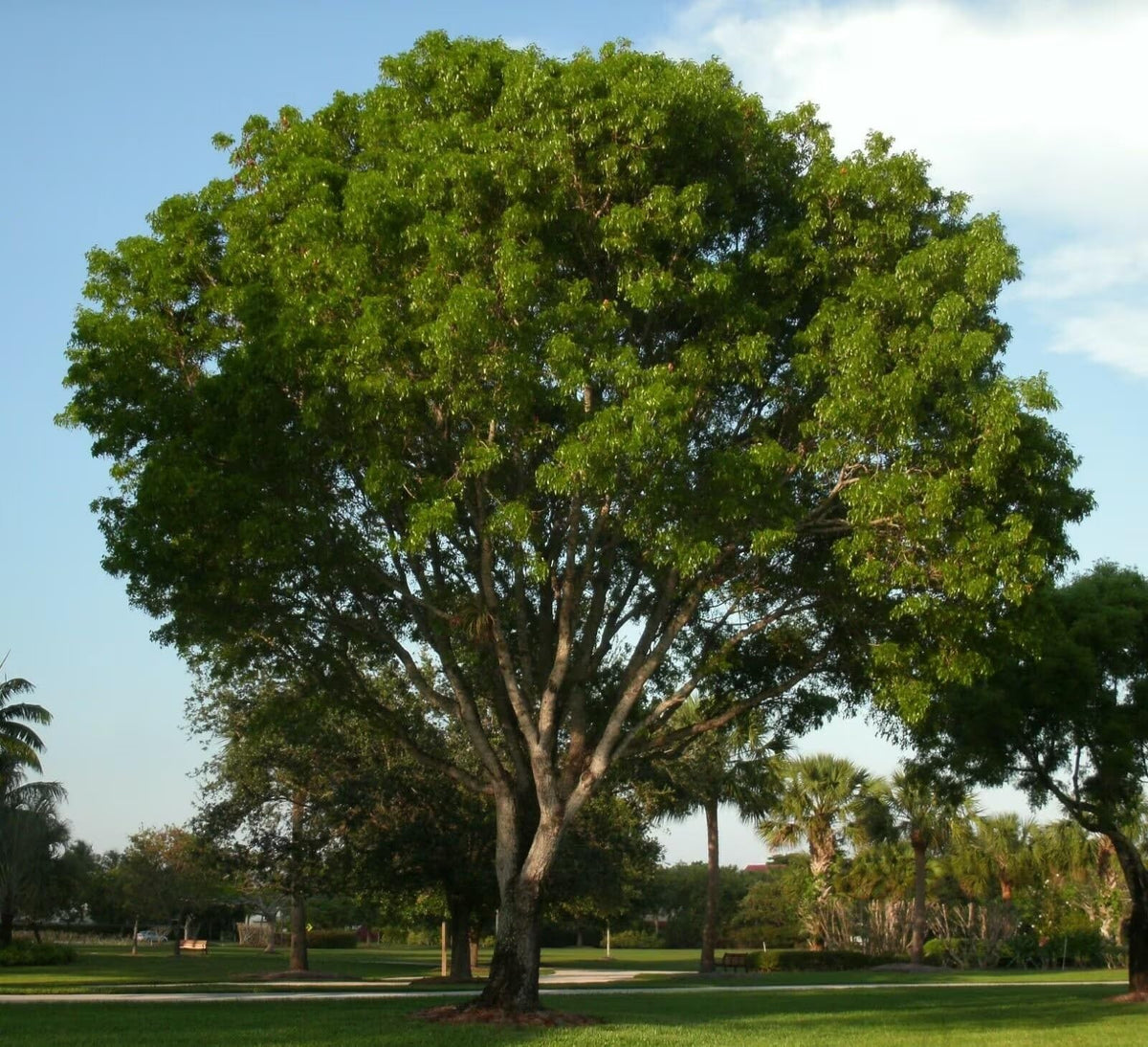
The North Indian Rosewood tree (Dalbergia sissoo) is a native deciduous species that grows up to 30 metres tall and is valued for its dark, dense wood used in furniture. Beyond its commercial use, it supports biodiversity and provides significant ecological benefits. Conservation efforts are now critical as environmental pressures on this species mount.
The North Indian Rosewood tree (Dalbergia sissoo) stands as one of nature's most valuable treasures, combining exceptional beauty with remarkable ecological significance. Native to the Indian subcontinent, this magnificent deciduous tree has captured hearts for centuries with its rich, dark wood and profound environmental benefits. From crafting exquisite furniture to supporting biodiversity, the North Indian Rosewood tree represents the perfect harmony between natural beauty and sustainable living.
As we face mounting environmental challenges, understanding and protecting this precious species becomes crucial. Organizations like Grow Billion Trees are leading the charge in conservation efforts, working tirelessly to ensure future generations can experience the wonder of these majestic trees.
✅ Botanical Characteristics of the North Indian Rosewood Tree
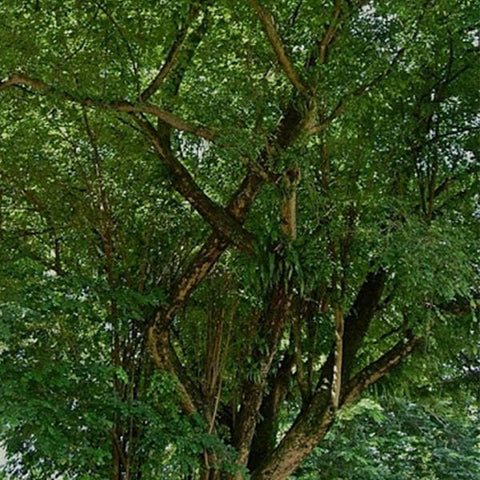
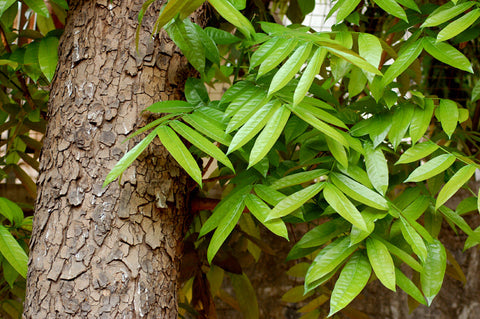
The North Indian Rosewood tree showcases impressive physical characteristics that make it instantly recognizable. This robust species can reach towering heights of up to 30 meters, with trunk diameters expanding to 1 meter. Its dense crown creates a magnificent canopy, while compound leaves stretch up to 20 centimeters in length, featuring 10-15 delicate leaflets.
The tree produces small, white flowers that bloom in elegant clusters during the flowering season. These blooms eventually develop into flat, pod-like fruits containing viable seeds for propagation. The bark displays a distinctive dark brown color with a rough texture, protecting the precious heartwood beneath. This heartwood exhibits the tree's signature deep reddish-brown hue, which has made it legendary among craftsmen worldwide.
⭐ Beauty and Aesthetic Value
The visual appeal of the North Indian Rosewood tree extends far beyond its living form. The wood's rich color palette and intricate grain patterns create a natural masterpiece that artisans have treasured for generations. Furniture crafted from this wood doesn't merely serve functional purposes – it transforms spaces into elegant sanctuaries of luxury and sophistication.
The wood's natural luster allows it to achieve a mirror-like polish, making it ideal for intricate carvings and detailed craftsmanship. Master woodworkers particularly appreciate its workability, as the material responds beautifully to traditional carving techniques. The finished products showcase an aura of timeless elegance that complements both traditional and contemporary design aesthetics.
💡 Economic Benefits and Market Value
The North Indian Rosewood tree plays a pivotal role in supporting local and international economies. Its wood commands premium prices in both domestic and global markets, providing sustainable livelihoods for countless woodworkers, artisans, and their families. The species contributes significantly to India's forest product exports, generating valuable foreign exchange.
Beyond timber applications, the tree serves important roles in traditional medicine systems. Various parts of the plant, including leaves and bark, are utilized in herbal remedies across different cultures. This medicinal value adds another economic dimension to the species, supporting traditional healthcare practitioners and herbal medicine industries.
The tree's economic impact extends to tourism sectors as well, with its beautiful specimens attracting nature enthusiasts and researchers from around the world.
🌱 Environmental Impact and Ecological Benefits
From an ecological perspective, the North Indian Rosewood tree delivers exceptional environmental services. Its extensive root system excels at soil conservation, preventing erosion while simultaneously improving soil fertility through natural nitrogen fixation processes. This makes it an invaluable species for reforestation initiatives in degraded landscapes.
The tree's deep root structure helps stabilize soil in areas prone to landslides and erosion, making it particularly valuable for slope stabilization projects. According to the United Nations Environment Programme on forests, trees like the North Indian Rosewood play crucial roles in maintaining ecosystem stability and supporting biodiversity.
Wildlife species depend heavily on these trees for both habitat and sustenance. Birds nest in the dense canopy, while various insects and small mammals find food and shelter within the tree's ecosystem. This biodiversity support aligns perfectly with the United Nations Sustainable Development Goals, particularly those focused on life on land and ecosystem preservation.
⚠️ Conservation Challenges and Threats
Despite its numerous benefits, the North Indian Rosewood tree faces significant conservation challenges. Deforestation pressures continue mounting as agricultural expansion and urban development consume natural habitats. Illegal logging operations target these valuable trees specifically, driven by high market demand for premium rosewood products.
Climate change compounds these challenges by altering precipitation patterns and temperature ranges that affect the tree's natural growing conditions. The World Wildlife Fund identifies deforestation as one of the most pressing threats to forest ecosystems globally, with species like the North Indian Rosewood particularly vulnerable.
Land conversion for agriculture and infrastructure development continues reducing available habitat for natural regeneration. Without immediate conservation action, future generations may lose access to this remarkable species and its countless benefits.
🌳 Grow Billion Trees: Leading Conservation Efforts
Grow Billion Trees stands at the forefront of North Indian Rosewood tree conservation through innovative approaches and community partnerships. Their comprehensive strategy encompasses tree planting initiatives, education programs, and community engagement activities designed to ensure long-term species survival.
The organization's mission to plant 100 crore trees by 2030 directly supports North Indian Rosewood conservation efforts across India. Through their "Plant a tree in your Name" program, individuals can contribute to conservation while receiving GeoTag tracking technology to monitor their tree's growth progress.
Their specialized programs include Miyawaki forest creation, agroforestry initiatives, and urban forestry projects that incorporate North Indian Rosewood trees where ecologically appropriate. Each planted tree receives 3 years of dedicated care, ensuring optimal survival rates and healthy growth.
→ How Conservation Projects Work
Grow Billion Trees executes conservation projects through systematic approaches that maximize impact and sustainability. Their process begins with comprehensive site assessments to identify optimal planting locations based on soil conditions, climate factors, and ecological requirements.
Community engagement forms the cornerstone of their success strategy. Local communities receive training on proper tree cultivation techniques, ensuring they possess the knowledge and skills necessary for long-term stewardship. This approach creates lasting conservation impact that extends far beyond initial planting activities.
The organization partners with government bodies, environmental agencies, and local institutions to coordinate large-scale reforestation efforts. Their technology integration includes GeoTag systems that allow supporters to track individual tree progress, creating transparency and accountability in conservation outcomes.
🎯 Corporate Partnerships and Net Zero Targets
Forward-thinking corporations increasingly recognize the North Indian Rosewood tree's potential for achieving Net Zero Targets through carbon sequestration. Grow Billion Trees facilitates corporate partnerships that align business sustainability goals with meaningful environmental action.
These partnerships enable companies to offset their carbon footprints while supporting biodiversity conservation and rural community development. Corporate sponsors can choose specific tree species, including North Indian Rosewood, for their sustainability initiatives.
The program provides detailed impact reporting, allowing corporate partners to demonstrate measurable environmental contributions to stakeholders and customers. This transparency supports corporate sustainability reporting requirements while delivering genuine conservation outcomes.
🌿 Historical and Cultural Significance
The North Indian Rosewood tree holds profound cultural importance throughout Indian history and tradition. Ancient artisans incorporated this precious wood into palace construction and temple architecture, creating masterpieces that continue inspiring awe today.
Traditional Indian musical instruments, including sitars and tablas, rely on North Indian Rosewood for their distinctive tonal qualities. Master instrument makers prize the wood's acoustic properties, which contribute to the rich, resonant sounds that define classical Indian music.
Local communities often refer to the tree as "Sheesham," a name that translates to "the tree of the gods" in certain cultural contexts. This reverence reflects the deep spiritual connection between people and nature that characterizes traditional Indian environmental philosophy.
💡 Sustainable Management Practices
Effective North Indian Rosewood tree conservation requires implementing sustainable management practices that balance utilization with regeneration. Selective harvesting techniques allow mature trees to be utilized while preserving breeding populations for natural reproduction.
Plantation forestry programs can supplement wild populations by establishing managed groves in appropriate locations. These plantations should follow ecological principles that maintain genetic diversity and support associated wildlife species.
Community-based forest management empowers local populations to become active conservation stewards. When communities receive direct benefits from sustainable forest management, they develop strong incentives to protect and nurture tree populations for future generations.
⭐ Fun Facts About North Indian Rosewood Trees
- The wood naturally resists pests and decay, making outdoor furniture incredibly durable
- Fresh-cut wood emits a pleasant, distinctive aroma that many find appealing
- Trees can live for several centuries under optimal growing conditions
- The species demonstrates remarkable drought tolerance once established
- Leaves change color dramatically during seasonal transitions
- The tree supports over 50 different insect species in its native habitat
- Wood density varies significantly based on growing conditions and tree age
🔍 Identifying North Indian Rosewood Trees
Proper identification helps conservation efforts by enabling accurate population surveys and monitoring programs. The North Indian Rosewood tree displays several distinctive characteristics that differentiate it from similar species.
Mature trees exhibit the characteristic compound leaves with 10-15 leaflets arranged in opposite pairs. The bark texture remains consistently rough and dark brown throughout the tree's lifespan. During flowering season, the small white flowers appear in dense clusters that are easily recognizable.
The seed pods provide another reliable identification feature, appearing as flat, brown structures containing 1-2 seeds each. These pods often persist on trees well into the dry season, making identification possible even when leaves have fallen.
🌍 Global Conservation Initiatives
International conservation organizations recognize the North Indian Rosewood tree's importance for global biodiversity preservation. The World Wildlife Fund's forest conservation initiatives include programs specifically designed to protect valuable timber species like Dalbergia sissoo.
CITES (Convention on International Trade in Endangered Species) regulations help control international trade in rosewood products, reducing pressure on wild populations. These regulations require proper documentation and sustainable sourcing for all rosewood trade activities.
Research institutions worldwide study North Indian Rosewood genetics, ecology, and propagation techniques to develop more effective conservation strategies. This scientific knowledge supports evidence-based conservation decision-making at local and international levels.
Further reading: Indian Rosewood Tree: A Symbol of Strength, Beauty, and Sustainability · Australian Rosewood Tree: Ultimate Guide to Beauty, Benefits & Care
Frequently Asked Questions
What makes North Indian Rosewood trees so valuable?
North Indian Rosewood trees are prized for their beautiful reddish-brown heartwood, natural pest resistance, and excellent workability. The wood's durability, attractive grain patterns, and ability to take a high polish make it highly sought after for furniture, musical instruments, and decorative items.
How fast do North Indian Rosewood trees grow?
North Indian Rosewood trees are moderate to fast-growing species that can reach 15-20 feet in height within 5-7 years under optimal conditions. Growth rates depend on soil quality, water availability, and climate conditions, with trees typically reaching maturity in 20-30 years.
Can North Indian Rosewood trees be grown outside their native range?
Yes, North Indian Rosewood trees can adapt to various climatic conditions and have been successfully cultivated in many tropical and subtropical regions worldwide. However, they perform best in areas with similar climate conditions to their native Indian subcontinent habitat.
What are the main threats to North Indian Rosewood populations?
The primary threats include illegal logging for valuable timber, habitat loss due to agricultural expansion, urban development, and climate change impacts. Over-exploitation for commercial purposes has significantly reduced wild populations in many areas.
How can individuals contribute to North Indian Rosewood conservation?
Individuals can support conservation through organizations like Grow Billion Trees by participating in tree planting programs, choosing sustainably sourced wood products, supporting reforestation initiatives, and spreading awareness about the importance of forest conservation.
What is the lifespan of a North Indian Rosewood tree?
North Indian Rosewood trees can live for several centuries under optimal conditions. Many specimens reach ages of 100-200 years, with some exceptional trees living even longer. Proper care and protection from human interference significantly extend their lifespan.
Are there any legal restrictions on North Indian Rosewood harvesting?
Yes, many countries have implemented strict regulations governing rosewood harvesting and trade. CITES listings require permits for international trade, while local laws often restrict harvesting to licensed operators with sustainable management plans.
What role do North Indian Rosewood trees play in carbon sequestration?
North Indian Rosewood trees are excellent carbon sequesters, storing significant amounts of carbon in their wood, roots, and surrounding soil. A mature tree can sequester several tons of CO2 throughout its lifetime, making it valuable for climate change mitigation efforts.
How can I identify authentic North Indian Rosewood products?
Authentic North Indian Rosewood displays characteristic reddish-brown coloration with distinctive grain patterns and a pleasant natural aroma. Reputable sellers should provide certification of sustainable sourcing and species authenticity. When in doubt, consult with wood identification experts.
What traditional uses exist for different parts of the North Indian Rosewood tree?
Traditional applications include using the wood for construction and furniture, bark and leaves for medicinal preparations, and various plant parts in traditional remedies. The tree also provides fodder for livestock and serves important ecological functions in its native ecosystem.
🌱 Taking Action for Conservation
The future of the North Indian Rosewood tree depends on immediate and sustained conservation action. Every individual has the power to make a meaningful difference through conscious choices and active participation in conservation initiatives.
Grow Billion Trees offers accessible ways to contribute to conservation through their comprehensive tree planting programs. For just ₹299, you can Plant a tree in your Name and receive 3 years of care plus GeoTag tracking to monitor your tree's progress. This investment supports not only individual tree growth but also broader reforestation efforts across India.
By supporting organizations committed to Combating Climate Change Through Collective Action, we can ensure that future generations inherit a world where magnificent species like the North Indian Rosewood tree continue to thrive. Together, we can achieve the ambitious goal of planting 100 crore trees while preserving the natural heritage that makes our planet extraordinary.
Visit Grow Billion Trees today to discover how you can become part of this vital conservation mission and help secure a sustainable future for the North Indian Rosewood tree and countless other precious species.
Keep reading
 Indian Rosewood Tree: A Symbol of Strength, Beauty, and Sustainability
 Australian Rosewood Tree: Ultimate Guide to Beauty, Benefits & Care
 Brazilian Rosewood Tree: The Ultimate Guide to Its Beauty, Value, and Conservation Efforts
 Indian Redw Tree: Majestic Marvel Transforming Ecosystems
 Big Leaf Mahogany Tree: Ultimate Guide to Beauty, Benefits & Conservation
 Sissoo Tree: The Ultimate Guide to Its Benefits, Care, and Environmental Impact


Leave a comment