
Pride of India Tree: Discover the Majestic Beauty and Cultural Significance of This Iconic Indian Flora
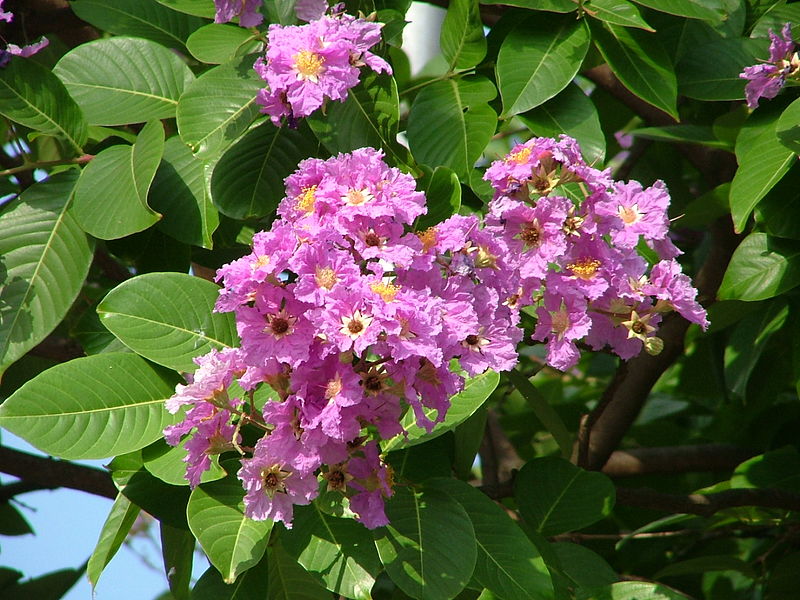
The Pride of India tree (Tabebuia avellanedae) is a flowering tree originally native to tropical and subtropical Americas, cultivated in India for its yellow trumpet-shaped flowers and cultural significance. Growing 15 to 25 metres tall, it blooms from March to June and serves ecological and heritage purposes in the country.
The Pride of India tree, scientifically known as Tabebuia avellanedae, is a breathtaking species that captivates both the eye and the heart.
Known for its vibrant yellow blooms and majestic stature, this tree is not just a feast for the eyes but also a symbol of rich cultural heritage and environmental significance in India.
In this blog, we will delve into the various facets of the Pride of India tree, exploring its beauty, cultural importance, and ecological contributions, while also highlighting the efforts of organizations like Grow Billion Trees in promoting and preserving this iconic flora.
Botanical Features and Characteristics
The Pride of India tree belongs to the family Bignoniaceae and is native to the tropical and subtropical regions of the Americas. It typically grows to a height of 15 to 25 meters, with a broad, spreading crown that provides ample shade.
The leaves are compound, with five to seven leaflets that are dark green and glossy. However, it is the tree’s stunning flowers that truly set it apart. The blossoms are trumpet-shaped, measuring about 5 to 10 cm in diameter, and bloom in clusters, creating a spectacular display of bright yellow that can be seen from afar.
Flowering usually occurs between March and June, depending on the local climate, and the sight of a fully bloomed Pride of India tree is nothing short of magical. The flowers attract a variety of pollinators, including bees and butterflies, making it an essential part of the ecosystem.
Cultural Significance
The Pride of India tree holds a special place in Indian culture and tradition. It is often associated with the arrival of spring and is celebrated in various festivals across the country. In many regions, the tree is planted as a symbol of prosperity and good fortune. The vibrant flowers serve as a reminder of the beauty of nature and the importance of preserving it.
In addition to its aesthetic appeal, the Pride of India tree is also used in traditional medicine. Various parts of the tree, including the bark and leaves, are believed to possess medicinal properties that can aid in treating ailments such as fever and inflammation.
This highlights the tree's multifaceted role in Indian culture, where it is revered not only for its beauty but also for its potential health benefits.
Environmental Impact
The ecological importance of the Pride of India tree cannot be overstated. As a deciduous tree, it plays a significant role in maintaining the balance of local ecosystems.
The tree provides shelter and food for various species of birds and insects, contributing to biodiversity. Additionally, its extensive root system helps prevent soil erosion, making it a valuable asset in maintaining soil health.
The tree is also known for its ability to improve air quality. Through the process of photosynthesis, it absorbs carbon dioxide and releases oxygen, making it a natural air purifier. In urban areas, planting Pride of India trees can significantly reduce air pollution levels, providing cleaner air for residents and enhancing the overall quality of life.
Fun Facts About the Pride of India Tree
- The Pride of India tree is often referred to as the “Yellow Trumpet Tree” due to its striking yellow flowers.
- It is known for its rapid growth rate, making it an ideal choice for landscaping and reforestation projects.
- The wood of the Pride of India tree is valued for its durability and is used in making furniture and musical instruments.
- In addition to India, the tree is also found in countries like Brazil, Argentina, and Mexico, where it is celebrated for its beauty.
- The tree is often featured in art and literature, symbolizing beauty and resilience.
Historical Context
The Pride of India tree has a rich history that dates back centuries. Originally native to the tropical regions of South America, it was introduced to India during the British colonial period.
The tree quickly gained popularity due to its stunning blooms and adaptability to the Indian climate. Over the years, it has become a common sight in urban landscapes, parks, and gardens across the country.
In many cities, the Pride of India tree is planted along roadsides and in public spaces, creating a picturesque environment for residents and visitors alike. Its presence has become synonymous with the beauty of Indian flora, and many cities have even designated it as their official tree.
Grow Billion Trees: Promoting the Pride of India Tree
Organizations like Grow Billion Trees are at the forefront of promoting the cultivation and preservation of the Pride of India tree. Their mission is to combat climate change and enhance biodiversity by planting billions of trees across various regions in India.
By focusing on native species like the Pride of India tree, they aim to restore natural habitats and improve the ecological balance.
Grow Billion Trees partners with local communities, schools, and government bodies to execute tree plantation projects. Their approach is holistic, involving education and awareness programs that emphasize the importance of trees in our environment.
By engaging local communities, they ensure that tree planting is not just a one-time event but a sustained effort that fosters a sense of ownership and responsibility towards nature.
The organization also conducts workshops and training sessions on sustainable practices, encouraging participants to adopt eco-friendly methods in their daily lives. Through these initiatives, Grow Billion Trees not only promotes the Pride of India tree but also empowers individuals to take action against climate change.
How to Grow and Care for the Pride of India Tree
If you’re inspired by the beauty of the Pride of India tree and wish to grow one in your garden, here are some tips for successful cultivation:
- Location: Choose a sunny spot with well-drained soil. The tree thrives in full sunlight and requires plenty of space to grow.
- Soil Preparation: Ensure the soil is rich in organic matter. You can mix compost or well-rotted manure to enhance soil fertility.
- Planting: Dig a hole that is twice the size of the root ball. Gently place the sapling in the hole and backfill with soil, ensuring that the top of the root ball is level with the ground.
- Watering: Water the sapling thoroughly after planting and keep the soil moist but not waterlogged during the first few months. Once established, the tree is drought-tolerant.
- Pruning: Regularly prune the tree to maintain its shape and remove any dead or diseased branches. This also encourages healthy growth.
Conclusion
The Pride of India tree is a remarkable species that embodies the beauty and cultural richness of India. Its vibrant blooms, ecological benefits, and historical significance make it a vital part of our natural heritage.
As we face the challenges of climate change and environmental degradation, initiatives like those undertaken by Grow Billion Trees serve as a beacon of hope. By promoting the cultivation of the Pride of India tree and other native species, we can work towards a greener and more sustainable future.
Whether you’re a nature enthusiast, a gardener, or simply someone who appreciates the beauty of flora, the Pride of India tree offers a glimpse into the wonders of nature. Let us celebrate this majestic tree and take action to preserve its legacy for generations to come.
Further reading: Golden Trumpet Tree: Transform Your Garden into a Tropical Paradise · Pink Trumpet Tree: The Stunning Showstopper of Spring Blooms You Need to Know About!
Frequently Asked Questions
What is the Pride of India tree?
The Pride of India tree, or Tabebuia avellanedae, is a stunning species known for its vibrant yellow blooms and majestic height. It's not just a pretty face; it symbolizes cultural heritage and environmental significance in India, making it a tree that truly stands tall in both beauty and importance.
Where does the Pride of India tree grow?
Native to the tropical and subtropical Americas, the Pride of India tree has happily made India its home, thriving in urban landscapes, parks, and gardens. Its adaptability to various climates means you can find this beauty gracing spaces from bustling cities to serene countryside, spreading joy wherever it grows.
When does the Pride of India tree bloom?
The Pride of India tree typically bursts into bloom between March and June, depending on the climate. Picture a stunning display of bright yellow flowers that can be seen from afar, turning heads and hearts alike. It's like nature's own fireworks show, heralding the arrival of spring!
What are the medicinal uses of the Pride of India tree?
Beyond its breathtaking beauty, the Pride of India tree boasts medicinal properties. Traditional medicine enthusiasts use parts of the tree, like the bark and leaves, to treat ailments such as fever and inflammation. Talk about a multitasking marvel—this tree is not just a feast for the eyes, but also a potential healer!
How does the Pride of India tree contribute to the environment?
The ecological impact of the Pride of India tree is significant. As a deciduous beauty, it provides shelter and food for birds and insects, enhancing biodiversity. Its extensive roots prevent soil erosion while improving air quality, making it an eco-warrior in urban settings, fighting pollution one leaf at a time.
What is the historical significance of the Pride of India tree?
The Pride of India tree has a rich history, introduced to India during the British colonial period. Its stunning blooms quickly won hearts, and it became a common sight in urban landscapes. Over time, it has evolved into a beloved symbol of Indian flora, representing both beauty and resilience in the face of change.
How can I grow a Pride of India tree?
Growing a Pride of India tree is easier than you might think! Choose a sunny spot with well-drained soil, prepare the earth with organic matter, and plant your sapling with care. Water it well, and once established, watch it thrive—just like your gardening skills will flourish alongside this majestic tree!
What organizations are promoting the Pride of India tree?
Organizations like Grow Billion Trees are leading the charge in promoting the cultivation of the Pride of India tree. Their mission focuses on combating climate change and enhancing biodiversity through tree planting initiatives. By partnering with communities, they ensure that this tree's legacy continues to thrive in the hearts of future generations.
What are some fun facts about the Pride of India tree?
Did you know the Pride of India tree is often called the “Yellow Trumpet Tree”? It’s not just a pretty name; this beauty grows rapidly, making it perfect for landscaping. Plus, its durable wood is used for furniture and instruments—who knew a tree could be so talented?
How does the Pride of India tree improve air quality?
The Pride of India tree is like nature’s air purifier! Through photosynthesis, it absorbs carbon dioxide and releases oxygen, improving air quality. In urban areas, planting these trees can significantly reduce pollution levels, providing cleaner air for residents and enhancing overall quality of life—talk about a breath of fresh air!
What role does the Pride of India tree play in local culture?
The Pride of India tree holds a cherished place in Indian culture, symbolizing prosperity and good fortune. Often celebrated in festivals, its vibrant blooms remind us of nature's beauty and the importance of preservation. This tree is not just a sight to behold; it’s a cultural icon that brings communities together.
Keep reading
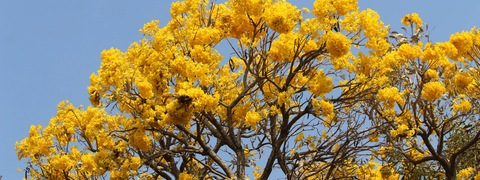 Golden Trumpet Tree: Transform Your Garden into a Tropical Paradise
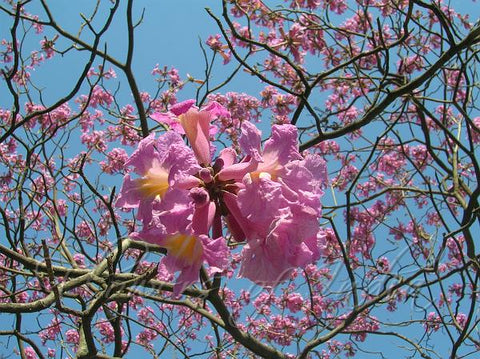 Pink Trumpet Tree: The Stunning Showstopper of Spring Blooms You Need to Know About!
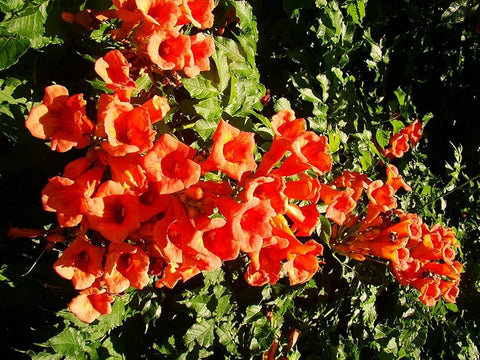 Trumpet Vine (Campsis) Tree: The Bold and Beautiful Climber That Transforms Your Garden into a Vibrant Paradise
 Burma Padauk Tree: Discover the Hidden Beauty and Benefits of This Tropical Marvel
 Tekoma Tree: Ornamental Beauty, Ecological Importance, and Versatile Plant


Comments
Leave a comment