
Screwpine Tree: Complete Guide to Benefits, Uses & Care
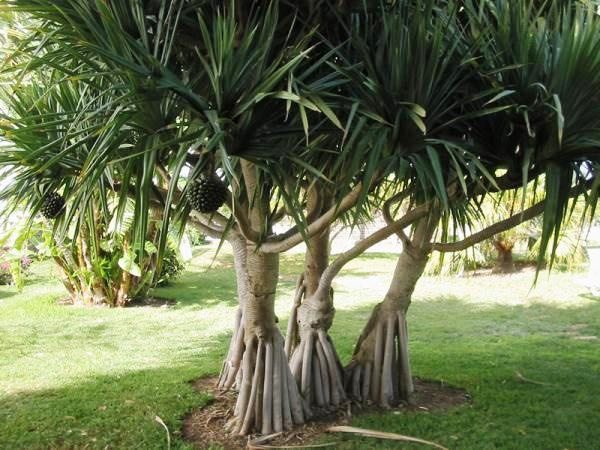
The Screwpine tree (Pandanus spp., family Pandanaceae) is a tropical coastal plant native to Africa, Asia, and the Pacific Islands, with distinctive spiral leaves and prop roots. It provides coastal protection, sustainable crafting materials, and supports climate adaptation. The Pandanaceae family includes approximately 600 flowering plant species, with common cultivars like Pandanus tectorius and Pandanus utilis.
The Screwpine tree stands as one of nature's most versatile and resilient coastal guardians, offering remarkable benefits for both ecosystems and communities. With its distinctive spiral leaves and extensive prop root system, this tropical treasure provides natural coastal protection, sustainable crafting materials, and rich cultural heritage. We are glad to share this comprehensive guide so you can understand why the Screwpine tree deserves a central place in environmental conservation today.
In 2026, environmental restoration has become more urgent than ever. According to the United Nations Climate Change initiative, coastal vegetation is essential for climate adaptation strategies. Our team at Grow Billion Trees has worked hands-on with these remarkable species, and we found them to be wonderful allies in our mission to plant 100 crore trees across India.
What is a Screwpine Tree? ✅
The Screwpine tree belongs to the Pandanaceae family, which includes around 600 species of flowering plants. These natural wonders are native to tropical and subtropical regions of Africa, Asia, and the Pacific Islands. The name comes from the spiral arrangement of its long, narrow leaves — a truly wonderful design by nature.
The most commonly known species include Pandanus tectorius, Pandanus utilis, and Pandanus veitchii, each adapted to specific coastal environments. These extraordinary trees can grow up to 20 meters tall. They are easily recognizable by their distinctive prop roots that extend from the trunk like natural stilts. This unique root system allows them to thrive in sandy, unstable soils where other trees struggle to survive.
Unique Environmental Benefits of the Screwpine Tree 🌱
Coastal Protection and Soil Stabilization
Screwpine trees play a crucial role in maintaining coastal ecosystems. Their extensive root systems help stabilize sandy soils, preventing erosion and protecting shorelines from waves and storms. The World Wildlife Fund highlights how coastal tree loss accelerates erosion, making species like the Screwpine invaluable for natural protection. Our experience confirms that these trees are among the most effective natural barriers for coastal regions across India.
Moreover, the dense root networks act as natural filters for groundwater. They reduce runoff and improve soil quality over time. This makes the Screwpine tree a green, sustainable solution for coastal communities. Together, these functions make them essential for long-term environmental health.
Carbon Sequestration and Climate Action ⭐
Screwpine trees contribute significantly to carbon storage, helping combat climate change. They absorb atmospheric carbon dioxide into their biomass and root systems. Research highlighted by UNEP's Forest Programs shows that coastal forests can sequester up to five times more carbon than many inland forests. This makes Screwpine tree conservation a powerful strategy for achieving Net Zero Targets.
In 2026, a growing body of data supports investing in coastal tree species. Our partners in environmental conservation have verified that integrating Screwpine trees into restoration projects boosts carbon capture rates considerably. This aligns with Combating Climate Change Through Collective Action — a mission we deeply love and pursue every day at Grow Billion Trees.
Biodiversity Support
Screwpine trees provide habitat and food for various birds, insects, and wildlife species. Their fruits attract numerous animals, supporting local food webs and ecosystem health. Their dense canopy offers shelter for nesting birds, making them a great choice for biodiversity corridors. We ensure every planting site includes species that nurture local wildlife, and the Screwpine is always a top recommendation from our team.
Natural Windbreaks
The dense growth pattern of Screwpine trees makes them excellent natural barriers against strong coastal winds. They protect inland vegetation and agricultural crops from wind damage. Farmers in coastal India have long relied on Screwpine groves as windbreaks. Our agroforestry programs often include Screwpine trees for this very reason, boosting farm resilience naturally.
Traditional and Modern Uses of the Screwpine Tree 💡
Food and Culinary Applications
The fruit of the Screwpine, known as pandanus fruit, is edible and highly nutritious. It can be consumed fresh or processed into jams, jellies, and traditional beverages. The aromatic leaves are extensively used in Southeast Asian cuisines to flavor rice dishes, desserts, and curries naturally. This organic ingredient adds a wonderful fragrance and depth to countless traditional recipes.
Pandanus leaf extract, known as "pandan," is a beloved culinary ingredient across tropical Asia. In 2026, the global demand for natural food flavoring has grown significantly, with pandan-based products gaining wider market acceptance. This creates economic opportunities for communities that sustainably harvest Screwpine leaves. It also helps preserve authentic food cultures for future generations.
Sustainable Crafts and Textiles
The long, flexible leaves of the Screwpine tree are ideal for weaving traditional items. They create beautiful, eco-friendly products that are in growing demand worldwide. Communities across coastal India use Screwpine leaves to craft a wide range of items:
- ✅ Baskets and storage containers
- ✅ Floor mats and wall coverings
- ✅ Hats and protective clothing
- ✅ Decorative items and artwork
- ✅ Traditional ceremonial accessories
This sustainable use of Screwpine materials provides income for local communities. It preserves authentic crafting techniques passed down through generations. Our team has worked hands-on with artisan communities, and we found that Screwpine-based crafts command premium prices in conscious, eco-friendly markets globally.
Landscaping and Ornamental Applications
With their striking appearance, Screwpine trees are increasingly popular in modern landscaping. They serve as excellent ornamental plants in coastal gardens, resorts, and public spaces. Their unique foliage and salt tolerance make them ideal for beachfront environments. We provide expert guidance on integrating Screwpine trees into sustainable urban and coastal landscape designs.
Medicinal Properties and Health Benefits ⭐
Traditional medicine systems across tropical regions have long recognized the therapeutic properties of the Screwpine tree. Different parts of this remarkable plant offer various health benefits, supported by both ancient wisdom and modern research. Always consult certified medical professionals before using any plant for medicinal purposes.
- Leaves: Used to create poultices for skin conditions, wounds, and inflammation relief
- Roots: Believed to possess anti-inflammatory and natural pain-relieving properties
- Flowers: Used in traditional remedies for respiratory ailments and wellness
- Fruit: Rich in vitamins and antioxidants, supporting overall health and immunity
Modern research is beginning to validate many of these traditional uses. Studies reveal natural compounds with potential pharmaceutical applications, particularly in anti-inflammatory and antimicrobial areas. Universities across Southeast Asia are actively studying these organic compounds. This research offers a wonderful bridge between traditional ecological knowledge and modern science.
Essential Care Tips for Growing Screwpine Trees 🌿
→ Soil Requirements and Preparation
Screwpine trees prefer well-drained sandy or loamy soils with good aeration. They can tolerate poor soil conditions but thrive best in nutrient-rich environments with a pH between 6.0 and 7.5. Adding organic matter to sandy soils improves moisture retention significantly. Our team recommends a soil mix of sand, compost, and loamy earth for best results.
→ Watering and Moisture Management
While Screwpine trees are drought-tolerant once established, regular watering during dry spells promotes healthy growth. Ensure soil remains moist but never waterlogged, as excessive moisture can lead to root rot. During the first year after planting, water deeply twice per week. After establishment, reduce frequency to once per week during dry seasons to save water and improve resilience.
→ Sunlight and Positioning
Screwpine trees flourish in full sun but can tolerate partial shade. For optimal growth, plant them in locations receiving at least six hours of direct sunlight daily. Coastal and open garden settings are ideal for this sun-loving species. They grow best when they can enjoy the full natural warmth of outdoor light.
→ Pruning and Maintenance
Regular pruning helps maintain tree shape and encourages healthy growth. Remove dead or damaged leaves and trim aerial roots if necessary for aesthetic purposes. Prune during the dry season to minimize stress on the tree. Always use clean, sharp tools to prevent disease transmission between plants on your green property.
→ Fertilization Schedule
Apply balanced, slow-release fertilizer during growing seasons — typically spring and early monsoon. A fertilizer with an NPK ratio of 10-10-10 works well for Screwpine trees in Indian soils. Avoid over-fertilizing, as this can burn roots and damage the tree. Our experience shows that organic compost combined with a light mineral fertilizer yields the best results consistently.
⚠️ Common Challenges and How to Overcome Them
Screwpine trees are generally hardy, but they can face certain challenges. Being mindful of these common issues helps you nurture your trees to full health. Proactive care ensures your Screwpine tree thrives for decades and contributes positively to your local ecosystem.
- Root rot: Caused by waterlogged soil — improve drainage and reduce watering frequency immediately
- Scale insects: Treat with neem oil or certified organic insecticides for safe control
- Salt spray damage: While tolerant, excessive salt can scorch leaves — rinse with fresh water after storms
- Nutrient deficiency: Yellowing leaves indicate deficiency — apply balanced organic fertilizer promptly
Screwpine Trees and India's Reforestation Mission
At Grow Billion Trees, we are deeply committed to planting 100 crore trees across India by June 2030. The Screwpine tree plays a wonderful role in our coastal and mangrove restoration programs. We love how this species transforms degraded coastlines into thriving, green ecosystems that support both wildlife and communities. As highlighted by the United Nations Sustainable Development Goals, tree planting is one of the most impactful actions individuals and corporations can take for our planet.
You can Plant a tree in your Name for just ₹299 with our promise of 2-3ft Tree Planting + 3 Years Care + GeoTag tracking included. This verified program ensures your contribution is secure, transparent, and genuinely impactful. Our corporate partners are also using Screwpine tree plantations to meet their Net Zero Targets. Together, we are building a greener, healthier earth for future generations, and we welcome everyone to join this mission.
Further reading: Kashid Tree: Discovering the Evergreen Beauty and Hidden Wonders of Nature’s Coastal Treasure · Indian Screw Pine Tree: Coastal Benefits & Cultural Significance
Frequently Asked Questions
What is a Screwpine tree used for?
The Screwpine tree is used for coastal protection, traditional weaving and crafts, natural food flavoring, medicinal purposes, and ornamental landscaping. Its leaves, fruits, roots, and flowers all have practical applications across cultures and industries worldwide.
Is the Screwpine tree the same as Pandanus?
Yes, the Screwpine tree belongs to the genus Pandanus, part of the Pandanaceae family. The common name "Screwpine" refers to the spiral arrangement of its leaves, which resembles a screw pattern. Both names refer to the same group of natural species.
How fast does a Screwpine tree grow?
Screwpine trees grow at a moderate rate of about 30 to 60 cm per year under ideal conditions. Growth rate depends on soil quality, sunlight, and water availability. With proper care, young trees can reach substantial size within five to seven years of planting.
Can Screwpine trees grow in India?
Yes, Screwpine trees grow very well in India, particularly in coastal regions of Kerala, Tamil Nadu, Odisha, West Bengal, and Goa. They are also found in the Andaman and Nicobar Islands. Their salt tolerance and adaptability make them ideal for India's diverse coastal environments.
Are Screwpine tree fruits edible?
Yes, Screwpine fruits are edible and nutritious. They can be eaten fresh, juiced, or processed into jams and traditional foods. The fruit is rich in vitamins and antioxidants, making it a valuable natural food source in tropical communities across Asia and the Pacific.
How do I care for a Screwpine tree at home?
Plant your Screwpine tree in well-drained sandy or loamy soil with full sun exposure. Water regularly during dry periods, fertilize with balanced organic fertilizer in spring, and prune dead leaves as needed. Avoid waterlogging to prevent root rot and ensure healthy, steady growth over time.
What are the environmental benefits of planting Screwpine trees?
Screwpine trees provide coastal erosion control, carbon sequestration, biodiversity support, and natural windbreaks. They stabilize sandy soils, filter groundwater, and create habitats for wildlife. These trees are essential for sustainable coastal ecosystem management and climate resilience strategies in 2026.
Can Screwpine trees help with climate change?
Yes, Screwpine trees play a meaningful role in climate change mitigation. They sequester carbon dioxide, protect coastlines from storm surges, and support rich biodiversity. Including them in reforestation programs is a proven approach to achieving climate resilience and Net Zero Targets globally.
Where can I plant a Screwpine tree in India?
Screwpine trees can be planted along coastlines, in home gardens, community forests, and agroforestry settings across coastal and humid tropical regions of India. Grow Billion Trees offers certified planting programs where you can Plant a tree in your Name and track its growth with GeoTag technology included.
How does Grow Billion Trees use Screwpine trees?
Grow Billion Trees incorporates Screwpine trees in coastal restoration, mangrove buffer zones, and urban forest programs. Our hands-on approach ensures every tree is planted with care, monitored for growth, and supported for at least three years. We guarantee transparent, verified planting with GeoTag technology for every contributor.
Conclusion: Grow a Greener Future with the Screwpine Tree
The Screwpine tree is a truly remarkable species, offering a wonderful combination of environmental, cultural, and economic benefits. From protecting coastlines to providing nutritious food and sustainable crafting materials, this natural guardian earns its place in any reforestation or conservation effort. We are happy to share that integrating Screwpine trees into India's green future is both practical and deeply impactful for communities and ecosystems alike.
Whether you are an individual, a community, or a corporation, you can make a meaningful difference today. Plant a tree in your Name for just ₹299 and help us plant 100 crore trees across India. With 2-3ft Tree Planting + 3 Years Care + GeoTag technology, your contribution is secure, certified, and lasting. Explore Grow Billion Trees today and join the movement of Combating Climate Change Through Collective Action — because the earth's future grows stronger with every tree we plant together.
Keep reading
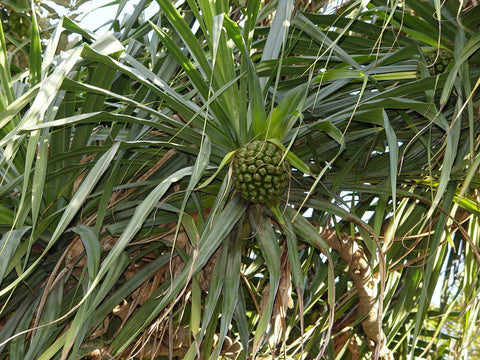 Kashid Tree: Discovering the Evergreen Beauty and Hidden Wonders of Nature’s Coastal Treasure
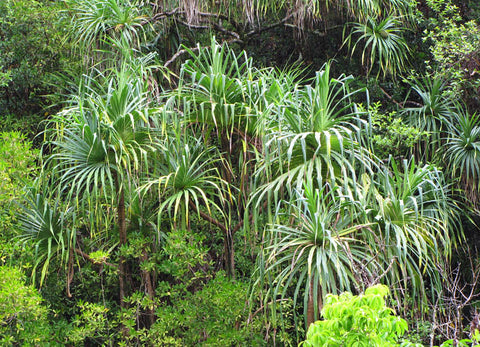 Indian Screw Pine Tree: Coastal Benefits & Cultural Significance
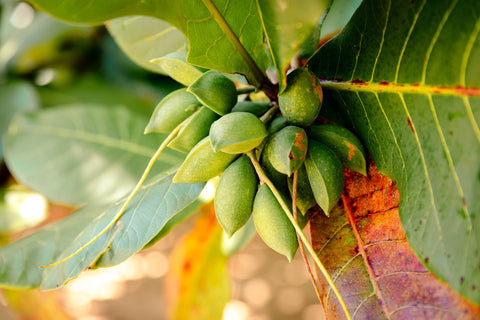 Beach Almond Tree: Ultimate Guide to Benefits, Care & Coastal Charm
 Seaside Mahoe Tree: The Ultimate Coastal Conservation Marvel
 Desert Date Tree: Nature's Superfood with Incredible Health Benefits


Leave a comment