Among the stunning treasures of tropical landscapes stands the magnificent Pink Poui tree, celebrated for its breathtaking blooms and ecological significance. Embarking on a journey through the vibrant environments where the Pink Poui tree thrives, we uncover the rich tapestry of its cultural importance, ecological contributions, and aesthetic value.
Botanical Marvel: The Pink Poui tree, scientifically named Tabebuia rosea, graces gardens and streets with its tall stature, beautiful pink flowers, and broad canopy. With its ability to thrive in a variety of soils and withstand drought, the Pink Poui tree epitomizes resilience and beauty in diverse climates.
Cultural Symbolism: Deeply ingrained in the cultures of tropical regions, the Pink Poui tree holds symbolic significance as a herald of change and beauty. Revered for its stunning blossoms, it features prominently in festivals and celebrations, serving as a reminder of nature's vibrancy and resilience.
Ecological Keystone: Beyond its cultural symbolism, the Pink Poui tree plays a vital role as an ecological keystone species in urban and natural ecosystems. Its extensive root system helps stabilize soils, prevent erosion, and improve biodiversity. Moreover, the tree provides habitat for various species of birds, insects, and small mammals.
Versatile Uses: The Pink Poui tree is renowned for its versatility, with various parts of the tree having practical applications. The wood is valued for its durability and is used in construction and carpentry. Additionally, its flowers attract pollinators, contributing to local ecosystems.
Economic Importance: The Pink Poui tree contributes to local economies by enhancing property values and attracting tourism in areas known for their beautiful landscapes. Its timber and ornamental value also provide income opportunities for communities.
Traditional Knowledge: Indigenous communities have cultivated relationships with the Pink Poui tree, sharing knowledge about its uses and significance. From crafting techniques to cultural practices, the wisdom of these communities underscores the importance of preserving traditional ecological knowledge.
Environmental Sustainability: Embracing environmentally sustainable practices is essential for the long-term viability of Pink Poui cultivation. Urban greening initiatives that include Pink Poui trees promote biodiversity, improve air quality, and enhance urban resilience.
Challenges and Opportunities: Despite its resilience, the Pink Poui tree faces challenges such as urban development and climate change. However, these challenges also present opportunities for innovative conservation strategies and urban planning that incorporate green spaces.
Community Empowerment: Empowering communities to cultivate and care for Pink Poui trees is vital for fostering sustainable urban environments. By providing access to education, resources, and community engagement, residents can enhance their neighborhoods and promote environmental stewardship.
Climate Resilience: The Pink Poui tree's adaptability to tropical climates makes it a valuable asset in climate change mitigation efforts. Urban landscaping projects that incorporate Pink Poui trees can help reduce heat islands, enhance carbon sequestration, and improve overall urban biodiversity.
Consumer Awareness: Educating the public about the ecological and aesthetic benefits of the Pink Poui tree is key to promoting its preservation and cultivation. Awareness campaigns can encourage communities to value and protect this beautiful tree.
Global Collaboration: Addressing the challenges facing the Pink Poui tree requires collaboration at local, national, and global levels. Partnerships among governments, NGOs, and communities can drive initiatives that promote sustainable practices and conservation efforts.
Conclusion: In conclusion, the Pink Poui tree stands as a symbol of beauty, resilience, and ecological importance in tropical landscapes. From its cultural significance and aesthetic value to its contributions to biodiversity and community empowerment, the Pink Poui tree embodies the harmonious relationship between nature and humanity. By embracing sustainable practices, empowering communities, and fostering global collaboration, we can ensure the continued prosperity of the Pink Poui tree while enhancing our environments for future generations.


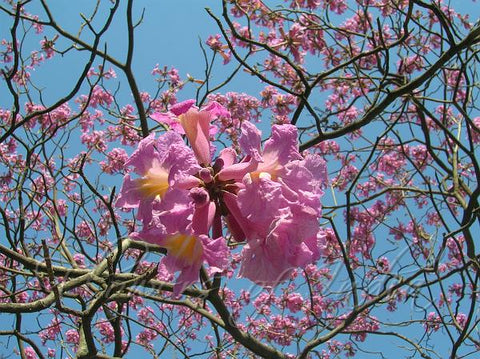 Pink Trumpet Tree: The Stunning Showstopper of Spring Blooms You Need to Know About!
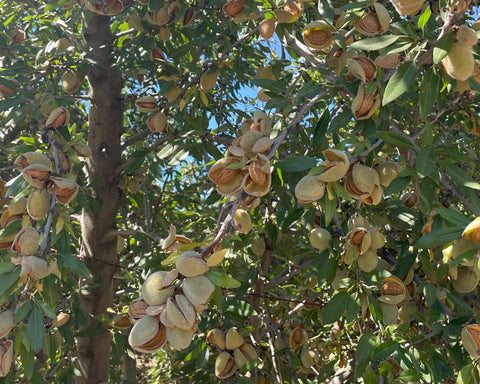 Badam Tree: Cultivating Health, Culture, and Community
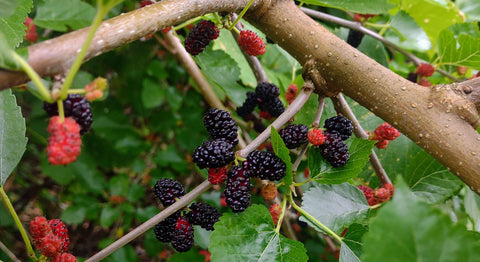 The Shahtoot Tree: A Treasure of Nature's Bounty
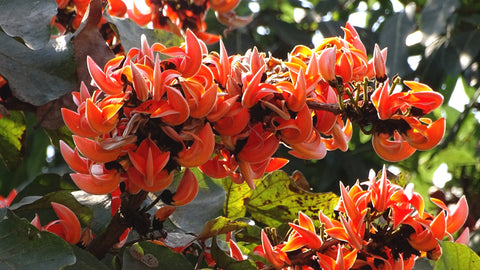 Palash Tree: A Blossoming Tapestry of Ecological Elegance
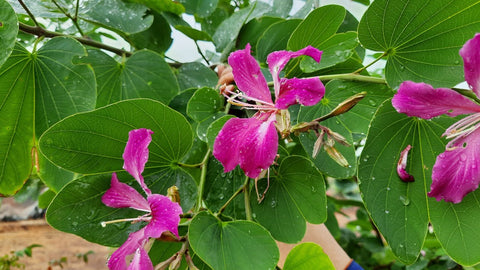 The Kanchan Tree: A Beacon of Beauty and Ecological Balance


Comments
Leave a comment