
Weeping Ash Tree: Complete Care Guide for Garden Enthusiasts
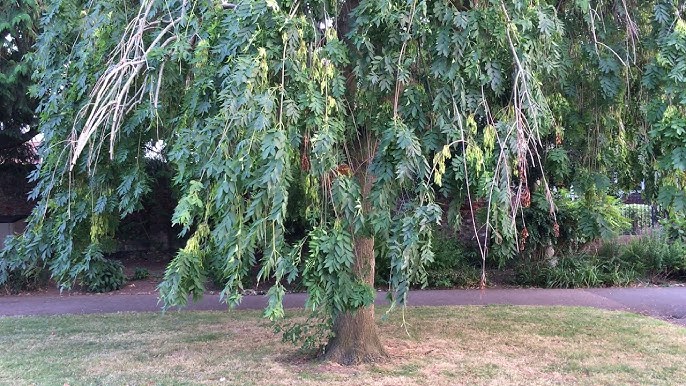
The Weeping Ash Tree (Fraxinus excelsior 'Pendula') is a graceful deciduous species native to Europe and Western Asia, with pendulous branches cascading downward to form an elegant silhouette. Growing up to 40 feet tall with a 25-foot spread, it displays dark green lance-shaped leaves turning vibrant yellow in autumn. The tree produces small flowers followed by winged seeds called samaras.
The Weeping Ash Tree (Fraxinus excelsior 'Pendula') stands as one of nature's most graceful specimens, offering gardeners a stunning focal point with its distinctive drooping branches and lush canopy. This captivating deciduous tree transforms any landscape with its cascading form, reaching up to 40 feet tall while creating a serene atmosphere that softens hard garden edges.
At Grow Billion Trees, we understand the profound impact that planting trees like the Weeping Ash can have on our environment. Through our mission to Plant a tree in your Name and achieve our goal of 100 crore trees, we're Combating Climate Change Through Collective Action while helping gardeners discover the beauty of exceptional species like this remarkable ash variety.
✅ The Distinctive Beauty of Weeping Ash Trees
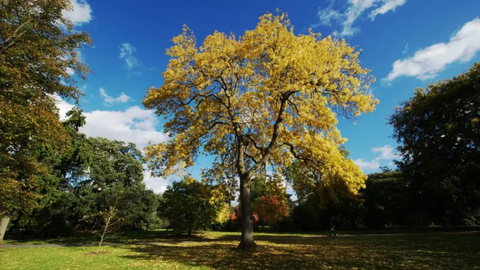
Native to Europe and Western Asia, the Weeping Ash Tree captivates with its unique weeping form that creates a natural umbrella of green. Its slender, pendulous branches cascade gracefully downward, forming an elegant silhouette that can span up to 25 feet wide. The tree's dark green, lance-shaped leaves grow up to 12 inches long, transforming into vibrant yellow displays each autumn.
The Weeping Ash produces small, inconspicuous flowers in spring, followed by distinctive winged seeds called samaras that dance on the wind. This natural seed dispersal mechanism has helped ash trees colonize diverse habitats across continents, contributing significantly to forest ecosystems worldwide.
🌿 Historical Significance and Cultural Impact
Throughout history, ash trees have held sacred significance across cultures. Norse mythology revered Yggdrasil, the World Tree, believed to connect heavens, earth, and underworld. The Weeping Ash, with its graceful mourning form, became associated with remembrance and contemplation in many European traditions.
Ancient craftsmen prized ash wood for its remarkable strength and flexibility, creating everything from tools and weapons to furniture and sports equipment. While the Weeping Ash is primarily valued for ornamental purposes today, this heritage speaks to the ash family's enduring relationship with human civilization.
🌍 Environmental Benefits and Ecosystem Impact
The Weeping Ash Tree plays a crucial role in environmental restoration efforts. According to the United Nations Environment Programme's forest conservation initiatives, trees like the Weeping Ash contribute significantly to carbon sequestration and air purification processes.
During summer months, its dense canopy provides essential shade, reducing urban heat islands and lowering energy costs for cooling. The tree acts as a natural air filter, absorbing carbon dioxide while releasing life-sustaining oxygen. This aligns perfectly with UN climate change action goals for reducing atmospheric carbon levels.
Wildlife benefits tremendously from Weeping Ash trees. Spring flowers attract essential pollinators like bees, while seeds provide food sources for birds and small mammals. By incorporating these trees into landscapes, gardeners actively support biodiversity and create thriving ecosystems.
🌱 Complete Care Guide for Weeping Ash Trees
Location and Soil Requirements
Weeping Ash trees thrive in locations receiving at least six hours of daily sunlight. They adapt to various soil types including clay, loam, and sandy conditions, but perform best in moist, fertile, well-drained environments. Choose planting sites with adequate space for the tree's mature 25-foot spread.
Watering Strategies
Establish strong root systems by providing regular, deep watering during the first few years. Water thoroughly but infrequently, allowing soil to dry between sessions. Once established, Weeping Ash trees demonstrate impressive drought tolerance, though they benefit from supplemental watering during extended dry periods.
Fertilization Schedule
Apply balanced fertilizer in early spring before new growth emerges. This timing supports vigorous development and vibrant foliage throughout the growing season. Follow manufacturer guidelines for application rates, typically adjusting based on tree size and soil conditions.
Pruning Techniques
Maintain your Weeping Ash's distinctive shape through strategic pruning during dormant seasons, preferably late winter or early spring. Remove dead, damaged, or crossing branches to enhance air circulation and reduce disease risk. Preserve the natural weeping form while ensuring structural integrity.
⚠️ Pest and Disease Management
While generally resilient, Weeping Ash trees can face challenges from ash borers and fungal infections. Regular inspections help identify issues early. Consult certified arborists for treatment recommendations, especially given recent concerns about Emerald Ash Borer infestations affecting ash species across various regions.
💡 Professional Planting Services
At Grow Billion Trees, we offer comprehensive tree planting services including 2-3ft Tree Planting + 3 Years Care + GeoTag technology for just ₹299. Our expert team ensures proper planting techniques, ongoing care, and digital tracking so you can monitor your tree's growth progress. This service supports both individual gardeners and corporations working toward Net Zero Targets.
Our specialized programs include Miyawaki forest creation, agroforestry initiatives, and urban forestry projects that can incorporate Weeping Ash trees alongside native species for maximum ecological impact.
⭐ Fascinating Facts About Weeping Ash Trees
- Can live over 100 years, making them generational landscape investments
- Popular choice for parks and public gardens due to ornamental value
- Symbolizes protection and strength in various cultural traditions
- Adaptable for bonsai cultivation, showcasing remarkable versatility
- Provides year-round visual interest through seasonal changes
- Supports local wildlife populations through habitat creation
🌳 Supporting Global Reforestation Efforts
The World Wildlife Fund's forest conservation programs emphasize the critical importance of diverse tree species in maintaining healthy ecosystems. Weeping Ash trees contribute to these efforts by providing habitat diversity and supporting pollinator populations essential for forest regeneration.
Through our partnership network and commitment to planting 100 crore trees by 2030, Grow Billion Trees integrates species like the Weeping Ash into broader reforestation strategies that address climate change while creating beautiful, functional landscapes.
Further reading: Weeping Elm Tree: Complete Care Guide & Garden Beauty Tips · Green Ash Tree: Ultimate Guide to Benefits, Care & Landscape
Frequently Asked Questions
How fast do Weeping Ash trees grow?
Weeping Ash trees typically grow 1-2 feet per year under optimal conditions, reaching maturity in 15-20 years. Growth rates depend on soil quality, watering consistency, and sunlight exposure.
Are Weeping Ash trees suitable for small gardens?
While beautiful, Weeping Ash trees require significant space due to their 25-foot spread. Consider dwarf varieties or alternative weeping trees for smaller gardens to avoid overcrowding.
When is the best time to plant a Weeping Ash tree?
Plant Weeping Ash trees during spring or fall when temperatures are moderate. This timing allows root establishment before extreme weather conditions stress the young tree.
Do Weeping Ash trees attract wildlife?
Yes, these trees support various wildlife species. Spring flowers attract pollinators, while seeds provide food for birds. The dense canopy offers nesting sites and shelter for small animals.
How do I protect my Weeping Ash from Emerald Ash Borer?
Monitor for signs of infestation including D-shaped exit holes and canopy dieback. Consult certified arborists about preventive treatments and removal if infestation occurs to protect surrounding trees.
Can Weeping Ash trees tolerate urban pollution?
Weeping Ash trees demonstrate moderate tolerance to urban conditions but may struggle in heavily polluted environments. Provide adequate care and consider air quality when selecting planting locations.
What companion plants work well with Weeping Ash trees?
Shade-tolerant perennials like hostas, ferns, and astilbe thrive beneath Weeping Ash canopies. Spring bulbs add early season color before the tree leafs out fully.
How much maintenance do Weeping Ash trees require?
Once established, Weeping Ash trees require minimal maintenance beyond annual pruning, occasional fertilization, and monitoring for pest issues. Regular watering may be needed during drought conditions. The Weeping Ash Tree represents more than just ornamental beauty—it embodies our connection to nature and commitment to environmental stewardship. By choosing to plant and care for these magnificent trees, gardeners contribute to global reforestation efforts while creating lasting beauty for future generations. Discover how you can plant your own tree and join our mission to combat climate change through collective action.
Keep reading
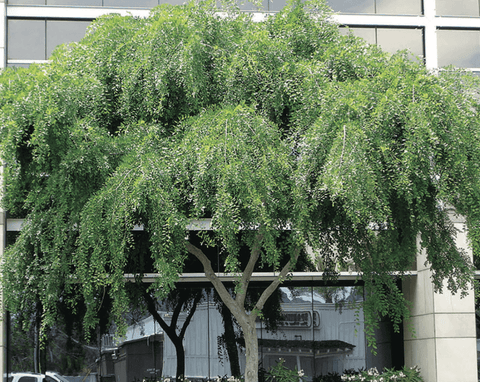 Weeping Elm Tree: Complete Care Guide & Garden Beauty Tips
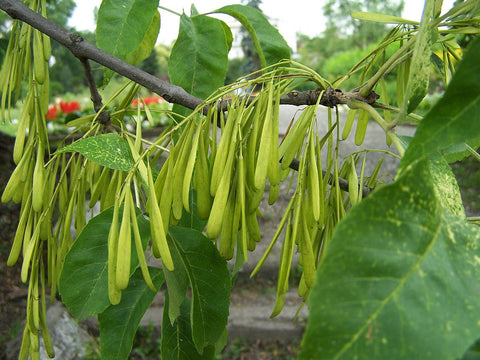 Green Ash Tree: Ultimate Guide to Benefits, Care & Landscape
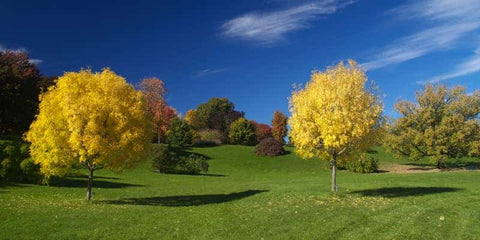 Golden Ash Tree: Nature's Majestic Beauty and Environmental Benefits
 Weeping Willow Tree: The Enchanting Symbol of Grace and Resilience in Your Garden
 European Ash Tree: Nature's Majestic Wonder & Conservation Guide


Comments
Leave a comment