
White Cheesewood Tree: Discover the Hidden Benefits and Unique Features of This Remarkable Plant

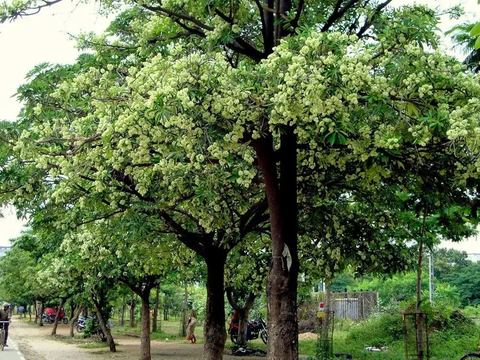
The White Cheesewood tree (Alstonia scholaris) is a tropical evergreen native to Southeast Asia and Africa, growing up to 40 metres tall. Its dark green leaves are arranged in whorls of 5 to 7. Fragrant white flowers attract pollinators such as bees and butterflies, while the tree's straight trunk and dense canopy provide shade and wildlife habitat for various species.
The White Cheesewood tree, scientifically known as Alstonia scholaris, is a remarkable plant that has captured the attention of botanists, environmentalists, and nature enthusiasts alike.
Native to tropical regions, particularly in Southeast Asia and parts of Africa, this tree boasts unique features and offers numerous benefits that are often overlooked.
In this blog, we will explore the hidden benefits, distinctive characteristics, and historical significance of the White Cheesewood tree, while also shedding light on its environmental impact and the efforts of organizations like Grow Billion Trees Partners in promoting sustainable forestry practices.
Unique Features of the White Cheesewood Tree
The White Cheesewood tree is an evergreen that can grow up to 40 meters tall, making it one of the tallest trees in its native habitats. Its straight trunk, which can reach a diameter of 1 meter, is typically covered with smooth, greyish-brown bark.
The tree's leaves are glossy and dark green, arranged in whorls of 5 to 7, providing a lush canopy that offers shade and habitat for various wildlife.
One of the most striking features of the White Cheesewood tree is its flowers. These small, fragrant, white to cream-colored blooms appear in clusters and are known for attracting pollinators such as bees and butterflies.
The tree produces elongated, slender pods containing numerous seeds, which are dispersed by the wind, allowing for natural propagation.
Historical Significance
The White Cheesewood tree has a rich history intertwined with the cultures of the regions where it grows. In traditional medicine, various parts of the tree have been used to treat ailments ranging from fevers to digestive issues.
The bark, in particular, has been utilized for its medicinal properties, as it contains alkaloids that are believed to have anti-inflammatory and analgesic effects.
In addition to its medicinal uses, the wood from the White Cheesewood tree is highly valued for its durability and resistance to decay. It is often used in the construction of furniture, flooring, and even canoes.
The tree's strong, lightweight wood makes it an excellent choice for various crafts and building projects, contributing to the local economies in regions where it is harvested sustainably.
Environmental Impact
The White Cheesewood tree plays a crucial role in its ecosystem. As a large canopy tree, it provides habitat and food for numerous species, including birds, insects, and mammals. Its dense foliage contributes to the overall biodiversity of the area, fostering a healthy environment for various flora and fauna.
Moreover, the White Cheesewood tree is known for its ability to sequester carbon dioxide, making it an essential player in combating climate change. Through the process of photosynthesis, the tree absorbs CO2 from the atmosphere and stores it in its biomass, helping to reduce greenhouse gas levels.
This characteristic is particularly important in the context of global warming, as forests are vital in mitigating climate change effects.
Additionally, the tree's extensive root system helps prevent soil erosion, stabilizing the ground and promoting healthy soil composition.
This is especially important in regions prone to heavy rainfall, where soil erosion can lead to significant environmental degradation. By planting White Cheesewood trees, communities can enhance their resilience to climate-related challenges.
Hidden Benefits of the White Cheesewood Tree
Beyond its ecological importance, the White Cheesewood tree offers several hidden benefits that can positively impact local communities and economies:
- Medicinal Properties: The bark and leaves of the White Cheesewood tree have been used in traditional medicine for centuries. Studies have shown that extracts from the tree possess antimicrobial, anti-inflammatory, and analgesic properties, making them valuable in herbal remedies.
- Timber Production: The wood from the White Cheesewood tree is lightweight, strong, and resistant to decay, making it ideal for furniture, construction, and crafts. Sustainable harvesting practices can provide livelihoods for local communities while preserving the tree population.
- Shade and Aesthetic Value: The tree's dense foliage provides shade, making it an excellent choice for urban landscaping and parks. Its attractive appearance enhances the beauty of public spaces, contributing to the overall quality of life in urban areas.
- Soil Improvement: The fallen leaves of the White Cheesewood tree decompose and enrich the soil with organic matter, improving soil fertility and promoting healthy plant growth.
Grow Billion Trees Partners: Promoting Sustainable Forestry
Organizations like Grow Billion Trees Partners play a vital role in promoting sustainable forestry practices, particularly in regions where the White Cheesewood tree thrives. Their mission is to combat deforestation and promote reforestation efforts by engaging local communities, providing education, and implementing sustainable land management practices.
Grow Billion Trees Partners executes its projects through a multi-faceted approach:
- Community Engagement: By involving local communities in reforestation efforts, Grow Billion Trees Partners ensures that the benefits of tree planting are shared among those who depend on the land for their livelihoods. This includes providing training on sustainable harvesting practices and the importance of biodiversity.
- Education and Awareness: The organization conducts workshops and seminars to raise awareness about the importance of trees, including the White Cheesewood tree, in combating climate change and promoting environmental sustainability.
- Partnerships: Collaborating with local governments, NGOs, and businesses, Grow Billion Trees Partners leverages resources and expertise to maximize the impact of their projects. These partnerships facilitate knowledge sharing and enhance the effectiveness of reforestation initiatives.
- Monitoring and Evaluation: To ensure the success of their projects, Grow Billion Trees Partners implements monitoring and evaluation systems to track the growth and health of newly planted trees. This data is crucial for assessing the long-term impact of reforestation efforts.
The impact of Grow Billion Trees Partners extends beyond just planting trees; it fosters a culture of environmental stewardship and sustainability within communities.
By promoting the White Cheesewood tree and other native species, the organization contributes to the preservation of local ecosystems while providing economic opportunities for residents.
Fun Facts About the White Cheesewood Tree
Here are some fun and interesting facts about the White Cheesewood tree that you might not know:
- The name "Cheesewood" comes from the tree's soft, lightweight wood, which has a texture similar to cheese when freshly cut.
- The White Cheesewood tree is often referred to as the "Scholar Tree" due to its historical use in traditional medicine and its association with educational institutions in some cultures.
- Due to its height and dense canopy, the White Cheesewood tree is a favorite nesting site for various bird species, making it an essential part of the avian ecosystem.
- The tree's flowers are known to have a sweet fragrance that attracts not only pollinators but also humans, making it a popular choice for ornamental planting in gardens.
Conclusion
The White Cheesewood tree is more than just a beautiful and towering plant; it is a vital component of its ecosystem, offering numerous benefits to local communities and the environment. From its medicinal properties to its role in carbon sequestration and soil stabilization, the White Cheesewood tree exemplifies the importance of preserving our natural resources.
Organizations like Grow Billion Trees Partners are crucial in promoting sustainable forestry practices and ensuring that the benefits of trees, including the White Cheesewood, are recognized and valued. By engaging local communities and fostering a culture of environmental stewardship, these initiatives contribute to a healthier planet for future generations.
As we continue to face the challenges of climate change and environmental degradation, let us not overlook the hidden benefits and unique features of remarkable plants like the White Cheesewood tree. By understanding and appreciating these trees, we can take meaningful steps toward a more sustainable and harmonious relationship with nature.
Further reading: Satwin Tree: Unlocking the Mystical Secrets of Nature’s Medicinal Gem and Sustainable Wonder · Dita Tree: Unlocking Nature's Hidden Gem for Health & Sustainability
Frequently Asked Questions
What is the White Cheesewood tree?
A tall, evergreen marvel, the White Cheesewood tree, or Alstonia scholaris, stands proud at up to 40 meters, flaunting its smooth, greyish-brown bark and glossy leaves. Native to tropical regions, it’s the go-to tree for shade, wildlife habitat, and a touch of elegance in any landscape.
What are the unique features of the White Cheesewood tree?
This tree is a showstopper with its straight trunk, glossy leaves in whorls, and fragrant clusters of white to cream flowers that charm pollinators. Its slender pods release seeds into the wind, ensuring it keeps the party going, all while providing a lush canopy for local wildlife.
How is the White Cheesewood tree used in traditional medicine?
The White Cheesewood tree has a rich medicinal history, with its bark and leaves used for centuries to tackle ailments like fevers and digestive issues. Packed with alkaloids, it’s nature’s answer to anti-inflammatory and analgesic needs, proving that sometimes the best remedies come from the great outdoors.
What is the environmental impact of the White Cheesewood tree?
This eco-champion plays a crucial role by providing habitat and food for diverse species while sequestering carbon dioxide like a pro. Its extensive root system prevents soil erosion, making it a guardian of the ground, especially in rain-prone regions. Talk about a tree that truly cares!
What are the hidden benefits of the White Cheesewood tree?
Beyond its ecological contributions, this tree offers hidden treasures like medicinal properties, durable timber for crafts and construction, and a stunning aesthetic for urban landscapes. Plus, its fallen leaves enrich the soil, creating a win-win for local communities and the environment.
How does Grow Billion Trees Partners contribute to sustainable forestry?
Grow Billion Trees Partners is on a mission to combat deforestation and promote reforestation, engaging local communities and educating them on sustainable practices. Their collaborative approach ensures that tree-planting benefits everyone, fostering a culture of environmental stewardship and a greener future for all.
What is the significance of the White Cheesewood tree in local economies?
The White Cheesewood tree isn’t just a pretty face; its durable wood is a prized asset for furniture and crafts, providing livelihoods for local communities. Sustainable harvesting practices ensure that both the tree population and local economies thrive, proving that nature and commerce can coexist beautifully.
What makes the White Cheesewood tree a favorite among birds?
With its impressive height and dense canopy, the White Cheesewood tree is a coveted nesting site for various bird species. It’s like a luxury condo in the avian world, providing shelter and food, making it an essential part of the ecosystem that keeps our feathered friends happy.
How does the White Cheesewood tree contribute to soil health?
The fallen leaves of the White Cheesewood tree are nature’s little composters, enriching the soil with organic matter. This not only improves soil fertility but also promotes healthy plant growth, making the surrounding environment a thriving hub of biodiversity and plant life.
What are some fun facts about the White Cheesewood tree?
Did you know the name "Cheesewood" comes from its soft, cheese-like texture when freshly cut? It’s also known as the "Scholar Tree" due to its medicinal uses and ties to education. Plus, its sweet-smelling flowers attract both pollinators and admirers, making it a popular choice for gardens.
Why should we appreciate the White Cheesewood tree?
The White Cheesewood tree is a stunning example of nature’s brilliance, offering countless benefits—from medicinal properties to carbon sequestration and soil stabilization. By recognizing its value, we can take meaningful steps toward sustainability and foster a harmonious relationship with our environment for generations to come.
Keep reading
 Satwin Tree: Unlocking the Mystical Secrets of Nature’s Medicinal Gem and Sustainable Wonder
 Dita Tree: Unlocking Nature's Hidden Gem for Health & Sustainability
 Indian Devil Tree: Mystical Secrets & Folklore of Nature's Wonder
 The Chatim Tree: A Symbol of Resilience
 Indian Corkwood Tree: Unveiling the Mysteries and Benefits of Nature's Hidden Gem


Comments
Leave a comment