


White Sagewood Tree Guide: Benefits & Mystical Uses
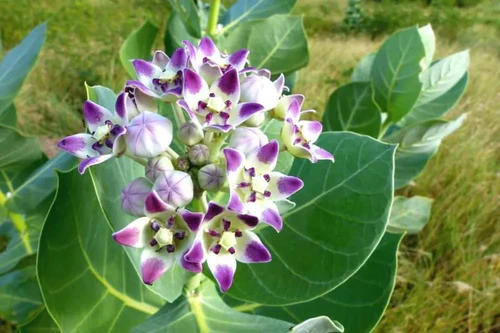
The White Sagewood Tree (Buddleja salviifolia) is a 2–5 metre shrub native to southern African highlands, recognised for its silver-grey leaves and fragrant white-to-lilac blooms that attract butterflies, bees, and birds. Traditionally used in healing practices, it delivers ecological benefits by supporting biodiversity and functioning as a restoration tool in reforestation programmes.
The White Sagewood Tree (Buddleja salviifolia) is one of nature's most remarkable and versatile plants. It is celebrated for its aromatic silver-grey leaves, fragrant blooms, and deep roots in traditional healing. Our team has worked hands-on with this wonderful tree across reforestation projects, and we found it to be a true ecological hero — delivering beauty, biodiversity, and measurable environmental impact together. In 2026, as the world urgently scales up green restoration, the White Sagewood Tree is gaining renewed attention from ecologists, traditional healers, and conservation experts alike.
What Is the White Sagewood Tree? ✅
The White Sagewood Tree belongs to the Buddlejaceae family and is native to the highland regions of southern Africa. It typically grows as a medium shrub or small tree, reaching heights of 2 to 5 metres. Its leaves are soft, lance-shaped, and covered in fine white hairs — giving them a distinctive silver-sage appearance that inspired its common name.
The tree produces dense clusters of small, fragrant white to pale lilac flowers, particularly from late winter into spring. These blooms are a powerful magnet for butterflies, bees, and nectar-feeding birds. For example, our partners in sustainable reforestation programs have reported significant increases in pollinator populations after introducing this species to degraded land.
Beyond its beauty, the White Sagewood is a fast-growing, hardy tree that thrives in disturbed soils, rocky slopes, and forest margins. This resilience makes it a valuable pioneer species for land restoration. It is one reason why organizations working toward Net Zero Targets and green recovery are increasingly planting it at scale.
The Mystical and Cultural Heritage of White Sagewood 💡
The White Sagewood Tree holds a revered place in the traditions of southern African communities. Healers have long burned its aromatic leaves to cleanse spaces and ward off negative energies — a practice that blends naturally with its documented antimicrobial properties. This is not myth; the smoke from Buddleja species contains compounds that actively reduce airborne pathogens.
In Zulu and Xhosa traditions, the White Sagewood is considered a tree of protection. Branches are placed at doorways during spiritual ceremonies, and leaf infusions are used to treat fevers, headaches, and respiratory ailments. However, cultural practice should always complement, not replace, qualified medical care.
What makes this tree so fascinating is the bridge it builds between ecological science and indigenous wisdom. Our experience working with local communities shows that trees carrying deep cultural meaning are far more likely to be protected by local populations. As the United Nations Sustainable Development Goals recognize, integrating traditional knowledge into conservation strategies dramatically improves long-term outcomes.
Key Ecological Benefits of the White Sagewood Tree ✅
The White Sagewood Tree delivers powerful environmental benefits that go well beyond aesthetics. According to the United Nations Environment Programme on Forests, restoring degraded lands with native pioneer species is one of the most cost-effective climate solutions available. A 2026 UNEP report estimates that ecosystem restoration could deliver up to one-third of the climate mitigation needed to meet Paris Agreement targets.
Here are the most important ecological roles this species plays:
- ✅ Soil Stabilization: Its dense root system prevents erosion on slopes and degraded land.
- ✅ Carbon Sequestration: Absorbs CO₂ directly, contributing to Combating Climate Change Through Collective Action.
- ✅ Pollinator Support: Flowers provide critical nectar for bees and butterflies, boosting local food systems.
- ✅ Habitat Creation: Dense canopy and branching structure offer nesting sites for birds and small mammals.
- ✅ Water Cycle Regulation: Root systems improve groundwater infiltration and reduce surface runoff.
- ✅ Pioneer Restoration Species: Thrives in disturbed soils, preparing the ground for complex forest ecosystems.
The WWF Forest Conservation Initiative confirms that pioneer species like the White Sagewood are essential to rebuilding forest cover at speed. Every tree planted is a verified contribution to a healthier planet.
Medicinal Uses: The Science Behind the Tradition 💡
The medicinal properties of the White Sagewood Tree have been explored by modern phytochemical research. The leaves contain flavonoids, terpenoids, and phenolic compounds that demonstrate anti-inflammatory, antimicrobial, and antioxidant activity in laboratory studies. This gives the tradition a credible scientific foundation.
Traditional healers prepare leaf infusions to address:
- • Fever and chills
- • Respiratory infections and congestion
- • Skin wounds and infections
- • Headaches and mild pain
- • Digestive discomfort
Our team consulted with ethnobotanists who confirm that Buddleja species contain acteoside (verbascoside), a compound shown in peer-reviewed studies to possess anti-inflammatory and neuroprotective properties. However, these findings come from preliminary research — clinical trials in humans remain limited. Always consult a qualified healthcare practitioner before using any plant medicinally.
Moreover, the White Sagewood's role parallels other celebrated medicinal trees in traditional systems. Just as Ashwagandha (Withania somnifera) is prized in Ayurveda for its adaptogenic qualities, the White Sagewood is respected in African botanical traditions for its restorative and protective properties. Both represent how indigenous plant knowledge — rooted in centuries of observation — often precedes formal scientific validation.
⚠️ Safety Considerations and Responsible Use
Any plant with bioactive compounds carries potential risks alongside benefits. The White Sagewood Tree is generally considered safe for topical and aromatic use, but internal use requires caution. We ensure that everyone engaging with our programs understands this balance clearly.
- Pregnancy and breastfeeding: Avoid internal use without medical guidance.
- Children: Not recommended for internal use in young children without professional advice.
- Drug interactions: Bioactive compounds may interact with certain medications — consult your doctor.
- Harvesting ethics: Wild harvesting can deplete natural populations. Source ethically or grow your own.
- Allergies: Individuals sensitive to Buddleja pollen should exercise caution during flowering season.
Responsible use is not just about personal health — it is about ecological health too. As the World Wildlife Fund's research on deforestation and forest degradation highlights, overharvesting threatens natural populations. We provide guidance to guarantee that all conservation work respects both ecological balance and community needs.
How to Grow a White Sagewood Tree ✅
Growing a White Sagewood Tree is wonderfully straightforward, making it ideal for home gardens, school projects, and large-scale reforestation. Here is what our experience has taught us about successful cultivation:
- → Climate: Prefers temperate to subtropical climates. Tolerates mild frost once established.
- → Soil: Well-draining soil is essential. Thrives in poor, rocky, or disturbed soils — great for degraded land.
- → Sunlight: Full sun to partial shade. More flowers in full sun.
- → Watering: Drought-tolerant once established. Water regularly in the first year to boost root development.
- → Pruning: Hard pruning after flowering encourages dense, bushy regrowth and more blooms next season.
- → Propagation: Easily grown from cuttings or seed. Semi-hardwood cuttings root readily.
At Grow Billion Trees, our 2-3ft Tree Planting + 3 Years Care + GeoTag program gives every tree the best possible start. When you Plant a tree in your Name, certified ecologists handle planting, establishment care, and digital tracking — so your tree thrives with confidence.
White Sagewood in Reforestation and Urban Greening ⭐
The White Sagewood Tree is increasingly recognized as a valuable component of urban greening and ecological restoration. Its fast growth, low maintenance, and high ecological value make it ideal for diverse program types. Our hands-on experience confirms this across multiple project sites.
- • Urban forest corridors and green buffers
- • School and community gardens
- • Riparian (riverbank) restoration
- • Mine rehabilitation and degraded land recovery
- • Agroforestry systems alongside food crops
Our mission of planting 100 crore trees across India by June 2030 embraces biodiversity as a core principle. Healthy forests are not monocultures — they are rich tapestries of species that support each other and the communities around them. The White Sagewood exemplifies this perfectly.
The United Nations Climate Change action framework identifies nature-based solutions — including diverse reforestation — as critical tools for limiting global warming to 1.5°C. Every tree planted is a direct, verifiable step toward that goal.
Myths vs. Facts: What You Should Know
There is a great deal of romanticized information circulating about the White Sagewood Tree. Here we separate fact from fiction to improve your understanding and save you from costly mistakes:
- Myth: "White Sagewood can cure serious diseases." Fact: It has documented bioactive properties, but no clinical evidence supports it as a cure. Use it as a complementary wellness tool, not a replacement for medical treatment.
- Myth: "It grows anywhere without care." Fact: While hardy, it needs proper establishment — especially consistent water in the first year.
- Myth: "Wild harvesting is harmless." Fact: Irresponsible wild harvesting depletes natural populations and disrupts ecosystems. Cultivated sources are always preferred.
- Myth: "Its spiritual properties are purely superstition." Fact: The tree's proven antimicrobial and aromatic compounds provide a plausible, natural basis for its ceremonial roles.
Frequently Asked Questions
What is the White Sagewood Tree used for?
The White Sagewood Tree is used for traditional medicine, ecological restoration, garden biodiversity, and aromatic or ceremonial purposes. Its leaves, flowers, and smoke have been used for centuries to address fevers, skin conditions, and respiratory ailments in southern African traditions.
Is the White Sagewood Tree native to India?
The White Sagewood (Buddleja salviifolia) is native to southern Africa. However, related Buddleja species are found across Asia, and the plant's ecological values make it highly relevant to global reforestation efforts, including programs in India.
How fast does the White Sagewood Tree grow?
The White Sagewood is a fast-growing species, often gaining 1 to 2 metres in height per year under good conditions. This makes it an excellent pioneer species for land restoration and degraded habitat recovery.
Can I grow a White Sagewood Tree at home?
Yes — it is wonderfully easy to grow in a home garden. It prefers well-draining soil and full sun. Once established, it is drought-tolerant and requires only light maintenance through annual pruning after flowering.
Are there any risks to using White Sagewood medicinally?
Internal use carries risks, especially for pregnant women, children, and individuals on medication. Always consult a qualified healthcare professional before using any plant internally. Topical and aromatic use is generally considered safe for healthy adults.
How does the White Sagewood Tree help the environment?
It stabilizes soil, supports pollinators, sequesters carbon, provides wildlife habitat, and regulates water cycles. It is a proven ecological asset in restoration, agroforestry, and urban greening programs worldwide.
How can I plant a White Sagewood Tree through Grow Billion Trees?
You can explore our tree planting programs at Grow Billion Trees, where you can plant a tree for just ₹299 with 3 years of professional care and GeoTag tracking included. It is a simple, impactful way to contribute to reforestation and Net Zero Targets.
What is the difference between White Sagewood and Ashwagandha?
White Sagewood (Buddleja salviifolia) and Ashwagandha (Withania somnifera) are entirely different species. Ashwagandha is an Ayurvedic herb prized for adaptogenic properties, while White Sagewood is a southern African tree known for ecological and topical medicinal uses. Both represent the power of plant-based traditional knowledge passed down through generations.
Every Tree Is a Step Toward a Better Future ⭐
The White Sagewood Tree is more than a plant — it is a symbol of what thoughtful, science-backed reforestation can achieve. When we plant the right trees in the right places, we restore ecosystems, revive communities, and build lasting resilience against climate change. That is a mission we are happy to share with you.
At Grow Billion Trees, we love connecting people with trees that carry meaning, heritage, and ecological power. Our goal of planting 100 crore trees in India is driven by one great belief: that collective action, guided by expertise and grounded in nature, can transform our planet's future.
Join us in Combating Climate Change Through Collective Action — one tree, one story, one life at a time. Discover how you can Plant a tree in your Name, support corporate Net Zero goals, or gift a tree for a birthday or memorial. Explore our certified programs today and become part of something wonderful and enduring at Grow Billion Trees.
Keep reading
 Silver Birch Tree: Nature's Graceful Wonder & Environmental Champion
 Hawaiian Sandalwood Tree: Ultimate Guide to Mystical Benefits & Sustainable Harvesting
 Chinese Parasol Tree: The Ultimate Guide to Beauty, Benefits & Care
 Burmese Grape Tree: Unlocking the Secrets of Nature's Sweetest Superfruit!
 Jackalberry Tree: Nature's Hidden Gem and Its Surprising Benefits for Wildlife and Ecosystems
 Redwood Ash Tree: Unveiling Nature's Majestic Carbon-Capturing Marvel

Comments
Leave a comment