
Yellow Elder Tree: The Vibrant Wonder That Boosts Your Garden's Appeal
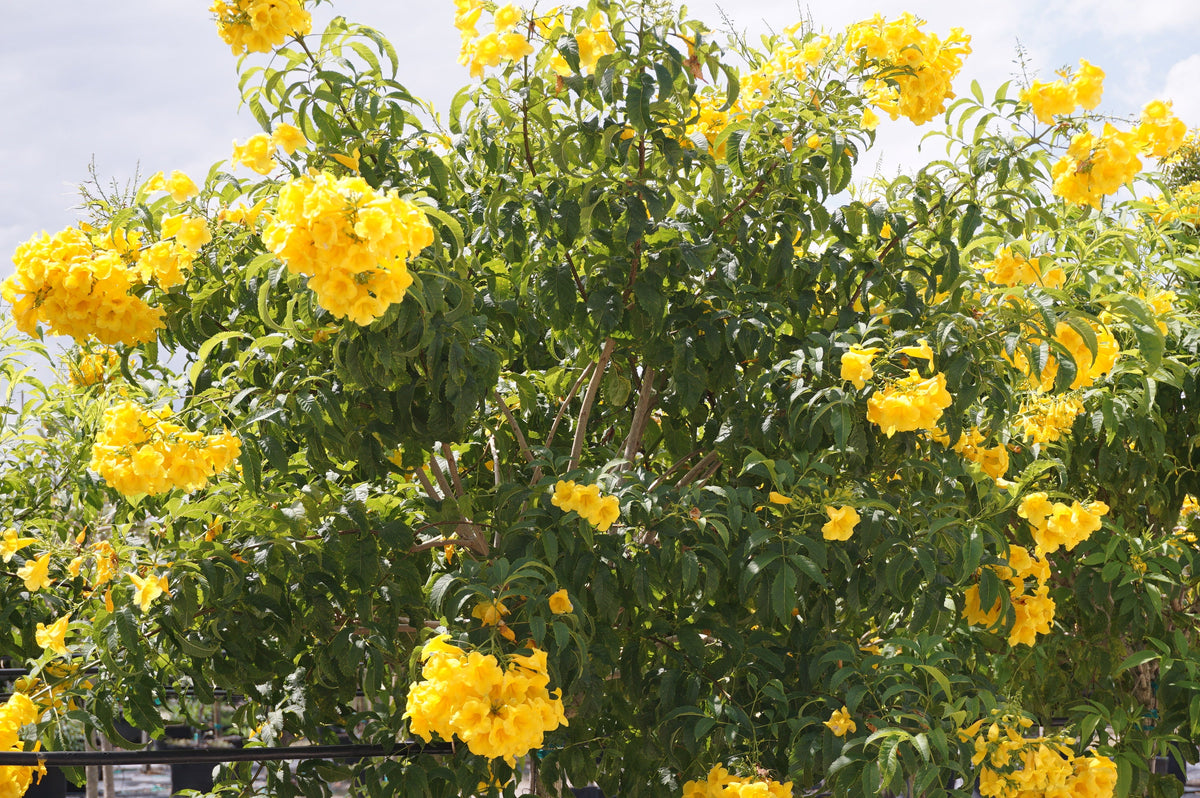
The Yellow Elder tree (Tecoma stans) is a tropical shrub from the Americas reaching 10 to 20 feet tall, boosting garden appeal through year-round trumpet-shaped flowers in bright yellow, orange, or red. The blooms attract bees, butterflies, and hummingbirds, providing both visual interest and pollinator support.
When it comes to adding color and life to your garden, few plants can compete with the stunning Yellow Elder tree (Tecoma stans). Known for its vibrant yellow flowers and lush green foliage, this tree is not only a feast for the eyes but also a boon for biodiversity and the environment. At Grow Billion Trees, we believe in Combating Climate Change Through Collective Action, and the Yellow Elder tree perfectly embodies this mission through its environmental benefits and stunning beauty.
Scientific Characteristics of the Yellow Elder Tree ✅
The Yellow Elder tree, belonging to the Bignoniaceae family, is native to the tropical regions of the Americas, particularly the Caribbean, Central America, and parts of South America. The species name, stans, is derived from the Latin word "to stand," which reflects the tree's upright growth habit.
Typically growing to a height of 10 to 20 feet, the Yellow Elder is a perennial shrub or small tree. Its leaves are compound and can reach lengths of up to 12 inches, with each leaf consisting of 5 to 9 leaflets.
The standout feature of this tree is undoubtedly its trumpet-shaped flowers, which bloom year-round in warm climates. The flowers can be bright yellow, orange, or even red, attracting a variety of pollinators, including bees, butterflies, and hummingbirds.
Fun Facts About the Yellow Elder Tree ⭐
- Common Names: Besides "Yellow Elder," this tree is also known as the "Yellow Trumpetbush" and "Honduran Yellow Elder."
- Medicinal Uses: In traditional medicine, various parts of the Yellow Elder tree have been used to treat ailments such as coughs, fevers, and skin conditions.
- Fast Growth: The Yellow Elder is known for its rapid growth, making it an excellent choice for quick landscaping solutions.
- Resilience: This tree is drought-tolerant and can thrive in poor soil conditions, making it an ideal choice for low-maintenance gardens.
- Attracts Wildlife: The vibrant flowers not only beautify your garden but also serve as a vital food source for hummingbirds and other pollinators.
- Year-Round Blooming: In tropical climates, the Yellow Elder can produce flowers throughout the year, ensuring continuous color in your garden.
Historical Significance and Cultural Heritage
The Yellow Elder tree has deep roots in the cultural history of the regions where it is native. In the Caribbean, it is often associated with traditional practices and folklore. For instance, in Jamaica, the tree is commonly planted in gardens and is considered a symbol of beauty and resilience.
The flowers are often used in local crafts, and the tree itself is a popular choice for landscaping due to its aesthetic appeal and environmental benefits. Historically, indigenous communities have utilized the Yellow Elder for various purposes, including medicinal applications and as a source of timber.
Its wood is durable and often used for crafting tools and furniture. As urbanization continues to expand, the importance of this tree in maintaining cultural heritage and biodiversity cannot be overstated, aligning with the United Nations Sustainable Development Goals for preserving cultural and natural heritage.
Environmental Impact and Climate Benefits 🌱
One of the most compelling reasons to Plant a tree in your Name with a Yellow Elder is its positive environmental impact. These trees play a crucial role in enhancing local ecosystems, primarily through their contributions to biodiversity. By attracting pollinators, they help to sustain various plant species, which in turn supports local wildlife.
The Yellow Elder also acts as a natural air purifier, absorbing carbon dioxide and releasing oxygen. This is particularly important in urban areas, where air quality can be a significant concern. According to the United Nations Climate Change initiative, urban trees like the Yellow Elder are essential for creating climate-resilient cities.
Furthermore, the tree's deep root system helps prevent soil erosion, making it a valuable addition to landscapes prone to degradation. In terms of climate resilience, the Yellow Elder is well-suited to withstand drought conditions, making it an excellent choice for gardens in arid regions.
Its adaptability to poor soil conditions also means that it can thrive where other plants may struggle, thus contributing to a more sustainable and diverse garden ecosystem. This aligns perfectly with global efforts outlined by the United Nations Environment Programme on forest conservation.
How to Grow and Care for Your Yellow Elder Tree 💡
Growing a Yellow Elder tree is relatively straightforward, making it an excellent option for both novice and experienced gardeners. Here are some essential tips for planting and caring for your Yellow Elder:
Planting Requirements →
- Soil Requirements: The Yellow Elder is not picky about soil quality but thrives best in well-draining soil. Amend heavy clay soils with organic matter to improve drainage.
- Sunlight: This tree loves full sun, so choose a location that receives at least 6 hours of direct sunlight each day.
- Spacing: Allow 8-10 feet between trees to ensure adequate air circulation and growth space.
Ongoing Care →
- Watering: While the Yellow Elder is drought-tolerant, regular watering during the first year of growth will help establish a strong root system. Once established, it requires minimal watering.
- Pruning: Regular pruning helps maintain the tree's shape and encourages bushier growth. Remove any dead or damaged branches to promote healthy growth.
- Fertilization: A balanced fertilizer can be applied during the growing season to encourage blooming and overall health.
Yellow Elder Tree in Urban Landscaping
The Yellow Elder tree has gained popularity in urban landscaping projects due to its adaptability and low maintenance requirements. Cities across India, including Mumbai, Bangalore, Delhi, Chennai, and Hyderabad, are increasingly incorporating these trees into their green infrastructure plans.
Urban planners appreciate the Yellow Elder's ability to thrive in challenging conditions while providing essential ecosystem services. The tree's compact size makes it suitable for street plantings, parks, and residential gardens where space is limited.
When you choose to plant a Yellow Elder through our 2-3ft Tree Planting + 3 Years Care + GeoTag program, you're contributing to urban biodiversity while creating beautiful, sustainable landscapes that support local wildlife and improve air quality.
Supporting Net Zero Targets with Yellow Elder Trees
Corporations and individuals working toward Net Zero Targets can significantly benefit from incorporating Yellow Elder trees into their environmental strategies. These trees offer rapid carbon sequestration due to their fast growth rate and year-round photosynthesis in suitable climates.
The Yellow Elder's ability to thrive with minimal resources makes it an excellent choice for large-scale reforestation projects. Its drought tolerance reduces the need for irrigation systems, while its pest resistance minimizes the need for chemical interventions.
At Grow Billion Trees, we're committed to planting 100 crore trees across India, and the Yellow Elder plays a crucial role in achieving this ambitious goal. Each tree planted contributes to carbon offset programs while creating habitats for pollinators and other wildlife.
Grow Billion Trees Partnership: Promoting Yellow Elder Cultivation
Organizations like Grow Billion Trees are at the forefront of promoting sustainable tree planting practices, including the cultivation of Yellow Elder trees. Our comprehensive approach ensures that each tree receives proper care and monitoring through our advanced GeoTag technology.
When you plant a Yellow Elder tree with us for just ₹299, you receive a personalized certificate, GPS coordinates of your tree, and regular updates on its growth progress. This transparency and accountability set us apart in the reforestation industry.
Our partnerships with local communities, farmers, and environmental organizations help create sustainable livelihoods while restoring degraded landscapes. The Yellow Elder's multiple uses – from ornamental landscaping to traditional medicine – make it a valuable addition to community-based conservation programs.
Seasonal Care and Maintenance Tips ⚠️
Proper seasonal care ensures your Yellow Elder tree thrives year-round and produces abundant blooms. During the growing season (spring and summer), increase watering frequency and apply organic mulch around the base to retain moisture and suppress weeds.
In cooler regions, protect young trees from frost by covering them with breathable fabric during cold snaps. Mature trees are generally frost-hardy but may benefit from protection during extreme weather events.
Regular monitoring for pests and diseases is essential, though Yellow Elder trees are generally resistant to most common garden problems. Remove any affected branches promptly and ensure good air circulation around the tree.
Further reading: Tekoma Tree: Ornamental Beauty, Ecological Importance, and Versatile Plant · Mexican Elder Tree: Hidden Health Benefits & Cultural Heritage
Frequently Asked Questions
How fast does a Yellow Elder tree grow?
Yellow Elder trees are known for their rapid growth rate, typically growing 2-3 feet per year under optimal conditions. With proper care, young trees can reach maturity within 3-5 years, making them an excellent choice for quick landscaping solutions.
Can Yellow Elder trees survive in cold climates?
Yellow Elder trees are primarily tropical plants that thrive in warm climates. They can tolerate light frost but may suffer damage in temperatures below 25°F (-4°C). In colder regions, they're often grown as annual plants or in containers that can be moved indoors during winter.
How often should I water my Yellow Elder tree?
During the establishment period (first year), water your Yellow Elder tree 2-3 times per week, allowing soil to dry slightly between waterings. Once established, these drought-tolerant trees require watering only during extended dry periods or severe drought conditions.
What type of soil is best for Yellow Elder trees?
Yellow Elder trees are adaptable to various soil types but prefer well-draining soil with a pH between 6.0-7.5. They can tolerate poor soil conditions, sandy soils, and even slightly alkaline conditions, making them suitable for challenging garden environments.
Do Yellow Elder trees attract beneficial insects?
Yes, Yellow Elder trees are excellent for attracting beneficial pollinators including bees, butterflies, and hummingbirds. The trumpet-shaped flowers provide nectar throughout the blooming season, supporting local pollinator populations and enhancing garden biodiversity.
How big do Yellow Elder trees get?
Yellow Elder trees typically reach heights of 10-20 feet with a similar spread. In ideal conditions, some specimens may grow slightly larger, but they generally maintain a compact, manageable size suitable for residential landscapes and urban environments.
When is the best time to plant Yellow Elder trees?
The best time to plant Yellow Elder trees is during the warm season when soil temperatures are consistently above 60°F (15°C). In tropical regions, planting can occur year-round, while in temperate areas, late spring to early summer provides optimal establishment conditions.
Can I grow Yellow Elder trees in containers?
Yes, Yellow Elder trees adapt well to container growing, making them suitable for patios, balconies, and small spaces. Use a large container (at least 20 gallons) with drainage holes and quality potting mix. Container plants may require more frequent watering and fertilization.
How do I prune my Yellow Elder tree?
Prune Yellow Elder trees in late winter or early spring before new growth begins. Remove dead, damaged, or crossing branches, and shape the tree as desired. Light pruning throughout the growing season can encourage bushier growth and more abundant flowering.
Are Yellow Elder trees deer resistant?
Yellow Elder trees are generally considered deer resistant due to their slightly bitter foliage and woody stems. However, in areas with high deer pressure and limited food sources, deer may occasionally browse young shoots or flowers.
Creating a Sustainable Future with Yellow Elder Trees
The Yellow Elder tree represents more than just an attractive garden addition – it's a symbol of our commitment to environmental stewardship and sustainable living. By choosing to plant these remarkable trees, you're participating in a global movement toward ecological restoration and climate action.
At Grow Billion Trees, we believe that every tree planted makes a difference. Our mission to plant 100 crore trees across India includes promoting native and adapted species like the Yellow Elder that provide maximum environmental benefit with minimal resource requirements.
When you Plant a tree in your Name with us, you're not just adding beauty to the landscape – you're investing in cleaner air, supporting biodiversity, and contributing to India's climate resilience goals. Our comprehensive care program ensures your tree thrives for years to come, creating lasting environmental impact.
Ready to make a difference? Explore our tree planting programs and discover how you can contribute to a greener, more sustainable future. Together, we can create vibrant ecosystems that benefit both people and planet for generations to come.
Keep reading
 Tekoma Tree: Ornamental Beauty, Ecological Importance, and Versatile Plant
 Mexican Elder Tree: Hidden Health Benefits & Cultural Heritage
 Desert Willow Tree: Complete Growing & Care Guide 2024
 Lathzira Tree: Exploring the Unique Properties and Hidden Benefits of Natures Resilient Wonder
 Pink Trumpet Tree: The Stunning Showstopper of Spring Blooms You Need to Know About!


Comments
Leave a comment