
Yellowwood Tree: The Ultimate Guide to Its Beauty, Benefits, and Care Tips
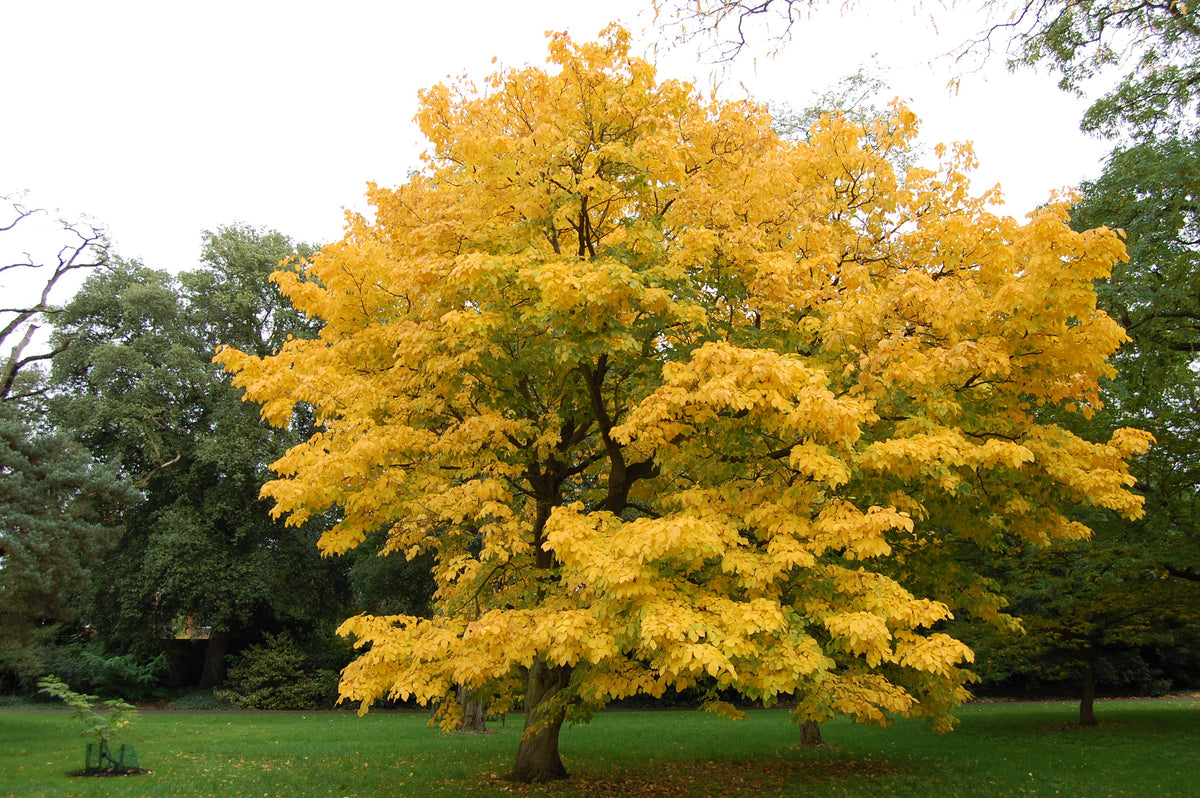
Yellowwood (Cladrastis kentukea) is a native North American deciduous tree reaching 30–50 feet in height with fragrant white flowers blooming in late spring and brilliant yellow autumn foliage. It features smooth grayish bark, compound leaves, and a naturally rounded crown.
The Yellowwood tree (Cladrastis kentukea) stands as one of America's most magnificent native deciduous trees, offering breathtaking beauty, exceptional environmental benefits, and remarkable durability. This stunning tree, with its fragrant white flowers and vibrant yellow fall foliage, has captured the hearts of landscapers and homeowners across the southeastern United States. At Grow Billion Trees, we recognize the Yellowwood's vital role in our mission to Plant a tree in your Name and achieve our goal of planting 100 crore trees across India while drawing inspiration from successful native species conservation worldwide.
✅ The Captivating Beauty of Yellowwood Trees
The Yellowwood tree presents an extraordinary spectacle throughout the growing season, reaching heights of 30-50 feet with a graceful spread of approximately 40 feet. During late spring to early summer, the tree transforms into a cascade of white, fragrant flowers that hang like delicate pendants, creating an unforgettable visual display.
The tree's compound leaves provide excellent shade during summer months before turning brilliant yellow in autumn, adding spectacular color to any landscape. Its smooth, grayish bark maintains aesthetic appeal year-round, while the tree's naturally rounded crown creates an elegant silhouette that enhances both residential and commercial properties.
⭐ Environmental Benefits and Climate Impact
Yellowwood trees serve as powerful allies in Combating Climate Change Through Collective Action, aligning perfectly with global environmental initiatives. According to the United Nations Climate Change Action, trees play a crucial role in carbon sequestration and climate mitigation efforts worldwide.
A mature Yellowwood tree absorbs approximately 48 pounds of CO2 annually while releasing life-sustaining oxygen. This remarkable capacity makes these trees invaluable assets in urban environments where air quality improvement is essential. The tree's extensive root system also prevents soil erosion, stabilizing ground conditions and reducing water runoff in developed areas.
The World Wildlife Fund's forest conservation initiatives emphasize how native trees like the Yellowwood contribute to biodiversity preservation and ecosystem health. These trees provide essential habitat for pollinators, birds, and small mammals, creating thriving ecological communities.
🌳 Wildlife Habitat and Biodiversity Support
Yellowwood trees create vital wildlife corridors that support diverse species populations. Their fragrant flowers attract numerous pollinators, including native bees, butterflies, and beneficial insects that maintain ecological balance. Birds find shelter and nesting opportunities within the tree's branches, while small mammals utilize the tree for protection and food sources.
The tree's leaves serve as food for various caterpillar species, which in turn support bird populations during breeding season. This interconnected web of relationships demonstrates how planting native species like Yellowwood contributes to comprehensive ecosystem restoration efforts.
💡 Historical Significance and Cultural Heritage
Native American communities recognized the Yellowwood's exceptional qualities centuries ago, utilizing its durable wood for tools, crafts, and construction projects. The tree's bark provided natural dyes for textiles, showcasing its versatility beyond ornamental purposes.
During the 19th century, European settlers embraced the Yellowwood for its beauty and practical applications. Communities planted these trees in parks, gardens, and public spaces, establishing a legacy of urban forestry that continues today. Many historic neighborhoods still feature mature Yellowwood specimens that serve as living monuments to thoughtful landscape planning.
🔧 Comprehensive Care Guide for Yellowwood Trees
Planting Your Yellowwood Tree
Select a location with full sun to partial shade exposure and well-drained, loamy soil with pH levels between 6.0 and 7.5. Dig a planting hole twice the width of the root ball but no deeper than the root system's height. Position the tree carefully, backfill with native soil, and water thoroughly to eliminate air pockets.
Our 2-3ft Tree Planting + 3 Years Care + GeoTag program ensures professional installation and monitoring, giving your Yellowwood the best possible start for long-term success.
Watering and Establishment
Newly planted Yellowwood trees require consistent moisture during their first growing season. Provide deep watering weekly, ensuring soil penetration to encourage robust root development. Once established, these trees demonstrate excellent drought tolerance, requiring supplemental irrigation only during extended dry periods.
Fertilization and Soil Management
Yellowwood trees typically thrive without additional fertilization when planted in quality soil. However, poor soil conditions may benefit from balanced, slow-release fertilizer application in early spring. Organic mulch around the base helps retain moisture and suppress weeds while gradually improving soil structure.
Pruning and Maintenance
Perform pruning during late winter or early spring before new growth begins. Remove dead, damaged, or crossing branches to maintain structural integrity and aesthetic appeal. Avoid excessive pruning, as Yellowwood trees can be sensitive to heavy cuts and may respond with vigorous, weak growth.
🌿 Pest Management and Disease Prevention
Yellowwood trees demonstrate remarkable resistance to most common pests and diseases, making them low-maintenance additions to landscapes. Occasional issues may include scale insects or aphids, which typically respond well to integrated pest management approaches using beneficial insects or targeted treatments.
Proper spacing, adequate air circulation, and avoiding overhead watering help prevent fungal issues. Regular inspection during growing season allows early detection and treatment of any emerging problems.
🏡 Landscape Design Applications
Yellowwood trees excel as specimen plantings, creating focal points in residential and commercial landscapes. Their moderate size makes them suitable for smaller properties while providing substantial shade and visual impact. Group plantings create stunning displays during flowering season and establish wildlife corridors.
These trees complement both formal and naturalistic garden designs, pairing beautifully with native understory plants and perennial gardens. Urban planners increasingly specify Yellowwood for street tree applications due to their adaptability and ornamental value.
🌍 Supporting Global Reforestation Efforts
The success of native species like Yellowwood inspires international reforestation initiatives. The United Nations Environment Programme's forest conservation efforts highlight how regional tree planting programs contribute to global environmental goals.
At Grow Billion Trees, we apply lessons learned from successful native tree conservation to our comprehensive reforestation programs across India. Our initiatives include Miyawaki forests, agroforestry programs, mangrove restoration, and urban forestry projects that support Net Zero Targets for corporate partners and communities.
Further reading: Evergreen Magnolia Tree: Complete Guide to Growing This Stunning Beauty · Persian Lilac Tree: Complete Growing Guide for This Fragrant Garden Beauty
Frequently Asked Questions
How long does it take for a Yellowwood tree to bloom?
Yellowwood trees typically begin flowering 8-10 years after planting, with peak blooming occurring on mature specimens. The spectacular white flower clusters appear every 2-3 years once the tree reaches maturity, making each blooming season particularly special.
What is the lifespan of a Yellowwood tree?
Yellowwood trees can live 50-100 years or more with proper care and favorable growing conditions. Their longevity makes them excellent long-term investments for property owners seeking sustainable landscaping solutions.
Can Yellowwood trees tolerate urban conditions?
Yes, Yellowwood trees adapt well to urban environments, tolerating air pollution, compacted soils, and limited root space better than many other native species. Their moderate size and clean growth habit make them ideal for city planting programs.
Do Yellowwood trees require special soil conditions?
While Yellowwood trees prefer well-drained, slightly alkaline soils, they adapt to various soil types including clay, loam, and sandy conditions. Good drainage is more critical than specific soil composition for healthy growth.
Are Yellowwood trees deer resistant?
Mature Yellowwood trees show good deer resistance, though young trees may require protection during establishment. The tree's height and bark characteristics make it less appealing to browsing wildlife once established.
How much space does a Yellowwood tree need?
Allow 40-50 feet of space for mature Yellowwood trees to reach their full potential. Smaller spaces can accommodate these trees with regular pruning, but natural growth produces the best flowering and form.
Can I grow Yellowwood trees from seeds?
Yellowwood seeds require stratification and specific germination conditions, making propagation challenging for home gardeners. Professional nursery stock or container-grown specimens provide more reliable establishment success.
What companion plants work well with Yellowwood trees?
Native understory plants like wild ginger, coral bells, and native ferns create beautiful combinations with Yellowwood trees. Spring bulbs and shade perennials thrive beneath the tree's canopy, extending seasonal interest.
🌱 Join the Global Tree Planting Movement
The Yellowwood tree exemplifies how native species conservation and thoughtful landscaping create lasting environmental benefits. These remarkable trees demonstrate that beauty and sustainability can work together to address climate challenges while enhancing our communities.
Ready to make a difference? Plant a tree in your Name for just ₹299 and join our mission to plant 100 crore trees across India. Our comprehensive programs include professional planting, three years of care, and GeoTag technology to track your tree's growth. Whether you're celebrating a special occasion, supporting corporate sustainability goals, or simply wanting to contribute to environmental restoration, every tree planted brings us closer to a healthier planet.
Discover our tree planting programs and become part of the solution today. Together, we're not just planting trees – we're nurturing hope, restoring ecosystems, and creating a sustainable future for generations to come.
Keep reading
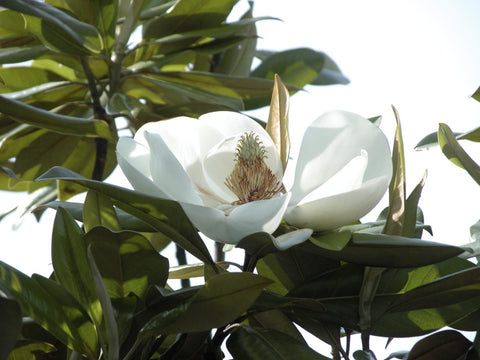 Evergreen Magnolia Tree: Complete Guide to Growing This Stunning Beauty
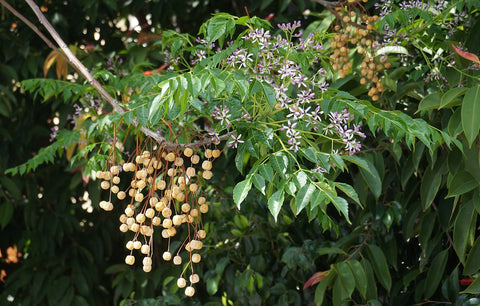 Persian Lilac Tree: Complete Growing Guide for This Fragrant Garden Beauty
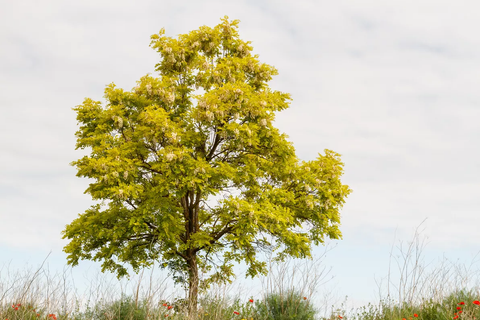 False Acacia Tree: The Hidden Gem for Sustainable Landscaping
 Little Leaf Linden Tree: The Ultimate Guide to Its Benefits, Care, and Stunning Beauty
 White Acacia Tree: The Ultimate Guide to Beauty, Benefits & Care


Comments
Leave a comment