
Ziziphus Tree: Unlocking Nature's Superfood Benefits & Mysteries
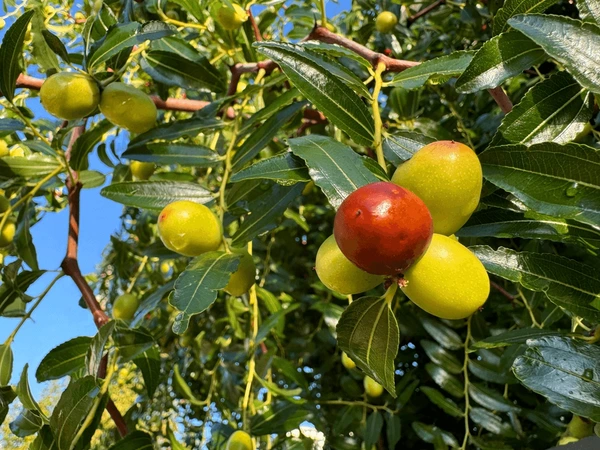
The Ziziphus tree, commonly called jujube or Chinese date, is an Asian fruit-bearing species with nutritional and environmental applications. A 100-gram serving provides 79 calories, 20.3 grams of carbohydrates, and significant amounts of vitamin C and A supporting immune and eye health. This adaptable tree thrives across diverse climates and contributes to environmental restoration efforts.
The Ziziphus tree, often called the jujube or Chinese date, stands as one of nature's most remarkable superfoods. This resilient tree offers extraordinary nutritional benefits while supporting environmental restoration efforts. For environmentally conscious individuals seeking sustainable solutions, the Ziziphus tree represents both personal health benefits and planetary healing through reforestation.
Understanding the Ziziphus Tree ⭐
The Ziziphus tree belongs to the Rhamnaceae family and thrives across diverse climates from arid deserts to subtropical regions. Native to Asia, particularly China, India, and the Middle East, this adaptable species grows up to 10 meters tall with thorny branches and glossy green leaves.
The tree produces small, fragrant flowers that develop into date-like fruits harvested in late summer to early autumn. These fruits can be consumed fresh, dried, or processed into various health products, making the Ziziphus tree incredibly versatile for both nutrition and commercial applications.
Nutritional Profile: A True Superfood 💡
The Ziziphus fruit earns its superfood status through an impressive nutritional profile packed with essential vitamins and minerals. Each 100-gram serving of fresh jujube fruit provides:
- ✅ Calories: 79
- ✅ Carbohydrates: 20.3g
- ✅ Protein: 1.2g
- ✅ Fat: 0.2g
- ✅ Vitamin C: High content for immune support
- ✅ Vitamin A: Essential for eye health
- ✅ Calcium: Supports bone strength
- ✅ Iron: Prevents anemia
- ✅ Antioxidants: Combat oxidative stress
The high dietary fiber content promotes digestive health and supports a balanced gut microbiome. These antioxidants help reduce the risk of chronic diseases including heart disease and cancer, making the Ziziphus tree a valuable addition to any health-conscious diet.
Remarkable Health Benefits of Ziziphus
Traditional medicine has recognized the Ziziphus tree's therapeutic properties for centuries. Modern research continues to validate these ancient applications through scientific studies.
Sleep Enhancement and Anxiety Relief
Jujube fruit contains natural sedative compounds that promote better sleep quality. Traditional Chinese medicine has utilized these properties to treat insomnia and anxiety disorders. Research demonstrates that regular consumption can enhance sleep duration and reduce anxiety levels naturally.
Immune System Support
The exceptional vitamin C content in Ziziphus fruit acts as a powerful immune booster. This essential vitamin helps the body defend against infections and illnesses while supporting overall health maintenance.
Anti-inflammatory Properties
Compounds found in the Ziziphus tree demonstrate significant anti-inflammatory effects. These properties make it beneficial for managing conditions like arthritis and reducing general inflammation throughout the body.
Digestive Health Optimization
The substantial fiber content aids healthy digestion by preventing constipation and promoting beneficial gut bacteria growth. This supports overall digestive wellness and nutrient absorption.
Historical Significance and Cultural Impact
The Ziziphus tree boasts a rich history spanning over 4,000 years of cultivation in China. Ancient texts document its medicinal applications in traditional Chinese medicine, where practitioners prescribed it for various ailments ranging from sleep disorders to digestive issues.
Beyond medicinal uses, the Ziziphus tree holds deep cultural significance across many regions. In India, families consume the fruit during festivals as a symbol of good fortune and prosperity. Literary works and folklore celebrate the tree as representing resilience and sustenance in challenging environments.
Environmental Impact and Ecological Benefits ⭐
The Ziziphus tree plays a crucial role in environmental restoration and climate change mitigation. According to the United Nations Climate Change initiative, trees like Ziziphus contribute significantly to global carbon sequestration efforts.
Soil Conservation Excellence
The deep root system of the Ziziphus tree prevents soil erosion while stabilizing land in arid regions. This natural soil conservation helps maintain agricultural productivity and prevents desertification in vulnerable areas.
Carbon Sequestration Capabilities
Like all trees, the Ziziphus tree absorbs carbon dioxide from the atmosphere, contributing to climate change mitigation. The World Wildlife Fund's forest conservation programs recognize such trees as essential for maintaining global carbon balance.
Biodiversity Support
Ziziphus trees provide habitat and food sources for various wildlife species, promoting biodiversity in their native ecosystems. This ecological support helps maintain balanced food webs and species preservation.
Grow Billion Trees: Promoting Ziziphus Cultivation 💡
At Grow Billion Trees, we recognize the exceptional value of the Ziziphus tree in achieving our mission to Plant a tree in your Name while working toward our goal of planting 100 crore trees across India. Our comprehensive approach includes 2-3ft Tree Planting + 3 Years Care + GeoTag technology to ensure successful cultivation.
Our Ziziphus tree programs support Net Zero Targets for corporations while providing communities with sustainable nutrition sources. Through Combating Climate Change Through Collective Action, we integrate Ziziphus cultivation into our agroforestry and Miyawaki forest programs.
Community Engagement Initiatives
We collaborate with local communities to educate them about Ziziphus cultivation benefits for both personal health and environmental restoration. Our training programs ensure sustainable agricultural practices for successful cultivation and harvest.
Research and Development
Our team conducts ongoing research to optimize Ziziphus growing conditions across various Indian climates. This ensures maximum yield and environmental benefit from each planted tree.
Cultivation and Growing Tips
Growing Ziziphus trees successfully requires understanding their specific needs and optimal conditions. These hardy trees adapt well to various environments but thrive with proper care.
Optimal Growing Conditions
Ziziphus trees prefer well-draining soil with pH levels between 6.0 and 7.5. They tolerate drought conditions but benefit from regular watering during fruit development periods. Full sun exposure promotes healthy growth and fruit production.
Planting and Maintenance
Plant Ziziphus trees during spring or early summer for best establishment. Space trees 4-6 meters apart to allow proper growth. Prune annually to maintain shape and remove dead or diseased branches.
Commercial Applications and Market Potential
The growing recognition of Ziziphus as a superfood has created expanding market opportunities. Food manufacturers increasingly incorporate jujube fruit into health products, snacks, and beverages.
According to the United Nations Sustainable Development Goals, sustainable agriculture practices like Ziziphus cultivation support both economic development and environmental protection.
Processing and Product Development
Ziziphus fruits can be processed into dried snacks, juices, jams, and dietary supplements. The versatility of processing options makes it an attractive crop for small-scale farmers and large agricultural operations.
Further reading: Desert Date Tree: Nature's Superfood with Incredible Health Benefits · Ber Tree: Exploring the Riches of the Ber Tree
Frequently Asked Questions
What makes the Ziziphus tree a superfood?
The Ziziphus tree produces fruits rich in vitamin C, antioxidants, fiber, and essential minerals. Its exceptional nutritional density combined with proven health benefits earns it superfood status.
How long does it take for a Ziziphus tree to produce fruit?
Ziziphus trees typically begin producing fruit 2-3 years after planting. Full production capacity is usually reached within 4-5 years under optimal growing conditions.
Can Ziziphus trees grow in dry climates?
Yes, Ziziphus trees are exceptionally drought-tolerant and thrive in arid and semi-arid regions. This makes them ideal for reforestation projects in challenging environments.
What are the main health benefits of consuming Ziziphus fruit?
Key benefits include improved sleep quality, enhanced immune function, reduced inflammation, better digestive health, and antioxidant protection against chronic diseases.
How does the Ziziphus tree support environmental conservation?
Ziziphus trees prevent soil erosion, sequester carbon dioxide, support biodiversity, and help restore degraded lands in arid regions.
Are there different varieties of Ziziphus trees?
Yes, there are over 40 species of Ziziphus worldwide, with Ziziphus jujuba being the most commonly cultivated variety for fruit production.
How should fresh Ziziphus fruit be consumed?
Fresh Ziziphus fruit can be eaten raw like apples, dried for longer storage, or processed into juices, teas, and other health products.
What is the best time to plant Ziziphus trees?
The optimal planting time is during spring or early summer when soil temperatures are warm and rainfall patterns support establishment.
Can Ziziphus trees be grown organically?
Absolutely. Ziziphus trees are naturally pest-resistant and require minimal chemical inputs, making them excellent candidates for organic cultivation practices.
How do Ziziphus trees contribute to sustainable agriculture?
These trees improve soil health, require minimal water, provide nutritious food, and support biodiversity while generating income for farmers in marginal lands.
Supporting Global Reforestation Through Ziziphus
The World Wildlife Fund's research on deforestation emphasizes the critical need for diverse tree species in restoration efforts. Ziziphus trees offer unique advantages for combating desertification while providing economic benefits to local communities.
Our commitment to environmental restoration extends beyond simple tree planting. We focus on creating sustainable ecosystems that support both human communities and wildlife populations through strategic species selection like the Ziziphus tree.
Future Prospects and Research
Ongoing research continues to reveal new applications and benefits of the Ziziphus tree. Scientists are exploring its potential in pharmaceutical development, sustainable agriculture systems, and climate change adaptation strategies.
The tree's remarkable adaptability makes it a valuable species for future climate scenarios where traditional crops may struggle. This positions Ziziphus cultivation as both a current solution and future-proofing strategy for food security.
The Ziziphus tree represents nature's perfect combination of nutrition, sustainability, and environmental restoration. From its impressive superfood credentials to its crucial role in ecosystem recovery, this remarkable species offers solutions for both personal health and planetary wellness.
Join us in our mission to plant 100 crore trees across India, including the valuable Ziziphus tree. Plant a tree in your Name for just ₹299 and receive 2-3ft Tree Planting + 3 Years Care + GeoTag tracking. Together, we can unlock the hidden benefits of nature's superfoods while Combating Climate Change Through Collective Action. Discover how you can contribute to our reforestation mission today.
Keep reading
 Jujube Tree: A Sweet Oasis of Subtropical Charm
 Desert Date Tree: Nature's Superfood with Incredible Health Benefits
 Ber Tree: Exploring the Riches of the Ber Tree
 Chinese Toon Tree: Nature's Marvelous Superfood Secret
 Wild Fig Tree: Nature's Hidden Gem for Health and Wellness
 Breadfruit Tree: The Ultimate Guide to Cultivating Nature's Superfood for Your Garden


Leave a comment