



Agroforestry
Trees that earn for farmers
Digital forest · Agroforestry
Raam Group's tree plantation initiative in agroforests focuses on blending environmental sustainability with agricultural productivity. By planting diverse tree species alongside crops, the initiative aims to restore ecosystems, enhance biodiversity, and support local communities....

Raam Group's tree plantation initiative in agroforests focuses on blending environmental sustainability with agricultural productivity. By planting diverse tree species alongside crops, the initiative aims to restore ecosystems, enhance biodiversity, and support local communities. This green endeavor not only improves soil health and combats climate change but also engages employees and partners in creating a sustainable and productive agroforest. Raam Group's commitment to agroforestry reflects its dedication to building a greener, more resilient future while fostering eco-friendly business practices.
No. of Trees: 20 Trees
Plantation Location: Narsampalli Village, Pattivellore, Toopran Mandal, Dist Medak, Telangana, India 502334
Plantation Date: 22nd July 2024
Name of Species: Mango, Guava, Chiku, Jackfruit, Coconut
The project prioritises selecting tree species that are native to the region and well-suited to the local climate, ensuring better survival rates and contributing to the long-term ecological health of the area. In addition to the environmental benefits, the chosen species are aligned with local market demand, ensuring that they offer viable income opportunities for farmers.
The selection of fruit-bearing species such as Mango, Guava, Chiku (Sapota), Jackfruit, and Coconut ensures both ecological sustainability and long-term economic value. Mango is widely valued for its nutritious fruits and strong canopy that supports biodiversity. Guava grows quickly and produces vitamin-rich fruits that attract birds and pollinators. Chiku is a hardy, drought-tolerant species known for its sweet fruits and consistent yield. Jackfruit trees provide large, nutrient-dense fruits while also offering dense shade and carbon sequestration benefits. Coconut is highly versatile, with nearly every part of the tree having economic or cultural value, while also thriving well in tropical climates. Together, these species promote food security, support local livelihoods, improve soil health, and contribute to a resilient agroforestry ecosystem.
Overall, this species aligns well with agroforestry goals, fostering both ecological resilience and community well-being. This approach fosters a harmonious relationship between the environment and the community, ensuring that farmers can generate consistent income while contributing to the restoration of the local ecosystem.
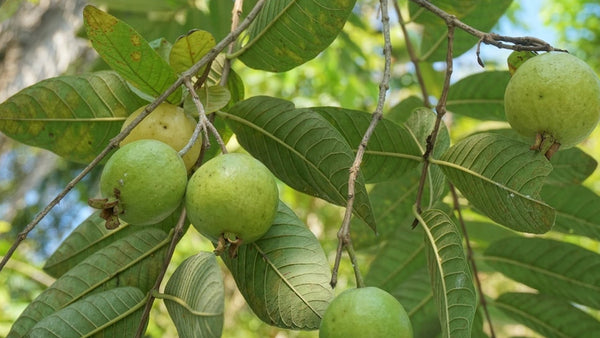
This agroforestry initiative involves 1 farmer planting 20 Guava Species integrated into the existing farmland. The project aims to enhance farm productivity, strengthen livelihoods, and promote long-term ecological resilience.
For details of farmers and their land's geolocation,
Agroforestry: Raam Group adopted the agroforestry model, an environmentally and socially conscious approach that integrates trees with crops on shared land. Through the plantation of fruit-bearing and timber species, this initiative supports ecosystem restoration, enriches soil quality, and boosts biodiversity. More importantly, it empowers local farmers by enhancing income opportunities and fostering economic resilience. Rooted in principles of transparency and long-term impact, this green endeavour reflects the values of the forward-thinking Raam Group, cultivating growth, driving transformation, and building a sustainable future from the ground up.
Advantages of Agroforestry
Increased Farmer Incomes: This approach helps increase farmers' income by as much as 3 times. Farmers benefit from diversified income sources, lifting economic resilience.
Sustainable Livelihoods: Farmers benefit from diversified income sources through the sale of fruits and other tree-based products, reducing dependence on a single crop.
Enhanced Biodiversity: Agroforestry creates a diverse ecosystem by integrating trees with crops, attracting pollinators, birds, and beneficial insects that support natural pest control.
Environmental Sustainability: This model reduces carbon emissions and promotes sustainable land management, aligning with SDG 13 (Climate Action) and SDG 15 (Life on Land).
Food Security & Nutritional Benefits: Fruit-bearing trees provide a direct source of food, improving local nutrition while supporting long-term agricultural productivity.
Carbon Sequestration & Climate Resilience: Trees absorb carbon dioxide, helping mitigate climate change while providing shade and windbreaks that reduce temperature extremes and improve microclimatic conditions.
Soil Health and Water Conservation: Tree roots prevent soil erosion, enhance water retention, and improve soil fertility by fixing nitrogen and adding organic matter. Agroforestry systems also support groundwater recharge, reduce runoff, and improve soil moisture retention, making them ideal for drought-prone regions.
Raam Group's tree plantation initiative in agroforests involves a range of activities aimed at fostering sustainable growth. Native tree species are carefully selected and planted alongside crops to enhance biodiversity and improve soil health. Regular maintenance activities like mulching, pruning, and monitoring are undertaken to ensure the trees thrive. These efforts contribute to the creation of a resilient agroforest, promoting both environmental and agricultural benefits.
Empowerment of Farmers – By providing training and resources for sustainable farming practices, agroforestry equips farmers with skills to enhance productivity and adapt to environmental changes.
Food Security – By integrating fruit-bearing trees into agricultural systems, the initiative ensures a stable food supply, providing nutritious produce for both consumption and market sale.
Environmental Awareness – The project educates the local community on the importance of tree planting, biodiversity conservation, and sustainable land use.
Enhanced Social Equity – Agroforestry initiatives foster enhanced social equity by empowering marginalised farmers with sustainable livelihoods, bridging economic gaps, and promoting inclusive community participation in environmental conservation efforts.
Resilience to Climate Change – Agroforestry improves soil health, enhances water retention, and reduces land degradation, making farming communities more adaptable to changing climate conditions.
Health and Well-being – Increased green cover improves air quality, reduces heat stress, and provides access to nutrient-rich fruits, contributing to the overall health of local communities.
Carbon Sequestration: Trees act as carbon sinks, absorbing significant amounts of CO2 from the atmosphere, helping to mitigate climate change and reduce greenhouse gas emissions.
Soil Health Improvement: Agroforestry enriches soil through organic matter from fallen leaves and roots, improving fertility, structure, and nutrient availability for crops.
Erosion Prevention: Tree roots stabilise the soil, reducing erosion caused by wind and water while protecting nearby agricultural fields and water bodies.
Biodiversity Conservation: By creating habitats for various species, agroforestry enhances biodiversity, supporting pollinators, beneficial insects, and native wildlife.
Water Cycle Regulation: Trees improve water retention, recharge groundwater levels, and reduce surface runoff, contributing to a more balanced and sustainable water cycle.
Microclimate Regulation: Agroforestry moderates temperature extremes, reduces wind speeds, and increases humidity, creating favourable conditions for crop growth and ecosystem balance.
SDG 1: No Poverty – By integrating agroforestry with traditional farming, the Raam Group initiative provides farmers with additional income sources through fruit yields, improving economic resilience, and reducing poverty in rural areas.
SDG 2: Zero Hunger – The plantation of fruit-bearing trees enhances food security by offering nutritional produce while improving soil health for sustainable agricultural productivity.
SDG 3: Good Health and Well-Being – Tree plantations improve air quality, soil fertility, and water conservation, creating a healthier environment for local communities. The presence of green spaces also promotes mental well-being.
SDG 4: Quality Education – Raam Group agroforestry initiative includes farmer training on sustainable land-use practices. These educational efforts equip farmers with knowledge on conservation, resource management, and climate-resilient agriculture.
SDG 6: Clean Water and Sanitation – By reducing soil erosion, improving groundwater recharge, and minimizing surface runoff, the plantation promotes sustainable water management in the region.
SDG 8: Decent Work and Economic Growth – The initiative generates employment opportunities for rural communities, provides training in sustainable agroforestry, and supports long-term economic growth through enhanced land productivity.
SDG 9: Industry, Innovation, and Infrastructure – Raam Group project integrates innovative agroforestry techniques, including multi-layer cropping systems and soil conservation methods, fostering sustainable land use and industry-community collaboration.
SDG 10: Reduced Inequalities – By involving small-scale and marginalized farmers, the project promotes economic inclusivity and reduces inequalities by ensuring equitable access to agroforestry benefits.
SDG 12: Responsible Consumption and Production – Agroforestry reduces dependency on chemical inputs, promotes organic farming, and ensures the responsible use of natural resources, supporting sustainable agricultural practices.
SDG 13: Climate Action – The planted trees act as carbon sinks, sequestering atmospheric carbon dioxide, enhancing ecosystem resilience, and mitigating the effects of climate change in the region.
SDG 15: Life on Land – This initiative promotes biodiversity conservation, prevents deforestation, and restores degraded land, fostering healthy ecosystems and sustainable forestry practices.
SDG 17: Partnerships for the Goals – The collaboration between the Raam Group, Grow Billion Trees, and local farmers demonstrates the power of partnerships in achieving sustainability goals and fostering large-scale ecological restoration.
Environmental Impact: Raam Group agroforestry initiative plays a crucial role in environmental sustainability by enhancing carbon sequestration, restoring biodiversity, and improving soil and water conservation. The plantation of native and fruit-bearing trees supports climate change mitigation by reducing greenhouse gas emissions and increasing ecosystem resilience. Additionally, the project helps prevent soil erosion, improves groundwater retention, and contributes to a healthier, greener landscape. By integrating sustainable agroforestry practices, this initiative ensures long-term ecological benefits, fostering a self-sustaining environment that supports both nature and local communities.
Social Impact: The initiative brings significant social benefits by fostering sustainable livelihoods, improving food security, and enhancing community well-being. By integrating fruit-bearing trees, the project helps farmers diversify their income sources, ensuring greater economic stability and resilience for rural households. Agroforestry practices optimize land use efficiency, leading to higher agricultural productivity while maintaining ecological balance. The plantation also contributes to better air quality, creates green spaces for community well-being, and encourages local participation through awareness programmes. By engaging and educating stakeholders, the initiative empowers communities with the knowledge and skills to adopt sustainable land management practices, fostering long-term environmental and social sustainability.
Governance Impact: Raam Group uphold strong governance principles by committing to ethical and responsible corporate practices in sustainability. The agroforestry initiative aligns with the Raam Group goal to ensure transparency, accountability, and long-term impact. By collaborating with Grow Billion Trees, farmers and local communities, the Raam Group foster strategic partnerships that promote environmental stewardship and responsible land management. This initiative reflects the organization's dedication to integrating ESG (Environmental, Social, and Governance) principles into its corporate framework, showcasing leadership in sustainability and social responsibility.
Raam Group agroforestry initiative goes beyond tree plantation; it strengthens rural communities by empowering farmers, fostering collaborations, and creating sustainable livelihoods. By integrating environmental stewardship with social impact, the project nurtures a sense of shared responsibility, driving long-term benefits for both people and the planet.
Empowering Farmers: Raam Group agroforestry initiative strengthens farmers’ economic stability by diversifying income sources and improving agricultural productivity. By integrating tree plantations with existing farmland, farmers benefit from enhanced soil fertility, better crop yields, and long-term financial gains. This initiative promotes self-sufficiency and long-term environmental stewardship, ensuring a sustainable future for both farmers and the ecosystem.
Fostering Partnerships: Collaboration is at the core of the Raam Group plantation initiative, bringing together corporate, environmental, and community stakeholders. The partnership between the Raam Group, Grow Billion Trees, and local farmers created a strong foundation for sustainable development. By leveraging collective expertise and resources, this initiative ensures that environmental and social benefits extend beyond the immediate plantation, fostering long-term ecological and economic resilience.
Creating a Ripple Effect: The impact of this initiative goes beyond tree planting; it sets in motion a chain reaction of positive environmental and social change. By improving biodiversity, enhancing carbon sequestration, and promoting sustainable farming, the project contributes to a healthier ecosystem. Additionally, as more farmers adopt agroforestry practices, the region experiences long-term economic and environmental benefits, inspiring further community-driven conservation efforts.
This initiative proved that environmental sustainability thrives when rooted in community effort. It’s not just about planting trees; it’s about planting hope, collaboration, and a shared vision for a greener tomorrow.
Ensuring Tree Survivability: GBT prioritizes native species, continuous monitoring, and soil health improvement using organic fertilizers. These efforts ensure sustainable growth and benefit the farmers and communities.
Transparency & Accountability: GBT provides detailed reports on tree growth, survival rates, and carbon benefits, using geo-fencing and regular updates to maintain transparency and effectiveness.
Sustainable Plantation Efforts: GBT implements projects that balance environmental, social, and economic goals, addressing urban heat islands and degraded farmlands. These efforts promote ecological balance, livelihoods, and long-term climate resilience.
Enhancing Ecosystem Health: By selecting native species and creating diverse habitats, GBT enhances biodiversity and ecosystem resilience, ensuring long-term ecological health and supporting wildlife.
Long-Term Impact: GBT’s initiatives tackle environmental challenges, enhance rural livelihoods, foster climate resilience, and promote sustainable development while reducing carbon footprints.
We extend our heartfelt gratitude for the successful completion of the agroforestry plantation initiative at Saswad, Pune, Maharashtra - 412301. This effort reflects the Raam Group’s commitment to environmental restoration. It aligns with their vision of celebrating milestones with purpose, transforming personal celebrations into impactful actions for the environment. Made possible through the support of local farmers, partners, and dedicated contributors, this initiative leaves a lasting green legacy while strengthening India’s journey toward sustainable growth.
To Raam Group: We sincerely thank Raam Group for their unwavering dedication to sustainability, climate action, and environmental stewardship. By integrating agroforestry into their broader mission of supporting resilient rural communities, they have demonstrated a strong commitment to advancing a Greener India. We deeply appreciate Raam Group’s initiative in planting 20 native tree species in honor of a contribution that will enrich biodiversity, improve soil health, and enhance long-term carbon sequestration. This thoughtful effort not only strengthens ecological balance but also supports farmers through sustainable land use and future income from tree-based produce. Raam Group’s leadership in promoting environmental sustainability and community empowerment is truly commendable, and we are grateful for their impactful contribution to a greener, healthier, and more climate-ready future.
To the Farmers of Saswad: Your dedication to embracing agroforestry and incorporating fruit-bearing trees into your farming practices is truly commendable. This initiative not only enriches soil health but also strengthens long-term agricultural sustainability. Your commitment to fostering a healthier ecosystem while securing a better future for generations to come is inspiring. We are grateful to be part of this journey and look forward to witnessing the lasting positive impact of your efforts.
To Our Ground Partners and Volunteers: Your dedication, expertise, and passion for environmental conservation have been essential in making this initiative a success. Through our collective efforts, we have shown that collaboration and a shared vision for sustainability can create a lasting impact. Your invaluable contributions have played a crucial role in driving this mission forward, and we deeply appreciate your commitment. Thank you for being an integral part of this journey toward a greener future.
Through this collective effort, we have taken significant steps toward revitalizing ecosystems, promoting sustainable agriculture, and enhancing the livelihoods of farmers in Saswad. This is just the beginning, and we look forward to strengthening our partnership in pursuit of a greener, more sustainable future for all.
Thank you for your unwavering commitment and support.
Raam Group's tree plantation initiative in agroforests aims to blend environmental sustainability with agricultural productivity. By planting native trees alongside crops, the initiative helps restore ecosystems, enhance biodiversity, and improve soil health. It supports global climate action, promotes sustainable farming practices, and contributes to food security for local communities. The project aligns with key UN Sustainable Development Goals (SDGs) and addresses critical Environmental, Social, and Governance (ESG) aspects. This initiative reflects Raam Group's commitment to creating a greener, more resilient future through innovative, eco-friendly practices.
Photos from the site, from planting day onwards.
Every tree in this forest, with the name and message of the person or company who planted it.
Undisclosed contributors
The people and companies who planted this forest have chosen not to list their names.
Plan a forest for your company, school or family, with its own digital forest page.
Plan a forestAbout Grow Billion Trees
We plant, geo-tag and look after every tree for three years, for companies, NGOs and families.


Pick the programme that fits your land, goal and budget.
Every pin is a project with its own digital forest. Filter by programme or state, or search for a company.
Pins show the approximate area of each project, not exact plot locations. Updated 2026-10-22.
Trees for birthday celebration offer the most meaningful way to mark another year of life while nurturing our planet's future. Instead of tradition...
View full detailsDescription: Every day is Mother's Day, take a moment to celebrate and honor the Nurturing Mothers in your life who have guided, encouraged, and lo...
View full detailsTrees as a gift represent the most meaningful way to celebrate special occasions while combating climate change through collective action. Unlike t...
View full detailsDescription: Honoring the memory of a loved one with a tree planting can be a powerful and enduring way to pay tribute to their life. Trees offer c...
View full detailsWelcome to a wonderful way of celebrating Janmashtami by planting trees for Krishna! Our sacred tree planting service offers a divine gift for just...
View full detailsDescription: Let's take a moment on this Women's Day to appreciate and honor the exceptional women in our lives who have inspired, encouraged, and ...
View full detailsDescription: "Celebrating your wedding anniversary by planting trees can be a meaningful and environmentally friendly way to honor your commitment ...
View full detailsTrees for friendship create lasting memories while nurturing our planet. When you plant a tree with friends, you're not just growing roots in the e...
View full detailsDescription: Let's take a moment to honor and celebrate the wise and nurturing grandmothers in your life who have shared their love, experience, an...
View full detailsDescription: Take a moment to celebrate and honor your Grandfather who has supported, inspired, and loved you unconditionally. Show your appreciati...
View full details


