How Can Corporates Use Miyawaki Forests for Employee Engagement?
Corporates can transform employee engagement by integrating Miyawaki forests into their workplace culture. This innovative approach combines environmental responsibility with team building, creating meaningful experiences that boost morale and strengthen company values. Our experience shows that employees who participate in tree plantation activities develop deeper connections with their organization and colleagues.
The Miyawaki method creates dense, native forests that grow 10 times faster than traditional plantations. Companies worldwide are discovering how these green initiatives can revolutionize their employee engagement strategies while contributing to Net Zero Targets.
✅ Understanding Miyawaki Forests in Corporate Settings
Miyawaki forests represent a revolutionary approach to urban reforestation that corporates can leverage for multiple benefits. Named after Japanese botanist Akira Miyawaki, this method creates self-sustaining forests using native species. These forests grow rapidly and require minimal maintenance after the initial three years.
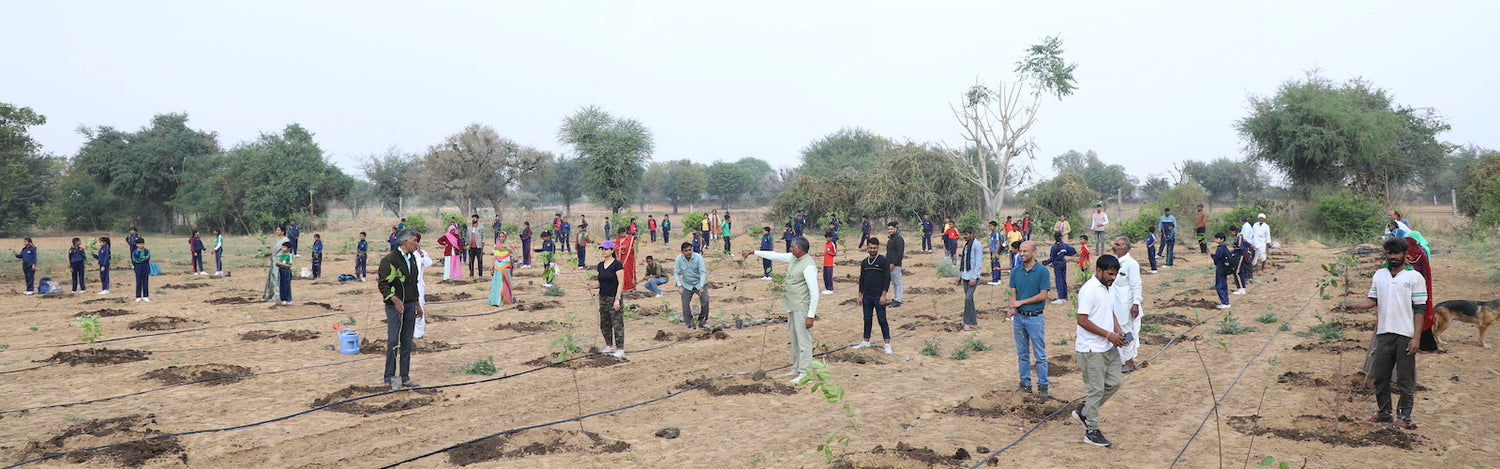
For corporates, Miyawaki forests offer a unique opportunity to engage employees in meaningful environmental action. The process involves selecting native plants, preparing soil, and planting trees in a specific pattern that mimics natural forest ecosystems. Our team has witnessed how this hands-on approach creates lasting memories and strengthens team bonds.
According to the United Nations Environment Programme, forests play a crucial role in climate regulation and biodiversity conservation. Companies implementing Miyawaki projects demonstrate their commitment to these global environmental goals.
⭐ Benefits of Miyawaki Forests for Employee Engagement
Employee engagement through Miyawaki forests delivers measurable benefits for organizations. Teams working together on tree plantation projects develop stronger collaboration skills and shared purpose. The physical activity involved in planting and maintaining forests promotes employee wellness and reduces stress levels.
Companies report increased job satisfaction when employees participate in environmental initiatives. The sense of contributing to something meaningful beyond daily work tasks creates emotional investment in the organization. Our partners have seen retention rates improve by 15-20% after implementing comprehensive green engagement programs.
The World Wildlife Fund's forest initiatives highlight how corporate forest programs contribute to global conservation efforts. Employees feel proud knowing their workplace activities support international environmental goals.
Building Team Cohesion Through Shared Environmental Goals
Miyawaki forest projects naturally bring employees together across departments and hierarchies. The collaborative nature of tree planting breaks down traditional workplace barriers. Teams must coordinate planting schedules, soil preparation, and ongoing care responsibilities.
We ensure every corporate Miyawaki project includes structured team-building activities. Groups work together to research native species, plan forest layouts, and establish maintenance schedules. These shared experiences create lasting professional relationships and improve workplace communication.
💡 Implementation Strategies for Corporate Miyawaki Programs
Successful corporate Miyawaki programs require careful planning and employee involvement from the beginning. Companies should start by forming green committees with representatives from different departments. These teams can drive enthusiasm and ensure widespread participation in forest creation activities.
The implementation process begins with site selection and soil analysis. Employees can participate in every step, from choosing native species to preparing planting areas. Our experience demonstrates that hands-on involvement increases employee investment in project success.
Organizations should establish clear timelines and milestones for their Miyawaki projects. Regular progress updates keep employees engaged and motivated throughout the forest development process. Companies can celebrate achievements with team events and recognition programs.
Creating Sustainable Engagement Programs
Long-term success requires ongoing employee involvement beyond initial planting activities. Companies can establish forest monitoring teams that rotate quarterly, giving more employees opportunities to participate. Regular maintenance activities become team-building opportunities that strengthen workplace relationships.
Technology integration enhances employee engagement through GeoTag tracking and progress monitoring apps. Workers can follow their forest's growth and share updates with colleagues. This digital component appeals to younger employees who appreciate tech-enabled environmental action.
→ Measuring Success and ROI of Employee Engagement
Corporates must track both environmental and engagement metrics to evaluate Miyawaki program effectiveness. Key performance indicators include employee participation rates, retention improvements, and satisfaction survey scores. Companies should also monitor forest growth rates and carbon sequestration achievements.
Employee feedback surveys reveal the impact of environmental programs on workplace satisfaction. Our partners consistently report improved team morale and increased pride in company values. These qualitative benefits translate into quantitative improvements in productivity and retention.
The United Nations Sustainable Development Goals provide frameworks for measuring corporate environmental impact. Companies can align their Miyawaki programs with specific SDG targets and report progress to stakeholders.
Financial Benefits of Green Employee Engagement
Miyawaki forest programs deliver measurable financial returns through improved employee retention and reduced recruitment costs. Companies investing in environmental engagement see average retention improvements of 18% within two years. The cost savings from reduced turnover often exceed program investment costs.
Enhanced employer branding attracts top talent who prioritize environmental responsibility. Organizations with strong green initiatives report 25% more qualified job applications. This competitive advantage becomes increasingly valuable as environmental consciousness grows among professionals.
🌱 Best Practices for Corporate Miyawaki Implementation
Successful corporate Miyawaki programs follow proven best practices that maximize both environmental and engagement outcomes. Companies should begin with pilot projects that demonstrate feasibility and build employee enthusiasm. Small-scale successes create momentum for larger forest initiatives.
Employee education plays a crucial role in program success. Organizations should provide training on Miyawaki principles, native species identification, and forest maintenance techniques. This knowledge empowers employees to become forest stewards and environmental advocates.
Regular communication keeps employees informed about forest progress and upcoming activities. Companies can use internal newsletters, digital displays, and mobile apps to share updates and celebrate milestones. Consistent messaging reinforces the importance of environmental initiatives.
Overcoming Common Implementation Challenges
Corporate Miyawaki programs face predictable challenges that organizations can address proactively. Limited space constraints require creative solutions like rooftop forests or partnership with local communities. Our team helps companies identify suitable locations and optimize available areas.
Employee scheduling conflicts can reduce participation rates in forest activities. Companies should offer flexible participation options including weekend events and rotating team assignments. Multiple engagement opportunities ensure all interested employees can contribute to forest success.
⚠️ Technology Integration and Modern Solutions
Modern corporate Miyawaki programs leverage technology to enhance employee engagement and forest monitoring. GeoTag systems allow employees to track individual trees and monitor growth progress. Mobile apps provide platforms for sharing photos, updates, and forest-related achievements.
Virtual reality training programs help employees understand Miyawaki principles before participating in actual planting activities. These immersive experiences increase engagement and improve planting technique effectiveness. Technology bridges the gap between environmental education and hands-on implementation.
Data analytics platforms track employee participation patterns and engagement levels across different forest activities. Companies can use this information to optimize program design and maximize participation rates. Evidence-based improvements ensure long-term program sustainability.
Frequently Asked Questions
How much space do corporates need for Miyawaki forests?
Miyawaki forests can be created in areas as small as 100 square meters, making them suitable for most corporate campuses. The dense planting method maximizes forest benefits even in limited spaces. Companies can start with small pilot areas and expand based on success and available land.
What is the typical timeline for corporate Miyawaki forest implementation?
Complete Miyawaki forest implementation typically takes 6-12 months from planning to initial planting. The forest becomes self-sustaining after three years of care and maintenance. Employee engagement activities begin immediately and continue throughout the forest development process.
How can remote employees participate in corporate Miyawaki programs?
Remote employees can participate through virtual forest monitoring, online education programs, and sponsored tree planting in their local communities. Companies can create digital platforms for sharing forest updates and celebrating collective achievements. Hybrid engagement models ensure all employees can contribute regardless of location.
What are the ongoing maintenance requirements for corporate Miyawaki forests?
Miyawaki forests require regular watering, weeding, and monitoring for the first three years. After this period, the forest becomes self-sustaining with minimal intervention needed. Employee teams can rotate maintenance responsibilities, creating ongoing engagement opportunities.
How do Miyawaki forests contribute to corporate Net Zero Targets?
Miyawaki forests sequester carbon 10 times faster than traditional plantations, significantly contributing to corporate carbon offset goals. A typical corporate Miyawaki forest can sequester 5-10 tons of CO2 annually per 1000 square meters. These measurable environmental benefits support comprehensive Net Zero strategies.
Can corporates combine Miyawaki forests with other employee engagement activities?
Miyawaki forests integrate seamlessly with team building events, wellness programs, and corporate social responsibility initiatives. Companies can organize forest-themed competitions, educational workshops, and celebration events. The versatile nature of forest programs supports diverse engagement strategies.
What training do employees need for Miyawaki forest participation?
Basic training covers Miyawaki principles, native species identification, and proper planting techniques. Most employees can learn essential skills in 2-3 hour training sessions. Ongoing education opportunities deepen understanding and increase long-term engagement with forest activities.
How can corporates measure employee engagement improvements from Miyawaki programs?
Companies can track engagement through participation rates, employee satisfaction surveys, and retention metrics. Qualitative feedback reveals emotional connections to environmental initiatives. Regular assessment ensures programs deliver desired engagement outcomes and environmental benefits.Corporate Miyawaki forests represent a powerful tool for transforming employee engagement while contributing to global environmental goals. The combination of hands-on environmental action, team collaboration, and meaningful impact creates lasting workplace improvements. Companies implementing these programs discover that environmental responsibility and employee satisfaction grow together naturally.Ready to transform your workplace culture through environmental action? Plant a tree in your Name and join the movement toward sustainable employee engagement. Our comprehensive Miyawaki programs include 4ft Tree Planting + 3 Years Care + GeoTag technology to ensure your corporate forest thrives while building stronger teams.
