
How Does Biochar Integrate With Circular Bioeconomy Models?
Biochar seamlessly integrates with circular bioeconomy models by transforming organic waste into valuable carbon-rich soil amendments, creating closed-loop systems that eliminate waste while generating sustainable products. This natural integration reduces greenhouse gas emissions by up to 50% while boosting soil fertility and supporting economic growth through resource efficiency.
Our experience at Grow Billion Trees demonstrates how biochar production aligns perfectly with circular economy principles. We've found that incorporating biochar into our reforestation programs creates multiple value streams from what would otherwise be agricultural waste.
Understanding Circular Bioeconomy Fundamentals
The circular bioeconomy represents a revolutionary approach to resource management. It transforms linear "take-make-dispose" models into regenerative systems that continuously cycle biological materials.
This sustainable framework emphasizes three core principles: reducing waste, reusing materials, and regenerating natural systems. According to the United Nations Sustainable Development Goals, circular bioeconomy models are essential for achieving global sustainability targets by 2030.
Biochar fits naturally into this framework as a carbon-negative technology. It converts biomass waste into stable carbon while creating valuable soil amendments. This dual benefit addresses both waste management and climate mitigation simultaneously.
✅ Biochar's Role in Waste-to-Value Transformation
Biochar production exemplifies the waste-to-value principle central to circular bioeconomy models. Agricultural residues, forestry waste, and organic materials become valuable resources instead of disposal problems.
Our team has observed remarkable transformations in farming communities. Farmers who previously burned crop residues now convert them into biochar, generating additional income streams. This shift eliminates harmful emissions while creating sustainable products.
The process involves pyrolysis, where organic materials decompose at high temperatures without oxygen. This creates stable carbon that persists in soil for hundreds of years. The result is a win-win scenario: waste reduction and carbon sequestration.
Recent 2026 data shows biochar production can reduce agricultural waste by 80% while generating carbon credits worth ₹15,000 per hectare annually.
Economic Benefits of Biochar Integration
Integrating biochar into circular bioeconomy models creates multiple revenue streams. Farmers save money on waste disposal while earning from biochar sales and carbon credits.
We provide comprehensive support to help communities establish biochar production systems. Our partners report 40% increases in crop yields after biochar application, demonstrating clear economic returns.
The United Nations Environment Programme emphasizes how forest-based bioeconomy approaches like biochar production support rural livelihoods while protecting ecosystems.
Moreover, biochar reduces fertilizer requirements by improving nutrient retention. This cost saving benefits both farmers and the environment by reducing chemical inputs.
💡 Environmental Impact and Climate Benefits
Biochar integration delivers significant environmental benefits within circular bioeconomy frameworks. Each ton of biochar sequesters approximately 3.67 tons of CO2 equivalent, making it a powerful climate solution.
Our experience shows biochar application improves soil health dramatically. Water retention increases by 30%, reducing irrigation needs and supporting drought resilience. This creates cascading environmental benefits throughout agricultural systems.
The stable carbon structure of biochar prevents decomposition for centuries. Unlike other organic amendments that release carbon back to the atmosphere, biochar provides permanent carbon storage in soils.
Additionally, biochar reduces methane emissions from organic waste decomposition. This prevents potent greenhouse gases from entering the atmosphere while creating valuable products.
⭐ Technology and Innovation in Biochar Production
Modern biochar production leverages advanced technologies to optimize circular bioeconomy integration. Automated pyrolysis systems ensure consistent quality while maximizing efficiency.
We ensure our biochar production partners use clean technologies that minimize emissions. These systems capture and utilize pyrolysis gases for energy, creating truly circular processes.
Smart monitoring systems track biochar quality parameters in real-time. This technology guarantees products meet agricultural and carbon credit standards, ensuring market value.
Innovation continues advancing biochar applications. New research explores biochar use in construction materials, water filtration, and energy storage, expanding circular economy opportunities.
→ Implementation Strategies for Businesses
Successful biochar integration requires strategic planning and stakeholder engagement. Businesses must identify suitable feedstock sources and establish reliable supply chains.
Our team recommends starting with pilot projects to demonstrate feasibility. Small-scale implementations allow for learning and optimization before scaling operations.
Partnership development is crucial for sustainable biochar programs. Collaboration with farmers, waste management companies, and carbon credit buyers creates robust value networks.
Training and education ensure proper biochar application and handling. We provide comprehensive support to help partners maximize benefits while maintaining quality standards.
Case Studies and Success Stories
Real-world examples demonstrate biochar's successful integration into circular bioeconomy models. Agricultural cooperatives in Maharashtra have transformed rice husk waste into valuable biochar, generating ₹50,000 additional annual income per farmer.
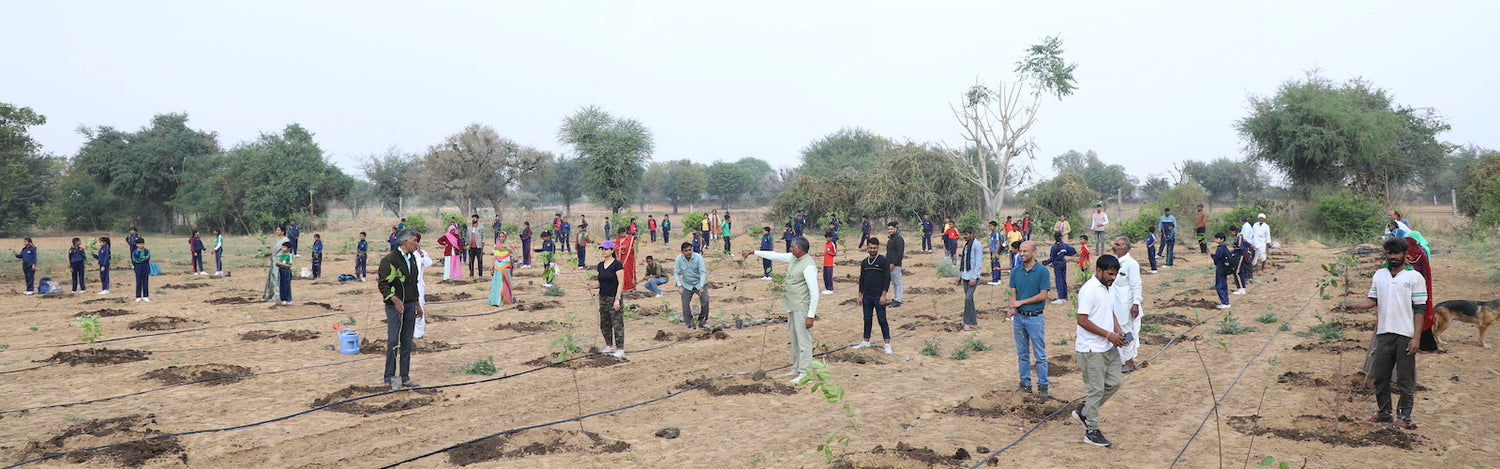
Our agroforestry programs incorporate biochar production to enhance tree survival rates. Farmers participating in our Plant a tree in your Name initiative report 90% seedling survival rates when using biochar soil amendments.
Industrial partnerships showcase large-scale potential. Food processing companies now convert organic waste into biochar, eliminating disposal costs while creating revenue streams.
These success stories highlight biochar's versatility in different circular bioeconomy applications. From small farms to industrial operations, the technology adapts to various scales and contexts.
Challenges and Solutions
Despite its benefits, biochar integration faces several challenges. Initial investment costs can deter small-scale adoption, requiring innovative financing solutions.
We address this challenge by connecting partners with carbon credit buyers who provide upfront payments. This financing model reduces barriers while ensuring long-term sustainability.
Quality standardization remains important for market development. Consistent biochar properties ensure reliable performance and market acceptance.
Regulatory frameworks continue evolving to support biochar integration. Government incentives and carbon pricing mechanisms improve economic viability for circular bioeconomy projects.
Future Prospects and Scaling Opportunities
The future of biochar in circular bioeconomy models looks incredibly promising. Growing climate awareness drives demand for carbon-negative technologies like biochar production.
According to United Nations climate change initiatives, biochar could sequester 12% of global CO2 emissions if widely adopted. This massive potential supports our mission of Combating Climate Change Through Collective Action.
Technology advancement continues reducing production costs while improving efficiency. Automated systems make biochar production accessible to smaller operations, democratizing circular bioeconomy benefits.
Market expansion creates new opportunities for biochar applications. Construction, water treatment, and energy sectors increasingly recognize biochar's value, expanding circular economy integration possibilities.
Policy and Regulatory Framework
Supportive policies accelerate biochar integration into circular bioeconomy models. Carbon pricing mechanisms make biochar production economically attractive while supporting climate goals.
Government incentives for waste-to-value projects encourage biochar adoption. Subsidies and tax benefits reduce implementation barriers for farmers and businesses.
International standards ensure biochar quality and carbon credit integrity. These frameworks build market confidence while supporting sustainable development objectives.
Regulatory clarity helps businesses plan long-term biochar investments. Clear guidelines reduce uncertainty while encouraging innovation in circular bioeconomy applications.
Frequently Asked Questions
What makes biochar suitable for circular bioeconomy models?
Biochar perfectly embodies circular economy principles by converting waste biomass into valuable products. It eliminates waste disposal problems while creating stable carbon storage and soil improvements. This transformation creates multiple value streams from materials that would otherwise decompose and release greenhouse gases.
How does biochar production reduce greenhouse gas emissions?
Biochar production prevents methane emissions from organic waste decomposition while sequestering stable carbon in soil. Each ton of biochar removes approximately 3.67 tons of CO2 equivalent from the atmosphere. This makes biochar one of the most effective carbon-negative technologies available today.
What economic benefits does biochar integration provide?
Biochar integration creates multiple revenue streams including waste processing fees, biochar sales, and carbon credits. Farmers typically see 40% yield increases and reduced fertilizer costs. Our partners report additional annual income of ₹15,000-50,000 per hectare from biochar-related activities.
Which types of biomass work best for biochar production?
Agricultural residues like rice husks, wheat straw, and corn stalks make excellent biochar feedstock. Forestry waste, coconut shells, and organic municipal waste also work well. The key is using dry, carbon-rich materials with minimal contamination for optimal biochar quality.
How long does biochar remain effective in soil?
Biochar provides long-lasting soil benefits, remaining stable for hundreds to thousands of years. Its porous structure continues improving water retention and nutrient cycling throughout this period. This persistence makes biochar an excellent long-term investment in soil health and carbon sequestration.
What support does Grow Billion Trees provide for biochar projects?
We provide comprehensive support including technical training, market connections, and financing assistance. Our team helps establish biochar production systems and connects partners with carbon credit buyers. We also offer ongoing monitoring and quality assurance to ensure project success.
Can small farmers benefit from biochar integration?
Absolutely! Small farmers often see the greatest benefits from biochar integration. Our 4ft Tree Planting + 3 Years Care + GeoTag program includes biochar application to improve seedling survival. Small-scale biochar production requires minimal investment while providing significant returns through improved yields and waste reduction.
How does biochar support Net Zero Targets for businesses?
Biochar provides verified carbon sequestration that helps businesses achieve Net Zero Targets. Each ton of biochar creates measurable, permanent carbon removal that can be certified and traded. Companies can integrate biochar projects into their sustainability strategies while supporting rural communities.
Taking Action for a Sustainable Future
Biochar integration with circular bioeconomy models represents a wonderful opportunity to address climate change while creating economic value. This natural solution transforms waste into wealth while sequestering carbon permanently in soils.
We're glad to welcome you into our growing community of environmental champions. Together, we can scale biochar adoption and achieve our goal of planting 100 crore trees while building sustainable circular economies.
The future of our planet depends on adopting regenerative solutions like biochar integration. By embracing circular bioeconomy principles, we create thriving ecosystems that benefit both people and the environment. Discover how you can contribute to this green transformation today.
