

Agroforestry
Trees that earn for farmers
Digital forest · Agroforestry
The International Institute of Corporate Sustainability and Responsibility (IICSR) Group is a pioneering institution dedicated to advancing sustainability, Environmental, Social, and Governance (ESG) principles, and Corporate Social Responsibility (CSR) through education, training, and collaborative...
The International Institute of Corporate Sustainability and Responsibility (IICSR) Group is a pioneering institution dedicated to advancing sustainability, Environmental, Social, and Governance (ESG) principles, and Corporate Social Responsibility (CSR) through education, training, and collaborative action. By empowering individuals and organisations with the knowledge and tools to integrate responsible practices into their strategies, IICSR promotes meaningful, long-term environmental and social impact.
As part of its commitment to sustainability, IICSR Group supports agroforestry and tree plantation initiatives that contribute to environmental conservation while creating lasting benefits for local communities. By integrating trees into agricultural landscapes, the initiative aims to improve soil health, support biodiversity, enhance carbon sequestration, and promote sustainable land management practices. Agroforestry also offers opportunities to strengthen rural livelihoods by providing farmers with additional resources and potential long-term economic benefits.
Through these initiatives, IICSR Group reinforces its vision of integrating sustainability into corporate responsibility while promoting greener landscapes, resilient agricultural ecosystems, and a more sustainable future for generations to come.
Plantation Date & No. of Trees Planted for the Event:
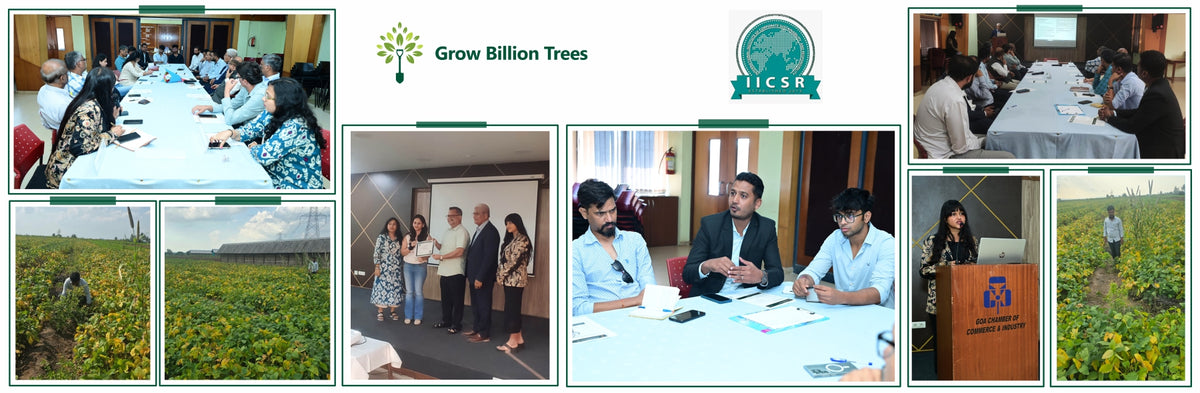
IICSR–GCCI Goa CSO Roundtable -
Plantation Date: 11th September 2026
No. of Trees Planted: 24 Trees
IICSR–Resurgent Mumbai CSO Roundtable -
Plantation Date: 23rd October 2026
No. of Trees Planted: 30 Trees
Total No. of Trees Planted: 100
Plantation Location: Shirur, Maharashtra Pin - 412210
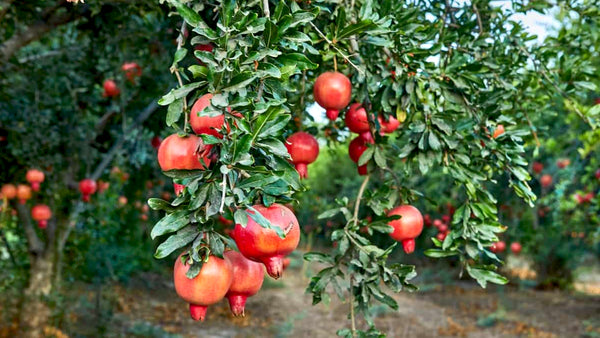
Name of Species: Pomegranate
Pomegranate (Punica granatum) was selected for the agroforestry project as a commercially valuable fruit-bearing species that can support both environmental sustainability and farmer livelihoods. Its relatively compact growth habit makes it suitable for integration into appropriately planned agroforestry systems, while its fruits provide nutritional value and potential income diversification for farmers. Pomegranate also contributes to green cover, landscape diversity, soil protection, and pollinator support through its flowering. When combined with suitable native, fruit-bearing, and multipurpose species, it can help create a productive, diverse, and resilient agroforestry landscape.
| SNo. | Farmer Name | Pomegranate | Plot Size | Village Name | Google Location |
| 1 | Tushar Ashok Nichit | 100 | 1 | Shirur | https://maps.app.goo.gl/kcGMGk |
Agroforestry: IICSR Groups’ tree plantation initiative promotes agroforestry as a sustainable approach that combines environmental conservation with community development. By integrating trees with agricultural landscapes, the initiative supports biodiversity, improves soil and water health, enhances carbon sequestration, and strengthens climate resilience while creating sustainable livelihood opportunities for farmers. Through this effort, IICSR Groups reaffirms its commitment to ecological restoration, environmental stewardship, and building greener, healthier, and more resilient communities.
Advantages of Agroforestry
Increased Farmer Incomes: This approach helps increase farmers’ income by as much as 3 times. Farmers benefit from diversified income sources, lifting economic resilience.
Improved Livelihoods: Agroforestry enhances farmers' resilience to economic and climate-related shocks by creating more sustainable and diversified farming systems.
Biodiversity Promotion: Agroforestry supports a diverse range of plants and animals, creating habitats for wildlife and improving ecosystem health.
Environmental Sustainability: This model reduces carbon emissions and promotes sustainable land management, aligning with SDG 13 (Climate Action) and SDG 15 (Life on Land).
Food Security: Agroforestry enhances agricultural productivity and food availability by integrating fruit-bearing trees with crops, contributing to SDG 2 (Zero Hunger).
Carbon Sequestration: Trees planted through agroforestry absorb carbon dioxide, helping reduce greenhouse gas emissions.
Climate Resilience: Agroforestry helps mitigate climate change impacts by improving land productivity and fostering biodiversity.
| Parameters | Values | References |
| No. of Trees Planted | 100 | |
| Fruit Production Potential (Tons/Year) | 1 | |
| Carbon Sequestration Potential (KG) | 20 |
Small to medium-sized trees can sequester around 10–48 kilograms (22–106 pounds) of CO₂ annually. https://growbilliontrees.com/blogs/knowledge/how-much-co2-can-one-tree-absorb |
| Carbon Sequestration by 100 mature trees ( Tons/year) | 2 | No. of Trees x Carbon Sequestration by 1 mature trees per year |
| Carbon Credit Equivalent | 2 | One carbon credit is equivalent to one tonne of carbon dioxide or the equivalent amount of another greenhouse gas. |
| Carbon Footprint of an avg Indian Citizen (Tons/Year) | 1.8 | https://www.iea.org/countries/india/emissions |
| Offsets Annual Carbon Footprint of (Adults) | 1 | Carbon offset by 100 mature trees per year / Carbon Footprint of an avg Indian Citizen per year |
*This impact analysis is forward-looking (An agroforestry project matures in 3-5 years)
| Category | No. of Trees | Production | Total Income | Establishment Period | Income Realisation Pattern |
| Fruit | 100 | 3 tonnes | ₹2,64,000 | 1-5 Years | Recurring (Annual / Multiple harvests per year) |
*Revenue/ Income outcomes in agroforestry depend on tree survival, varieties, density, management quality, climate conditions, and market prices; figures shown are indicative planning estimates, not assured returns.*
| Fruit Trees | |||||||
| Plant Name | Fruit Selling Price (per Kg) | Annual Production per Tree (Kg) | No. of Trees Planted | Total Production per year (tonnes) | Total Revenue per year | COGs + weather/pests losses | Total Income |
| Mango | ₹40 | 30 | 100 | 3 | ₹1,20,000 | 45% | ₹66,000 |
| Total | 100 | 3 | 1,20,000 | 66,000 | |||
Empowerment of Farmers: By providing training and resources for sustainable farming practices, agroforestry equips farmers with skills to enhance productivity and adapt to environmental changes.
Food Security: The integration of fruit-bearing trees and crops ensures a consistent food supply, improving nutrition and reducing hunger within the community.
Environmental Awareness: Community involvement in tree plantation fosters a sense of responsibility for environmental conservation and promotes sustainable practices in daily life.
Enhanced Social Equity: Agroforestry initiatives foster enhanced social equity by empowering marginalized farmers with sustainable livelihoods, bridging economic gaps, and promoting inclusive community participation in environmental conservation efforts.
Resilience to Climate Change: The diverse and sustainable nature of agroforestry helps communities mitigate the impacts of climate change, including extreme weather events, by stabilizing local ecosystems.
Health and Well-being: Green spaces created through agroforestry improve air quality and offer a healthier environment, contributing to the physical and mental well-being of the community
Carbon Sequestration: Trees act as carbon sinks, absorbing significant amounts of CO2 from the atmosphere, helping to mitigate climate change and reduce greenhouse gas emissions.
Soil Health Improvement: Agroforestry enriches soil through organic matter from fallen leaves and roots, improving fertility, structure, and nutrient availability for crops.
Erosion Prevention: Tree roots stabilize the soil, reducing erosion caused by wind and water while protecting nearby agricultural fields and water bodies.
Biodiversity Conservation: By creating habitats for various species, agroforestry enhances biodiversity, supporting pollinators, beneficial insects, and native wildlife.
Water Cycle Regulation: Trees improve water retention, recharge groundwater levels, and reduce surface runoff, contributing to a more balanced and sustainable water cycle.
SDG 1 (No Poverty): IICSR Groups supports small and marginal farmers by creating long-term income opportunities through agroforestry plantations. By integrating economically beneficial tree species into agricultural landscapes, the initiative strengthens rural livelihoods, enhances financial resilience, and contributes to poverty reduction in farming communities.
SDG 2 (Zero Hunger): The agroforestry model improves soil fertility, enhances agricultural productivity, and promotes sustainable farming practices. By creating healthier and more productive agricultural ecosystems, the initiative supports food security while providing farmers with additional sources of income and nutritional resources.
SDG 6 (Clean Water and Sanitation): Agroforestry contributes to improved water conservation by enhancing soil structure, increasing groundwater recharge, and reducing surface runoff. The tree plantations help retain moisture in the soil, supporting sustainable water management and ensuring the long-term availability of water resources for agriculture and local communities.
SDG 8 (Decent Work and Economic Growth): The initiative creates sustainable livelihood opportunities by enabling farmers to diversify their income sources through tree-based agriculture. By fostering rural economic development and strengthening agricultural value chains.
SDG 10 (Reduced Inequalities): IICSR Groups’ agroforestry initiative promotes equitable development by engaging small and marginal farmers and providing them access to resources, opportunities, and long-term economic benefits. This helps reduce socio-economic disparities and supports inclusive growth in rural areas.
SDG 12 (Responsible Consumption and Production): The initiative encourages responsible land-use practices by integrating trees into agricultural systems, improving resource efficiency, and reducing environmental pressures. Sustainable agroforestry methods help maintain soil health, optimize natural resources, and support environmentally responsible production systems.
SDG 13 (Climate Action): This initiative contributes to climate change mitigation through large-scale tree plantations that capture and store carbon dioxide. By enhancing green cover and building climate-resilient landscapes, the initiative supports efforts to combat climate change and strengthen environmental sustainability.
SDG 15 (Life on Land): The agroforestry plantations help restore degraded landscapes, improve biodiversity, and strengthen ecosystem health. By increasing tree cover and supporting native ecological systems, the initiative contributes to the conservation and sustainable management of terrestrial ecosystems.
SDG 16 (Peace, Justice and Strong Institutions): The initiative promotes community participation and collaborative stewardship of natural resources. By fostering trust, transparency, and shared responsibility among stakeholders, it supports inclusive decision-making and sustainable community development.
SDG 17 (Partnerships for the Goals): IICSR Group’s initiative demonstrates the power of partnerships in advancing sustainable development. Through collaboration with implementation partners, local farming communities, and environmental stakeholders, the initiative combines expertise, resources, and collective action to create lasting environmental and social impact. These partnerships strengthen community resilience, promote sustainable land management, and contribute to the achievement of shared sustainability goals.
Environmental Impact: IICSR Group's initiative demonstrates a strong commitment to environmental sustainability by integrating agroforestry into rural landscapes. Through large-scale tree plantations, the initiative enhances biodiversity, improves soil fertility, and strengthens ecosystem resilience. The trees contribute to carbon sequestration, helping mitigate climate change while restoring green cover across the region. Agroforestry practices also improve water retention, reduce soil erosion, and support sustainable land management. By promoting the cultivation of suitable tree species within agricultural systems, the initiative creates healthier ecosystems that benefit both the environment and future generations.
Social Responsibility: The initiative empowers small and marginal farmers by creating long-term livelihood opportunities through tree-based agriculture. By generating additional income streams and improving farm productivity, agroforestry enhances rural economic resilience and contributes to improved quality of life. The program also encourages community participation and environmental stewardship, fostering a sense of shared responsibility towards natural resource conservation. Through its people-centric approach, IICSR Groups strengthens local communities while promoting sustainable development.
Governance: IICSR Groups integrates transparency, accountability, and responsible implementation into its agroforestry initiatives. The initiative is implemented through collaboration with local stakeholders, farming communities, and environmental partners, ensuring that plantation activities generate measurable social and ecological outcomes. Regular monitoring of plantation progress, impact assessment, and stakeholder engagement help maintain accountability and effectiveness. By embedding sustainability into its decision-making processes, IICSR Groups reinforces its commitment to strong ESG principles and responsible development that creates lasting value for people, communities, and the environment.
One of the most remarkable outcomes of this agroforestry project was the sense of unity and collaboration it fostered within the community. By engaging local farmers, stakeholders, and volunteers, the initiative became more than just a plantation drive; it evolved into a shared mission to create a sustainable future.
Empowering Farmers: Farmers became active participants, not just beneficiaries, learning sustainable agroforestry practices that integrated seamlessly with their livelihoods. This newfound knowledge and ownership strengthened their confidence and resilience.
Fostering Partnerships: The project brought together diverse groups, including IICSR Groups, Grow Billion Trees, and local communities, showcasing the power of partnerships in achieving common goals.
Creating a Ripple Effect: As the farmers witnessed the benefits of agroforestry, their enthusiasm inspired neighboring communities to explore similar sustainable practices, amplifying the project’s impact.
This initiative proved that environmental sustainability thrives when rooted in community effort. It’s not just about planting trees; it’s about planting hope, collaboration, and a shared vision for a greener tomorrow.
Sustainable Plantation Efforts: GBT implements projects that balance environmental, social, and economic goals, addressing issues like urban heat islands and degraded farmlands. These efforts promote ecological balance, livelihoods, and long-term climate resilience.
Enhancing Ecosystem Health: By selecting native species and creating diverse habitats, GBT enhances biodiversity and ecosystem resilience, ensuring long-term ecological health and supporting wildlife.
Ensuring Tree Survivability: GBT prioritizes native species, continuous monitoring, and soil health improvement using organic fertilizers. These efforts ensure sustainable growth and benefit the farmers and communities.
Transparency & Accountability: GBT provides detailed reports on tree growth, survival rates, and carbon benefits, using geo-fencing and regular updates to maintain transparency and effectiveness.
Long-Term Impact: GBT’s initiatives tackle environmental challenges, enhance rural livelihoods, foster climate resilience, and promote sustainable development while reducing carbon footprints.
We at Grow Billion Trees extend our heartfelt gratitude to all those who have contributed to the success of the agroforestry initiative undertaken in partnership with IICSR Groups. This initiative, designed to nurture environmental sustainability and rural prosperity, would not have been possible without the collective efforts of dedicated organizations, farming communities, and stakeholders who share a vision for a greener future.
To IICSR Group & Goa Chamber of Commerce & Industry (GCCI): We sincerely thank IICSR Group and the Goa Chamber of Commerce & Industry (GCCI) for bringing together sustainability leaders, industry experts, and changemakers through the IICSR–GCCI Goa CSO Roundtable. Your commitment to climate action and carbon neutrality extends beyond meaningful conversations through this agroforestry-based tree plantation initiative. The plantation contributes to enhancing green cover, supporting biodiversity, improving soil health, and strengthening climate resilience while creating long-term environmental value. Together, this initiative transforms collective sustainability commitments into meaningful action, helping build a greener, healthier, and more climate-positive future for communities and the environment.
To the Farmers of Shirur: Your trust, participation, and dedication have been instrumental in bringing this initiative to life. By embracing agroforestry practices and nurturing these plantations, you are contributing to healthier landscapes, stronger livelihoods, and a more resilient future. Your commitment to sustainable land management not only benefits your families and communities but also serves as an inspiring example of environmental responsibility and rural transformation.
To Our Partners and Volunteers: We extend our sincere appreciation for your expertise, hard work, and unwavering support throughout the project. Your efforts in planning, execution, farmer engagement, and plantation management have ensured the successful implementation of the tree plantation. Your dedication has been vital in transforming this vision into a meaningful and measurable impact on the ground.
Together, we have taken an important step toward restoring ecosystems, strengthening climate resilience, and creating sustainable livelihood opportunities through agroforestry. This achievement reflects the power of collaboration and a shared commitment to building a greener, more inclusive future.
Thank you for your trust, partnership, and dedication to this journey of sustainable growth and environmental stewardship.
This initiative marks a meaningful step towards creating a greener and more sustainable future. We sincerely appreciate IICSR Group and GCCI for translating their commitment to climate action into tangible environmental impact through this initiative in collaboration with Grow Billion Trees. This effort will contribute to increasing green cover, supporting biodiversity, enhancing carbon sequestration, and strengthening long-term ecological resilience.
The initiative represents more than plantation—it is a lasting symbol of collective responsibility towards nature and future generations. We are honoured to be part of this journey and look forward to nurturing its impact. Together, IICSR Group, GCCI, and Grow Billion Trees demonstrate how meaningful collaboration can turn sustainability goals into action and inspire a greener tomorrow.
Photos from the site, from planting day onwards.
Every tree in this forest, with the name and message of the person or company who planted it.
Undisclosed contributors
The people and companies who planted this forest have chosen not to list their names.
Plan a forest for your company, school or family, with its own digital forest page.
Plan a forestAbout Grow Billion Trees
We plant, geo-tag and look after every tree for three years, for companies, NGOs and families.


Pick the programme that fits your land, goal and budget.
Every pin is a project with its own digital forest. Filter by programme or state, or search for a company.
Pins show the approximate area of each project, not exact plot locations. Updated 2026-10-15.
Trees for birthday celebration offer the most meaningful way to mark another year of life while nurturing our planet's future. Instead of tradition...
View full detailsDescription: Every day is Mother's Day, take a moment to celebrate and honor the Nurturing Mothers in your life who have guided, encouraged, and lo...
View full detailsTrees as a gift represent the most meaningful way to celebrate special occasions while combating climate change through collective action. Unlike t...
View full detailsDescription: Honoring the memory of a loved one with a tree planting can be a powerful and enduring way to pay tribute to their life. Trees offer c...
View full detailsWelcome to a wonderful way of celebrating Janmashtami by planting trees for Krishna! Our sacred tree planting service offers a divine gift for just...
View full detailsDescription: Let's take a moment on this Women's Day to appreciate and honor the exceptional women in our lives who have inspired, encouraged, and ...
View full detailsDescription: "Celebrating your wedding anniversary by planting trees can be a meaningful and environmentally friendly way to honor your commitment ...
View full detailsTrees for friendship create lasting memories while nurturing our planet. When you plant a tree with friends, you're not just growing roots in the e...
View full detailsDescription: Let's take a moment to honor and celebrate the wise and nurturing grandmothers in your life who have shared their love, experience, an...
View full detailsDescription: Take a moment to celebrate and honor your Grandfather who has supported, inspired, and loved you unconditionally. Show your appreciati...
View full details


