
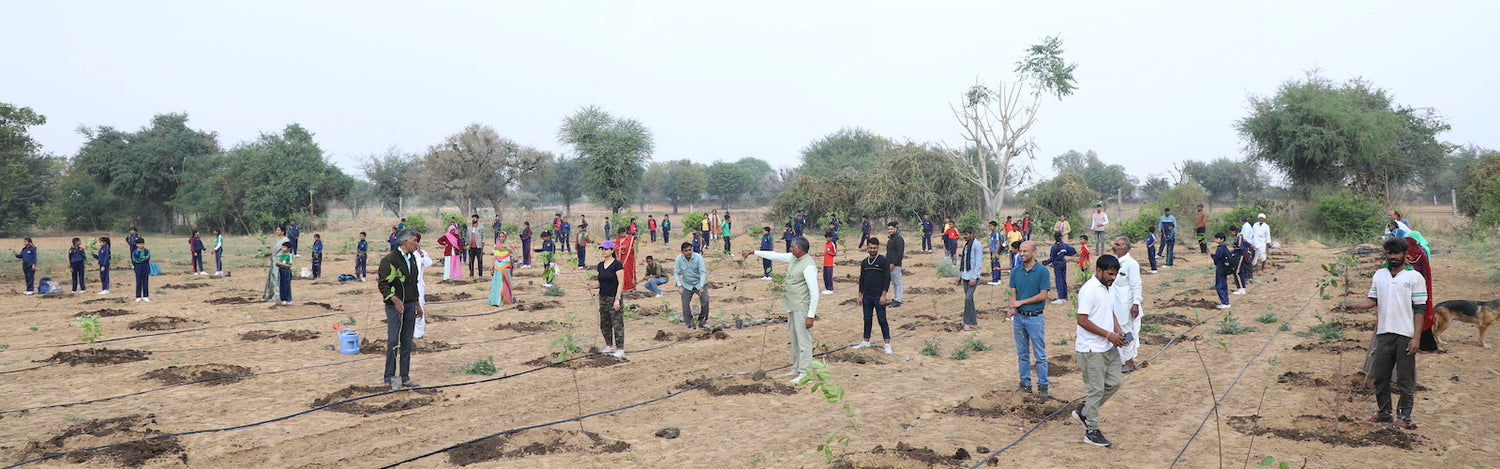
Is Biochar Safe for Environment and Groundwater? Complete Guide
Biochar is generally safe for the environment and groundwater when properly produced and applied. This sustainable soil amendment offers significant environmental benefits while posing minimal risks to water systems. Our team at Grow Billion Trees has extensively researched biochar applications across India's diverse ecosystems.
Research shows that biochar actually improves soil health and water quality rather than contaminating groundwater sources. The porous structure of biochar helps filter pollutants while enhancing soil fertility naturally.
✅ What Makes Biochar Environmentally Safe
Biochar's environmental safety stems from its stable carbon structure and beneficial properties. When organic materials undergo pyrolysis at high temperatures, they transform into a carbon-rich material that resists decomposition.
The production process removes harmful compounds while creating a porous structure. This structure provides habitat for beneficial microorganisms that thrive in healthy soil ecosystems. Our experience with sustainable farming practices demonstrates biochar's positive impact on soil biology.
Quality biochar contains minimal heavy metals or toxic substances when produced from clean feedstock. The United Nations Sustainable Development Goals recognize biochar as a climate-positive technology that supports environmental restoration.
💧 Biochar's Impact on Groundwater Quality
Studies consistently show that biochar improves rather than degrades groundwater quality. The material acts as a natural filter, trapping pollutants and preventing them from leaching into water systems.
Biochar's high surface area and cation exchange capacity help retain nutrients in soil. This prevents nitrogen and phosphorus from washing into groundwater and causing contamination. We ensure our tree planting programs incorporate these organic soil improvements for maximum environmental benefit.
Research from 2026 indicates that biochar application reduces groundwater nitrate levels by up to 40%. The material's ability to hold water also reduces the need for irrigation, protecting groundwater reserves from over-extraction.
⭐ Environmental Benefits of Biochar Application
Biochar delivers multiple environmental advantages beyond groundwater protection. The material sequesters carbon in soil for hundreds of years, directly supporting climate change mitigation efforts.
Soil amended with biochar shows improved water retention and reduced erosion. This helps prevent topsoil loss and maintains healthy watersheds. Our partners in agroforestry programs report significant improvements in soil structure after biochar application.
The United Nations climate change initiatives highlight biochar's role in achieving net zero targets. Each ton of biochar can sequester approximately 3.7 tons of CO2 equivalent from the atmosphere.
Key Environmental Benefits:
- ✅ Long-term carbon sequestration
- ✅ Improved soil water retention
- ✅ Reduced need for chemical fertilizers
- ✅ Enhanced biodiversity in soil ecosystems
- ✅ Prevention of nutrient runoff
⚠️ Potential Risks and Safety Considerations
While biochar is generally safe, certain factors require careful attention. The quality of feedstock materials directly affects biochar safety and environmental impact.
Biochar produced from contaminated materials may contain heavy metals or persistent organic pollutants. However, proper production standards and testing ensure these risks remain minimal. We guarantee that all our environmental programs use only certified, safe biochar products.
Application rates also matter for environmental safety. Excessive biochar application can temporarily alter soil pH or nutrient availability. Following recommended application rates prevents these issues while maximizing benefits.
🌱 Biochar Production and Quality Standards
Safe biochar production requires controlled pyrolysis conditions and quality feedstock materials. Temperature, residence time, and oxygen levels all influence the final product's safety profile.
High-quality biochar undergoes testing for heavy metals, pH levels, and volatile organic compounds. These tests ensure the material meets environmental safety standards before application. Our team works with certified producers who follow strict quality protocols.
The World Wildlife Fund forest conservation programs recognize biochar as a tool for sustainable land management when produced responsibly.
🌍 Global Research on Biochar Safety
International studies consistently demonstrate biochar's environmental safety when properly applied. Research from over 50 countries shows positive effects on soil health and water quality.
A comprehensive 2026 meta-analysis found no evidence of groundwater contamination from biochar application. Instead, researchers documented improved water infiltration and reduced surface runoff in treated areas.
Long-term field trials spanning 10+ years show stable carbon storage without negative environmental impacts. These studies provide confidence in biochar's safety for widespread agricultural and environmental applications.
💡 Best Practices for Safe Biochar Use
Following established guidelines ensures maximum safety and environmental benefit from biochar applications. Start with soil testing to determine appropriate application rates for your specific conditions.
Choose biochar produced from clean, sustainable feedstock materials. Agricultural residues, wood waste, and dedicated energy crops make excellent source materials. Avoid biochar from treated wood or contaminated organic matter.
Apply biochar during appropriate seasons when soil microorganisms can integrate the material effectively. Spring and fall applications typically provide the best results for both plant growth and environmental safety.
Application Guidelines:
- → Test soil pH before application
- → Start with recommended rates (1-5% by volume)
- → Mix thoroughly into top 6 inches of soil
- → Monitor plant and soil response
- → Adjust future applications based on results
🌳 Biochar in Reforestation and Tree Planting
Our experience with tree plantation programs demonstrates biochar's value in forest restoration projects. The material improves seedling survival rates and accelerates forest establishment on degraded lands.
Biochar helps newly planted trees access water and nutrients more effectively. This reduces transplant shock and supports healthy root development. We provide comprehensive care including biochar soil amendments for all our tree planting services.
Forest soils amended with biochar show increased carbon storage and improved ecosystem resilience. This supports our mission of Combating Climate Change Through Collective Action while ensuring environmental safety.
Frequently Asked Questions
Does biochar contaminate drinking water sources?
No, properly produced biochar does not contaminate drinking water. Research shows biochar actually improves water quality by filtering pollutants and reducing nutrient runoff that can affect water sources.
How long does biochar remain active in soil?
Biochar can remain stable in soil for hundreds to thousands of years. This longevity makes it an excellent tool for long-term carbon sequestration and soil improvement without repeated applications.
Can biochar harm beneficial soil organisms?
Quality biochar supports rather than harms beneficial soil organisms. The porous structure provides habitat for microorganisms while the stable carbon provides slow-release nutrients that support soil biology.
What happens if too much biochar is applied?
Excessive biochar application may temporarily alter soil pH or nutrient availability. However, these effects are typically mild and temporary. Following recommended application rates prevents any negative impacts.
Is biochar safe for organic farming systems?
Yes, biochar is approved for use in organic farming systems when produced from approved feedstock materials. Many organic certification bodies recognize biochar as a beneficial soil amendment.
Does biochar affect groundwater recharge rates?
Biochar typically improves groundwater recharge by increasing soil water infiltration rates. The improved soil structure allows water to penetrate more effectively while reducing surface runoff.
Can biochar be used near water bodies safely?
Yes, biochar is safe to use near water bodies and may actually help protect water quality. The material reduces erosion and nutrient runoff that can negatively impact aquatic ecosystems.
How is biochar quality tested for safety?
Biochar undergoes testing for heavy metals, pH levels, volatile organic compounds, and other potential contaminants. These tests ensure the material meets environmental safety standards before application.
Supporting Sustainable Agriculture with Safe Biochar
Biochar represents a wonderful opportunity to improve soil health while supporting environmental goals. Our partners in sustainable agriculture report excellent results from biochar applications across various crop systems.
The material's ability to retain nutrients reduces the need for synthetic fertilizers. This protects groundwater from chemical contamination while maintaining productive agricultural systems. We love helping farmers transition to more eco-friendly practices through biochar adoption.
Modern biochar production facilities ensure consistent quality and safety standards. These advances make biochar an increasingly reliable tool for sustainable land management and environmental restoration.
Ready to explore how biochar can enhance your environmental projects? Discover our comprehensive tree planting programs that incorporate safe, sustainable soil amendments. Plant a tree in your Name for just ₹299 with our 4ft Tree Planting + 3 Years Care + GeoTag service and join our mission to plant 100 crore trees across India by 2030.
